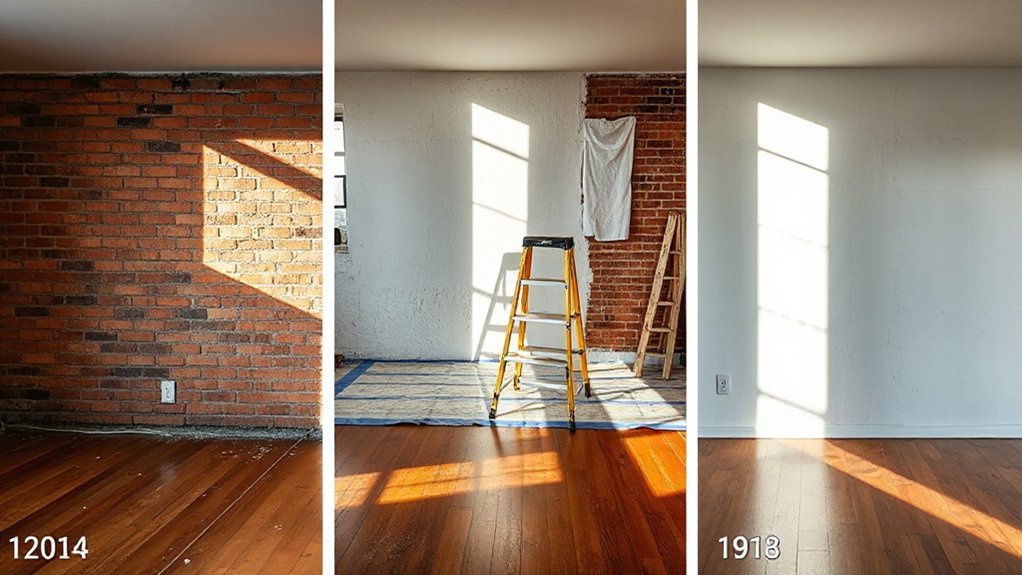
Planning your renovation timeline starts with clear goals and a realistic schedule. You’ll map permits, inspections, and contractor milestones, then lock in a detailed 12‑month plan. Build in a 10% contingency for costs and a plan for potential delays. Stay proactive about sourcing materials and tracking budgets, so you can adapt as issues arise. As milestones like demo day and major installations approach, you’ll need steady communication and momentum to keep everything on track—and you’ll see why staying organized matters.
Set a Realistic Home Renovation Timeline
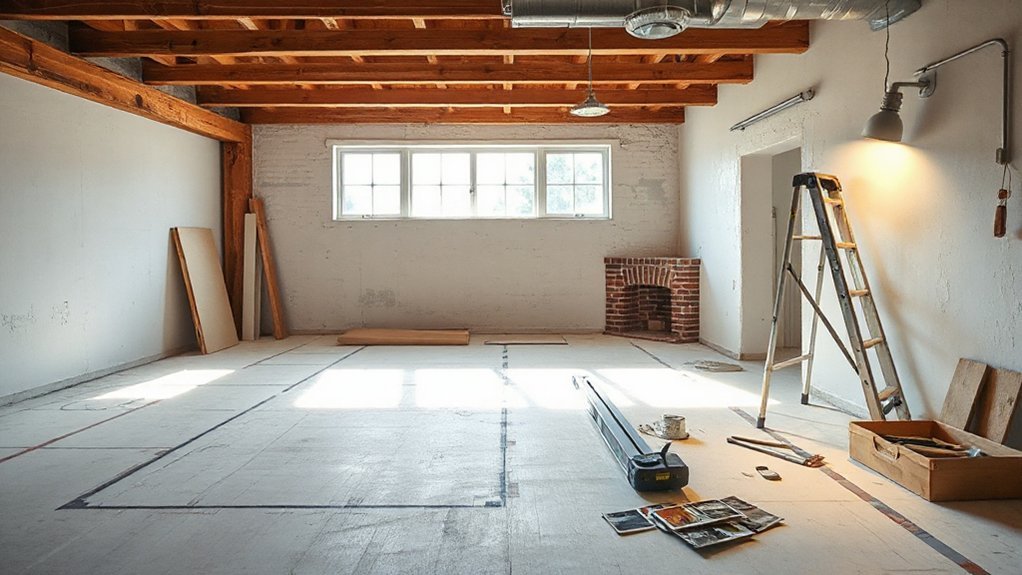
Setting a realistic home renovation timeline starts by defining clear goals and milestones. You begin by outlining the major rooms, desired finishes, and a collapse-free sequence that minimizes backtracking. Next, align design inspiration with practical constraints, converting ideas into actionable steps. For each milestone, set a specific date, assign responsible tasks, and estimate duration based on your crew’s capacity. You’ll want to balance look‑and‑feel decisions with budget reality, so you translate design inspiration into feasible options that fit the schedule. As you choose materials, document lead times and ordering windows, then back those in the timeline to prevent delays. Finally, build in buffers for inevitable hiccups, and review weekly progress against the plan to stay proactive and precise. Material selection profits clarity, keeping the project on track without surprises.
Map Permits, Inspections, and Contractor Milestones
To keep your plan on track, you’ll map out permits, inspections, and contractor milestones alongside your established timeline. Begin by listing required permits and their issuing authorities, then set target dates for submissions, reviews, and approvals. Schedule inspections at critical phases— framing, rough-in, and final— with buffer windows for weather or backlogs. Align contractor milestones to permit milestones, so trades know when to mobilize, order materials, and complete inspections. Include design considerations in early planning to prevent delays, and guarantee your team coordinates access and utility shutoffs. Track material sourcing deadlines to avoid stockouts, and build contingency buffers if vendors slip. Maintain clear records, communicate changes promptly, and adjust the plan as permits evolve. This disciplined approach reduces disruption and keeps your project moving.
Build a 10% Contingency Budget and Cost-Smart Choices
A practical contingency is essential: build a 10% budget cushion from the outset to cover unforeseen costs and scope changes. You’ll allocate this as a separate line in your project plan, reviewed quarterly, not buried in general funds. Prioritize budget planning by estimating both direct expenses and the potential ripple effects of delays or changes. Track every dollar, and set aside a contingency target for each phase—demolition, framing, finishes. When you select materials, factor in delivery timelines, price volatility, and waste. Make cost-smart choices by favoring durable, mid-range options over premium upgrades that don’t yield proportional value. Document approvals for any scope changes and adjust the contingency accordingly, maintaining clarity for stakeholders while preserving project momentum. This discipline keeps you on track, within scope, and financially resilient.
Prepare for Changes and Delays in the Timeline
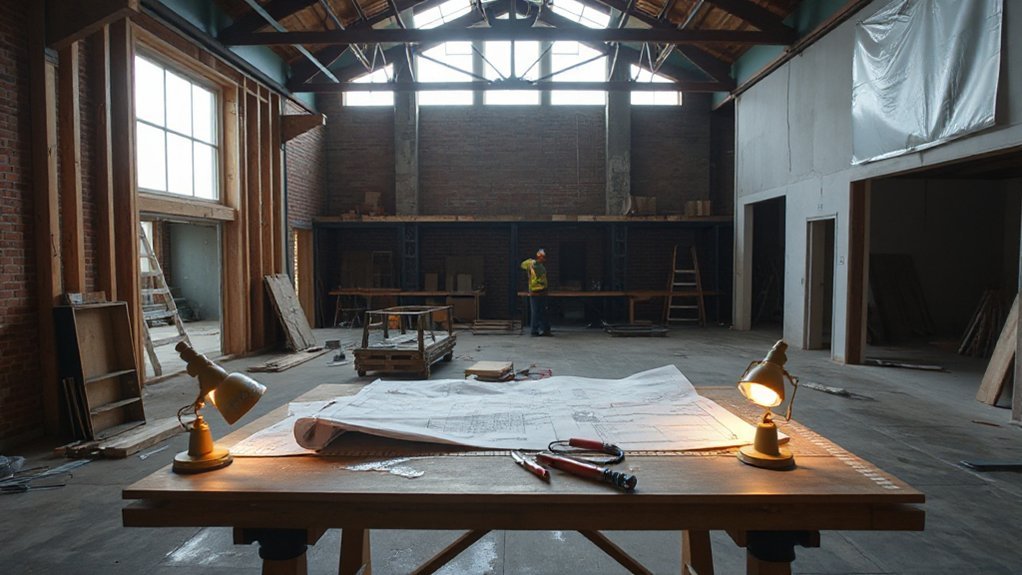
Delays and changes are inevitable in any renovation, so you should build a flexible timeline from day one. Start with a realistic baseline that includes room for adjustments, then map dependencies. Identify critical paths—tasks that, if delayed, stall the whole project—and monitor them daily. Build monthly buffers rather than weekly, so you can absorb small hiccups without derailing milestones. Create a clear change-request process: document impacts, costs, and revised completion dates before approving any switch. Maintain proactive contractor communication, scheduling regular check-ins to surface issues early. Track weather, material lead times, and permitting delays, and adjust plans accordingly. Maintain versioned timelines, publish updates, and ensure everyone understands revised expectations to reduce surprises and restore momentum quickly.
Milestones You’ll Celebrate During Your Renovation
From a flexible timeline to tangible wins: you’ll celebrate milestones that signal progress and keep momentum high. Early on, design inspiration anchors your vision, helping you compare layouts and finishes without wavering. Finalizing a color palette and core materials marks a definitive step, turning ideas into tangible choices. You’ll approve a schematic drawing, then see it reflected in 3D renders, a concrete proof of concept. Material selection follows, narrowing options and confirming budgets, deliveries, and compatibility across rooms. A successful demo day—where trade reps confirm measurements, orders, and lead times—feels like a milestone you’ve earned. As walls go up and cabinetry is installed, feature choices align with your plan, and your team’s schedule tightens. Each completed phase confirms progress and sustains momentum toward a cohesive, high‑quality result.
Frequently Asked Questions
How Long Does the First Week of Renovation Typically Take?
The first week typically lasts 5–7 days, depending on scope. You’ll align with renovation schedule, confirm permits, and hit key project milestones; expect site prep, material deliveries, and plumbing/electrical checks to shape your initial progress plan.
Can I Live in My Home During Major Renovations?
Yes, you can, but treat your home like a ship in a storm: plan temporary living, secure renovation permits, and set safety boundaries; you’ll navigate risks, budget, and timelines with proactive steps and disciplined, detail‑oriented decisions.
Who Approves Changes to the Original Plan Mid-Project?
You approve changes to the original plan mid-project, coordinating with your designer and contractor. Maintain design flexibility while documenting permit modifications, timelines, and impact on budget; you guarantee approvals occur promptly, preventing delays and ensuring compliance.
What Common Hidden Costs Appear in Month Three?
Statistically, you’ll likely encounter one unexpected expense by month three. You’ll face permit delays and other hidden costs as you push forward, so you budget proactively, track changes, and communicate early to minimize impact on the project.
How Should I Handle Contractor Dispute Early On?
Start by documenting everything and addressing it promptly. You should set firm expectations, insist on clear contractor communication, and use a written plan. For disputes, pursue structured dispute resolution and keep records to protect yourself throughout the process.
Conclusion
You’ll finish strong by sticking to your timeline, staying on top of permits, and coordinating milestones with your crew. Keep a tight budget with a 10% contingency and make cost-smart choices without sacrificing quality. Prepare for changes, communicate proactively, and tackle delays head-on—your projected demo days and major installations will become real milestones you’ll celebrate. And if the plan slips, pivot quickly—think like a 1969 moon landing crew, but in your living room. Stay focused and finish well.
About the Author