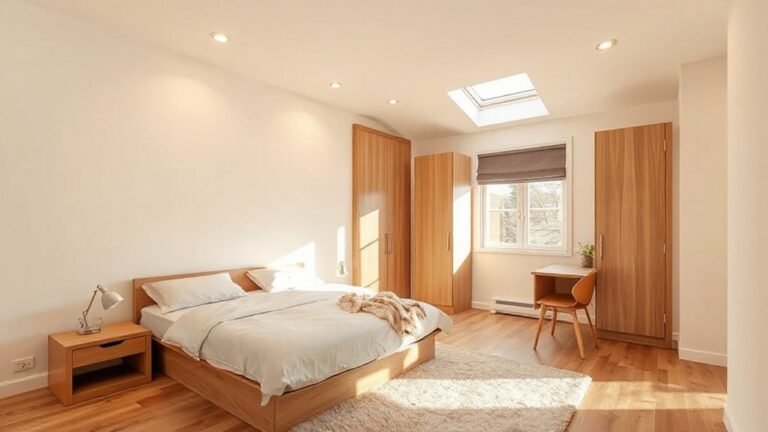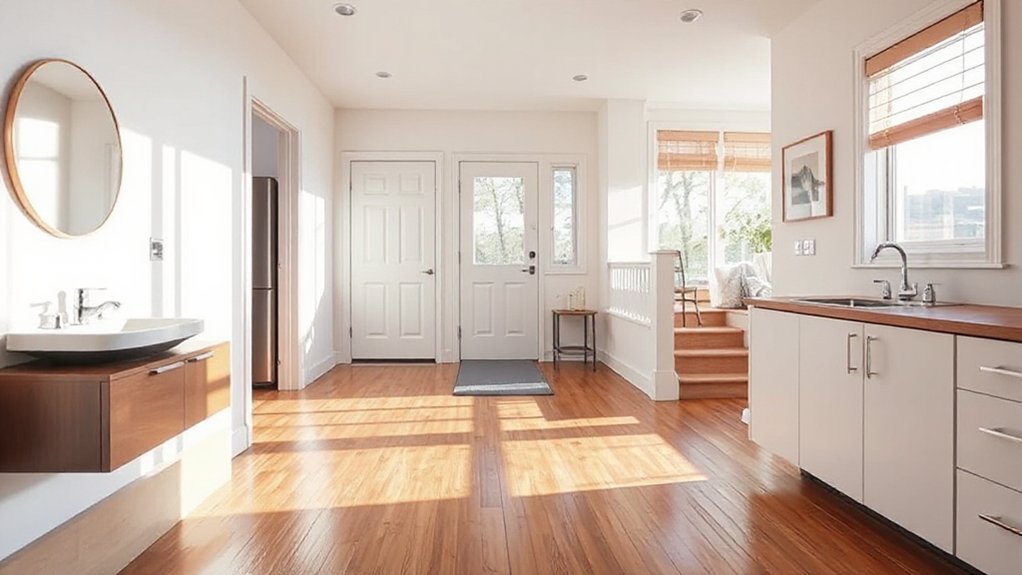
You may not realize how much your home’s layout can affect daily safety and independence for everyone, now and later. By planning barrier-free entry, universal fixtures, and intuitive controls, you set up a space that stays usable as needs change. You’ll weigh costs, long-term value, and easy maintenance, then map upgrades that grow with you. Curious how to balance practicality with aesthetics while keeping future-proofing doable? There’s a logical path you can start outlining today.
Define Accessible Design and Future-Proof Your Home
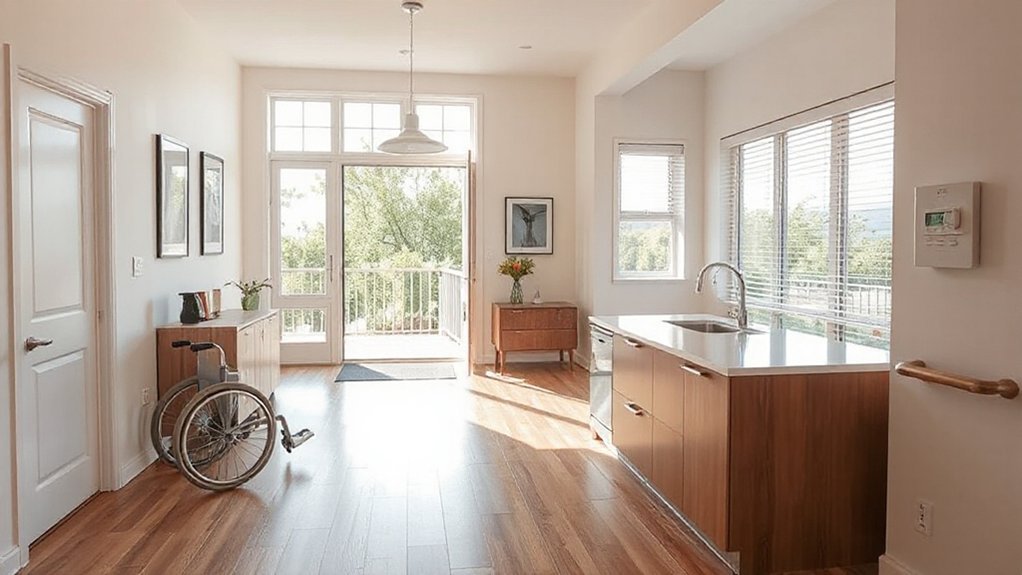
Accessible design means creating spaces that are usable by people of all ages and abilities, from daily tasks to unexpected needs. You define accessible design by prioritizing clear circulation, adaptable spaces, and intuitive controls that reduce reliance on helpers or specialized equipment. Future-proofing means planning for evolving needs, so today’s choices stay relevant as conditions change. You’ll consider universal design principles, selecting fixtures, layouts, and technologies that accommodate mobility, vision, and hearing differences without stigma. Emphasize aesthetic harmony to guarantee beauty and function coexist, blending form with practicality. Prioritize environmental sustainability by choosing durable, low-embodied-energy materials, energy-efficient systems, and repair-friendly assemblies. You create a home that remains comfortable, safe, and stylish, across generations, with flexible plans that expand or reconfigure as life evolves.
Start With Barrier-Free Entrances and Clear Circulation
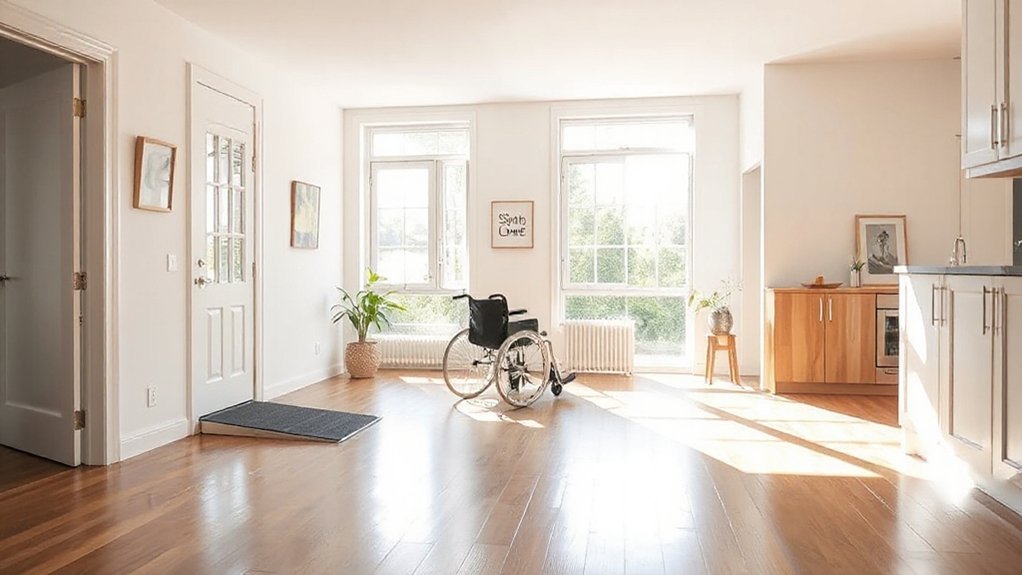
Start with barrier-free entrances and clear circulation to set the foundation for accessible design. You begin by evaluating every entry for unobstructed access and smooth progression. Choose low or zero-threshold options to minimize trips and provide easy passage for mobility devices. Guarantee exterior doors swing wide enough and interiors offer generous turning radii, so you don’t trap you or guests in tight spaces. Focus on entry thresholds, keeping them flush with flooring and clearly marked. Inside, map a logical route through common areas with direct sightlines and minimal doorway changes. Prioritize Pathway clarity by removing unnecessary furniture and obstacles, using consistent flooring, and implementing gentle slopes where stairs exist. This practical approach creates safe, welcoming circulation throughout your home.
Choose Flexible, Universal Fixtures for Key Rooms
You can start choosing fixtures that are flexible and easy to adjust in key rooms, so everyone can use them comfortably. Look for universal design options that work across ages and abilities, without sacrificing style. Think about how each fixture supports adaptability, from height and reach to simple operation.
Flexible Fixture Options
Flexible fixture options let you tailor key rooms for ease and longevity. You’ll gain flexibility by choosing adjustable fixtures that adapt to different tasks and users. Opt for fixtures with smooth dimming, wide ranges, and easy grip handles, so switching from bright task lighting to softer ambient light is effortless. Consider modular baseloads that can be upgraded without replacing whole systems. Lighting automation helps you set scenes for corridors, kitchens, and living areas, reducing effort while enhancing safety. Install universal mounting options and compatible trims to accommodate future hardware updates. Prioritize warm, glare-free lighting that reduces eye strain and supports varied activities. With thoughtful placement and accessible controls, you create spaces that remain usable as needs evolve.
Universal Design Choices
When planning universal design choices, opt for flexible, universal fixtures in key rooms so spaces stay usable as needs change. You’ll benefit from adjustable countertops, lever-style faucets, and reachable storage that work for everyone, regardless of ability or age. Choose hardware and fixtures with simple operation, straightforward maintenance, and interchangeability across rooms to reduce future surprises. Prioritize aesthetic harmony by selecting finishes and forms that blend with existing decor while remaining accessible. Material durability matters: pick corrosion-resistant metals, non-slip surfaces, and reliable seals that withstand daily use. Plan layouts that minimize reach and pivot between activities, ensuring clear pathways and easy sightlines. Document compatible, off-the-shelf components to simplify replacements and upgrades over time.
Key Room Adaptability
Key room adaptability hinges on selecting flexible, universal fixtures that serve diverse needs today and tomorrow. You’ll design spaces that accommodate routine tasks and unexpected shifts, prioritizing ease of use and longevity. Choose fixtures that can be repurposed as requirements evolve, reducing the need for major remodels. Multi purpose spaces thrive when furniture is adaptable, allowing quick reconfiguration for work, play, or care. Neutral finishes and modular components keep options open, while heighted accessibility features stay discreet. Consistency across rooms helps everyone navigate safely, from doorways to work surfaces. You gain efficiency, reduce clutter, and support independence with simple, thoughtful choices that age well.
- Flexible furniture layouts that reconfigure in minutes
- Adjustable-height counters and shelves
- Toward open, reachable storage zones
- Universal hardware and adjustable fixtures
- Smooth transitions between private and shared zones
Plan for Mobility and Vision Needs Throughout the Day
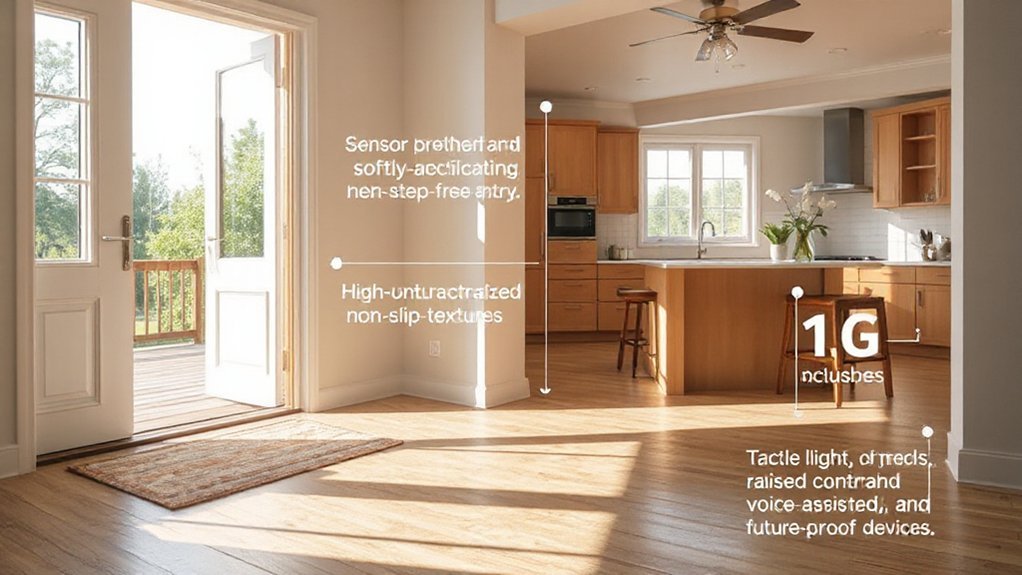
To plan for mobility and vision needs throughout the day, start by mapping activities you perform from waking to bedtime and identifying where accessibility gaps could slow you down. Then assess progressions between spaces, light changes, and noise levels that affect you. Choose practical assistive technology that fits your routine, focusing on reliability and ease of use. Incorporate clear wayfinding signage at key junctions to reduce hesitation and misdirection. Document potential hazards and times when you might need assistance, so you can preempt delays. Prioritize consistent lighting, accessible storage, and unobstructed paths to support safe movement. Align choices with your daily rhythm, building in redundancy for critical functions to maintain independence and reduce frustration. Regularly review and adjust as needs evolve.
Install Smart, Intuitive Controls That Adapt to You
Smart, intuitive controls recognize your routines and adapt to how you move through the day. You’ll power through tasks with systems that learn your preferences and respond instantly, reducing friction and confusion. Gesture recognition lets you dim lights, pause media, or adjust temperature with simple motions. Voice activation lets you command scenes hands-free, even from across the room. These controls stay accessible, responsive, and private, prioritizing your comfort without being intrusive. Consistency across devices means predictable actions every time you interact, so you don’t search for switches or remotes. You’ll feel empowered to tailor environments to your needs, without sacrificing safety or independence.
- A window at fingertip height becomes a light dimmer with a simple wave
- A spoken command sets preferred modes for morning routines
- Subtle haptic feedback confirms successful actions
- Context-aware scenes adjust automatically as you move
- Intuitive dashboards simplify monitoring and control
Design Bathrooms and Kitchens to Support Independence
Designing bathrooms and kitchens that support independence starts with thoughtful layout and accessible features. You’ll plan doorways, clear circulation paths, and reachable storage so you can move confidently without assistance. Include accessible fixtures like lever handles, walk-in showers, adjustable-height counters, and seating options that support safe use. In kitchens, place frequently used items at reachable heights, install pull-out shelves, and provide prep surfaces you can work at comfortably from a seated or standing position. Use non-slip flooring and ample lighting with glare reduction to minimize hazards. Prioritize inclusive aesthetics—unobtrusive grab bars, neutral tones, and familiar controls that blend with your home’s design. This approach helps you maintain independence while ensuring safety, dignity, and practicality throughout daily routines.
Budget-Smart Upgrades With Long-Term Value
Even when you’re budgeting, you can prioritize upgrades that pay off over time by choosing flexible, durable options and prioritizing low-maintenance systems. You’ll find smart technology and eco friendly materials that balance cost with long-term savings, making everyday living simpler and safer. Plan with value in mind: select products that resist wear, offer broad compatibility, and require minimal specialized care. Focus on features that reduce energy and water use, and choose components that can be upgraded rather than replaced.
- Smart thermostat that learns routines and lowers bills
- Durable, low-maintenance flooring with anti-slip properties
- LED lighting systems with long lifespans and zoning
- Water-saving fixtures and leak-conscious valves
- Recyclable cabinetry and furniture using eco friendly materials
Maintain and Phase Upgrades for Future-Proofing
To future-proof your home, start by planning a disciplined upgrade roadmap that balances immediate needs with scalable improvements. Maintain and phase upgrades by prioritizing accessibility wins that compound over time, so you avoid disruption and maximize value. You’ll track progress with a simple schedule, budgeting for frequent review and adjustment as family needs evolve. Emphasize modular, adaptable solutions that layer in stages, keeping doors, thresholds, and controls consistent for future residents. Choose innovative materials that withstand wear while supporting safe usage, and guarantee installations align with current standards and evolving codes. Consider aesthetic considerations early—color, texture, and alignment with existing spaces—so changes feel seamless. Document decisions, test accessibility during each phase, and preserve flexibility for unforeseen needs.
Frequently Asked Questions
How Do I Measure Door Widths for Accessibility at Home?
Measure door clearance and doorway width by placing a retractable tape at floor level, opening the door fully, and noting the narrowest clear space. Guarantee at least 32 inches doorway width for standard accessibility. Consider 36 inches for wheelchairs.
What Are the Best Non-Slip Flooring Options?
You step onto safety, symbolized by a steady path, choosing carpet options or rubber flooring. You’ll feel sure‑footed, durable, and easy to clean while lowering slips, with carpet options and rubber flooring guiding your accessible, inclusive home design.
Can I Retrofit Existing Stairs for Safer Access?
Yes, you can retrofit stairs for safer access. Install a sturdy stair railing and add step lighting along the treads to improve visibility, reduce missteps, and support steady movement for everyone using the stairs.
Which Lighting Setups Reduce Glare and Aid Vision?
Glare fades when you use smart lighting with adjustable fixtures, guiding your steps with calm, precise brightness. You’ll benefit from warm-to-cool tones and even distribution, reducing shadows and eye strain while moving through rooms safely and clearly.
How Can I Prioritize Upgrades Within a Tight Budget?
Prioritize high-impact fixes first, like smart technology controls and universal design basics, then expand gradually. Start with accessible switches and lighting presets, budget already saved; compare needs, retrofit gradually, monitor benefits, and reuse adaptable components.
Conclusion
Making your home accessible is a practical, meaningful choice. You design with intention, you adapt with confidence, you live with ease. You remove barriers, you create flow, you invite independence every day. You choose flexible fixtures, you install thoughtful controls, you simplify routines. You plan ahead, you budget wisely, you protect investment with durable upgrades. You support comfort, you enhance safety, you future-proof your space for all ages and abilities. You transform your home—and your life—today.
About the Author