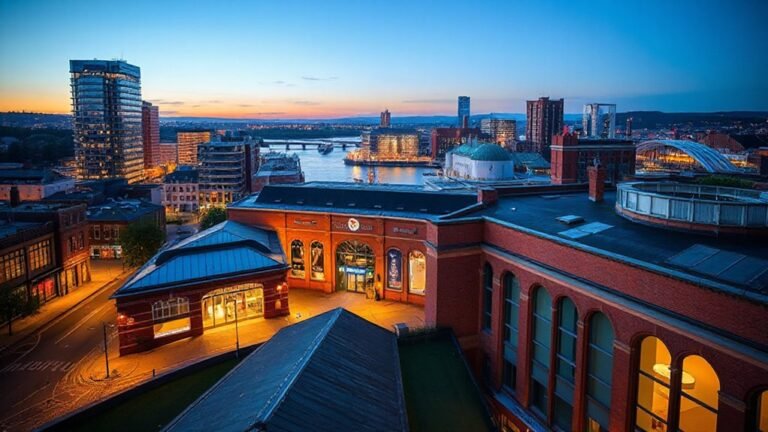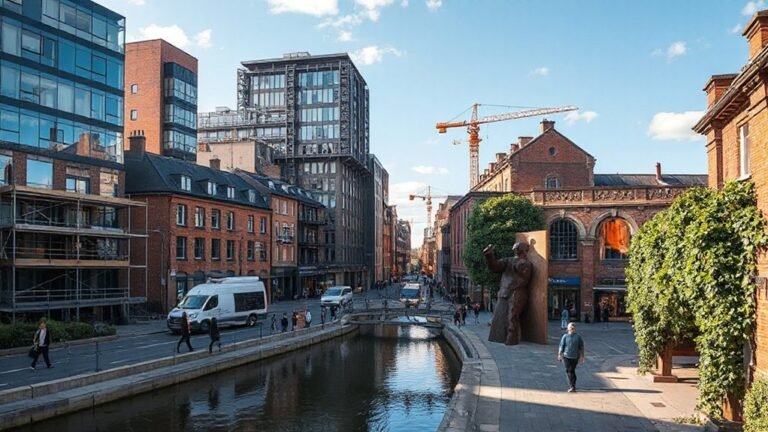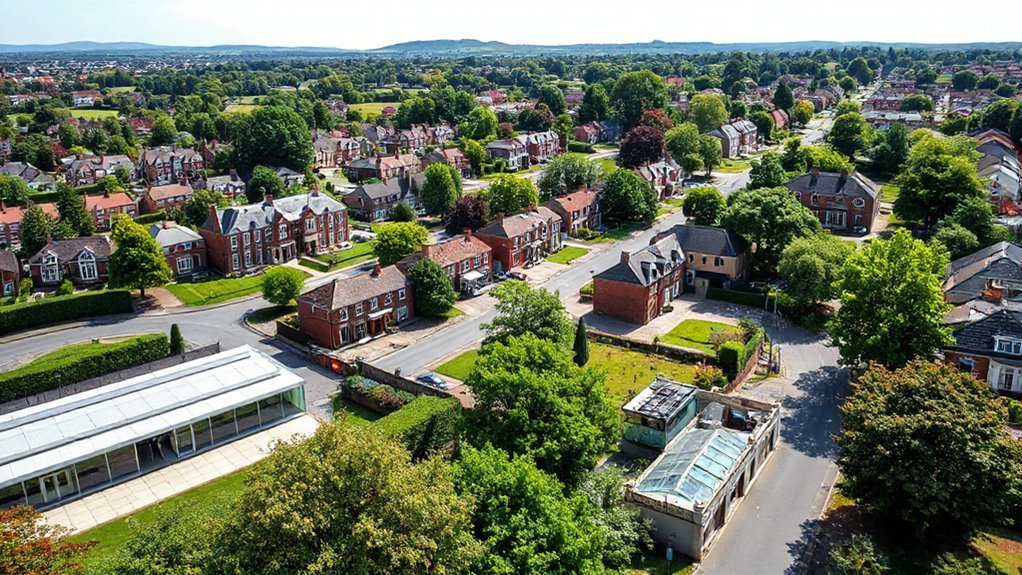
Brace yourself for a market that’s breaking records almost every quarter. In Cheltenham, premium areas like Charlton Kings, Leckhampton, and Pittville blend character, schools, and connectivity into resilient price and rental signals. You’ll find a mix of Regency charm and modern demand, underpinned by ongoing infrastructure upgrades and sustainable development. If you’re evaluating opportunities, the question isn’t whether demand persists, but where the strongest upside and lowest risk actually align—and that’s what you’ll uncover next.
Cheltenham Premium Areas: A Buyer’s Framework
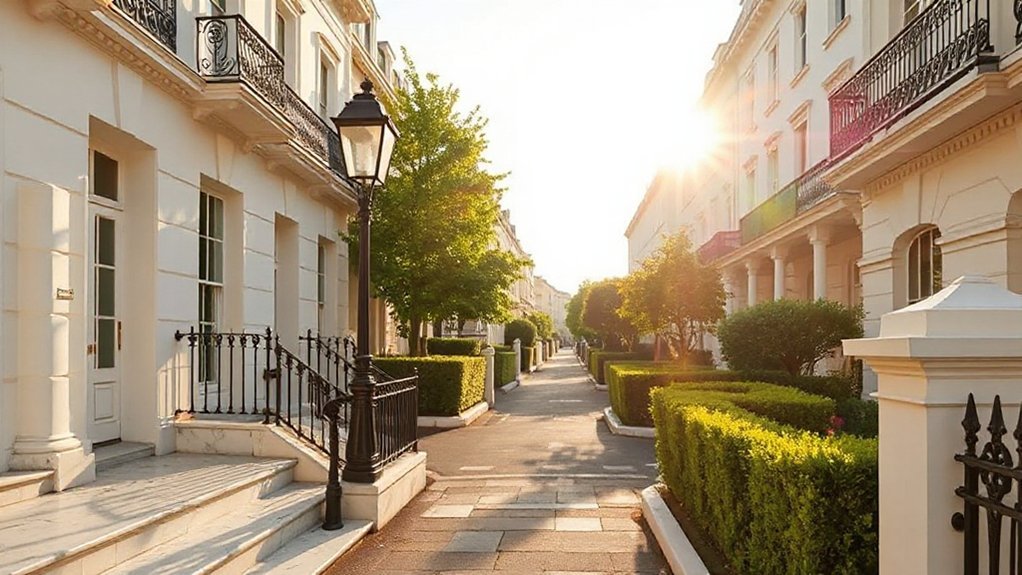
Cheltenham’s premium areas are defined by strong demand signals, asset durability, and measurable upside. You assess value through a framework that weighs location quality, capital growth trajectories, and current market momentum, then cross-checks against long-term fundamentals.
Luxury amenities drive premium pricing, as gated access, high-end finishes, and curated services translate into observable resale premiums and rental yields. You’ll note Historical significance anchors neighborhood narratives, providing resilience during cycles and predictable demand from buyers seeking pedigree.
Your framework prioritizes walkability, proximity to cultural venues, and transit access, as these factors correlate with faster price appreciation. You also quantify risk through supply constraints, zoning latitude, and developer activity, ensuring scenarios align with your risk tolerance.
Charlton Kings: Character, Schools, and Connectivity
Charlton Kings stands out for its blend of character, strong schooling options, and reliable connectivity, aligning with premium-area principles but adding a family-focused lens.
You’ll find standout state and independent options that consistently perform in league tables, with catchment maps pointing to solid outcomes for primary and secondary education.
Connectivity is practical: nearby roads, park-and-ride links, and bus routes support predictable commuting patterns into Cheltenham and beyond.
Local amenities, from supermarkets to leisure facilities, reinforce daily convenience without compromising village-like charm.
Community events sustain social cohesion, creating predictable rhythms that families can plan around.
Looking ahead, population drawcards and ongoing upgrades to transport and public spaces suggest value retention, steady demand, and attractive resale prospects in Charlton Kings.
Leckhampton: Growth Momentum and Housing Mix
Leckhampton is showing measurable growth momentum, with recent data signaling stronger supply and price resilience ahead.
As you review the housing mix evolution, expect a shift toward a balanced spectrum of family homes and higher-density options to meet demand.
We’ll track these trends monthly to refine forecasting and policy decisions that support sustainable development.
Growth Momentum in Leckhampton
What’s driving growth momentum in Leckhampton right now, and where will housing mix trends head next? You’ll see steady demand from buyers prioritizing lifestyle and access, supported by recent planning signals and sustained resale activity.
The market is tracking a modest price lift as new supply tightens, with activity concentrated around premium streets and village-adjacent corridors. Luxury developments and well-positioned terraces are attracting both families and downsizers seeking efficient layouts and quality finishes.
Estate agent insights point to continued interest from professionals commuting to Cheltenham and Gloucester, reinforcing a balanced demand profile.
On housing mix, expect gradual shifts toward renovated period homes plus newer, energy-efficient builds in key pockets, while detached properties remain resilient in price.
Overall momentum stays stable, data-driven, and forward-looking.
Housing Mix Evolution in Leckhampton
Despite a steady demand base, housing mix in Leckhampton is shifting toward renovated period homes and newer, energy-efficient builds in key pockets, with detached properties continuing to command price resilience.
You’ll notice a higher share of homes that preserve historic architecture while integrating modern systems, supported by data on energy ratings improving year over year.
Local amenities drive demand for walkable corridors, boosting appetite for smaller footprint, high-quality dwellings that pair character with efficiency.
Projection models indicate continued diversification of stock, as developers target sustainable upgrades and selective infill.
- Renovated period homes gain market share while preserving historic architecture.
- Energy-efficient designs, plus smart-home tech, attract mid-to-upper tier buyers near local amenities.
- Detached properties maintain price resilience, even as overall stock diversifies.
Pittville & The Quarters: Regency Charm Meets Modern Demand
You’ll see Regency-inspired appeal driving demand in Pittville and The Quarters, where character-packed homes meet modern expectations.
Data shows buyers prize architectural charm alongside practical upgrades and walkable amenities.
Looking ahead, sales momentum should hinge on delivering contemporary comfort without sacrificing historic integrity.
Regency-Inspired Appeal
- You’ll notice luxury amenities elevating perceived value, aligning classic styling with contemporary living.
- Historical architecture remains a magnet, supporting steady pricing even amid market shifts.
- Demand trends show quicker acceptance of renovated Regency-era homes, translating to shorter time on market and clearer selling windows.
In this submarket, buyers prioritize cohesive design that preserves period detail while ensuring practical layouts, energy efficiency, and tech readiness. You gain confidence from consistent comps and transparent data signals, guiding decisions toward properties that blend heritage with today’s expectations.
The trajectory remains positive, with predictable returns anchored by authentic character and functional improvements.
Modern Demand Drivers
Pittville and The Quarters are tapping modern demand drivers that complement Regency charm with practical appeal. You’ll see buyers gravitate toward homes offering Luxury amenities and high-performance infrastructure, signaling a shift toward experiential value.
Data shows a rising premium on wellness spaces, automated systems, and locally sourced materials, all correlating with faster absorption in prime pockets.
Developers emphasize Sustainable development, integrating energy efficiency, cycling routes, and green corridors to attract long-term ownership.
The market data also highlights demand for flexible layouts that support remote work and social niches within compact footprints.
Price momentum aligns with quality improvements, yet affordability remains a tight constraint for first-time buyers.
Looking ahead, continued policy support and targeted renovation grants could liberate further upside in Pittville and The Quarters.
Market Signals for Cheltenham: Prices, Rents, and Inventory
Cheltenham’s market signals show prices stabilizing after a brisk run, with average home values edging higher but at a slower pace than last year. You’ll notice rents steadying, keeping yields in line with recent quarters, while inventory remains balanced enough to support cautious pricing.
Here’s what to watch:
1) Prices: gradual upticks in premium segments, a tilt toward luxury apartments where demand remains resilient.
2) Rents and yields: steady rental incomes, with rental yields narrowing slightly as new stock hits the market.
3) Inventory: a modest rise in listings, but absorption stays solid in core areas, keeping velocity reasonable.
Infrastructure Upgrades: What They Mean for Lifestyles
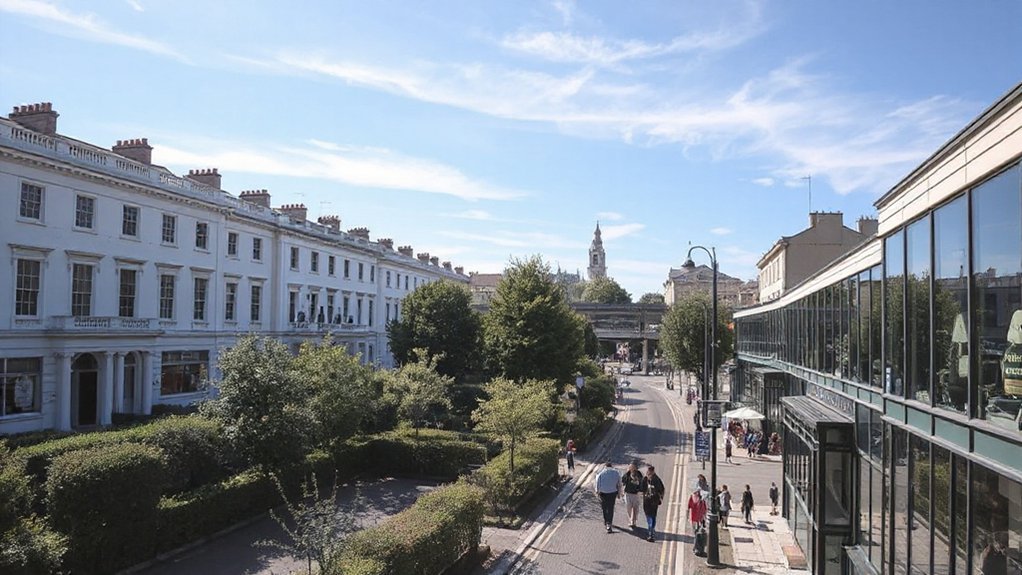
Infrastructure upgrades are shaping daily life in Cheltenham by improving travel times, boosting amenities, and expanding connectivity. You’ll notice faster commutes as new bus lanes, synchronized signals, and expanded cycle routes cut waiting periods and crowding.
Transportation enhancements aren’t just about movement; they enable you to access work, schools, and leisure with greater predictability, which sharpens daily planning.
Urban revitalization efforts prioritize mixed-use developments around stations, creating safer streets and more walkable neighborhoods, encouraging sustainable choices.
Data indicate projected reductions in congestion during peak hours and measurable increases in local footfall near new hubs.
As these upgrades mature, you’ll benefit from stronger property values, diversified services, and enhanced community cohesion, reinforcing Cheltenham’s position as a premium locale with resilient, future-oriented livability.
How to Evaluate Premium Cheltenham Areas for Investment
When evaluating premium Cheltenham areas for investment, start by mapping where demand is strongest: look at transport links, school quality, amenities, and recent redevelopment activity.
You measure potential with data on turnover, rental yields, and price per square foot, then factor in prestige and resilience during market shifts.
Focus on areas with consistent demand signals, multiple exits for tenants, and strong planning of future growth.
1) Compare occupancy rates and yield trajectories across districts to identify outperformers.
2) Assess luxury amenities and historical significance that attract premium tenants and sustain long-term value.
3) Evaluate future-proofing through transport upgrades, school performance trends, and developer activity.
Use these insights to forecast return profiles and risk-adjusted upside.
Frequently Asked Questions
How Do Demographic Shifts Affect Cheltenham Premium-Area Demand?
Demographic migration shifts demand toward premium areas as younger professionals and newer families seek central access and lifestyle amenities; lifestyle preferences drive higher price points. You’ll see demand tighten, with ongoing diversification in housing types and investment-paced cycles.
What Hidden Costs Accompany Premium Cheltenham Properties?
Hidden costs for premium Cheltenham properties include ongoing maintenance fees and potential spikes in luxury renovations costs. You’ll want to budget for maintenance fees and plan for luxury renovations, driven by data and forward-looking cost projections.
Which Off-Market Listings Drive Cheltenham Premium Pricing?
You uncover off-market listings that command premium pricing, driven by Luxury amenities and Exclusive neighborhoods. You’ll see data shows scarcity, upscale schools, and privacy, fueling continued demand and price acceleration in Cheltenham’s top-tier segments.
How Do Seasonal Trends Influence Cheltenham Investment Timing?
Seasonal fluctuations typically cue you to start earlier in spring and late summer when demand spikes, aligning with market cycles that peak in Q2 and dip in winter. You’ll time investments to capitalize on observable, data-driven cycles.
What Resale Triggers Maximize Cheltenham Capital Gains?
Resale triggers that maximize Cheltenham capital gains occur when you time upgrades to capitalize on luxury amenities and mitigate market volatility, ensuring your sale aligns with rising demand, improved cash flows, and data-driven projections indicating sustained price momentum.
Conclusion
You’re investing where Cheltenham’s premium areas show resilience, with Charlton Kings, Leckhampton, and Pittville delivering steady demand and compelling rental yields. One striking stat: premium property in these zones has outperformed broader markets by up to 6–8% annually over the past three years. Look ahead: infrastructure gains, sustainable development, and school quality will further lift prices and occupancy. Use demand signals, inventory shifts, and lifestyle upgrades to target high-value opportunities with confidence.
About the Author