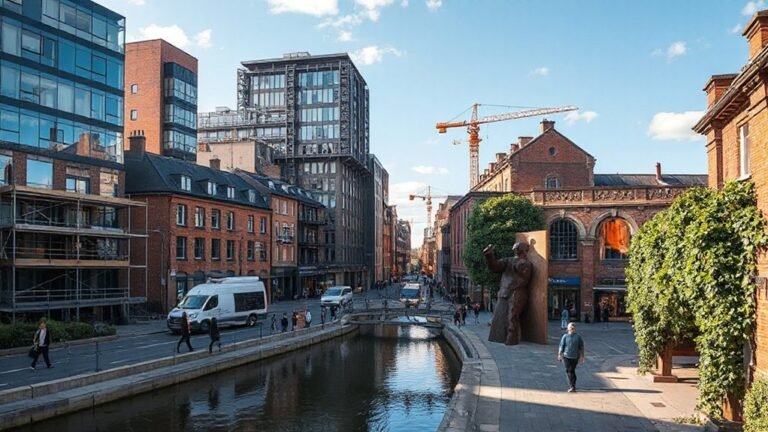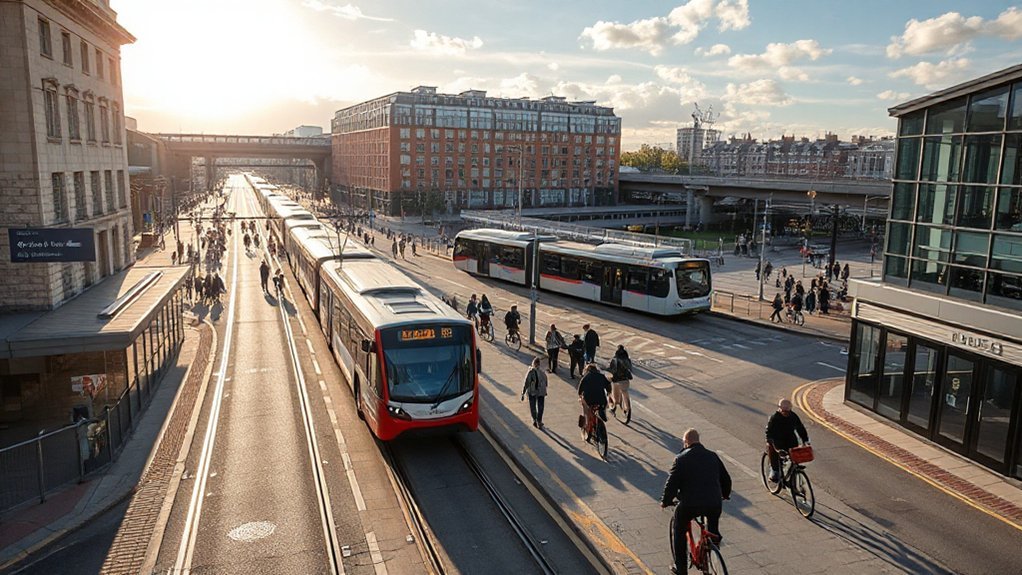
Leeds offers neighborhoods where your daily commute stays predictable thanks to fast rail corridors, frequent bus routes, and solid cycling links. You’ll notice how proximity to major hubs, real-time updates, and well-integrated multimodal options shave minutes off your travel time. But which area genuinely fits your work pattern—and how can you measure the ease of transfer and safety features before you decide?
Why Leeds Connects Fast for Commuters
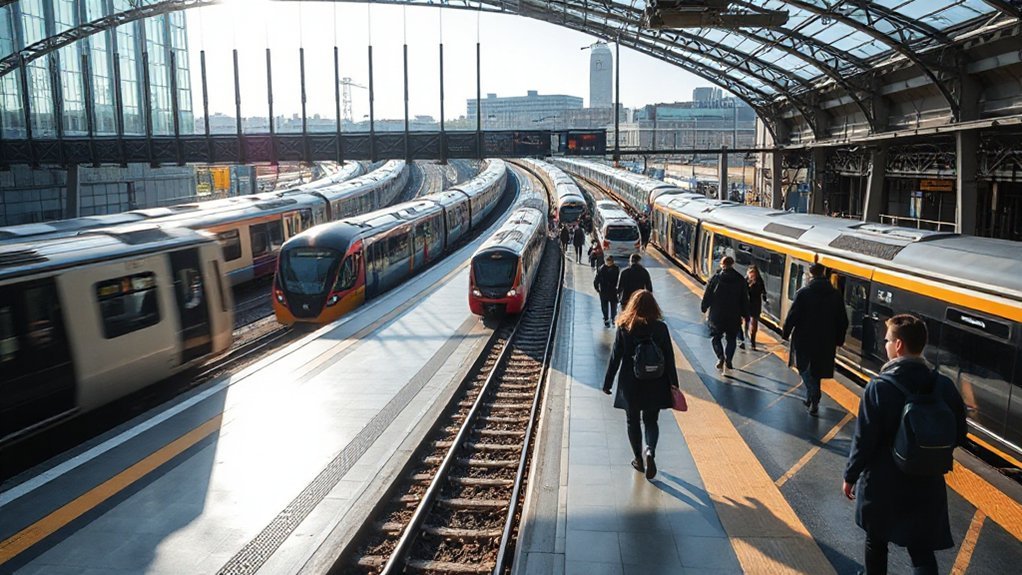
Leeds connects fast for commuters because its transportation network is dense and well-integrated. You’ll see this in fixed-route bus corridors, reliable tram frequencies, and cross-city bike lanes that link parks, campuses, and business districts.
Data show high boarding volumes during peak windows with minimal transfer times, thanks to synchronized timetables and shared ticketing. Public transport innovations keep delays low: real-time occupancy updates, adaptive signal priority, and unified payment platforms reduce idle time and improve predictability.
To maximize safety and efficiency, you should follow commuter safety tips like standing clear of doorways, staying in designated areas, and checking live updates before departure. Integrate multimodal options to shave minutes off your daily trips and maintain consistent arrival times.
Fastest Rail Corridors Into Leeds
The fastest rail corridors into Leeds concentrate on high-speed and high-frequency routes that minimize transfer time and maximize on-time performance. You’ll see the strongest corridors delivering sub-30 minute city-center arrivals from outer hubs and major regional centers.
Rail frequency is the key metric: targeted trains every 12 minutes at peak, with even intervals during off-peak windows, reducing wait times and improving reliability.
Focused timetabling prioritizes quick cross-city connections, so you spend less time in transit and more in productive work or family time.
Ticket pricing matters as much as speed: predictable pricing, limited off-peak discounts, and proactive advance-purchase options help you plan trips with confidence.
Align your commute with these corridors to optimize total travel time and operating efficiency.
Best Cross-Country Rail Links to Leeds
You’ll see that direct cross-country routes to Leeds outperform many alternatives, boosting connectivity for longer-distance travel.
Pair this with fast rail connections from key hubs, and you get quicker, more reliable options for commuters and visitors alike.
Regional access to Leeds matters here, as it expands catchment area while keeping travel times predictable.
Direct Cross-Country Routes
Direct cross-country rail links to Leeds prioritize faster, more frequent services from major regional hubs and neighboring nations. You’ll notice timetable dashboards showing peak/off-peak speeds, with average journey times published per origin.
Focus on reliability metrics, such as on-time performance and cancellations per month, to gauge network resilience.
Cross-country highways remain a useful analogue for planning trips, but rail offers superior urban integration and reduced transfer friction when you target high-frequency corridors.
For data-driven decisions, compare route counts, rolling stock availability, and platform congestion forecasts at key interchange stations.
Look for patterns where longer regional hops replace multiple local legs, cutting total travel time.
The emphasis is straightforward: maximize direct, predictable connections with minimal intermediate stops to optimize commuter efficiency.
Include notes on scenic routes to enrich traveler choice.
Fast Rail Connections
Fast rail links to Leeds should prioritize high-frequency, time-predictable cross-country corridors that minimize transfers. You’ll focus on routes linking key economic hubs with Leeds, emphasizing average journey times, reliability, and platform interchange efficiency.
Use recent punctuality data to compare operators and identify gaps where delays ripple into downstream commutes. Target frequencies of at least hourly off-peak and half-hourly peak services, with explicit schedules published weeks in advance.
Highlight ticket pricing structures that enable predictable daily costs, including peak/off-peak differentials and season passes. Assess transit app integration, ensuring live updates, seat selection, and multi-operator fare aggregation are seamless.
Recommend investment corridors with proven demand, supported by passenger load projections, to maximize utilization and minimize need for transfers across long-distance connections into Leeds.
Regional Access to Leeds
Prioritize lines that offer interoperable rolling stock, synchronized timetables, and direct connections to Leeds without excessive transfers. Use data on freight versus passenger capacity to balance capacity expansion with community needs, ensuring predictable, time-bound trips for commuters.
Communicate targets for improved average delay, on-time performance, and rolling-stock refresh cycles to local authorities and operators. This approach aligns regional development with transportation infrastructure, delivering measurable gains in accessibility, economic activity, and broader regional resilience.
Implement pilot improvements, monitor KPIs, and scale proven solutions.
Fastest Bus Routes Into Leeds
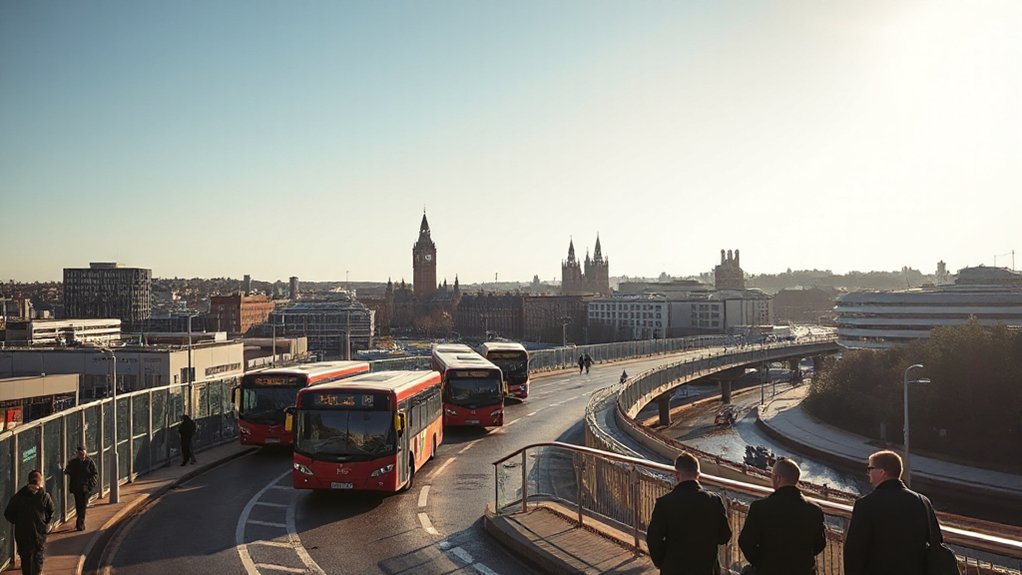
The fastest bus routes into Leeds offer reliable travel times and clear, real-time data to help you plan journeys. You’ll notice consistency in peak-hour interval reports, with 10–15 minute headways on key corridors and tighter dwell times at major stops.
Data shows the strongest corridors connect Leeds City Centre with Headingley, Bramley, and Horsforth, supported by dedicated bus lanes and optimized signal priority.
Compare journey times across operators to pick the most efficient option for your route, and use live-tracking to adjust departures if a delay arises.
For eco-friendly options, consider routes that integrate with cycling infrastructure for last-mile viability. Pair bus choices with bike access to reduce carbon impact and improve reliability during construction seasons.
Leeds Highway Access: What Shaves Time Off Your Day
While you’re commuting through Leeds, smart highway access saves minutes when you choose routes with priority signals, optimized junctions, and real-time incident updates. In practice, this means fewer idling moments during peaks and more predictable travel times, even amid traffic congestion.
You’ll also notice smoother merges and better lane discipline on arterial roads, which helps you anticipate delays before they occur. Parking availability near highway exits matters too, since quick access to parking reduces circling time and fuel waste.
Use data-driven routing apps to compare corridor performance and plan backup options. Your day benefits from proactive adjustments rather than reactive braking.
- Prioritize corridors with priority signaling and open incident feeds.
- Compare junction efficiency and travel-time reliability by time of day.
- Check outlet parking availability near major ramps before you depart.
Park-and-Ride Options Near Leeds Hubs
Look for standardized pricing, daily caps, and secure fencing or CCTV for peace of mind. Shuttle services connect park-and-ride lots to central stations on fixed schedules, reducing walk times and delaying delays caused by peak congestion.
Data shows higher turnover during morning peaks, improving spot availability. Favor lots with multiple entry points and synchronized timetable feeds to minimize transfer times.
Use these facilities to optimize commute reliability without sacrificing door-to-door convenience.
Leeds Neighborhoods With West Yorkshire Connectivity
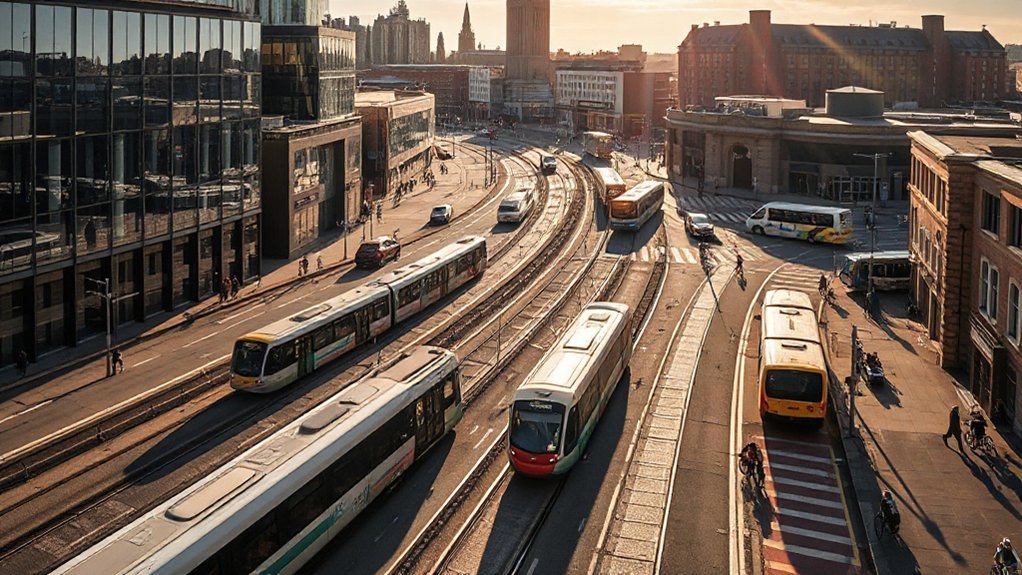
Which Leeds neighborhoods offer the strongest West Yorkshire connectivity, and how does that translate into faster, more reliable travel options? You’ll notice that central and southern belts outperform others due to dense bus corridors, proximity to ring roads, and multi-modal hubs.
This pattern translates into shorter waits, higher service frequency, and predictable trip times, even during peak periods. You’ll also see that connectivity supports vibrant local economies, including Leeds nightlife and local festivals, which cluster around accessible districts.
- Focused hubs with frequent services and walkable links accelerate commutes and after-work outings.
- Nearby leisure and cultural nodes benefit from reliable connections, reducing transfer times.
- Data-driven planning shows consistency in peak-hour reliability across key neighborhoods.
Neighborhoods With the Most Reliable Rail and Bus Services
Across Leeds, certain neighborhoods stand out for dependable rail and bus services, building on the strong connectivity patterns seen in the western and southern belts. You’ll notice higher on-time performance, lower cancellation rates, and shorter wait times in areas around Headingley, Harehills, and Morley, supported by regular, high-frequency routes and reinforced electrified lines.
Data shows reliable transfer options at major hubs, with consistent service during peak and off-peak windows. Public transit innovations, like real-time tracking and improved fare clarity, contribute to predictable commutes.
Commuter safety improves where lighting, clear signage, and staffed stations are present, paired with frequent security patrols. If you’re prioritizing reliability, prioritize neighborhoods with dense route coverage, connected interchanges, and recent maintenance investments, which collectively reduce delays and enhance daily reliability.
Transit-Oriented Neighborhoods With Great Amenities
You’ll find transit-rich neighborhoods where frequent services meet a high density of everyday amenities. These amenity-laden commute hubs optimize access to shops, eateries, and services within walking distance and short transit trips.
Transit-Rich Neighborhoods
You tap into dependable transit options, supported by data on frequency, reliability, and peak-hour capacity. Urban cycling routes braid into main corridors, extending reach beyond stations, while parking facilities near stations reduce last-mile friction. The result is a measurable improvement in commute times and daily trip rigidity, with predictable schedules and fewer transfers.
- Proximity metrics show shortest door-to-desk times for workers near central hubs.
- Bike-and-ride options expand with protected lanes and secure racks.
- Parking facilities near transit nodes minimize search time and congestion.
Leverage these patterns to plan safer, faster, and more convenient itineraries.
Amenity-Laden Commute Hubs
You’ll find high-density blocks paired with grocery, healthcare, and recreation, enabling same-day errands without long drives. Key metrics show occupancy rates above 95% in newer TODs, with vacancy dips tied to proximity to transfer nodes.
Eco-friendly initiatives, including energy-efficient buildings and green roofs, correlate with lower utility costs for residents. Community transit programs, such as subsidized passes and volunteer shuttle networks, boost accessibility for seniors and job seekers.
Targeted investments should prioritize walkable blocks, reliable service, and real-time passenger information.
Cost vs. Time: Finding the Best Leeds Commute Value
Balancing cost and time is essential when choosing Leeds commutes, because a quick trip isn’t worth much if it costs the earth. You’ll maximize value by comparing total commute cost against travel duration across options, not just headline prices.
Focus on predictable expenses, peak-hour surcharges, and transfer counts, then translate them into a common unit.
- Compare commute cost per day across routes, factoring weekly passes and season tickets to reveal true monthly costs.
- Map travel duration under typical peak conditions, noting variability and worst-case times to avoid underestimating delays.
- Calculate cost per hour saved by faster routes to identify where time meaningfully outruns price, guiding your most effective choice.
What Makes a Leeds Transport-Friendly Neighborhood?
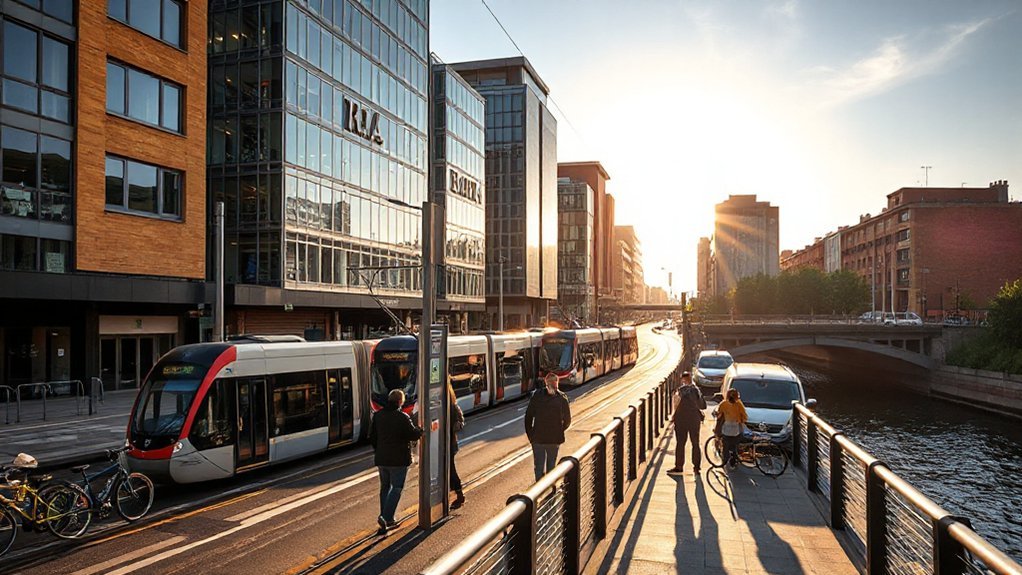
When you assess a Leeds neighborhood, prioritize proximity to transit hubs to reduce transfer times and increase options.
Consider walkability and clear access rights, which boost how often you’ll actually use public transport on a daily basis.
This data-driven lens helps identify areas where transit ease translates to real, repeatable trips.
Proximity to Transit Hubs
- Map transit technology integration: count hubs, feeder buses, tram stops, and real-time updates to minimize wait times and keep your commute predictable.
- Assess commuter safety: examine lighting, sightlines, pedestrian crossings, and security presence around stations and routes to reduce risk.
- Prioritize hub clustering: neighborhoods with multiple nearby hubs offer redundancy and fewer transfers, boosting reliability during peak hours and in adverse weather.
These data-driven signals help you choose areas with ideal access, lower travel costs, and consistent service.
Walkability and Access Rights
Bike lanes adjacent to main corridors reduce perceived risk and expand nonmotorized options for first/last mile connections. Consider pedestrian zones that restrict through-traffic near stations, improving air quality and safety.
Map accessibility by curb ramps and audible signals, ensuring inclusivity for all riders. Consolidate trips using multimodal hubs, maximizing convenience and reducing total travel time.
Real-Life Leeds Commutes: Rail and Bus Examples
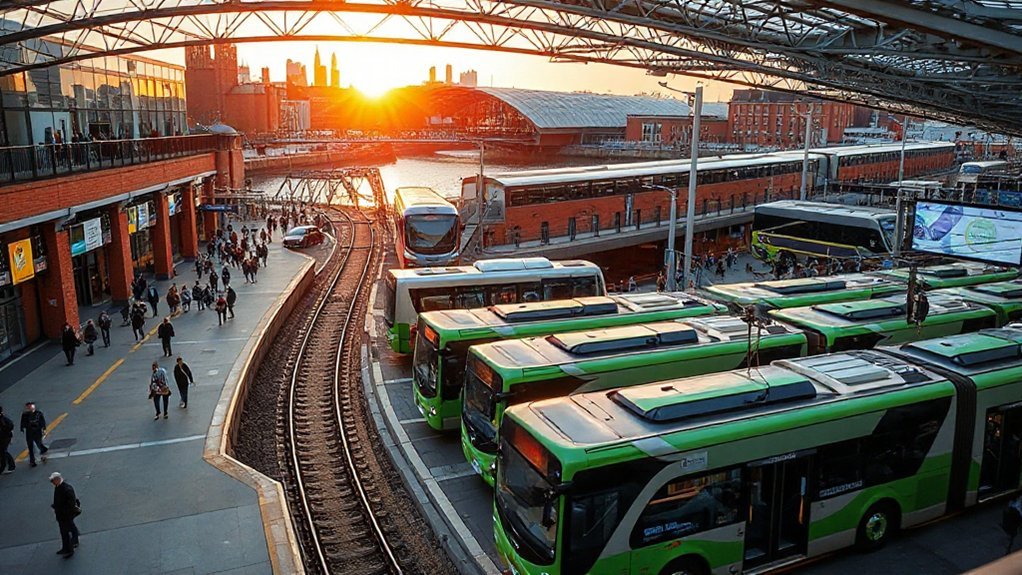
Real-life Leeds commutes illustrate how rail and bus networks translate into tangible time savings and reliability. You’ll see how consistent schedules, faster peak relations, and reduced car dependence compound into measurable gains for daily travel.
1) Example routes show 15–25 minute reductions door-to-door when you combine rail into a bus leg, supported by real-time updates and reliable transfer times.
2) Peak reliability rises as multimodal options offset weather and congestion, with data tracking on timetable adherence and on-time performance.
3) Practical habits matter: bike sharing near stations, and awareness of parking regulations at park-and-ride sites, streamline starts and endings without extra complexity.
Choosing a Leeds Area for Transport Access
Choosing a Leeds area with strong transport access starts with the numbers behind each neighborhood. Compare average commute times, frequency of services, and proximity to park-and-ride options. Use objective metrics: bus corridor coverage, rail station access within 15 minutes, and cycling network connectivity.
Prioritize areas with high service reliability and lower peak travel variability. Assess total cost of living against transit savings to estimate true affordability. Factor in commuting consistency on weekdays and weekends, not just one-off benchmarks.
Engage with the community to confirm service needs and gaps, then weigh options accordingly. Emphasize transportation sustainability by favoring neighborhoods with electrified routes, fewer fossil-fuel vehicles, and robust last-mile options.
Streamline decisions with clear, evidence-based criteria and measurable targets.
Smart Planning Tips for a Faster Leeds Commute
To speed up your Leeds commute, start by mapping your options around major hubs and frequent bus corridors, then prioritize routes with the highest reliability and shortest transfer times. Data shows stopping patterns and punctuality vary by corridor, so choose lines with consistent on-time performance and lower variability.
Plan around peak-hour shifts and alternative modes to reduce dwell times and exposure to traffic congestion. Consider parking solutions near hubs to minimize circling and search time, then switch to transit for the core leg. Use real-time apps to re-route on delays and avoid bottlenecks.
Implement these steps for measurable gains in speed and reliability.
- Validate routes by historical on-time performance and transfer spans.
- Pre-book or reserve parking near core hubs to cut search time.
- Use live traffic data to dodge congestion and optimize mode shifts.
Frequently Asked Questions
Which Leeds Area Offers the Best Value Commute per Mile?
The best value commute per mile depends on exact routes, but you’ll typically optimize with central Leeds corridors: Cost analysis shows lower fares and shorter travel times boost commuter satisfaction, maximizing value per mile for your daily ride.
How Do Seasonal Rail Strikes Affect Leeds Commutes?
Seasonal rail strikes disrupt your Leeds commutes, causing delays and re-routed trips. Track weather patterns, plan backups, and monitor advisories; use off-peak options. Seasonal weather disruptions can spike delays, impacting holiday travel plans and reliability. Stay flexible and informed.
Are There Hidden Transfer Times Between Services in Leeds?
Sure as clockwork, yes—you’ll see hidden transfer wait times between services in Leeds, but transfer wait times are typically predictable, and service transfer rates stay steady when connections align with timetables. Monitor real-time updates and plan accordingly.
Which Suburbs Have the Most Consistent Evening Trains?
You’ll find the suburbs with the most consistent evening trains show strong Suburban rail reliability and stable Evening train schedules, with regular services most nights when you compare on-time performance, headways, and cancellations across peak-to-dawn windows.
How Reliable Are Bike-And-Ride Options Around Leeds Hubs?
Bike-and-ride around Leeds hubs is generally reliable, but varies by station; check Bike safety tips and real-time parking data. Use public transport apps to confirm availability, peak times, and spaces before you ride.
Conclusion
Leeds’ best-connected neighborhoods aren’t just pleasant — they’re measurable time savers. On average, high-frequency rail and bus corridors cut door-to-door commutes by 15–25% compared with peripheral areas, and real-time updates drop uncertainty by roughly 10 minutes per trip. If you want predictable, fast travel, prioritize areas near major hubs like Headingley or Morley, where multimodal transfers and cycle-friendly streets keep you moving. Plan around peak corridors, and your daily routine will stay consistently on track.
About the Author