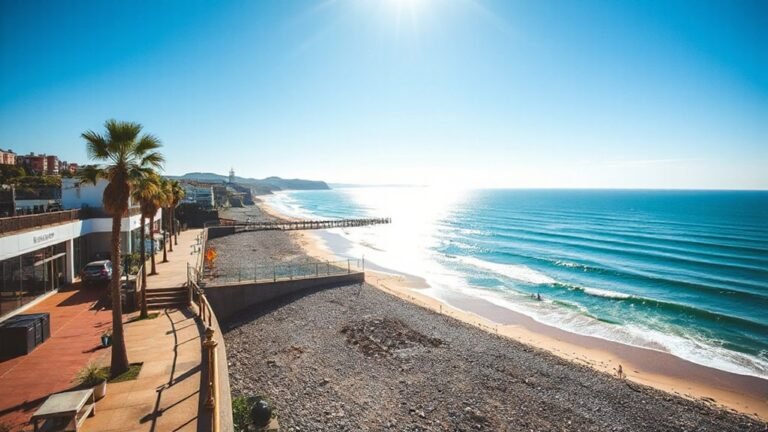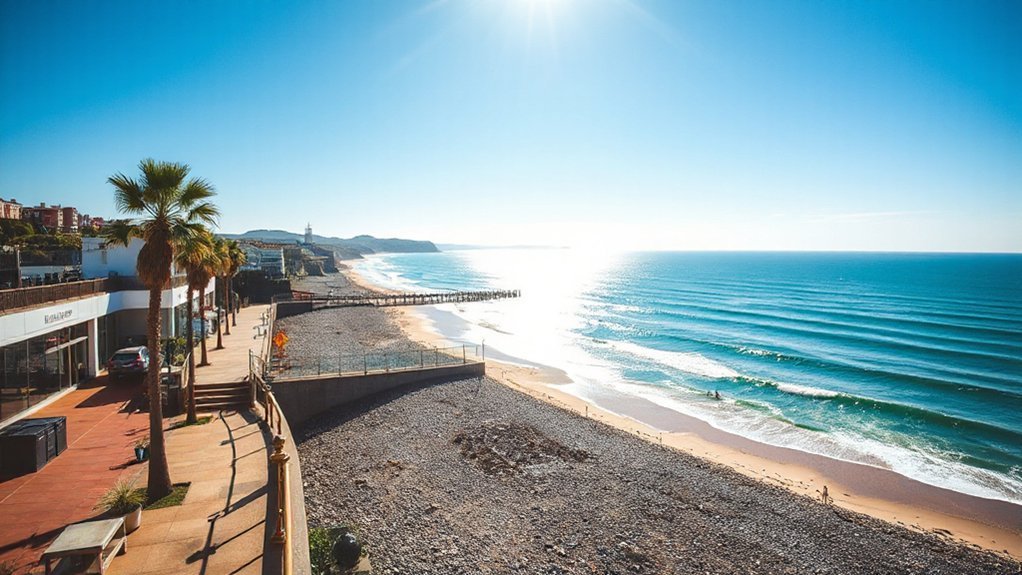
You’ll want to map Bournemouth’s high-demand pockets—East Cliff, Central Seafront, the Town Centre, Boscombe, Christchurch Road, and Southbourne—because each area signals distinct pull: stable rents and views on the cliffs, quick access and festival-driven spikes, city-plus-sea living, a growing arts scene with solid occupancy, practical family-friendly appeal, and steady amenity access. The pattern isn’t uniform, though, and the next data point could tilt where demand clusters next.
Why Bournemouth Coastal Living Draws Buyers and Renters

Heat from the coast isn’t just about views—it’s about value. You’ll see buyers and renters gravitate to Bournemouth where data shows solid returns, stable occupancy, and growing demand for premium access.
Oceanfront amenities drive premium rents and faster closings, with nearby parks, easy beach access, and intuitive transport boosting appeal.
Market trends indicate a premium for neighborhoods near clifftop promenades and protected shorelines, where condo and townhouse options outperform inland equivalents on resale velocity.
Coastal preservation signals long-term viability, attracting risk-conscious investors who seek resilient asset classes.
You benefit from transparency: forecasted price growth, rent per square foot, and vacancy rates support confident, evidence-based decisions.
In short, coastal lifestyle, tangible incentives, and responsible development combine to sustain sustained demand.
East Cliff vs Central Seafront: Which Coast Suits You
East Cliff and Central Seafront each offer distinct coastal living profiles, so your choice hinges on priorities like view premium, accessibility, and long-term value.
If you want panoramic cliffs and high baseline demand, East Cliff typically commands stronger resale momentum and steadier rental yields, supported by premium views and limited supply.
Central Seafront, by contrast, delivers heightened accessibility, shorter commutes, and stronger short-term demand during Seaside festivals, though prices may plateau relative to cliffside premiums.
Data shows similar long-term appreciation trends, but with different risk profiles: East Cliff excels in capital stability, Central Seafront in liquidity and lifestyle appeal.
Coastal wildlife access is comparable, while proximity to Seaside festivals enhances seasonal occupancy and attractor branding for both.
Bournemouth Town Centre: Sea Views and City-Accessible Living
Bournemouth Town Centre blends sea views with unbeatable city access, making it a hotspot for both sustained rental demand and rapid, festival-driven turnover. You’ll notice high lease yields from short- and mid-term stays, supported by robust influxes during events and conferences.
Urban renewal initiatives are reshaping core blocks, boosting pedestrian access, and upgrading mixed-use spaces, which tightens vacancy risk and elevates capitalization rates.
Rent growth tracks population inflow and international visitor momentum, with demand strongest near transport hubs, amenities, and shoreline promenades. Cultural hotspots anchor evening economies, sustaining evenings and weekends.
Market data shows stable occupancy even off-peak, while development pipelines promise enhanced add-on services and better storm-surge resilience. You should monitor planning updates, tourism cycles, and infrastructure upgrades to time-entry investments for maximum returns.
Boscombe’s Coastal Charm and Market Demand
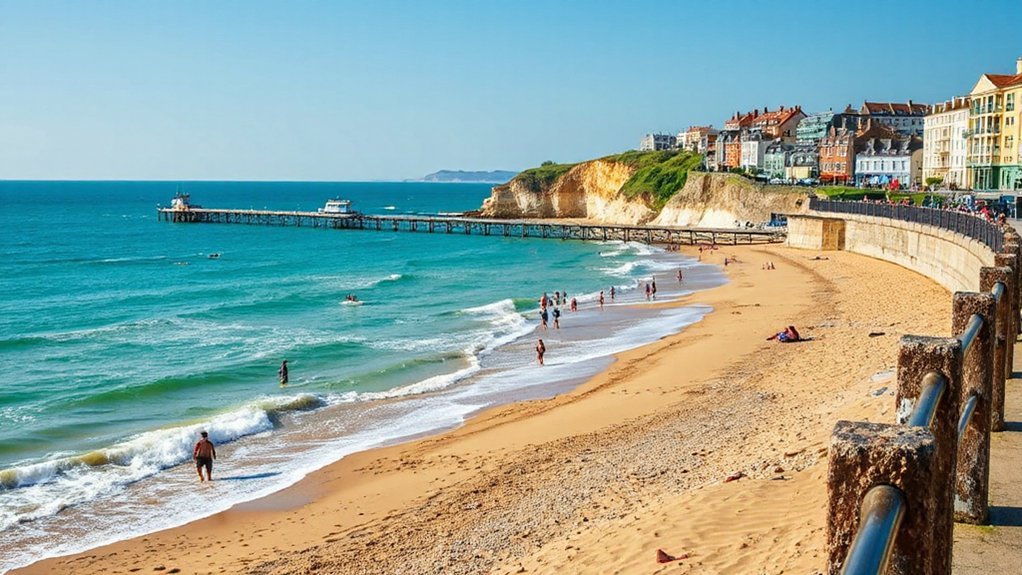
Boscombe’s coastal appeal is powered by a steady uplift in demand signals and value drivers that you can track month to month.
The Coastal Market Pulse shows improving occupancy rates, with price momentum and rental yield edging higher as amenities and transport links strengthen.
You’ll want to watch how Boscombe’s unique charm translates into sustained buyer interest and premium valuations over the next quarters.
Coastal Market Pulse
Recent data shows price resilience and steady rental yields despite seasonal fluctuations. You’ll see prices stabilizing as demand concentrates around coastal architecture that blends historic style with modern efficiency, boosting appeal for long-term occupancy and investment.
Rental yields remain steady even through peak tourism swings, supported by consistent occupancy rates and a client base prioritizing proximity to eateries, galleries, and green spaces.
Seaside festivals amplify foot traffic and micro-market vibrancy, reinforcing value in spring-to-autumn windows.
Fundamentally, market momentum hinges on accessible shoreline living, curated amenities, and a resilient, data-backed performance trajectory.
Boscombe Value Drivers
While proximity to the shore fuels demand, Boscombe’s value driver mix goes deeper: walkable amenities, a thriving arts scene, and ongoing investments in transit-accessible, energy-efficient coastal homes keep prices resilient and rents steady even through seasonal swings.
You’ll notice a tight linkage between demand and supply: compact density supports high footfall, while preserved public spaces sustain daytime and evening activity.
Data show growing renter share and stable cap rates, driven by ongoing regeneration.
Market momentum hinges on coastal conservation and marine biodiversity efforts, which protect shoreline appeal and long-term asset quality.
Investment in wave-sheltered infrastructure, energy retrofits, and pedestrian-friendly corridors reduces operating costs and accelerates value appreciation, even amid seasonal volatility.
Boscombe remains a disciplined, trend-aware coastal micro-market.
Christchurch Road Corridor: Near Sand, Shops, and Amenities
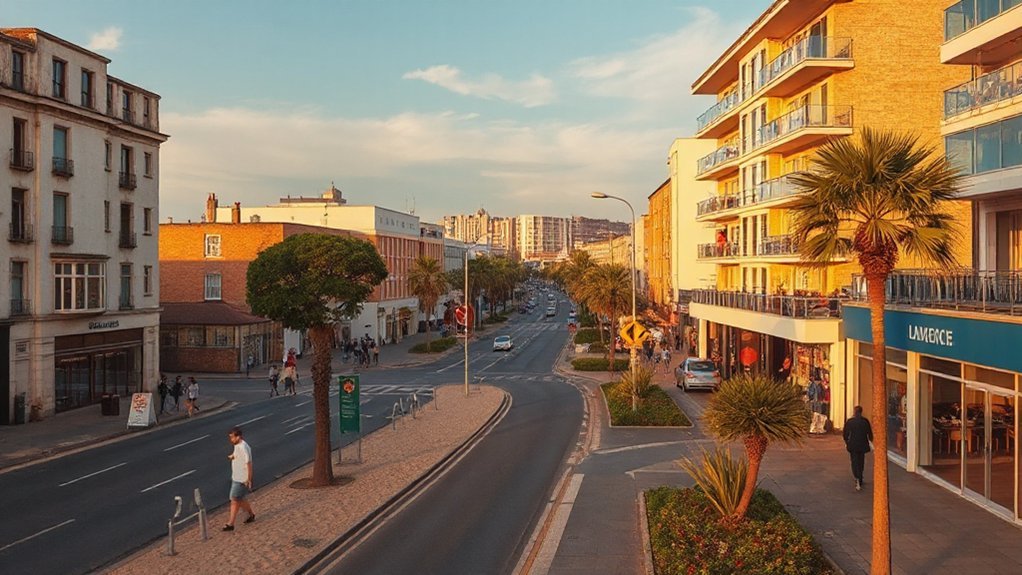
The Christchurch Road Corridor stands out for coastal living with immediate access to Sandbanks Beach, a broad mix of shops, and essential amenities, making it a practical choice for buyers prioritizing convenience and lifestyle. You’ll notice demand driven by a balanced mix of residential value and short commutes to key employment hubs.
With price momentum tracking nearby coastal projects and redevelopment plans, market signals show steady rental yields and rising absorption rates. Investors are seeking resilient coastal strategies, which contributes to the ongoing demand.
Savvy buyers weigh infrastructure upgrades, including road access and cycle routes, against ongoing Beachfront development ambitions. Coastal conservation considerations remain present in planning debates, shaping density, green space, and flood resilience.
The corridor trends toward premium, lifestyle-forward housing near amenities, sustaining appetite for coastal living.
Southbourne: Quiet, Family-Friendly Coastal Living
Southbourne offers a quiet beach vibe you’ll notice in calmer streets and a steadier summer rhythm. You’ll find family-friendly amenities nearby, plus safe, calm streets that support easy daily routines.
This mix aligns with current demand trends toward low-noise coastal living with practical conveniences.
Quiet Beach Vibe
Southbourne’s quiet beach vibe appeals to families seeking low-key coastal living, with steady demand driven by safe, walkable neighborhoods, accessible parks, and gentle surf seasons. You’ll notice beachfront serenity as a recurring theme in market notes, signaling sustained appeal beyond peak summers.
The data shows consistent rent-to-sale conversions during shoulder months, supported by a modest but resilient price trajectory for single-family and duplex options. You’re balancing proximity to the esplanade with inland buffers, preserving a quiet neighborhood feel while still capturing coastal access.
Seasonal occupancy trends favor longer stays among families prioritizing school-year stability. Sales velocity remains steady, with buyers valuing low-density streets and predictable maintenance costs.
In short, the vibe attracts long-horizon buyers prioritizing consistency over splashy renovation cycles.
Family-Friendly Amenities Nearby
What amenities in the area support family-friendly coastal living, and how do they translate into demand in Southbourne? You’ll see a tight correlation between accessible services and buyer interest.
Local school options directly influence resale value and rental appeal, making distance to primary and secondary campuses a key scoring metric for families relocating or upgrading.
Outdoor recreational activities, from safe coastal paths to playgrounds and green spaces, boost daytime footfall and weekend occupancy for nearby shops, cafes, and childcare hubs.
Market signals show steady upticks in family-friendly inventories and longer listing recoveries after holidays, underscoring resilience in demand.
In Southbourne, this blend of education access and outdoor appeal creates a cohesive lifestyle narrative that buyers actively seek in coastal living.
Safe, Calm Streets
Calm, low-traffic streets are a hallmark of Southbourne’s coastal appeal, where residents prioritize safe routes for walking, biking, and school runs. You’ll notice proven patterns in street layouts that support neighborhood safety, lower speeds, and enhanced perceived street tranquility, aligning with buyers’ appetite for stable, long-term value.
Data shows steady demand from families and professionals seeking predictable commutes and quieter evenings, reinforcing Southbourne’s market position. Trends indicate continued investment in pedestrian crossings and traffic calming, boosting accessibility without sacrificing coastal access.
You benefit from a proven safety profile that supports higher occupancy rates and resale confidence, especially where schools and parks are nearby.
- Low-traffic corridors correlate with higher neighborhood safety ratings
- Enhanced crosswalks and calm streets attract family buyers
- Consistent demand for tranquil, walkable coastal living
- Market resilience tied to street tranquility and accessibility
Luxury Coastal Pockets: Sandbanks and Alum Chine Explained
Sandbanks and Alum Chine stand out as Bournemouth’s premium coastal pockets, where provenance, pace, and price converge. You’ll notice luxury estates anchor the market, with seawater views and expansive plots driving higher valuation and resilience in demand.
Seaside exclusivity fuels both sentiment and liquidity, supporting premium offers even in slower cycles. Data shows Sandbanks consistently commands top price-per-square-foot, while Alum Chine benefits from steady turnover and evolving amenities that preserve long-term growth.
Inventory remains tight in both areas, narrowing buyer choice and compressing time-on-market for standout homes. Market signals point to continued prestige concentration, supported by infrastructure, private schools nearby, and a robust demand pipeline from regional and corporate buyers seeking secure coastal cash flow.
In short, these pockets outperform on price, speed, and brand appeal.
Rents by Area: Where Rents Are Rising Fastest
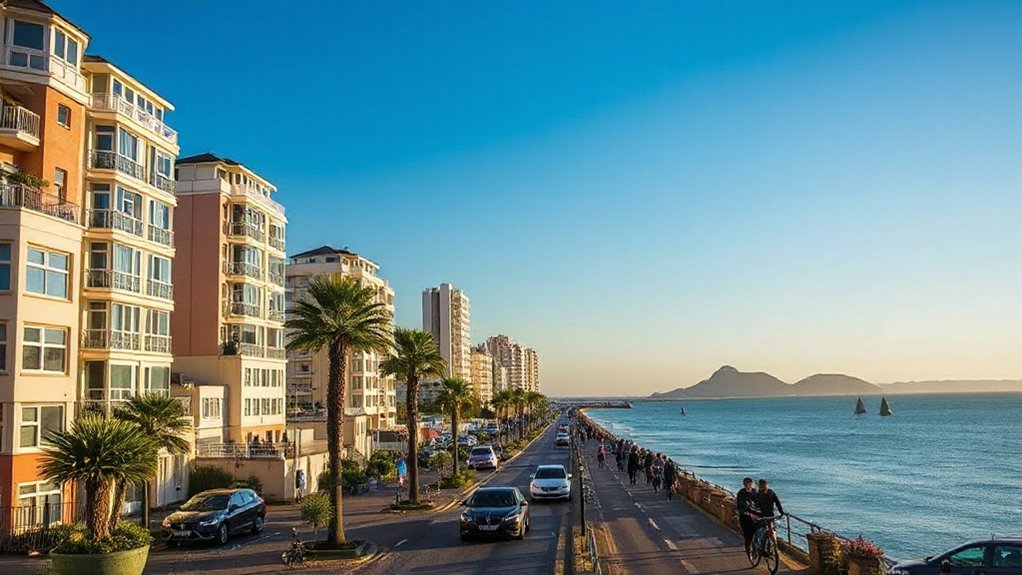
Across Bournemouth, rent growth isn’t uniform—certain coastal pockets are outpacing the rest as demand tightens and supply remains constrained. You’ll notice rents rise fastest where rental demand is strongest, driven by proximity to beaches, transit, and amenities.
Data shows monthly increases outpacing broader city averages, with compact, high-service areas posting the steepest jumps. Affordability gaps widen even as occupancy remains high, signaling sustained demand pressure.
In areas with specialized appeal, landlords adjust pricing quickly, while newer stock sometimes lags behind inflating expectations. You should monitor vacancy durations and lease terms to gauge market tilt.
Expect continued dispersion in rental trajectories as shifts in tourism, commuting, and lifestyle preferences reshape where you live.
- Rent affordability trends by neighborhood
- Rental demand indicators you should watch
- Areas with fastest price-per-bedroom growth
- How vacancy and turnover influence rents
Price Trends by Area: What Buyers Pay for Coastal Access
Prices rise where coastal access is prized, but the pace varies by area as buyers chase proximity to beaches, transit, and amenities. In this snapshot, you’ll see price trends keyed to access: some bayside pockets show steady appreciation, while others exhibit sharper upticks during summer corridors.
Price fluctuation across Bournemouth’s coastlines tracks seasonal demand, with peak-month activity often aligning to school holidays and event calendars. You’ll notice higher price bands near major stations and promenades, signaling liquidity and resale speed.
Across districts, certain neighborhoods emerge as investment hotspots, drawing buyers seeking reliable yield alongside lifestyle appeal. The pattern suggests a market where marginal access, even incremental, yields outsized impact on values.
Track shifts quarterly to catch emerging hotspots before the curve widens.
The Value Levers: Access, Views, and Amenities That Matter
Access, views, and amenities are the levers that move values along Bournemouth’s coast, and the data show how each factor weighs on buyer behavior. You’ll find that proximity to the shore and elevated sightlines drive premium pricing, while curated amenities elevate days on market.
Luxury retreats command higher per-square-foot values, signaling durable demand even in quieter seasons. Investment opportunities cluster where access, scenery, and services align, showing stronger resale trajectories and rental yield.
In short, this triad creates tangible value asymmetries that savvy buyers exploit.
- Access proximity and ease of transit shape premium valuations
- Vantage points and uninterrupted views lift marketability
- On-site amenities correlate with faster absorption and better yields
- Luxury retreats anchor long-term appreciation and consumer confidence
How to Pick Your Bournemouth Coastal Micro-Market

To pick your Bournemouth coastal micro-market, start by aligning your goals with the data: proximity to the shore, unobstructed views, and the strength of on-site amenities consistently drive faster absorption and stronger yields.
You’ll want to map micro-market trends: which pockets show steady rental demand, inventory turnover, and price resilience during seasonal swings. Pay attention to buyer preferences around transport links, local dining, and conservation zoning that preserves appeal.
Compare absorption rates across sub-areas after peak season shifts, then cross-check with vacancy cycles and price-per-square-foot momentum. Prioritize micro-markets with rising comp activity, transparent pricing, and predictable capital appreciation.
Use this lens to forecast yields, risk, and liquidity, ensuring your selection aligns with data-driven, market-aware, trend-focused expectations.
Frequently Asked Questions
Which Bournemouth Area Offers Best Mix of Price and Sea View?
You’ll find the best price and sea view mix in central Bournemouth, where luxury amenities and historical significance drive steady demand, signaling solid value, rising rents, and resilient resale potential for trend-focused buyers like you.
How Does Proximity to Beaches Affect Rental Yields?
Proximity to beaches boosts rental yields: you’ll attract short-term renters seeking Beachfront amenities and Seaside lifestyle appeal, lifting occupancy and rents as demand clusters near shorelines, while seasonal flux slightly moderates year-round returns. Data favors coastal markets.
Do School Zones Impact Coastal Property Demand?
School zoning does impact coastal property demand—you’ll notice higher interest whereEducational impact data show safer districts and top-rated schools drive premiums, while recent zoning changes shift buyer sentiment, influencing pricing, demand, and absorption rates in trend-driven markets.
Which Micro-Market Has Fastest Price Growth Recently?
You’ll notice luxury apartments driving the fastest price growth, with investment hotspots surging as demand tightens. You should track these trends closely, since buyer interest follows premium inventories, and micro-markets around coastal luxury now outpace broader areas.
What Transportation Links Most Influence Coastal Living Demand?
Public transport and accessibility options most influence coastal living demand, driving higher buyer willingness to pay. You’ll see trends show easier commutes, frequent services, and integrated transit hubs correlating with stronger price growth and market robustness.
Conclusion
You’ve seen Bournemouth’s coast divided into tight micro-markets, and the data backs it up: East Cliff still delivers the strongest rental yields, while Central Seafront accelerates seasonal demand. Rents are rising fastest where access to amenities spikes, and coastal price growth tracks proximity to the town centre and transport links. In short, if you want steady income with growth potential, target East Cliff or Boscombe, then balance with Central Seafront for peak-season spikes.
About the Author