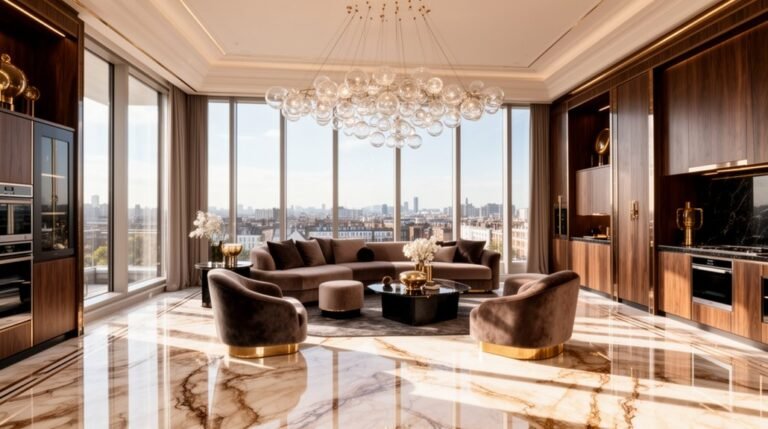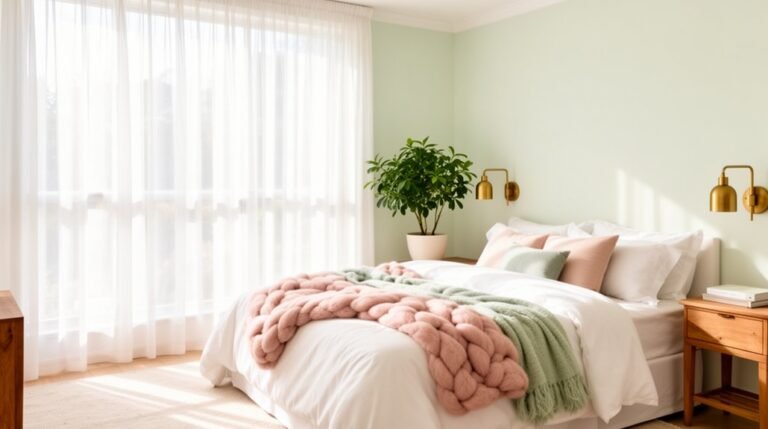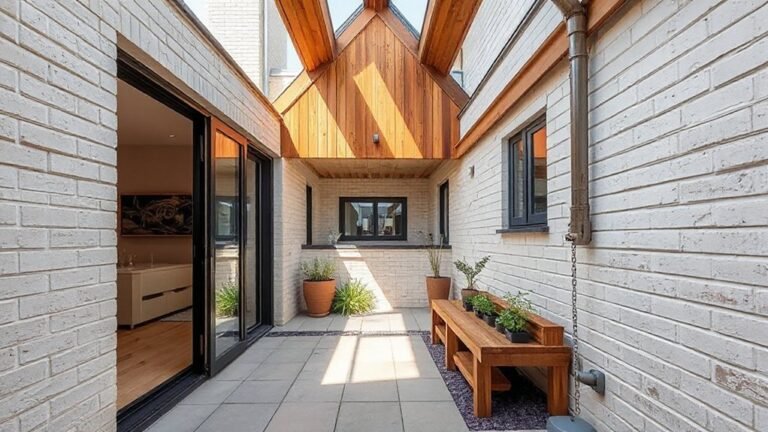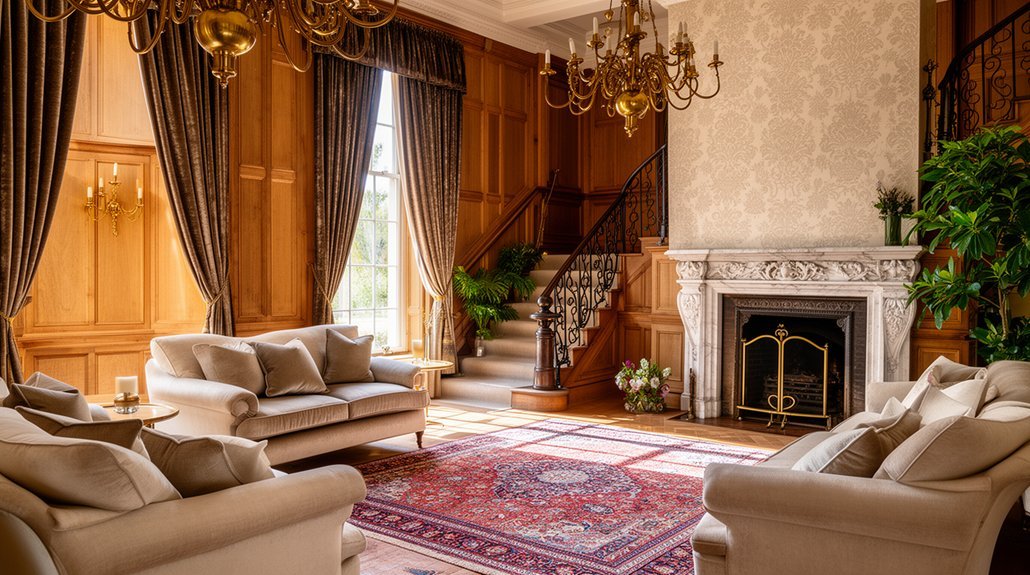
Luxury interior upgrades for a Wiltshire country manor balance restrained grandeur with heritage craft and modern comfort. Focus on bespoke joinery in solid timber, patinaed surfaces, and period-appropriate hardware that age gracefully yet perform today. Layer fabrics for texture and light control, and integrate warm stone, plaster, and soft metals to honor architecture. Enhance lighting with dimmers and wall sconces, curate provenance-rich antiques, and design seamless outdoor-indoor flow via courtyards and terrazzo zones. A thoughtfully composed plan awaits your next step.
What Defines Luxury in Wiltshire Manor Interiors
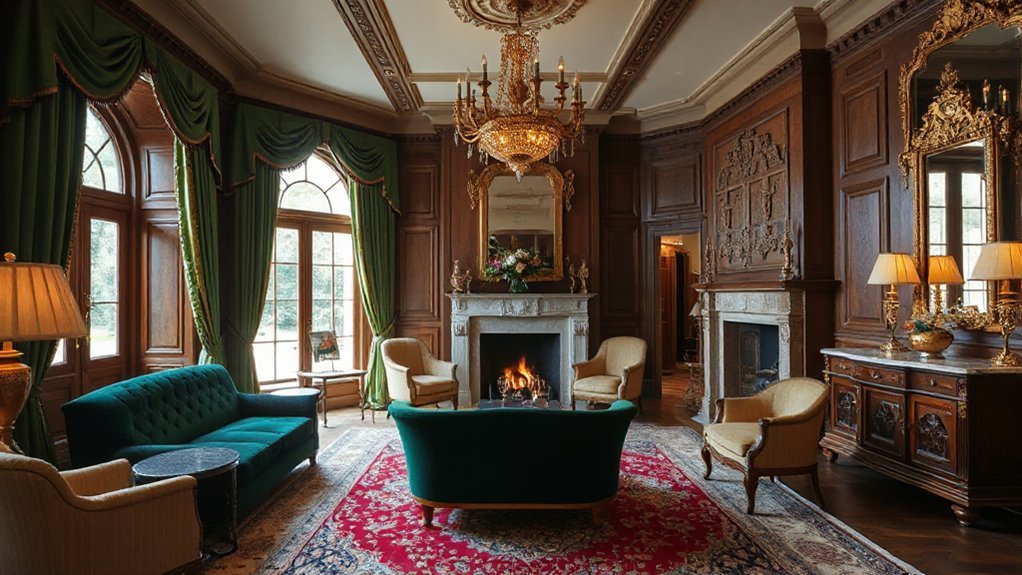
In Wiltshire manor interiors, luxury isn’t about ostentation but about thoughtful restraint and impeccable detail. You define luxury through material truth, refined silhouette, and purposeful scale that respects history while embracing modern function.
You prioritize craftsmanship over show, selecting Eco friendly finishes that endure and age gracefully, reducing impact without compromising depth or texture. Your palette favors warmth and nuance—stone, plaster, patinaed wood, and soft metallics—curated to enhance architectural lines rather than distract from them.
You integrate Modern art with sensitivity, aligning pieces to proportion, light, and context, so collections feel inevitable rather than curated. You insist on performance alongside beauty: acoustics, lighting, and tactility synchronized to create spaces that invite, steady, and sustain daily life.
Setting the Criteria: Bespoke Joinery for Historic Homes
You evaluate bespoke joinery for historic homes by balancing authenticity with modern performance, ensuring details honor original craft while meeting today’s standards.
You prioritize the core joinery principles—timber selection, finishing, and fit—so every piece reads as a seamless part of the manor’s lineage.
You also assess craftsmanship provenance, site constraints, and long‑term maintenance to set clear criteria for durable, elegant joins.
Bespoke Joinery Principles
Bespoke joinery for historic homes demands a precise alignment with period context while delivering modern reliability, so you should establish clear criteria that honor original crafts without sacrificing function. You, as the reader, apply disciplined measurements, choosing profiles that echo antique milled forms while incorporating contemporary hardware for seamless operation.
Prioritize solid timber with stable veneers, avoiding over-gloss finishes that clash with patina. Detail joinery so joints read as timeless while using modern adhesives and fasteners for longevity.
Guarantee proportionality to room scale, door and window units, and slope of cornices, then test movement under seasonal shifts.
Integrate Contemporary art and Modern lighting with intentional contrast, letting light chemistry and surface texture guide placement rather than ornament alone.
Precision, restraint, and authentic material language define the principle.
Historic Home Craftsmanship
Precision in timber sourcing, sapwood avoidance, and period-correct profiles guides every measure, from skirting boards to cupboard doors. You’ll integrate traditional finishes—shellac or early resin—carefully layered to protect grain while maintaining patina.
Consider fasteners and hinges chosen for authenticity and load capacity, balancing ease of use with restraint. When lighting plans unfold, incorporate Modern lighting that respects scale and color temperature, so carved details glow without glare.
In living spaces, align with Contemporary art placements, ensuring framing, spacing, and sightlines complement the craftsmanship rather than overpower it.
Layered Fabrics: Texture, Light Control, and Warmth
Layered fabrics fuse texture with function, so you can feel the quality in every surface while shaping the room’s mood. We’ll explore how tactile weaves and subtle sheers interact with light-control techniques to create depth without sacrificing clarity.
Layered Fabric Texture
Layered fabrics introduce depth and nuance to a country manor’s interiors, balancing texture, light control, and warmth with precise overlap. You pair substantial opulent weaves with lighter, tactile ribbons to create a tactile rhythm across seating and drapery.
Textile layering becomes a deliberate choreography: you vary pile height, weave, and sheen so each surface catches and releases light differently, without competing. Focus on fabric durability, selecting blends that maintain form through seasons and frequent use, while sustaining a refined silhouette.
Against timber paneling, you introduce tactile contrast—velvet, linen, and bouclé—each contributing a distinct optical and tactile note. This approach preserves an uncluttered aesthetic, ensuring textiles anchor the room’s warmth and proportion through careful proportioning and cohesive color.
Light Control Techniques
When selecting layered fabrics, you choreograph light as a design element, using texture to sculpt illumination and warmth rather than simply filtering it. You’ll pair drapery with sheer panels to modulate daylight without obscuring views.
You’ll layer Roman shades behind lattice screens for precise brightness control. Smart technology enables automated dimming, scene presets, and occupancy-based adjustments, ensuring comfort while protecting artwork and upholstery.
Choose fabrics with subtle luster and medium opacity to balance glare reduction with visibility, avoiding flatness in key living areas. Wall sconces and recessed uplights should complement fabric tones, casting flattering shadows that deepen architectural quality.
Prioritize energy efficiency by integrating programmable timers and ambient sensors, so light usage aligns with natural cues and activity, preserving ambiance while reducing consumption.
Warmth Through Materials
To create warmth through materials, select layered fabrics that merge tactile depth with subtle light diffusion, shaping inviting ambience without sacrificing clarity of view. You’ll balance textures—velvet for softness, linen for breathability, wool for insulation—so warmth feels tactile, not heavy.
Modern technology enables smart drapery that adjusts opacity with sunlight, while maintaining precise color rendering. Choose fabrics finished with durable, sustainable practices, ensuring longevity and reduced ecological footprint.
Pair with natural fibers and warm mineral tones to cocoon spaces without darkening them. The aim is cohesive warmth that still communicates refinement and clarity, reflecting a country manor’s timeless appeal.
- Layered fabrics combine texture, light diffusion, and insulation with intelligent, automated light control.
- Opt for sustainably produced fabrics in warm neutrals and soft sheens for cohesion.
- Integrate high-utility, low-impact materials that support modern technology and timeless style.
Marble Accents: Historical Context and Modern Staging
Marble has long signaled luxury in country manor interiors, yet its appeal goes beyond ornament. You approach marble accents with a mindset of context and balance, not simply display.
Marble history informs palette choices, from pale Cararra to dramatic verde antique, guiding vein orientation and surface finish to suit paneling and plasterwork.
In reception rooms, you’ll deploy slabs as focal ledges or fireplace surrounds, pairing them with oak cases and brass hardware to preserve historic gravity.
For modern staging, emphasize proportion, scale, and light: avoid overpowering rooms with too many slabs; instead, echo veining through accessories and textiles.
Use honed textures to soften echoes of footfall, and align finishes with architectural details to achieve timeless cohesion.
Sourcing Antiques for Wiltshire Mansions: Provenance and Restoration
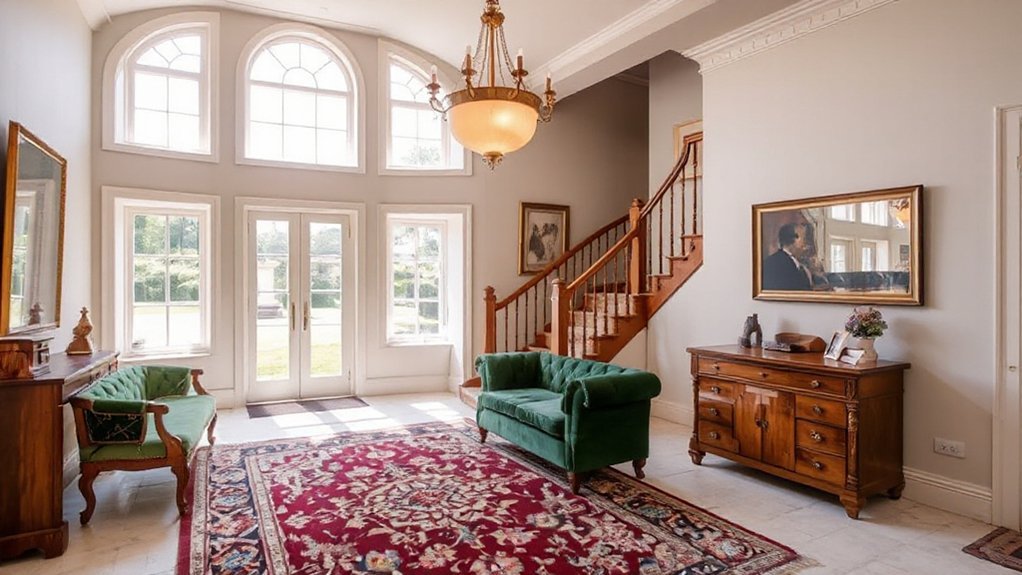
What matters most when sourcing antiques for Wiltshire mansions is provenance: traceability that confirms era, maker, and prior alterations, so every piece reads as authentic to the house. You’ll pursue documented histories, condition reports, and expert appraisals to support confident decisions.
Focus on provenance restoration where feasible, restoring integrity while preserving original character. Your approach blends discernment with practicality, ensuring each item complements architectural lines and period detailing. You’ll verify fit with room scale, patina, and glare, avoiding overstatement or faux antiquity.
Prioritize pieces that enhance storytelling, from mantelpieces to seating, and document every restoration step for future owners. This disciplined method sustains value, credibility, and the manor’s timeless atmosphere.
- Key provenance records and maker marks you rely on
- Steps for evaluating restoration quality and reversibility
- Documentation protocol to accompany every antique
Antique sourcing, Provenance restoration
Lighting the Manor: Layered Illumination for Grandeur and Intimacy
Layered illumination in a Wiltshire manor isn’t merely functional—it defines architecture and mood, weaving grandeur with intimate nooks through a precise balance of task, ambient, and accent lighting. You orchestrate this with a dimmable chandelier over the foyer, wall sconces that echo period details, and discreet floor lamps that guide without glare.
In public rooms, layer warm, diffused ceiling light with targeted spotlights to highlight architectural features and garden sculptures without washing them out. For reading corners and intimate sitting rooms, pair softer ambient glow with task lighting at seating height.
Consider how vintage textiles reflect and absorb light, enriching texture. Maintain rhythm by repeating finishes and keeping wiring tucked; restraint yields sophisticated coherence.
Wiltshire-Inspired Color Palettes: Classic Meets Modern
Wiltshire-inspired color palettes balance the region’s muted, sun-washed tones with modern clarity to create rooms that feel timeless yet current. You’ll achieve color harmony by pairing warm neutrals with cool, crisp accents, ensuring every surface reads composed and intentional.
Palette inspiration here centers on understated depth: plaster whites, limestone creams, and slate grays layered with sage, moss, or denser charcoals for contrast. Think daylight-drenched walls that reveal rich undertones when lit, then quiet, sophisticated textiles to reinforce the mood.
Use calibrated saturation—one dominant field color, one supporting hue, and a crisp highlighter—to maintain balance without shouting.
- Build a cohesive triad: base, secondary, and accent for every space
- Test natural light shifts to refine undertones
- Select materials and finishes that mirror Wiltshire’s weathered elegance
Flooring for Heritage and Comfort: Materials, Patterns, and Care
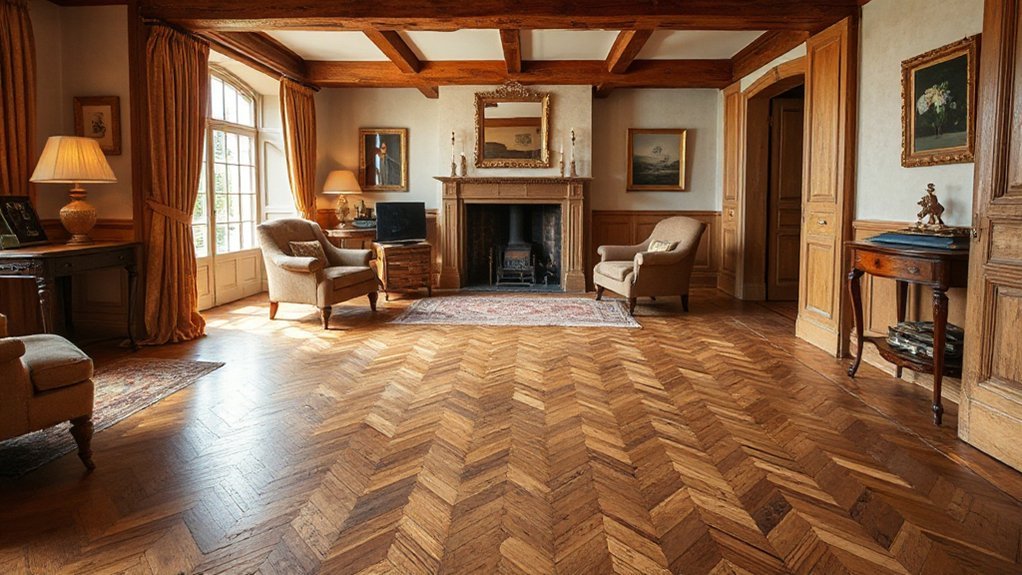
When you plan flooring for a Wiltshire manor, choose heritage-friendly materials that endure while preserving character. We’ll explore patterned flooring options that pair with antique woodwork and stone.
Balancing beauty with practicality is essential. Finally, you’ll adopt straightforward care and maintenance routines to protect texture, tone, and longevity.
Heritage-Friendly Materials
Could you choose flooring that honors the manor’s legacy while delivering lasting comfort? In this section, you select heritage-friendly materials that endure. You’ll balance authenticity with modern resilience by favoring traditional timber, brick, and natural stone, treated with eco conscious finishes that respect lime plaster and antique joins.
Prioritize low-emission binders, breathable surrounds, and non-toxic sealants to preserve indoor air quality without sacrificing elegance. Consider wide-plank oak or chestnut for historic rhythm, hand-scraped to reveal grain, yet finished with durable, wax-like coatings that patina gracefully.
For warmth underfoot, opt for felt-backed sisal or wool blends, chosen for sound absorption and centuries-approved charm. Your aim: longevity, comfort, and a softly curated patina that feels inherently Wiltshire.
- Heritage friendly materials
- Eco conscious finishes
- Breathable, low-impact protection
Patterned Flooring Choices
Patterned flooring can weave heritage and comfort into a single, cohesive statement. You’ll explore materials that honor history while delivering modern durability, from limewashed brick to wide-plank oak with subtle seal. Consider finishes that protect without masking character, enabling easy cleaning and long life in high-traffic rooms.
Botanical motifs bring soft, garden‑like vibes indoors, pairing with classic period rooms to create seamless connections between spaces. Geometric patterns offer structured rhythm, enhancing architectural features and guiding movement through hallways and public spaces.
Choose a pattern scale that respects room dimensions; large rooms benefit from simpler repeats, while intimate spaces gain personality from more intricate motifs. Pair patterns with understated rugs and neutral walls to maintain balance and clarity.
Care and Maintenance Tips
To protect flooring that blends heritage with everyday practicality, adopt a concise care routine that matches each material’s strengths. You’ll extend life and preserve character by pairing gentle cleaning with timely maintenance, mindful of each surface’s grain, finish, and porosity.
For timber, dust regularly, use pH‑neutral cleaners, and recoat periodically. Treat stone with pore‑fillers and sealants to deter staining.
For woven textiles, vacuum softly and rotate rugs to even wear. Avoid aggressive agitation.
For sustainable options, opt for breathable finishes and avoid moisture traps.
Gardening techniques and pest prevention should inform placement and protection, from overseen entryways to seasonal checks.
Regular inspections catch nicks and shifts before they escalate.
- Schedule seasonal seals and gentle cleanings for each material
- Use door mats and strategic airflow to minimize moisture
- Integrate pest prevention with routine inspections and tidy edges
Spatial Planning for Grand Yet Intimate Rooms
Strategic spatial planning in a country manor blends grandeur with intimacy by shaping room sizes, sightlines, and movement flows so that every public space feels expansive yet welcoming. You’ll orchestrate a clear hierarchy of spaces, aligning grand reception areas with more intimate drawing rooms through deliberate sightlines and door placements.
Consider furniture scales that reinforce openness without sacrificing coziness; guarantee circulation routes don’t clash with architectural features like fireplaces or alcoves. Use architectural cues—paneling, ceiling heights, and proportion—to guide the eye and control acoustics.
Integrate garden landscaping from exterior perspectives to extend interior forms, while invisible routing preserves privacy and security systems for controlled access. The result is rooms that feel generous, connected, and precisely, purposefully intimate.
Spa-Style Luxury Bathrooms: Detailing, Materials, and Fixtures
Moving from grand, intimate public spaces to private retreats, spa‑style bathrooms in a Wiltshire manor should read as an extension of the home’s refined palette and measured elegance. You’ll choose materials that resist wear while signaling luxury: honed stone floors, warm timber accents, and tactile ceramic surfaces.
Precision fixtures matter, from wall‑mounted taps to rain showers with controlled temperature. Modern technology integrates seamlessly—underfloor heating, touchless controls, and discreet lighting scenes for morning routines or evening unwinding.
Garden landscaping elements can be echoed in outdoor‑inspired motifs and plant‑framed vanities, blurring indoor‑outdoor boundaries. Prioritize natural daylight, flux‑free storage, and quiet ventilation to sustain calm, spa‑like atmospheres.
- Subtle integration of garden‑themed textures
- Quiet, programmable climate and lighting
- Tech‑forward fixtures with intuitive controls
Kitchen Upgrades: Refined, Foodie-Friendly, and Practical
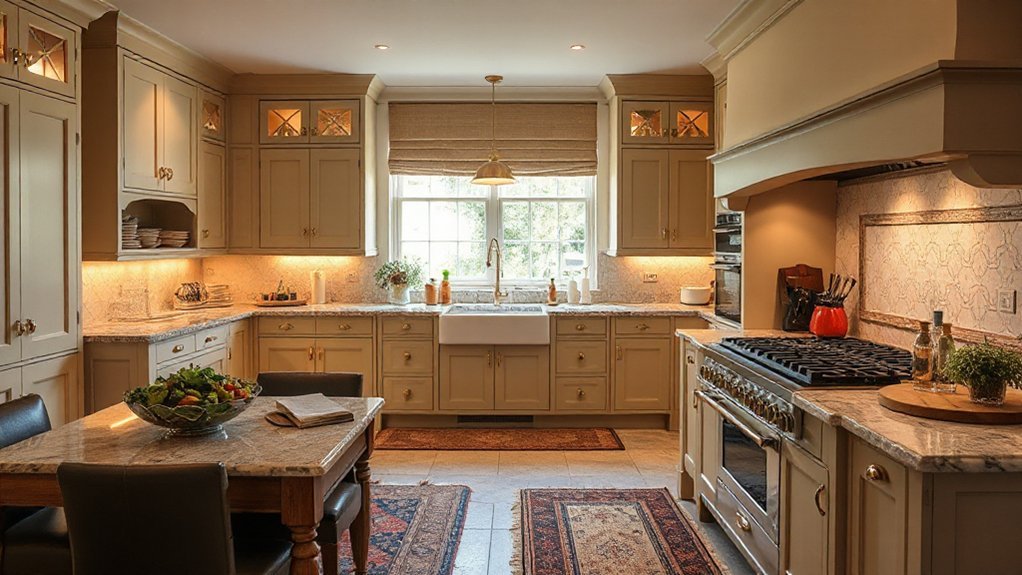
A refined kitchen upgrades plan should blend culinary performance with the Wiltshire manor’s understated luxury, delivering a space that’s both chef‑inspired and family‑friendly. You’ll specify high‑end appliances with quiet operation, generous storage, and durable countertops that resist daily wear.
Prioritize practical zoning: a primary prep zone, a cook’s zone, and a clean‑up area that keeps traffic flows separate. Integrate contemporary art as punctuations of color and texture, not focal overload, and pair with modern furniture silhouettes to maintain a cohesive, timeless feel.
Lighting should combine task, accent, and ambient layers, enabling precise control for both weekday meals and entertaining. Choose finishes that age gracefully, with tactile materials and smart storage solutions that keep the kitchen effortlessly organized and visually refined.
Outdoor-Indoor Flow: Courtyards, Terraces, and Terrazzo Zones
You’ll explore how courtyard-driven shifts guide movement and sightlines between indoors and out, shaping a seamless, year-round experience.
Terrazzo zone concepts add durable, visually striking thresholds that withstand Wiltshire weather while anchoring terraces in cohesive material language.
Start by pairing courtyard materials with terrace surfaces to unify scale, texture, and lighting, then refine circulation to prioritize privacy and panoramic views.
Courtyard-Driven Transitions
Seamless outdoor-indoor passages begin with courtyards that act as deliberate, climate-responsive conduits between the Wiltshire manor’s interiors and its landscape. You curate progressions by aligning seating, shade, and scent to guide movement from parlor to patio, then to garden rooms.
Thoughtful pacing ensures light, air, and sound coordinate with the day’s rituals, while robust thresholds minimize drafts and maximize thermal comfort. Each courtyard becomes a controlled gateway, enhancing garden landscaping benefits and reinforcing estate security through well-lit, visible sightlines and durable boundaries.
You establish material harmony—ruffled stone, brick, and timber—that echoes interior palettes, yet remains weather-ready. This approach fosters fluid, controlled experiences, where indoor rooms unfold into outdoor terraces with purpose and precision.
- Establish sightlines and lighting for safe, inviting progressions
- Choose durable, weather-ready materials that echo interior tones
- Integrate soft landscaping to frame views and deter intrusion
Terrazzo Zone Concepts
How can terrazzo zones redefine outdoor–indoor flow across courtyards and terraces? You design terrazzo zones to anchor connections with durable, seamless floors that connect interiors to exteriors. Terrazzo artistry lets you fuse stone, glass, and metal fragments into a single surface that mirrors Wiltshire light and garden hues, while resisting weather and foot traffic.
In courtyards, set subtle color breaks that guide movement without obstructing sightlines; on terraces, extend patterns to terraces and seating anchors for coherent zones. Prioritize color integration across spaces so furniture palettes and planters read as a continuous gallery.
Use integrated drainage and slip-resistant finishes for safety. The result is refined continuity, visible craftsmanship, and a cohesive narrative that elevates every outdoor moment.
Art and Antiques: Crafting a Wiltshire Story Across Rooms
Art and antiques are the threads that weave Wiltshire’s story through every room, guiding how you curate a cohesive yet evolving character for the manor. You’ll balance heirloom charm with curated accents, letting patina and provenance inform flow, proportion, and lighting.
In public spaces, pair classical furniture with selective modern minimalism to create confident contrasts. In private rooms, let antiques tell intimate narratives alongside contemporary pieces.
Display cabinets, floorboards, and fireplaces become chapters, each with a clear purpose and vintage resonance. Consider provenance labels, period-accurate upholstery, and thoughtfully sourced frames to elevate cohesion without rigidity.
The aim is a living narrative that evolves with time, while preserving a distinct Wiltshire voice through curated rareness and restraint.
- Integrate contemporary minimalism to frame treasured antiques without overpowering them
- Mix modern art installations with traditional display areas for dynamic conversation
- Curate labels and lighting to highlight provenance and emotional resonance
Maintenance, Sustainability, and Long-Term Value for a Living Manor
Maintenance, sustainability, and long-term value aren’t afterthoughts here—they’re design imperatives that shape every decision from materials to oversight. You’ll integrate resilient systems that age gracefully, balancing grandeur with practicality.
Prioritize landscape gardening that complements the manor’s silhouette while reducing maintenance cycles and water use, using native species and smart irrigation to curb waste.
When selecting finishes, favor durable, repairable options that resist Wiltshire’s damp winters and warm summers, preserving beauty without frequent replacement.
Energy efficiency isn’t an afterthought; it’s woven into insulation, glazing, and heat recovery. Plan for scalable upgrades, documenting Alpine-grade details and contingencies.
Regular audits with a clear maintenance agenda protect value, while thoughtfully designed storage and circulation preserve the living manor’s rhythm, ensuring ongoing elegance and functional longevity for generations.
Frequently Asked Questions
How to Balance Modern Tech With Wiltshire Heritage Aesthetics?
Yes—balance modern tech by pairing Smart lighting with concealed wires, and Hidden speakers, ensuring clean lines. You blend antique materials, thoughtful symmetry, and restrained tech, preserving heritage while elevating functionality, accessibly integrating contemporary conveniences without compromising Wiltshire aesthetics.
What Are Costs vs. Value for Luxury Manor Upgrades?
Costs climb like ivy on stone, but value solidifies with thoughtful upgrades. You’ll weigh artificial lighting and furniture selection, balancing craft and tech, ensuring timeless appeal while protecting resale. You’ll optimize ROI through durability, provenance, and measured luxury.
Which Materials Age Best in Historic Wiltshire Settings?
You’ll want materials that age gracefully here: stone, timber, and lime plaster offer vintage charm and enduring appeal. They provide material durability, resisting wear while preserving historic character, ensuring your Wiltshire manor gains authentic texture and lasting, refined presence.
How to Preserve Provenance During Renovations?
Preserve provenance by meticulous restoration techniques and thorough provenance documentation; document every alteration, label materials, and photograph progress. You guarantee authenticity, coordinate with conservators, and maintain archival records to safeguard the manor’s historic integrity throughout renovations.
What Maintenance Schedule Supports Long-Term Luxury Living?
A prudent maintenance schedule keeps luxury livability pristine: you inspect climate controls monthly, service HVAC biannually, and seal timber annually, while landscaping enhancements and security enhancements are reviewed seasonally to prevent wear, preserve provenance, and sustain enduring opulence.
Conclusion
In Wiltshire, luxury isn’t spectacle alone—it’s a lived-in cadence you feel. You’ll sculpt spaces with bespoke joinery that whispers of history, drape rooms in layered textures that soften light, and crown kitchens with practical elegance that invites cookery as ritual. Antiques tell a provenance-rich tale, while courtyards invite breath and herb-scented mornings. Maintain with care, value sustainability, and let every room map a longer, brighter story. Your manor becomes a living heirloom, gracefully enduring.
About the Author