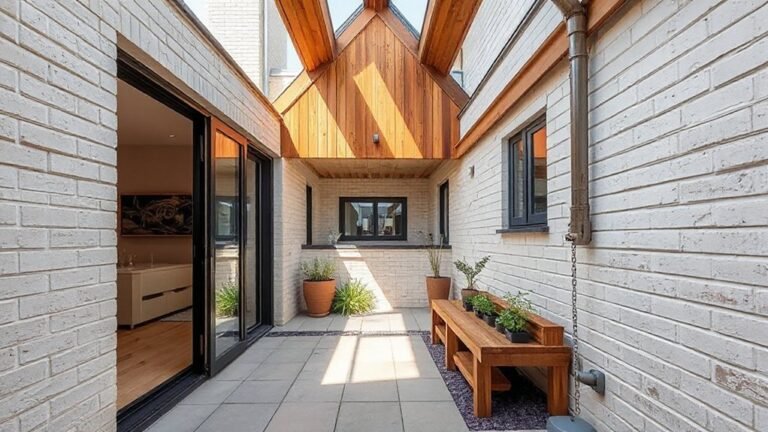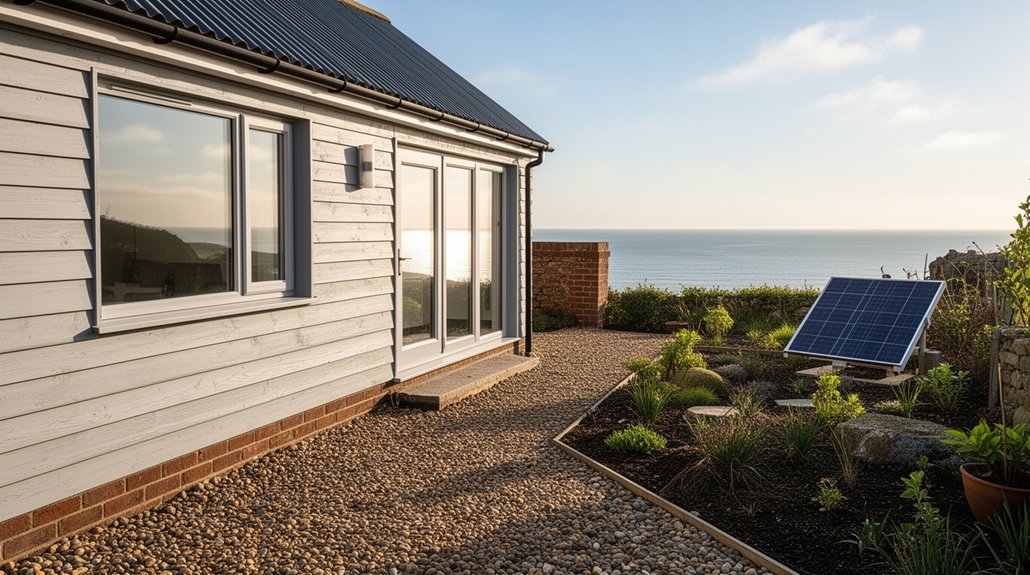
You can modernise a Pembrokeshire coastal bungalow on a budget by prioritising durable, salt‑resistant materials, smart daylight planning, and practical, space‑saving fixes. Focus on weather‑resistant finishes, coastal finishes locally, and simple exterior updates for curb appeal. Improve natural light with south‑facing windows and open layouts, then tweak the layout for flow. Lock in permits early, budget for 10–15% contingency, and use coastal, low‑maintenance finishes. If you keep going, you’ll uncover more practical steps and ideas.
Assess Coastal Constraints and Goals
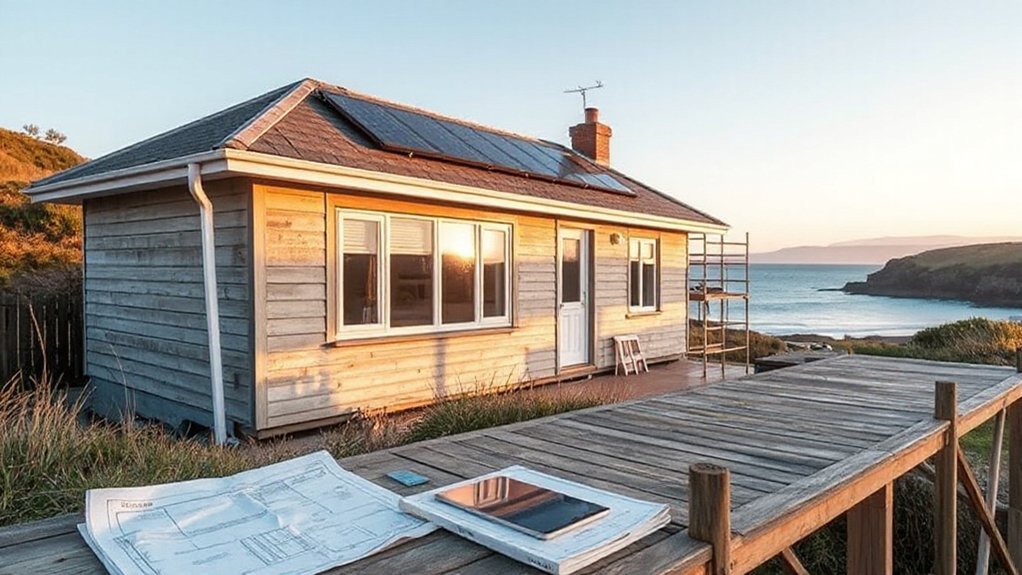
Evaluating coastal constraints and goals starts with a clear, practical brief: identify the shore-facing limitations, such as exposure to wind, salt spray, and moisture, and set achievable renovation targets that fit your budget. You’ll map site microclimates, assess drainage, and prioritize durable materials over flashy finishes.
Pricing, maintenance, and accessibility shape decisions from fixtures to finishes, ensuring longevity without ballooning costs. In Seaside gardening, select low-water, wind-tolerant plantings that thrive in saline spray and sandy soils, aligning with maintenance capacity.
Integrate coastal art thoughtfully—weather-resistant artworks that complement the environment without demanding frequent upkeep. Document constraints, opportunities, and milestones, then revisit quarterly to verify progress against goals, adjusting plans as seasonal patterns reveal new needs or improvements.
Set Your Pembrokeshire Renovation Budget
Set a Pembrokeshire renovation budget by outlining realistic costs early and tying them to your goals. You’ll map essential spends first—structural fixes, basic services, and safety upgrades—then layer in upgrades that deliver the most value.
Break costs into concrete line items with quotes, plus a contingency fund of 10–15% for the unexpected. Track cash flow weekly, not monthly, so you stay aligned with progress and timing.
Prioritise renovations that support long-term use and energy efficiency, avoiding speculative embellishments. Allocate a defined amount for garden landscaping as a feature that raises curb appeal and enjoyment without overspending.
Consider interior color schemes that influence perceived space and mood, planning small, impactful changes rather than large, costly overhauls. Regularly review the budget against milestones to stay disciplined and focused.
Choose Durable, Coastal-Ready Materials
Choose materials that stand up to coastal conditions, prioritising durability and easy maintenance. Look for weather-resistant finishes and cladding that handles salt, wind, and damp without frequent rework.
Prioritise low-moisture options that minimise warping and mould.
Plan for long-term performance rather than initial cheapness.
Durable Coastal Materials
Durable, coastal-ready materials are essential for a Pembrokeshire bungalow, where salt air, wind, and moisture demand resilience. You select substrates and finishes that resist corrosion, rot, and delamination, prioritising low maintenance without compromising performance.
Choose treated timber or composite decking with proven coastal alloy-free warranties, and opt for metals like stainless steel or aluminium that tolerate salt spray.
For cladding, mineral fibre cement boards and long-lasting fibre-reinforced panels offer stability, while tile and stone options should be grout-sealed and rated for damp environments.
Insulation must meet moisture permeability needs, reducing condensation risk.
Consider marine biology and coastal ecology implications when sourcing materials, ensuring local ecosystems aren’t disrupted and that finishes sustain the area’s natural balance.
Prioritise compatibility, durability, and lifecycle cost to keep your home resilient.
Weather-Resistant Finishes
- Choose biocide-free, breathable sealants for damp-prone joints.
- Opt exterior paints with UV stability and mildew resistance.
- Use marine-grade primers on metal components.
- Apply corrosion-resistant coatings to fasteners and hardware.
- Reassess finishes seasonally for wear and touch-ups.
This approach keeps maintenance manageable, minimizes fading, and sustains value against coastal wear. Your selection should balance aesthetics, cost, and long-term durability, ensuring steady performance through changing weather patterns.
Low-Moisture Cladding Choices
Coastal homes face constant exposure to salt, wind, and moisture, so selecting cladding that resists both water ingress and degradation is key. You’ll want low-moisture options that stay rigid under coastal winds and damp cycles. Consider fiber cement boards or treated timber with factory-applied moisture barriers, then seal all joints to deter capillary rise.
For reduced maintenance, choose products with encapsulated cores or aluminum profiles, which resist swelling and rot. Install continuous drainage beneath panels and keep battens off the wall to vent moisture effectively.
Choose finishes with UV and salt-spray resistance, and apply in shaded, low-sun areas to extend life. Marine biodiversity and coastal erosion concerns guide you to non-porous, durable systems that preserve exterior integrity while minimizing upkeep.
Maximise Natural Light With Smart Design
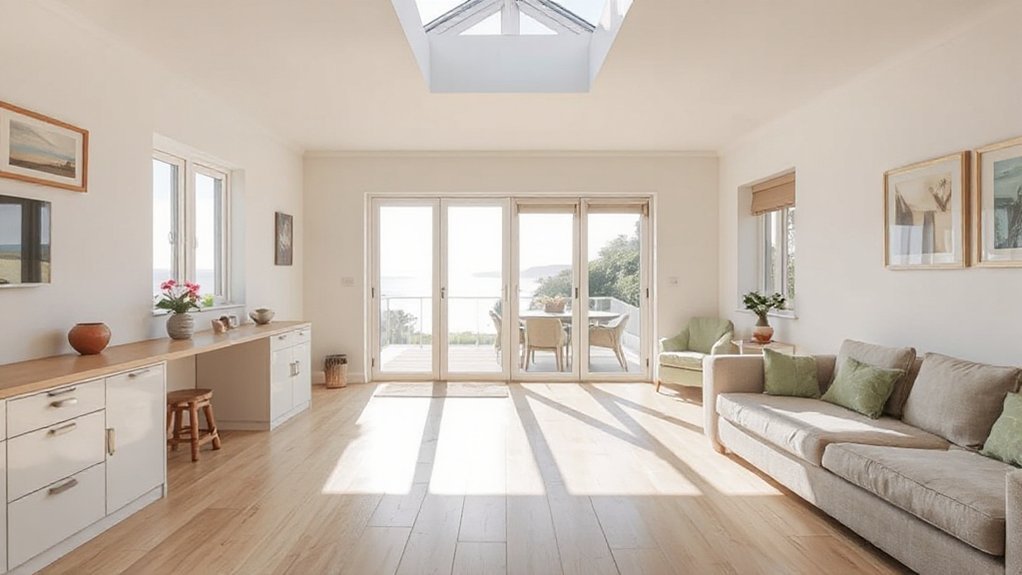
To maximise natural light in a Pembrokeshire bungalow, start with a clear layout that prioritises daylight paths from south-facing windows to living and work areas. Smart design makes every shine count, so pick reflective surfaces, light floors, and minimal partitions.
Use glass doors to extend sightlines without sacrificing insulation, and choose compact, energy-efficient lighting to supplement daylight when needed. Prioritise window-coverage choices that reduce glare while boosting diffusion, and align key spaces to harness sun angles throughout the day.
- Prioritise south-facing glazing and glare control
- Use glass doors to extend sightlines
- Choose light, reflective finishes for walls and floors
- Implement scalable, low-profile lighting to supplement daylight
- Place work zones where daylight peaks for productivity
Natural lighting, Smart design.
Improve Flow: Simple Layout Tweaks
Small layout tweaks can noticeably improve flow without major renovations. You’ll prioritise clear sightlines from doorway to living areas, opening up pathways by swapping bulky furniture for slender, multi‑functional pieces.
Use regionally sympathetic changes that respect Historical preservation, like preserving original door casings or floorboards where possible, while reconfiguring seating and traffic routes for intuitive movement.
Lean on zones rather than walls: create distinct but interconnected living, dining, and study areas with rugs, lighting, and cohesive finishes that guide the eye.
Introduce subtle vertical cues—built‑in shelves, slim storage, and concealed cables—to reduce clutter and friction.
Embrace technological upgrades, such as smart lighting scenes and energy‑efficient controls, to automate progressions between spaces, enhancing efficiency without compromising the bungalow’s character.
Pembrokeshire Budget Kitchen Upgrades
If you’re updating a Pembrokeshire kitchen on a budget, start with practical, high-impact changes that don’t overhaul the footprint. Small updates can deliver big results, blending sea breeze with coastal charm while staying affordable.
- Refresh cabinets with satin paint and new handles
- Swap outdated lamps for LED fixtures with warm tones
- Install a simple, sturdy splashback that’s easy to wipe
- Add open shelving to showcase coastal accents
- Choose durable, budget-friendly countertops in a light, reflective shade
Prioritize good lighting, a tidy workspace, and easy-clean surfaces to reduce maintenance. Use coastal tones to visually expand the room, and keep appliances streamlined to preserve the existing flow.
With thoughtful touches, you’ll gain a refreshed kitchen that feels larger, brighter, and true to Pembrokeshire’s sea breeze and coastal charm.
Coastal Bathroom Refresh on a Budget
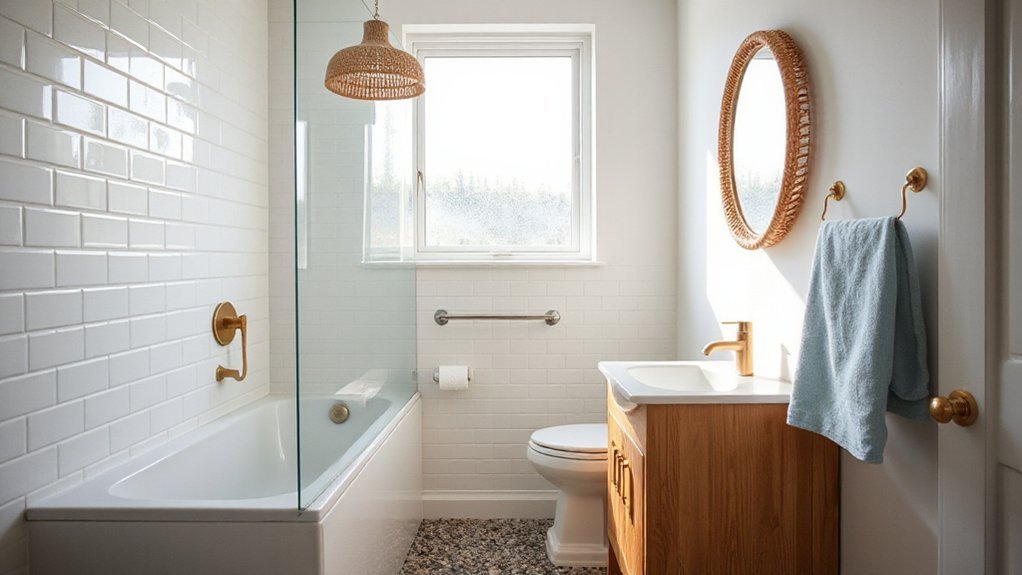
Start with a clean slate: refresh grout with a quick silicon seal, swap tired towels, and replace a dated mirror with a slim, framed unit to widen the space.
Choose durable, water-resistant materials like vinyl plank or ceramic tile in light tones to reflect sea light.
Update with a simple vanity, modern taps, and a compact, efficient shower head to save water.
Add coastal wildlife-inspired accents—sculptural shells, driftwood hooks, and soft sea-glass hues—to evoke the shoreline.
Keep storage tight and accessible for Seaside activities, ensuring practicality without clutter.
Sand-Ready Flooring for Coastal Homes
You’ll want flooring that stands up to tide and sand, so choose surfaces that handle moisture without swelling.
Consider tide-friendly options and salt-resistant materials that stay durable in a coastal climate.
Start with practical details like installation, maintenance, and cost to set the discussion on solid footing.
Tide-Friendly Surfaces
Tide-friendly floors keep sand from sneaking indoors by pairing textured, water-resistant surfaces with practical drainage.
- Choose low-maintenance materials like textured ceramic tiles or porcelain with microgrooves.
- Install generous linear drains to channel splash and rinse water efficiently.
- Opt for slip-resistant finishes rated for coastal humidity and wet feet.
- Use radiant-heat compatible underpinning for comfortable, consistent floors.
- Plan transitions that steer debris toward entry thresholds and away from living zones.
You’ll balance durability and ease, reducing sand intrusion while withstanding tidal erosion effects on finishes.
Marine flora can cling to damp corners, so keep air circulation steady and gaps minimal.
Regular seals prevent moisture ingress without trapping grime.
Focus on a clean, cohesive grain that reads polished, not fussy.
This approach sets a practical baseline before choosing salt-robust materials later.
Salt-Resistant Materials
Salt-resistant flooring choices stand up to seaside wear by combining durable surfaces with salt- and moisture-tolerant finishes. You’ll prioritize materials that resist salt spray and damp, like porcelain tiles, treated concrete, and high-grade vinyl planks.
Choose finishes with sealed edges to thwart moisture ingress and grout that’s salt-resistant. In practical terms, opt for matte textures that hide footprints and scuffs while staying easy to clean.
For coastal convenience, select planks with embedded antimicrobial protection and a low-maintenance seal that lasts years.
Seaside gardening links nearby exterior spaces to interior durability, so plan passages with flush thresholds and water-wise edging.
Marine navigation informs layout: place high-traffic zones away from doors to minimize tracking, and install quick-dry mats at entryways for rapid moisture removal.
Textured Wall Finishes for a Seaside Feel
Textured wall finishes can instantly evoke a seaworthy feel without breaking the budget. You’ll blend tactful texture with coastal light, avoiding heavy costs while keeping rooms lively.
Choose surfaces that resist salt air and humidity, yet read as refined. Focus on tactically applied textures to reinforce architectural lines and sunlit moments.
- Apply light stucco or lime plaster for a breathable base with subtle grain
- Use plaster skim on feature walls for a clean, tactile swoosh
- Add fabric-backed wall panels for warmth and coastal softness
- Install beadboard wainscoting to echo harbor shiplap
- Finish with matte, low-reflective paint in seafoam or dune tones
This approach centers on Textured finishes and Coastal textures, delivering character without overdoing it.
Quick DIY Projects for Character and Value
With a few focused DIY tweaks, you can add character and boost value without breaking the budget. Start with vintage accents: sourcing a single, well-chosen piece—an old chest, a weathered mirror, or enamelware—gives instant period feel without overhauling rooms. Integrate it into a focal point like a hallway console or living-room vignette.
Next, apply decorative trim to doors, architraves, and shelving to elevate proportion and detail. Keep profiles simple to avoid heavy costs, and paint to match existing wood tones for cohesion. Refresh neglected fixtures with fresh paint and new hardware; matte brass or aged nickel reads high-end at low expense.
Finish with cohesive color ties—soft whites, muted blues, and coastal greys—to unify accents, trims, and furniture, boosting perceived value.
Brighten With Low-Cost Lighting Schemes
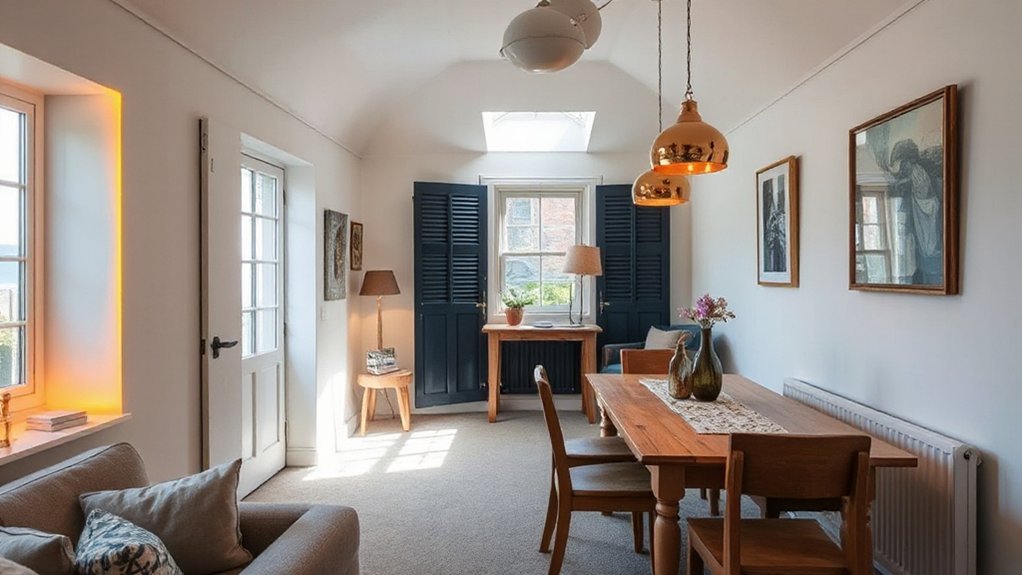
Strategic, low-cost lighting can transform a coastal bungalow without a full upgrade. You’ll brighten rooms, create atmosphere, and reduce energy use with simple moves that respect Pembrokeshire budgets.
Focus on layered light, reach for versatility, and spotlight practical tasks.
- Choose LED lamps with warm 2700–3000K tones for a cozy feel
- Use plug-in wall sconces to free ceiling space and add drama
- Maximise daylight with reflective surfaces and pale, uncluttered finishes
- Integrate indoor plants and vintage accessories as focal points for glow
- Re-purpose desk lamps for work zones and reading corners
Keep cords tidy and use dimmers where possible, so you control mood without clutter. These tweaks align with minimal disruption, delivering bright, functional spaces you’ll enjoy daily.
Soft Furnishings in a Seaside Palette
Soft furnishings set the seaside tone without overhauling the room. You choose a restrained palette of driftwood, ivory, and seafoam to keep the space calm and cohesive.
For textiles, opt for natural materials—linen cushions, cotton throws, and a woolen rug with subtle texture.
Introduce seaside textures through tactile surfaces: a tactile weave, a boucle cushion, and a fringed throw that echo coastal reeds without shouting.
Choose coastal patterns sparingly: a small-scale stripe or tide-inspired motif on curtains or an accent ottoman to punctuate the scheme.
Align fabrics with practical needs—easy-care blends, machine-washable throws, and fade-resistant hues for sunlit walls.
Accessorize with a couple of coastal-inspired pieces, avoiding clutter while maintaining a fresh, durable finish.
Weatherproofing and Maintenance on a Budget
Protecting a Pembrokeshire bungalow on a budget means prioritizing durability and seals over flashy upgrades. You’ll tackle weatherproofing with practical steps that pay off year-round, focusing on gaps, joints, and low-cost materials.
Prioritize storm resistant windows and windproof doors, then reinforce vulnerable areas before winter storms. Regular checks prevent small leaks from becoming costly damage and keep maintenance manageable.
- Inspect and seal around windows, doors, and vents with weatherstripping
- Upgrade to storm resistant windows where possible, prioritizing frame integrity
- Fit door sweeps and weatherstrips to minimize drafts
- Seal roof joints and eaves, checking for loose tiles after storms
- Clean gutters and downpipes to avoid water pooling near foundations
Upcycled Finds for Coastal Character
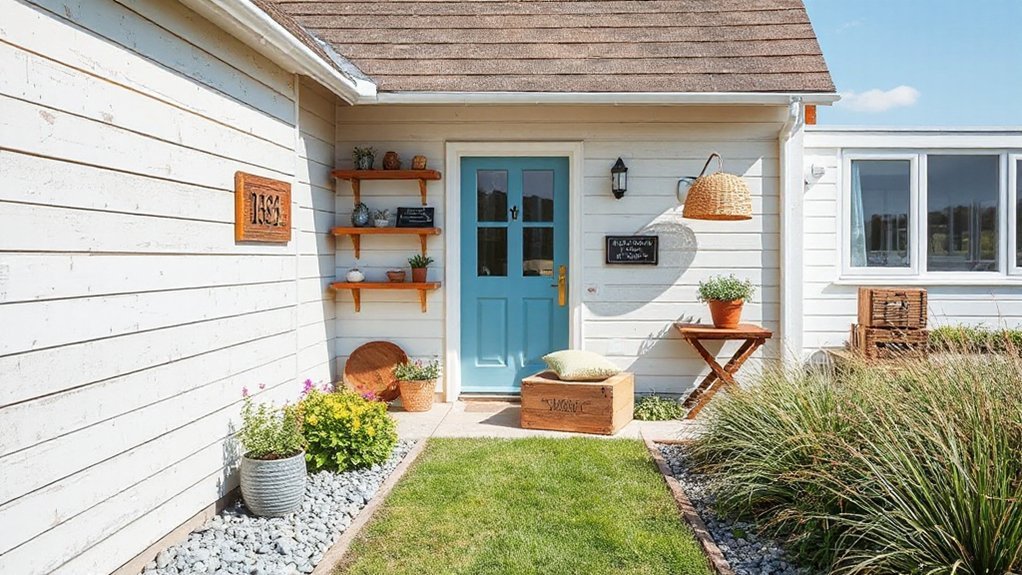
You don’t need to gut the budget to give your Pembrokeshire bungalow real coastal character. Focus on purposeful, upcycled finds that add texture without clutter. Seek sea glass for gentle color pops on shelves, throws, or a clear bowl centerpiece.
Repair and repurpose sturdy items instead of buying new: a chipped enamel tray becomes a nautical wall-hanging, an old ladder serves as a towel rack, and reclaimed boards become a coffee table top.
Look for driftwood accents to frame mirrors, illuminate corners, or accent a built-in display. Label storage with handwritten tags on repurposed jars to maintain a cohesive, breathable look.
Keep finishes matte and marine-hued to unify your scheme, avoiding overpowering patterns. The result: character, not cost, with durable, thoughtful touches.
Exterior Updates to Boost Curb Appeal
To boost curb appeal, start with a clean, cohesive exterior that reads as one deliberate palette. You’ll reinforce harmony with simple paint, matching trim, and a unifying roofline.
Then, prioritize garden landscaping that thrives in Pembrokeshire winds and salt: low-maintenance perennials, a compact front bed, and mulch to suppress weeds.
Update entry points with clean doors and modern hardware. Add outdoor lighting to bridge safety and mood, using warm LEDs along paths and accent spots by the porch.
Keep hardscape minimal but inviting, using gravel or pavers that resist weathering. Finally, install durable fixtures and a defined driveway edge for instant polish and longevity.
- garden landscaping
- outdoor lighting
- cohesive palette
- low-maintenance beds
- durable fixtures
Clever Storage to Combat Coastal Clutter
Tackling coastal clutter starts with smart, accessible storage that fits your Pembrokeshire home’s rhythm. Choose versatile pieces: benches with hidden compartments, ottomans that double as seats, and wall shelves that keep surfaces clear.
Use shallow drawers for odds and ends, and label containers so you return items to their homes. Opt for moisture-resistant finishes and secure latches to withstand sea air.
Plan vertical storage to maximize limited square footage and keep walkways free. Integrate Seaside decor through storage exteriors—soft blues, driftwood tones, and woven baskets—without sacrificing practicality.
Incorporate Coastal plants near light sources to merge greenery with organization rather than creating clutter. Regularly reassess, declutter seasonal items, and rotate what’s visible to sustain a calm, efficient living space.
Insurance and Permits: Basics for Renovation
Insurance and permits are essential foundations for a Pembrokeshire renovation, protecting you from costly surprises and keeping the project on track.
- Check local building regulations and apply for required permits early.
- Verify your contractor’s insurance policies and hold harmless agreements.
- Choose marine safety-compliant materials and procedures where coastal exposure matters.
- Secure all-encompassing builders’ risk insurance to cover theft, weather, and damages.
- Maintain simple records: permits, dates, insurances, and inspections for audits.
Sourcing Affordable Coastal Finishes Locally
Where can you snag cost-effective coastal finishes without sacrificing style or durability? Start by scouting local timber yards, reclaimed-wood suppliers, and coastal tradesmen who specialise in period-appropriate detailing.
Look for locally sourced cladding, paint by numbers, and robust sealants that resist salt air while keeping costs down. Shop for reclaimed tiles and brass fittings at salvage outlets or community auctions; you’ll often find pieces that echo Seaside flora without paying a premium.
Consider durable, low-maintenance options like vinyl decking or composite door finishes that mimic timber yet resist moisture.
For decorative touches, lean into Coastal folklore motifs in cushions, throws, and wall accents sourced from nearby craft makers.
Save by combining bulk buys and seasonal sales, and prioritize finishes that ease future maintenance.
Planning Milestones: Timeline to 6 Weeks
You’ll map out Planning Milestones to reach a six-week target, aligning permits, quotes, and approvals with a tight schedule.
Start with a clear six-week timeline, marking milestones for design finalisation, contractor selection, and procurement.
This framework keeps the project focused, reduces delays, and sets expectations with your team.
Planning Milestones Outline
To keep your Pembrokeshire bungalow project on track, map out a clear six-week timeline that covers approvals, design freezes, and contractor bidding, with weekly check-ins to address risks before they derail progress.
This Planning Milestones Outline keeps decisions tight and responsibilities clear, while anchoring coastal specifics like Coastal biodiversity and Seaside folklore to guarantee context stays relevant.
- Set weekly goals: permissions, drawings, and budgets
- Lock design scope at week two to avoid drift
- Initiate contractor bidding by week three
- Schedule site visits and risk reviews every Friday
- Finalize approvals and contingency plans by week six
Timeline To Six Weeks
A six-week planning timeline keeps approvals, design freezes, and contractor bids tightly coordinated. You’ll map milestones, lock a design baseline by week two, and confirm permit needs early to avoid delays.
Week one focuses on feasibility, site constraints, and coastal wildlife considerations, so you’re not surprised by regulatory hurdles.
Week two finalizes drawings, selections, and a fixed budget, aligning contractor quotes with your scope.
Week three secures approvals, updates risk registers, and schedules inspections, minimizing back-and-forth.
Week four confirms materials, delivery windows, and lead times, preserving momentum for mid-project refinements.
Week five revolves around site access, utility checks, and safety plans, ensuring smooth progress.
Week six closes permits, signs off on milestones, and prepares for construction kickoff, grounded in historical architecture awareness.
Ready-to-Implement 6-Week Budget Renovation Plan
With a tight timeline and a modest budget, this six-week plan prioritizes high-impact updates that elevate your Pembrokeshire bungalow without overextending resources.
- Target a bold entry with fresh paint, using coastal tones that echo Coastal flora.
- Refresh floors through affordable laminate or durable carpet to grip seaside traditions.
- Update lighting with warm LEDs and simple fixtures for atmosphere and efficiency.
- DIY storage hacks and built-ins to maximize space without remodel costs.
- Focus on sanitary updates: taps, shower head, and sealing to cut moisture risk.
Frequently Asked Questions
What Are Hidden Coastal Renovation Costs Not Listed?
Hidden expenses aren’t obvious, and coastal surprises pop up when you least expect them. You’ll encounter moisture, salt damage, permit fees, scaffolding, and waste disposal costs that sneak into budgets unless you plan contingencies.
How to Prioritize Tasks Within a Strict 6-Week Plan?
You’ll prioritize tasks by impact, aiming to finish essential structural fixes first; 66% of coastal projects run over budget, so schedule buffers. Focus on Decorative accents and Landscaping upgrades, sequencing quick wins before longer installs to stay on track.
Which Permits Are Essential for Pembrokeshire Renovations?
You’ll need planning permission for structural changes and electrical/plumbing upgrades, plus relevant building regs approvals. Seek listed-building consent if applicable. Coastal greenery and Heritage preservation considerations may require additional permissions, surveys, or mitigation as you renovate thoughtfully and legally.
How to Source Affordable Coastal-Safe Materials Locally?
You can source affordable coastal-safe materials locally by prioritizing sustainable sourcing and Local craftsmanship, visiting nearby builders’ yards, surfacing reclaimed timber, exploring coastal supplier discounts, and consulting regional cooperatives to balance cost, quality, and environmental impact.
What Quick Fixes Maximize Resale Value on a Budget?
Upgrade quickly: you’ll boost resale value by focusing on Interior lighting and Exterior landscaping, choosing energy-efficient bulbs and tidy planting. You’ll refresh walls with neutral tones, declutter, and add curb appeal for an immediate, polished feel.
Conclusion
You’ll balance practicality with protection, practicality with charm, practicality with budget. You’ll assess constraints, you’ll choose durable, coastal-ready materials, you’ll maximize light, you’ll improve flow, you’ll secure permits, you’ll source locally, you’ll meet milestones, you’ll finish on time, you’ll stay within budget. You’ll plan for rain and shine, plan for reuse and resilience, plan for pride and progress. You’ll prove that thoughtful, focused steps deliver a modern Pembrokeshire bungalow, affordable, bright, enduring. You’ll finish strong.
About the Author