Bali Motorized Blinds: The Pros and Cons for UK Homeowners
If you’re considering upgrading your window treatments, you’ve probably come across Bali motorized blinds. They sit in the premium end of the market and promise convenience, style, and modern functionality. But are they worth the investment for your UK property? This guide breaks down everything you need to know—covering the genuine advantages and the potential drawbacks—so you can decide whether motorized blinds from Bali are the right fit for your home.
What Are Bali Motorized Blinds?
Bali is a well-established brand in the window treatment industry, known for producing a wide range of blinds including Roman, roller, vertical, and wooden styles. Their motorized range brings these classic designs into the modern age by replacing manual cords and chains with electric motors.
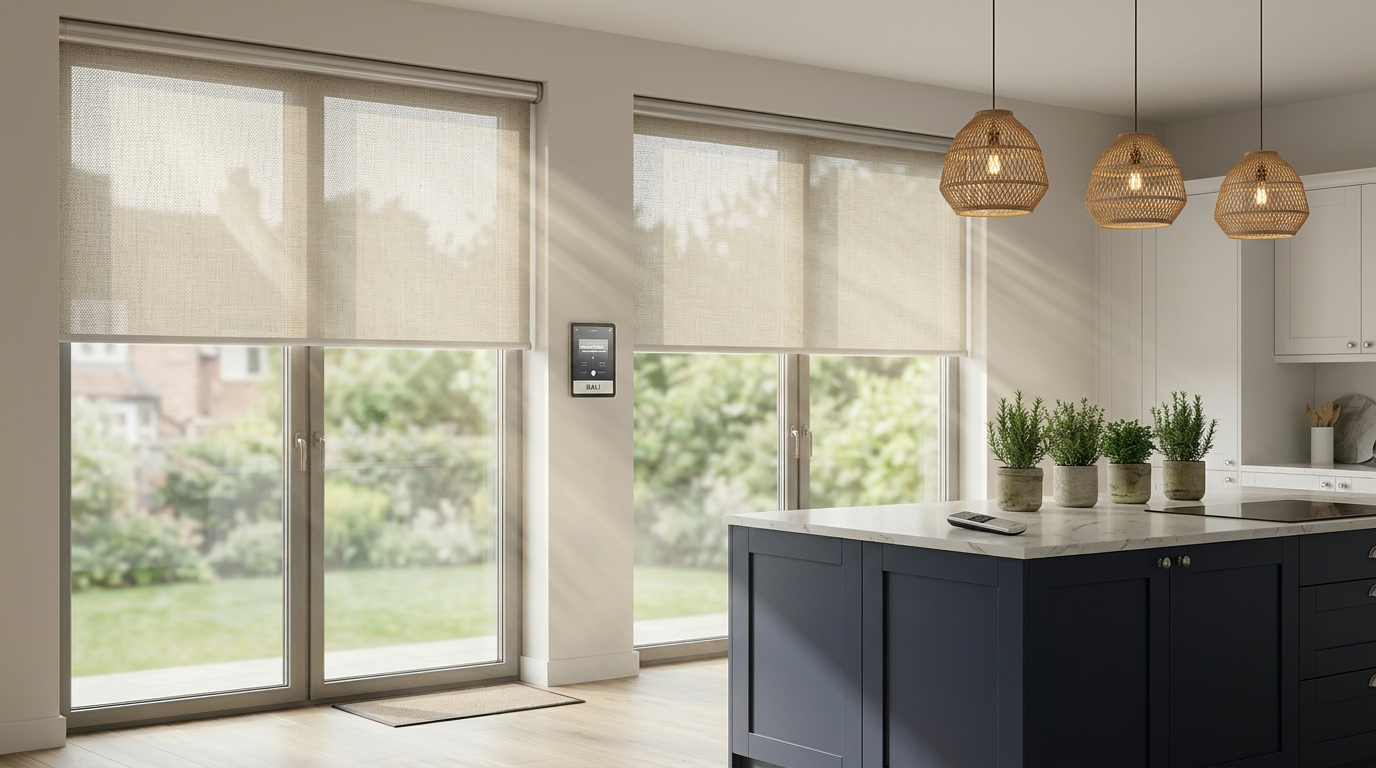
These blinds can be controlled via remote control, wall switch, smartphone app, or even voice assistant integration. They run on mains power or rechargeable batteries, depending on the model you choose. For UK homeowners, this means you can operate your blinds without leaving the sofa—particularly handy during those chilly winter evenings or when dealing with tall, hard-to-reach windows in period properties.
Advantages of Bali Motorized Blinds
Convenience and Ease of Use
The most obvious benefit is the sheer convenience. No more fiddling with tangled cords or struggling with heavy roman blinds on high windows. With a single button press, you can open or close all blinds in a room simultaneously. This is especially useful in larger open-plan living spaces where multiple windows require attention.
For elderly homeowners or those with mobility issues, motorized blinds eliminate the physical effort traditionally required. Remote controls can be positioned within easy reach, and some models integrate with home automation systems for even greater accessibility.
Enhanced Safety
Traditional corded blinds pose a genuine strangulation risk for young children and pets. Motorized blinds remove this hazard entirely since there are no loose cords hanging within reach. This makes them an excellent choice for family homes where child safety is a priority. Building regulations and safety standards increasingly favour cordless options, so choosing motorized blinds ticks that box as well.
Improved Energy Efficiency
When programmed correctly, motorized blinds can help regulate your home’s temperature throughout the year. During summer, you can set them to close automatically during the hottest part of the day, reducing solar heat gain and lowering your cooling costs. In winter, opening them during daylight hours allows natural warmth from the sun to penetrate your rooms, then closing them in the evening helps retain heat.
This automated approach means you don’t have to remember to adjust your blinds manually—your home works smarter, not harder. Over time, these energy savings can offset a portion of the initial investment.
Precise Light Control
Motorized blinds offer far superior light control compared to their manual counterparts. You can set exact positions rather than simply choosing fully open or fully closed. This is ideal for home offices where you might want to reduce glare on screens without blocking all natural light, or for bedrooms where you desire complete darkness for sleeping.
Some advanced models even come with sensors that automatically adjust based on sunlight levels, though this tends to be a feature in higher-tier smart home systems.
Contemporary Aesthetic
There’s no denying that motorized blinds look sleek and modern. Without visible cords or chains, the clean lines of your window treatments stand out. This contemporary aesthetic complements modern interior design and can add a touch of luxury to any room. For homeowners preparing to sell, this visual appeal may also add perceived value to your property.
Disadvantages to Consider
Higher Initial Cost
Let’s be straightforward: motorized blinds cost significantly more than traditional manual options. The motor mechanism, remote controls, and any smart home integration all add to the price tag. For a typical three-bedroom semi-detached house, you could be looking at several thousand pounds for a full installation.
While prices have become more competitive in recent years, budget-conscious homeowners need to weigh whether the convenience features justify the premium. If you’re fitting blinds throughout the house, the costs multiply quickly.
Dependency on Power
Motorized blinds rely on electricity to function. If you experience a power cut, you’ll lose the ability to operate them unless you have battery-backup models. Most battery-powered options will still work during an outage, but they require periodic recharging—typically every six to twelve months depending on usage.
This dependency also means you’re adding another device to your home’s electrical system. It’s worth considering the additional maintenance commitment, however small, when making your decision.
Potential Technical Issues
Like any mechanical device, motors can occasionally develop faults. While Bali as a brand generally enjoys a solid reputation for reliability, mechanical failures can and do happen. Warranty coverage provides protection, but repairs or replacements still mean inconvenience.
Additionally, if you opt for smart home integration through WiFi, you’ll need to ensure your network is stable and secure. Connectivity issues can frustrate users expecting seamless operation.
Installation Complexity
Motorized blinds are not a straightforward DIY project for most homeowners. Professional installation is usually recommended, particularly for larger windows or more complex configurations. This adds to the overall cost and means you’ll need to schedule an appointment with a qualified installer.
In some older UK properties, window frames may not be compatible with certain motorized systems, so a thorough survey before purchasing is essential. You may also need to consider cable routing if opting for mains-powered models, which could involve minor redecorating.
Learning Curve
For households accustomed to simple pull-cord blinds, there’s a genuine adjustment period. Family members need to learn how to use remotes or apps correctly. If you have elderly relatives who visit regularly, consider whether they’ll manage the technology comfortably.
Are They Right for Your Home?
Before committing to Bali motorized blinds, ask yourself a few practical questions. Do you have windows that are difficult to reach manually? Is child safety a significant concern in your household? Would automated light and temperature control genuinely improve your daily routine? If you answered yes to most of these, the investment likely makes sense.
Consider your property type as well. A period cottage with original sash windows may not suit motorized blinds without bespoke fitting, whereas a modern new-build with standard uPVC windows typically accommodates them without issue. Think about which rooms would benefit most—bedrooms and living rooms tend to offer the best return on investment, while less frequently used spaces might not warrant the premium.
Conclusion
Bali motorized blinds bring genuine benefits to UK homes: unmatched convenience, improved safety, energy efficiency, and a polished contemporary look. They represent a meaningful upgrade over traditional blinds, particularly for families, tech-savvy homeowners, or those with challenging window configurations.
That said, they aren’t the right choice for everyone. The upfront cost is considerable, and you’ll need to factor in ongoing power consumption and potential maintenance. Take time to assess your specific needs, budget, and property constraints before making a decision.
If you decide motorized blinds align with your lifestyle, Bali offers a reliable range that balances quality with variety. Just ensure you source from an authorised UK supplier who can provide professional fitting and warranty support. With the right approach, your new blinds could transform how you experience your home—comfort, convenience, and style all rolled into one.
About the Author