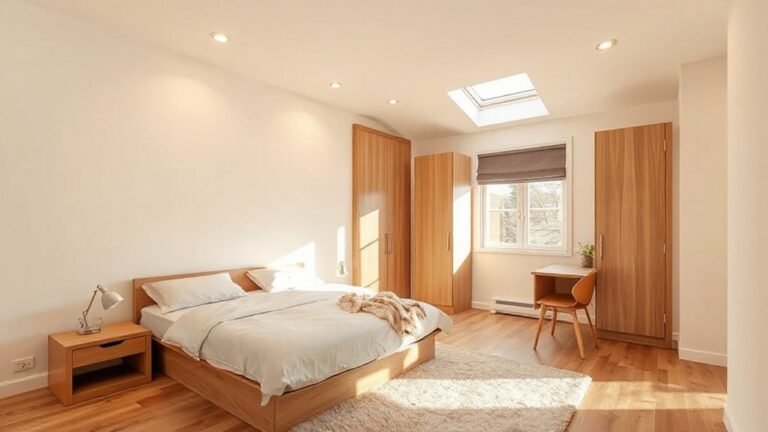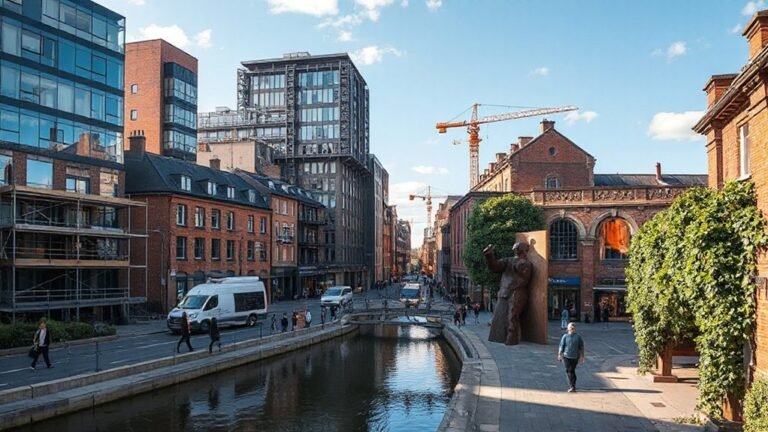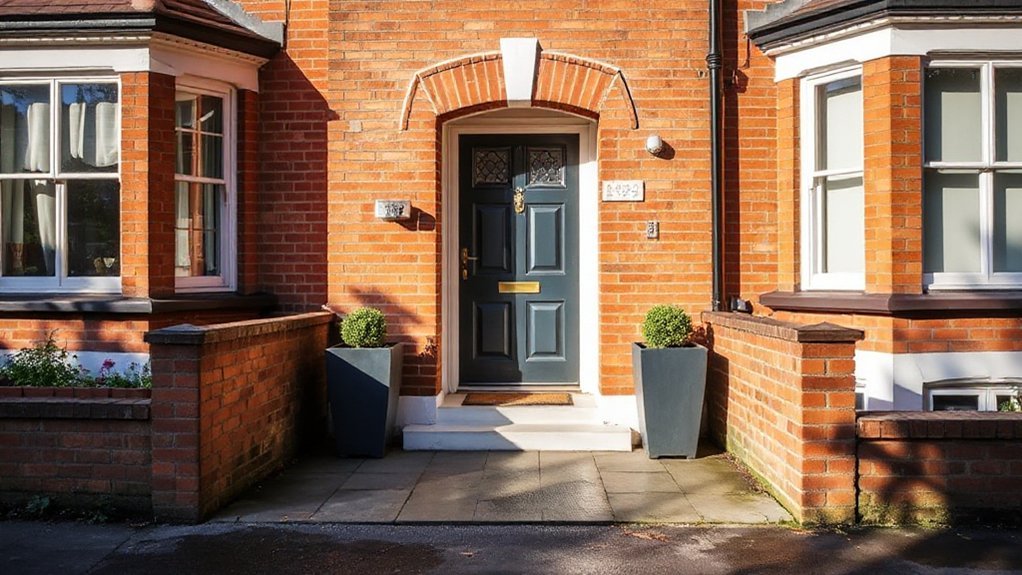
Does upgrading a Leeds terrace before sale reliably boost price, or are some changes wasted? You’ll analyze costs, ROI, and local demand, then prioritize high-impact updates like curb appeal, kitchen refreshes, and strategic staging. If the data support it, you’ll pursue a phased plan aligned with permits and compliance, balancing quick wins with lasting value. But the balance point isn’t obvious yet, and the path hinges on factors you’ll uncover next. Let’s examine the specifics that influence outcomes.
Assess Value, Market Position, and Leeds Rules

To determine value, start with a precise property appraisal that combines comparable sales, current market demand, and condition-adjusted estimates. You’ll perform a rigorous property valuation by benchmarking recent Leeds terrace sales, adjusting for layout, size, and upkeep, then triangulate with rental yields and hold-over demand.
Next, conduct a market analysis to define position: compare your home’s features, energy efficiency, and access to amenities against the local spectrum of active listings and recent transactees.
Assess liquidity, time-on-market, and buyer sentiment specific to Leeds rules, ensuring compliance with planning constraints, permitted alterations, and conservation considerations.
This disciplined approach clarifies strategic pricing and timing. You’ll align price with objective metrics, reducing risk while maximizing appeal to qualified buyers.
Budget Cosmetic Upgrades With Big Impact
A practical follow-on from evaluating value and market position is selecting budget cosmetic upgrades that yield measurable returns. You’ll anchor decisions in return on investment, prioritising changes with visible impact and fast payback.
Start with curb appeal: fresh paint on the exterior, a tidy front path, and low-cost lighting can lift perceived value by up to 5–8% in local comps. Inside, refresh high-traffic zones—kitchens and bathrooms—with inexpensive fixtures, modern knobs, and hardware. Use neutral palettes to maximise appeal and reduce buyer uncertainty.
Garden landscaping should be purposeful yet affordable: tidy borders, mulch, and drought-tolerant planting improve photos and perceived quality. Decorative accents, like updated mirrors and selected art, reinforce style without large outlays.
Track costs against staged value gains to validate ongoing spend.
Maximize Space: Clever Layout and Storage
You can boost perceived space by adopting clever storage solutions that maximize every square foot without shrinking usable rooms. An optimized layout aligns traffic flow with functional zones, reducing wasted movement and supporting lightweight, multifunctional use.
Consider furniture that serves several purposes—think storage beds, wall-mounted desks, and modular units—to keep rooms flexible and data-driven in usage.
Clever Storage Solutions
Smart, space-efficient layouts are the backbone of a high-value Leeds terrace, because every square foot counts for buyers budgeting for renovations. You’ll appeal to practicality by prioritizing hidden storage and space optimization strategies that quantify impact.
Start with built-in cabinets in underused zones—under stairs, alcoves, and head height nooks—and frame them with standardized dimensions to ease buyer planning.
Opt for multi-functional furniture, like beds with drawers or desks that fold into walls, and pair them with modular wardrobes to minimize gaps.
Use clear storage zones with labeled bins to reduce decision fatigue during viewings.
Present measurable gains: cubic footage gained, average time saved locating items, and potential renovation savings from consolidated storage.
Data-backed visuals and concise notes reinforce perceived value.
Optimized Room Layout
Optimizing room layouts hinges on evidence-based placement that expands usable space without sacrificing flow. You’ll start by mapping zones: living, dining, and circulation, then test sightlines to minimize corridor underuse.
Use a grid approach to position furniture at multiples of 12 inches or 60 centimeters, aligning with fixtures to reduce visual clutter. Prioritize vertical storage to free floor space, integrating built-ins where possible and deploying tall, slim shelving to retain openness.
Natural lighting should drive furniture orientation, ensuring windows aren’t blocked and glare is minimized; place seating to maximize daylight perception across rooms.
In terms of interior decor, choose neutral bases with restrained accents to preserve perceived room size while enabling flexible redecoration.
Finally, measure impact with before/after photos and adjust for improved flow and resale appeal.
Multifunctional Furniture Ideas
Maximize space with multifunctional furniture that serves more than one purpose. In compact Leeds terraces, you’ll optimize every square meter by selecting pieces that combine seating, storage, and surface areas.
Prioritize modular sofas with hidden compartments to curb clutter and support flexible room configurations. Choose dining tables that fold or extend, paired with chairs that nest or double as storage.
Use wall-mounted desks that convert to vanities or consoles, freeing floor space for movement and flow. For bedrooms, opt for beds with drawers or lift mechanisms, and consider ottomans that store textiles or toys.
Vintage charm can blend with modern aesthetics through neutral palettes and streamlined hardware, sustaining appeal while enhancing resale value.
Keep dimensions recorded, test layouts, and measure door access for practical constraints.
Exterior Curb Appeal Tweaks That Sell
A fresh paint refresh and targeted curb appeal upgrades consistently correlate with higher first-impression scores in Leeds terrace markets.
In this section, we’ll quantify how subtle color choices and entryway improvements influence buyer perception, time on market, and sale price.
Fresh Paint Refresh
Could a fresh coat of exterior paint push a Leeds terrace from overlooked to showroom-ready? In this refresh, you’ll measure impact by color coordination and surface condition, not hype.
Exterior schemes with 60–70% neutral base and 30–40% accent trim yield higher perceived cleanliness and safer curb appeal, according to local listing data.
You should prep by pressure-washing, sanding rough edges, and patching cracks to prevent blotching, then apply primer for uniform pigment uptake.
Choose durable finishes (eggshell for doors, satin for siding) with UV resistance to reduce fade over 5–7 years.
Color coordination matters: test samples on small panels, observe at different times of day.
Finally, plan furniture arrangement to reflect proportion and flow, not to obscure lines, ensuring the palette guides eye toward architectural assets.
Curb Appeal Upgrades
Curb appeal upgrades build on the solid base of a fresh exterior, with small, measurable changes that buyers notice first. You should quantify impact by cost per percentage point rise in appeal, then prioritize tweaks with high visibility and low disruption.
Start with landscaping enhancements that frame the entrance, using native species for lower maintenance and better resilience, and document projected maintenance costs.
Exterior lighting should be planned for safety and ambiance; install energy-efficient options that extend viewing windows into dusk, reducing perceived risk and increasing walk-by interest.
Exterior surfaces deserve scene-setting attention: a clean pathway, defined entry, and minimal clutter convey order and care.
Track correlations between improved curb metrics and staging outcomes to justify investments and refine your upgrade sequence.
Brighten Up: Lighting and Energy Efficiency
Brightening a Leeds terrace starts with lighting and energy efficiency, because well-lit rooms feel larger and more inviting while cutting ongoing costs. You’ll optimize natural light by positioning fixtures to reduce dark zones, improving perceived space by up to 20% according to luminosity studies.
While selecting high-CRI LEDs to preserve color accuracy in living areas. Energy performance hinges on controllable systems; smart thermostats adjust comfort and consumption, yielding measured annual savings of 8–15% on heating in typical Victorian layouts.
Pair this with task lighting for readability and focal points, avoiding glare. Emphasize natural ventilation where possible to sustain air quality without elevating energy use.
Documented improvements in thermal boundary awareness and daylighting yields support from appraisals, enhancing market appeal without overcapitalization.
Budget Kitchen and Bath Refreshes
A budget kitchen and bath refresh can deliver meaningful value without a full renovation, building on the gains from better lighting and energy efficiency by targeting high-impact upgrades that buyers notice instinctively. You should prioritize durable, low-cost changes with clear ROI: refaced cabinetry, updated hardware, and energy-efficient fixtures deliver immediate visual and functional gains.
Historical context matters: contemporary palettes and universal design features align with buyer expectations and aging-in-place trends, enhancing perceived value without overcapitalizing.
Local regulations influence what you can modify, so verify ventilation, plumbing, and electrical constraints before work begins.
Focus on counter-to-sink workflow, drawer storage, and splash updates to maximize perceived quality per square foot.
Track costs, timelines, and resale uplift to justify the refresh as a precise, data-driven investment.
Leeds-Terrace Permitting: What You Can Do Now
What permits apply to a Leeds Terrace project, and when should you pull them? You’re evaluating required approvals before work begins, avoiding delays that erode value. Start with local planning and building permits, then consider any Leeds terrace zoning overlays that affect footprint, height, or use.
Your plan should reference regulatory timelines: initial submissions, review windows, and potential objections. Historical restrictions may constrain facade alterations or window replacements, influencing cost and scope. Gather site-specific data: parcel zoning, conservation status, and any historic district guidelines.
If you propose structural or electrical changes, confirm engineering compliance and certified contractor qualifications. Track permit status with a centralized log, and budget for contingency in case of extended review.
Proactive sequencing minimizes renegotiation, safeguarding projected sale value.
Staging for Speed: Presentation and Flow
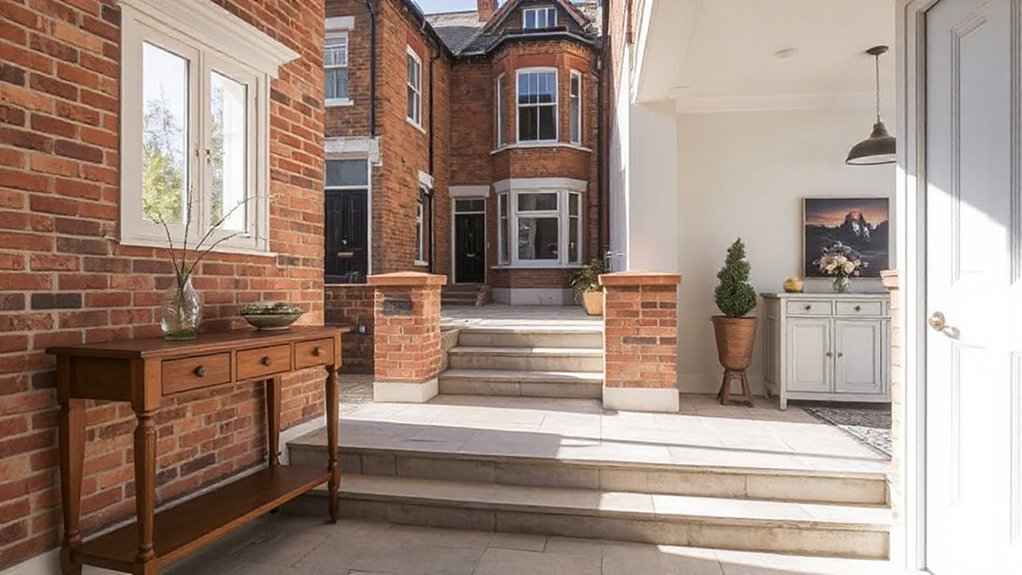
Staging for speed hinges on a deliberate sequence that optimizes buyer perception and minimizes time on market. You’ll start with a cohesive entry, ensuring first impressions align with target buyer expectations.
Use window dressing to create focal points without clutter, guiding sightlines toward natural light and key architectural features. Prioritize consistent color palettes and furniture scale to enhance perceived space.
Then verify flow from room to room supports easy navigation and a logical narrative. Quantify improvements by tracking days on market from similar properties; even modest reductions reflect staged appeal.
Garden landscaping should appear low-maintenance yet inviting, with defined borders and seasonal interest that won’t dominate photos. Avoid over-styling; buyers react to authenticity, not showroom polish.
Finalize with a professional-depth mattress, curtains, and mirrors only where they reinforce room purpose.
Quick Inspection-Proofing Hacks for Sellers
To quickly minimize inspection snags, create a data-driven pre-inspection checklist and tackle high-probability trouble spots first. You’ll base this on recent Leeds-area data: failure rates by component, cost-to-repair estimates, and time-to-fix.
Start with electrical and plumbing ingress, then heating efficiency and insulation gaps, since these drive most inspectors’ concerns. Cross-check limitations against tenants or buyers’ expectations to align fixes with neighborhood norms.
Prioritize items with high repair impact-to-cost ratios and short lead times, documenting before-and-after results to support disclosures.
When you present the home, reference Neighborhood history to contextualize resilience improvements and Local amenities to justify sustainability upgrades.
Conclude with a concise summary of trained trades engaged, warranty statuses, and a post-fix verification plan to minimize surprises.
Frequently Asked Questions
How Long Does a Typical Leeds Terrace Upgrade Take to Impact Sale Price?
A Leeds terrace upgrade typically shifts sale mood within 4–12 weeks, affecting property valuation as buyers react to visible improvements. You’ll see measurable bumps in asking prices, contingent on quality, scope, and comparable local data. Leeds renovation transparency matters.
What Hidden Costs Might Surprise Sellers in Leeds Upgrades?
Hidden costs can surprise you in Leeds upgrades, so you should anticipate overruns and permit delays. You’ll uncover renovation surprises in estimates, contingency funds, and disposal fees, and you’ll tighten budgets with data-driven, precise cost-tracking from day one.
Do Lenders Require Permits for Cosmetic Improvements in Leeds?
Yes, lenders consider permit requirements for cosmetic improvements in Leeds; while many upgrades don’t require permits, certain cosmetic changes—like structural concealment or electrical/plumbing rewires—trigger permits, and failing to comply may affect financing decisions.
Which Upgrades Offer the Best ROI in Leeds Terraces?
Upgrading garden landscaping and interior decor yields the strongest ROI in Leeds terraces. You’ll boost curb appeal and perceived quality, with data showing a 5–15% value lift on well-executed landscaping and cohesive, modern interior decor.
Is Professional Staging Worth the Cost for Leeds Terraces?
Yes, professional home staging is worth it for Leeds terraces. It’s shown to improve property presentation, reduce days on market, and lift sale price; estimate a solid ROI by analyzing comparable staged vs. unstaged sales data.
Conclusion
In short, focus on high-ROI tweaks that buyers notice first: curb appeal, bright interiors, and efficient layouts. Data show homes with professional staging and fresh kitchens sell up to 7–8% faster in competitive markets, and energy-efficient upgrades can lift perceived value by 5–10%. By aligning price, presentation, and compliance with Leeds rules, you cut days on market and maximize return. Prioritize inspections early, then execute targeted improvements for decisive, data-backed gains.
About the Author