You’ll modernise a red-brick semi in Nottinghamshire by starting with a clear goals and planning phase that respects Victorian character, then verify shell integrity, damp, and insulation. Design for the local climate with airtight envelopes, efficient glazing, and heat-recovery ventilation while balancing daylight and shading. Implement smart-home basics, energy monitoring, and durable materials. Prioritize outdoor spaces that blend curb appeal with living areas. A practical timeline, permits checklist, and quality craftsmanship will guide you toward a cohesive, future-ready home—and there’s more to come.
Start Here: Goals for a Nottinghamshire Red-Brick Semi
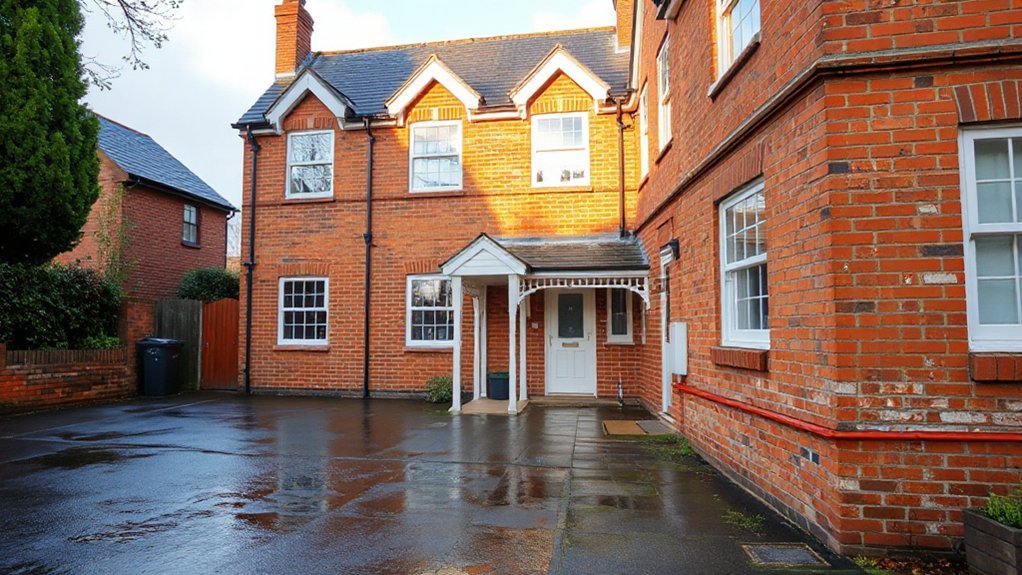
To set clear direction for your Nottinghamshire red-brick semi, start by defining what “modern” means for you: stronger energy performance, reimagined living spaces, and enduring curb appeal. You’ll align your goals with a practical design-forward mindset, ensuring every choice supports efficiency, comfort, and historical nuance.
Let your objectives include 提升 garden landscaping to create seamless outdoor-indoor flow, while preserving essential character. Prioritize airtight insulation, efficient glazing, and smart controls that reduce energy use without compromising aesthetics.
Clarify spatial intents: open-plan zones for daily living, quiet corners for study, and versatile spaces for hosting. Balance form and function through proportional massing, texture, and color.
Finally, commit to historical preservation where feasible, integrating authentic materials and preserved features that celebrate legacy while signaling modern refinement.
Check the Shell: Structure, Damp, and Insulation Basics
Before you plan any upgrades, start by verifying the shell: guarantee the structure is sound, damp issues are addressed, and insulation is appropriate for a modern standard. You’ll assess load paths, brick integrity, and tie-ins to joists, ensuring no hidden movement or cracking compromises the frame.
Check for rising damp, penetration leaks, and moisture traps that threaten timber and plaster. Survey insulation gaps, airflow barriers, and thermal bridging, prioritising a continuous envelope with breathable, efficient materials.
Historical preservation considerations guide repair choices, avoiding invasive alteration while preserving character. Plan interior decor around a solid shell, not against it.
Document findings, then target upgrades with precision. This approach protects long-term value, supports future design flexibility, and keeps the property aligned with modern performance expectations.
Design for the Local Climate: Heating, Ventilation, and Daylight
Design for the local climate means shaping heating, ventilation, and daylight strategy around Nottinghamshire’s temperate mix of cool winters and mild summers. You size systems for efficiency, prioritise airtight envelopes, and deploy heat-recovery ventilation to steady indoor conditions without excessive fans.
In heating season, you’ll integrate solar gain from appropriate glazing with shading that avoids overheating in shoulder months. Daylight is optimized through orientation, glazing ratios, and deep overhangs, reducing reliance on artificial light while preserving visual comfort.
Controls are precise and responsive, linking occupancy and weather data to trim energy use. Ventilation cycles balance fresh air with energy savings, maintaining indoor air quality in all rooms.
Consider garden furniture placements and historical context when designing exterior spaces to support comfort and usability.
Fast Fixes That Save Money Now
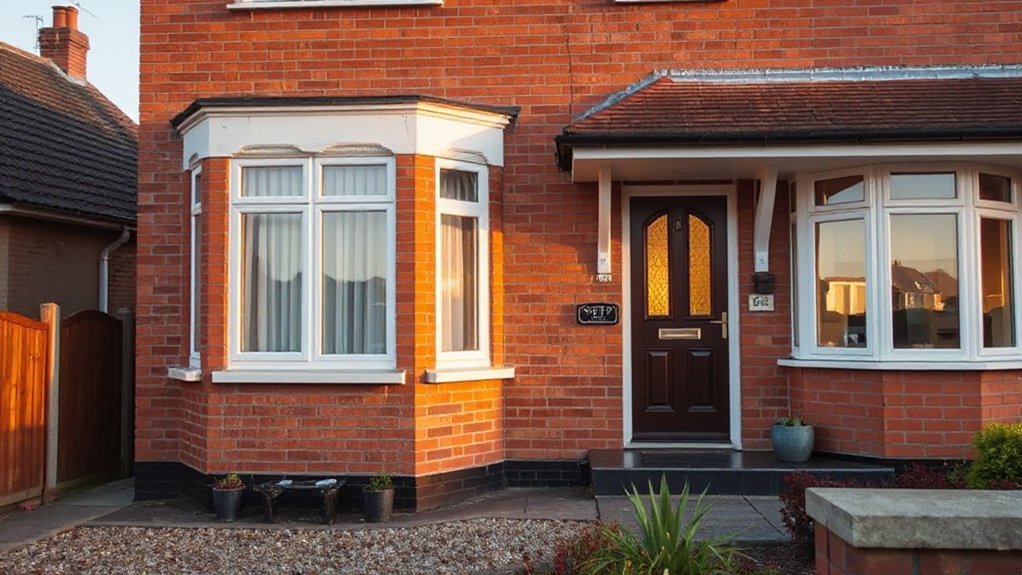
You don’t need a full retrofit to start saving today. Focus on small, measurable changes that reinforce historic preservation while boosting efficiency.
Seal gaps around doors and windows with precise, durable tapes or weather-strips—target the largest drafts first.
Replace incandescent bulbs with high-efficiency LEDs in fixed fittings to cut demand without altering character.
Upgrade loft insulation and attic hatch seals, prioritising continuous coverage over cosmetic fixes.
Optimize heating zones with programmable controls so you heat only occupied rooms, reducing waste.
Choose local craftsmanship for timber repairs and masonry repointing to maintain authentic texture and longevity.
Preserve patina by prioritising reversible improvements where possible.
These targeted actions deliver rapid savings, respect the era’s detailing, and set a design-forward baseline for more substantial upgrades later.
Permits and Regulations: A Simple Checklist
Permits and regulations shape every retrofit step, so start with a focused, practical checklist that keeps your project compliant without slowing progress. You’ll verify local planning requirements, permitted changes, and any listed-building constraints before you digitize the plan.
Consult Nottinghamshire guidance on garden landscaping to guarantee borders, terraces, and soft landscaping comply with soil, drainage, and access rules.
Check party-wall agreements if you share boundaries with neighbors, and confirm party-wall act implications for alterations.
Confirm building regulations adoption for energy efficiency, insulation, and ventilation, documenting U-values and airtightness targets.
Schedule consultations with conservation officers early to confirm heritage preservation expectations.
Finally, maintain auditable records of approvals, amendments, and timings to protect cost, schedule, and design intent throughout the project.
Reconfiguring Space: Openings, Doors, and Flow
You’ll evaluate Opening Layout Optimisation to maximize natural light and sightlines, choosing sizes and placements that support daily rhythms.
Then apply Doorway Alignment Techniques to guarantee smooth traffic flow and ergonomic access between living zones.
Finally, implement Flow Enhancement Strategies that create intuitive connections, reduce clutter, and adapt spaces for flexible use.
Opening Layout Optimisation
How can you open a more intuitive flow by rethinking openings, doors, and movement? You audit each threshold for independent purpose, then align paths to daylight and sightlines. Prioritize logical, single‑door access between key zones, reducing circling and redundant passages.
Use flush, swing considerations to create seamless floorplate continuity, avoiding awkward jogs and sight-blocking posts. In living areas, open cross‑axial sightlines to the garden design, extending the room beyond four walls while preserving acoustic zones.
Elevate ingress with minimal, robust hardware and recessed reveals that read as architectural detail, not clutter. Balance historic references with modern materials to retain character while enhancing usability.
Reframe openings as connectors, not barriers, and document how each choice supports clear circulation and future flexibility.
Doorway Alignment Techniques
Doorway alignment shapes how space reads and moves. You align openings to guide circulation, balance weight, and control sightlines within the home. Begin with doorways that sit on consistent grid axes, ensuring logical progression from kitchen to dining and from living to circulation zones.
Consider doorway styles that reflect the house’s character—arched, square-edged, or flush styles—so they feel intentional rather than ornamental. Position casings to reinforce line-of-sight priorities, subtly steering occupants toward key focal points.
Choose threshold materials that read as a deliberate transition between spaces; timber or stone thresholds can read as durable anchors, while low-profile metal options minimize barrier perception. Remember, precise alignment reduces awkward turns, enhances daylight penetration, and preserves future flexibility in layout.
Flow Enhancement Strategies
Openings should be conceived as flow channels rather than static partitions, guiding movement and daylight with deliberate scale and alignment. You reconfigure spaces by treating doors as transitional thresholds that shape sequence, sightlines, and thermal performance.
Prioritize operable connections between the kitchen, living, and garden to extend occupancy across interior and exterior domains. Align openings to a consistent geometry that minimizes awkward jogs and reduces corridor fatigue, while allowing daylight to filter deep into central rooms.
Consider garden landscaping as a navigational element: terraces, planting edges, and reflective surfaces visually extend interior volumes.
Select doors with framing that preserves sightlines, enhancing interior decor through restrained materials and understated hardware. Maintain proportion, ensure accessible paths, and document performance metrics for future optimisations.
Let There Be Light: Windows, Glazing, and Character
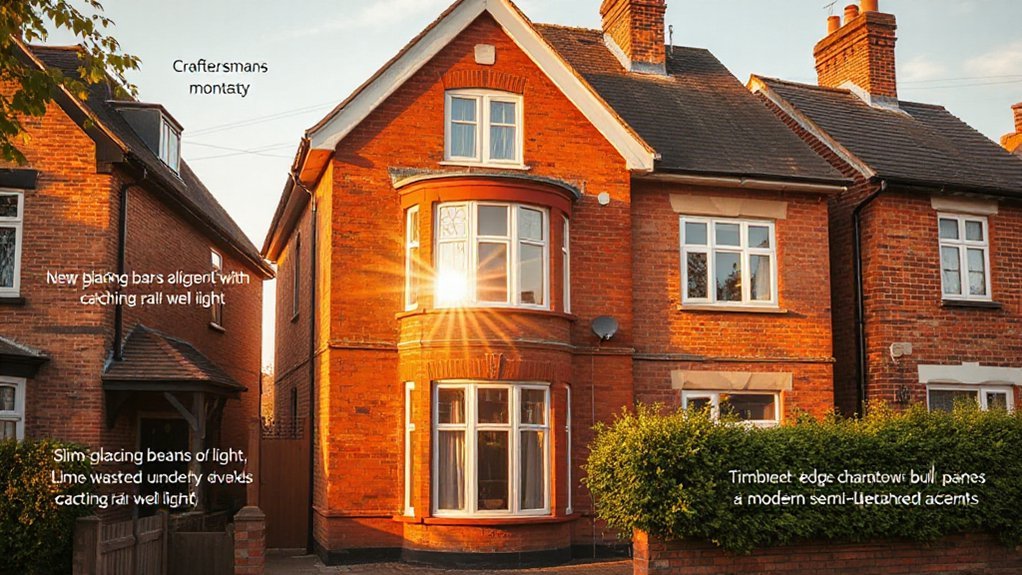
Natural light is a design asset you can’t fake, so start by evaluating how existing windows frame the view and daylight. You’ll assess orientation, sill height, and glazing type to determine where to preserve, repeat, or replace.
Prioritize minimal frame intrusion for better sightlines while maximizing thermal performance. Choose glazing with low U-values and appropriate solar gain control to balance comfort and energy use.
Historical preservation informs decisions about proportion, muntins, and profiles; reproduce authentic detailing where feasible, but don’t sacrifice safety or efficiency.
Material authenticity matters: select frames that read as traditional yet perform like modern systems. Align glazing strategies with room function, acoustics, and future maintenance.
Conclude with a coherent rhythm of light that enhances character without compromising structure.
Respectful Facades: Heritage-Driven Materials
Respectful facades start with choosing materials that read heritage while delivering modern performance. You’ll align structural integrity with aesthetic intent, selecting textures, colors, and scales that echo Nottinghamshire’s red-brick lineage.
Prioritize materials that age gracefully, resisting weathering without compromising detailing. Use heritage preservation as a design constraint, not a concession, documenting provenance, joinery, and surface treatment to sustain authenticity.
Consider lime-based mortars, traditional bricks, and carefully calibrated render or brick slips that respect rhythms of the facade. Guarantee façade aesthetics stay cohesive with existing openings, plinths, and string courses, so additions feel purposeful rather than ornamental.
Balance contrast and harmony, favoring restrained palettes and modular, repairable systems. This approach maintains character while meeting modern performance, long-term durability, and planning expectations.
Energy Upgrades That Pay Off: Insulation, Airtightness, HVAC
Energy upgrades start with airtight performance and targeted insulation, then optimize heating, cooling, and overall comfort without compromising the building’s character.
You’ll tighten envelope performance with continuous insulation, careful joint detailing, and draftproofing that respects rhythm and brick texture. Targeted insulation reduces thermal bridges, while an efficient HVAC system delivers even temperatures without wasted energy.
- Visualize a breathable, quiet interior that pairs garden landscaping ideas with precise thermal control
- See airtight seams fade into plasterlines, keeping rooms comfortable year-round
- Imagine a compact heat pump delivering heating and cooling with minimal noise
- Pair updated systems with interior decor choices that honor historic scale
These upgrades pay off through lower bills and steadier comfort, while preserving charm and enabling modern living.
Low-Muss Finishes for Red Brick
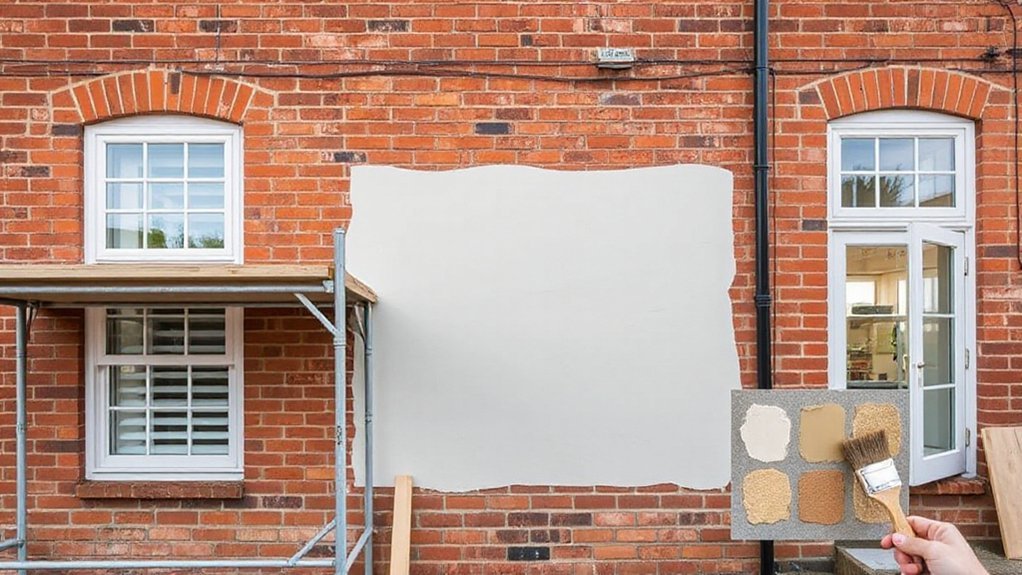
You’ll start by aligning Brick Tone Integration with the house’s existing red brick, selecting a restrained palette that enhances warmth without overpowering character.
Aim for Subtle Texture Balance with a low-muss finish that offers a quiet tactile quality and even light reflection across facades.
Apply a Durable Coat to guarantee long-term protection while preserving the brick’s depth, grain, and patina.
Brick Tone Integration
When integrating brick tones, opt for low-Muss finishes that preserve the character of the red brick while softening glare and texture. You’ll achieve a cohesive exterior by aligning tones with existing mortar and subtle variations, ensuring Brick tone integration stays deliberate, not dramatic.
Focus on color harmony across elements—brick, render, and accents—to avoid clash and maintain timeless appeal.
- Matte sheens on brick surfaces to reduce specular glare
- Muted grout hues that echo brick warmth without dominating
- Subtle color shifts between neighboring bricks for depth
- Complementary accents in doors, frames, and detailing
This approach yields a refined, design-forward facade. You preserve heritage while guiding perception toward modern restraint, enabling durable, elegant coexistence of old and new.
Subtle Texture Balance
To temper the brick’s natural texture without masking its character, apply low-muss, satin-matte textures that read as refined rather than reactive. You’ll achieve a controlled surface that preserves the red brick’s integrity while offering a modern read.
Focus on achieving a textured facade that feels cohesive across doors, windows, and eaves, avoiding heavy emphasis on grain or polish. The goal is a subtle pattern that respects grain direction and mortar pitch, creating depth without glare.
Use coatings that thinly settle into pores, emphasizing restraint over contrast. Maintain consistent sheen and micro-roughness to ensure light catches softly.
Pair with precise detailing around trims to prevent busy reflections, ensuring the texture balance remains calm, legible, and architecturally confident.
Durable Coat Application
- Visualize a matte, even finish that patinas gracefully over time.
- Picture breathability maintaining brick health without compromising protection.
- Imagine precise film thickness guiding uniform color in high-contrast brickwork.
- Envision a sustainable palette that respects heritage while reducing environmental impact.
Kitchen and Bath Refresh in a Traditional Shell
A kitchen and bath refresh inside a traditional shell hinges on intelligent zoning and restrained detailing that respect the fascia while delivering modern function. You map flow from prep to cleanup, guaranteeing zones align with appliance locations and natural light.
Opt for a cohesive palette that echoes timber, brick, and stone, while choosing fixtures with clean lines and durable finishes.
In the kitchen, select drawers with full-extension slides and a compact oven setup to maximise counter real estate without sacrificing usability.
In the bath, install a wall-hung vanity and a frameless shower to preserve sightlines.
Consider garden landscaping for exterior sightlines that frame the rear elevation and subtly anchor the interior.
Ensure home security via unobtrusive lighting and lockable storage integrated into cabinetry.
Smart Home Basics for Ease and Efficiency
Smart lighting forms the backbone of daily convenience and mood control, so you’ll want to choose fixtures and controls that integrate seamlessly with your design.
We’ll compare color temperature, dimming, and occupancy sensing to balance comfort with energy savings.
You’ll also start with energy monitoring basics to identify where smarter choices can cut waste without compromising usability.
Smart Lighting Basics
Smart lighting is a cornerstone of a modern, energy-efficient home. You’ll gain control, reliability, and ambience with purposefully chosen luminaires and intelligent controls.
In practice, focus on glare-free main lighting, layered accents, and warm-to-cool tunable options. Modern fixtures pair efficiency with form, so you’ll want clean lines, integrated LEDs, and dimmable drivers that map to room use.
Choose good color rendering to preserve true textures, and guarantee compatibility with your smart hub for seamless routines. Position sensors and governance around entryways to reduce phantom loads, and plan for future upgrades without clutter.
With smart lighting you illuminate mood, safety, and workflow, elevating a red-brick home’s everyday experience.
- Crisp recessed beams define ceilings with minimal footprint
- Under-cabinet strips brighten tasks while reducing shadows
- Wall sconces establish balanced focal points and texture
- Dimmable, tunable fixtures guide changes throughout the day
Energy Monitoring Essentials
Energy monitoring is essential for cutting waste and maximizing efficiency in a modern red-brick home. You’ll gain clarity on consumption patterns by installing a concise set of monitoring devices that capture real-time usage across circuits, appliances, and systems.
Begin with a central hub that aggregates data, then pair smart meters and sub-meters to key loads for granular insight. Track hourly trends, peak demand, and base loads to identify anomalies and inform adjustments.
Maintain data hygiene with clear naming, labeled circuits, and routine calibration checks. Use insights to optimize thermostat scheduling, lighting, and EV charging, reinforcing energy saving without compromising comfort.
Choose scalable hardware and open protocols to future-proof your setup, ensuring seamless integration with existing controls and future smart-home upgrades.
Outdoor Spaces: Curb Appeal and Living Areas
A well-planned exterior layout blends curb appeal with functional living space, so you greet visitors with confident first impressions while enjoying seamless shifts from indoors to outdoors. You’ll fuse garden landscaping with practical zones, ensuring scale, balance, and weather resilience shape every choice.
Consider materials that pair with red brick, creating cohesion from porch to patio. Prioritise durable surfaces and low-profile lighting to extend evenings without clutter.
- Contoured, drought-tolerant plantings that frame sightlines
- A paved courtyard or side patio designed for dining and lounging
- Subtle vertical greens and trellises to deepen privacy
- Integrated seating, storage, and plant pockets for clutter-free zones
A Realistic Timeline: Survey to Finish
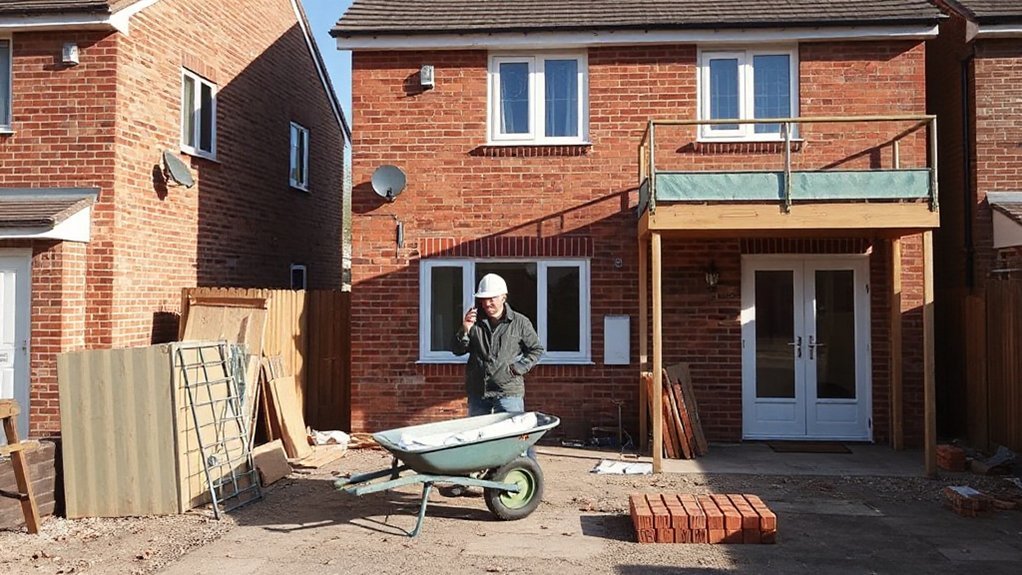
You’ll map the Survey Milestones against your Finish-To-Survey sequence, so every phase aligns with your design intent.
From initial site assessment to final snag, we’ll keep critical dates tight and transparent. This creates a realistic, design-forward timeline that guides decision-making and minimizes risk.
Survey Milestones Timeline
How long does it take to survey a red-brick semi and map its modernization path from first fieldwork to final report? You’ll follow a tight sequence: baseline appraisal, site mapping, condition grading, and a clear, actionable report.
The Milestones Timeline keeps pace with decision points, ensuring you align garden landscaping goals and historic preservation constraints from day one. You’ll capture fabric integrity, material sources, and load paths to inform durable design choices, not guesswork.
- Precise site walk-through with measured sketches and material samples
- Structural health checks and moisture profiling for façade and garden edges
- Historic preservation constraints documented alongside modernization goals
Deliverable schedule: interim findings, design feedback loops, final report ready for approvals
Finish-To-Survey Milestones
Timelines stay tight by enforcing early quality checks, version control, and clear responsibility boundaries for surveys, drawings, and specifications. You’ll track material provenance, ensuring brick craftsmanship is documented alongside dimensional accuracy and detailing notes.
Risk mitigation is explicit: field anomalies trigger rapid re-forecasting of milestones, protecting schedule integrity. Stakeholders receive artifact-ready outputs—CAD updates, BIM models, and annotated photographs—that streamline approvals.
The finish-to-survey sequence respects Victorian architecture constraints, preserving stylistic integrity while enabling modern interventions. You preserve intent, provenance, and performance throughout every milestone, delivering a design-forward, executable pathway.
Pitfalls to Avoid and How to Spot Quality Craftsmanship
To avoid common missteps, start by knowing what quality looks like and where others fall short. You’ll spot sloppy joins, uneven reveals, and mismatched brick tones long before inspectors arrive.
Seek trades that balance restraint with purposeful detail, using materials that age gracefully.
- Sharply squared corners, consistent joints, and true plumb lines signal disciplined craft
- Brickwork that blends colour variation with seasonal weathering for a cohesive patina
- Clean, hidden connections where structure meets finish, notches hidden, screws concealed
- Evidence of purposeful planning around Historical preservation and thoughtful Material sourcing
Quality comes from intention, not bravado. Trust craftsmen who document material provenance, show sample runs, and explain why a chosen brick, mortar, or lime wash serves longevity over trend.
Frequently Asked Questions
What Is the Typical Total Budget Range for This Project?
Typically, you’ll budget around £60,000–£120,000 for a full renovation, depending on scope and finishes. You’ll prioritize historic preservation, boost energy efficiency, and guarantee design-forward detailing, aligning upgrades with heritage constraints and long-term value.
How Long Does a Full Restoration Usually Take?
You’ll typically complete a full restoration in several months to a year, depending on scope. You’re guiding historic preservation and energy efficiency with precise, design-forward decisions that balance authenticity, modern systems, and meticulous craftsmanship throughout the process.
Which Trades Are Essential for a Red-Brick Semi?
You’ll need carpentry, brickwork, plumbing, electrical, roofing, plastering, and tiling as essential trades. Prioritize historical authenticity and material sustainability, ensuring each choice respects period detailing while integrating modern performance and durability for a cohesive, design-forward outcome.
How Do I Verify an Installer’s Carbon Footprint Claims?
You verify an installer’s carbon footprint by requesting third-party audits, project-level data, and lifecycle analyses; compare claims to green energy certifications and verified carbon offsetting programs, and challenge any extrapolated figures with transparent methodology—no vague numbers.
What Are the Most Common Hidden Costs in Renovations?
Hidden costs often pop up during renovations, like overruns, permit delays, or supplier charges. You should monitor budgets closely, plan contingencies, and audit invoices, ensuring historical preservation and modern design refinements stay aligned throughout the project.
Conclusion
You’ve mapped a clear path from shell to shine, and the timing feels right—coincidence lines up with capability. You’ll spot damp before it darkens the mood, and a savvy heat strategy will greet you with comfort at every arrival. The design-forward choices—thermal, ventilated, daylight-rich—record their own progress in real life. When permits align with permits, and each tradesperson delivers quality, your Nottinghamshire red-brick semi won’t just improve; it will endure, elegantly and efficiently.
About the Author