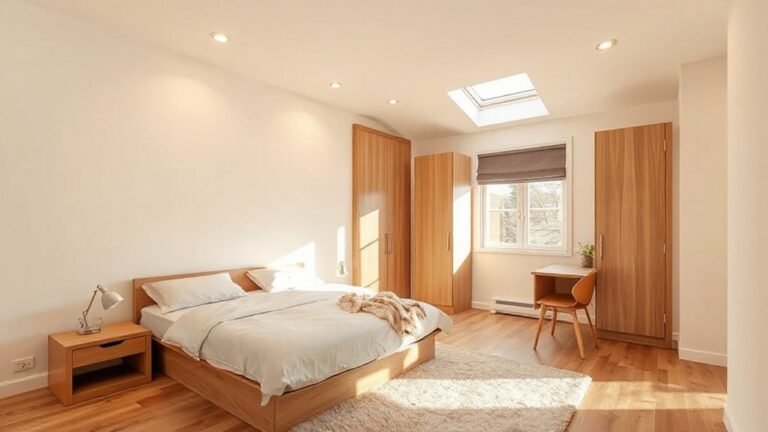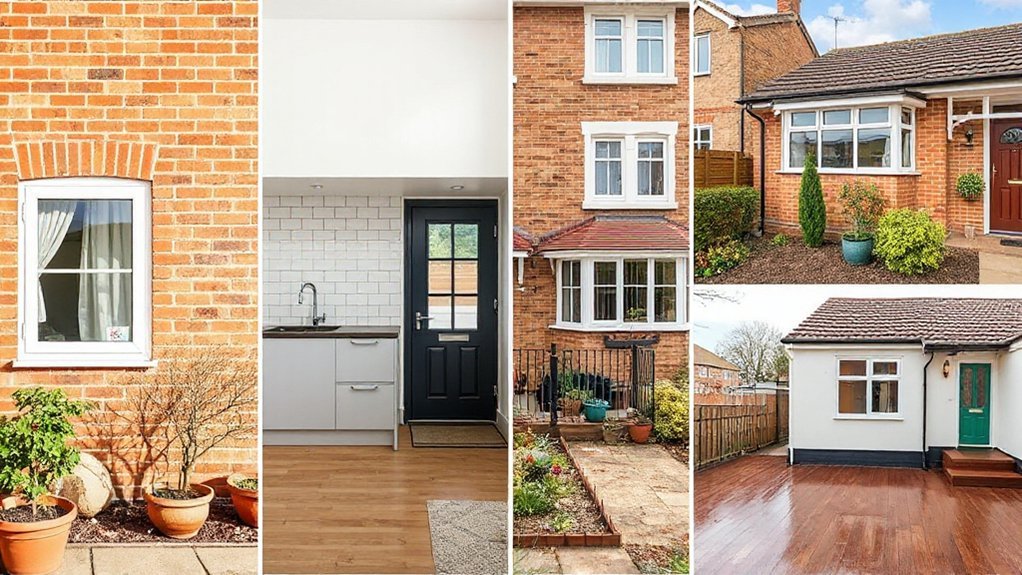
You’ll get the most value from low-cost upgrades that tighten efficiency, boost curb appeal, and refine space perception. Prioritize fixes with proven ROI—draft sealing, LED lighting, fresh paint, and smart storage—plus simple landscaping and decluttering to dramatically alter first impressions without breaking the bank. The data backs you up, but the real test is how these tweaks align with your home’s layout and buyer expectations. Ready to map out where to start?
Prioritize Value: Which Low-Cost Upgrades Matter Most
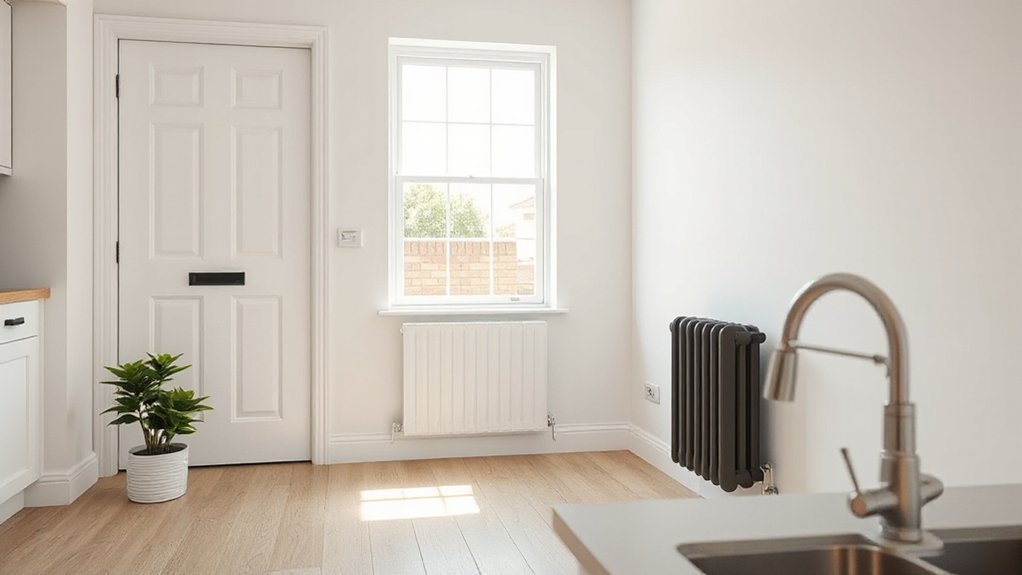
Prioritize value by focusing on improvements that deliver the biggest return for your budget. You’ll maximize impact by targeting high-ROI upgrades with measurable effects.
Start with essential systems updates, like insulation and draught-proofing, which lower running costs and appeal to buyers seeking efficiency.
Garden landscaping matters because a well-maintained exterior increases curb appeal and can lift perceived value at a modest cost.
Integrate smart home technology where it adds demonstrable convenience or energy savings, but avoid over-investment in gimmicks that don’t improve daily living or resale potential.
Track costs, keep changes reversible where possible, and document energy savings or maintenance reductions to justify value.
Prioritise projects with clear payback periods, such as lighting upgrades, smart controls, and durable, low-maintenance landscaping.
Quick Cosmetic Fixes That Make a Big Difference
Could small changes really shift a buyer’s perception? Yes, and the data backs it up. Quick cosmetic fixes deliver outsized returns by altering first impressions without costly overhauls.
Prioritize high-visibility areas: entryway lighting, fresh paint in neutral tones, and hardware upgrades on cabinets and doors.
In living spaces, declutter, restore trims, and guarantee flooring shows minimal wear.
Garden landscaping adds curb appeal at a measured cost, guiding buyer expectations before a tour.
In kitchens and baths, replace mismatched tiles or aging fixtures with modern, durable versions to convey value.
You’ll gain leverage with smart home integration features that are simple to demo—thermostats, lighting, and door sensors.
Implement these tweaks in a data-driven, cost-conscious sequence to maximize perceived quality.
Budget-Friendly Energy Tweaks for UK Homes
Ever wondered how small, budget-friendly tweaks can shave energy costs without sacrificing comfort? You can cut bills by targeting efficiency with practical, data-backed choices.
Begin with smart landscaping to reduce heat absorption: plant shade trees, install windbreaks, and orient beds to minimize cooling loads in hotter months.
In interior spaces, optimize interior lighting by prioritising LEDs, layering lighting, and using dimmers to match activity.
Retrofit practical sealing: weatherstrip doors, seal gaps around windows, and address drafts; these steps deliver measurable reductions in monthly use.
Compare low-cost improvements: programmable thermostats, radiator reflectors, and heat-recovery fans where feasible.
Track performance with simple monthly meter readings to validate savings.
Implement airtight insulation upgrades where feasible, and maintain equipment for peak efficiency to sustain long-term value.
Layout Tweaks That Create Space Without Expanding
If you’re maximizing narrow hallways, you’ll want data-driven tweaks that squeeze flow without adding footprint.
For clever room zoning, use proportioned furniture and subtle dividers to redefine spaces while keeping sightlines clear.
Start with measurements and test layouts to quantify comfort and usability gains before committing to changes.
Maximizing Narrow Hallways
Maximizing narrow hallways can dramatically improve usable space without structural changes. You’ll optimize flow with minimal disruption, prioritizing perception of breadth over actual area.
Start by widening sightlines: remove unnecessary doors or relocate them to align with the corridor’s length, reducing visual clutter. Use consistent flooring and light colors to extend the hallway, creating a continuous path.
Integrate wall-mounted storage or slim consoles to reclaim floor space without encroaching on walkability. Select compact lighting and mirror placements to bounce light, enhancing depth.
Choose sleek, low-profile hardware that complements Historical architecture while preserving character. For finish, opt for muted tones paired with Luxury fixtures in focal spots, like a slim console lamp or a small pendant, to signal value without crowding.
This approach boosts appeal and resale appeal.
Clever Room Zoning
Clever room zoning uses smart layout tweaks to carve distinct functions from the same footprint without adding square footage. You’ll create defined areas by sight lines, materials, and scale, not by structural changes.
Start with clear zones: living, dining, and work, using a rug to anchor each space and low-profile furniture to maintain flow. Choose intelligent storage that doubles as room dividers—benches with compartments, window-seat chests, or wall-mounted cabinets—so function doesn’t compromise openness.
Introduce multifunctional furniture to reduce clutter: a sofa bed, extendable dining table, or fold-away desks that vanish when not in use.
Use consistent lighting to separate zones without visual clutter; track or recessed lighting emphasizes each area.
Measure traffic patterns, ensure accessible pathways, and reassess quarterly to confirm space efficiency remains intact.
Curb Appeal on a Budget: First Impressions That Buy Value
Curb appeal isn’t about grand gestures; small, intentional updates yield the biggest returns. You’ll see value from lighting, paint, and a tidy approach that signals care without overspending.
Data shows front-door clarity and path definition correlate with higher perceived value in UK markets; target a cohesive color palette and clean lines. Use durable, low-maintenance materials to reduce future upkeep.
Garden landscaping should focus on frame and texture: a few evergreen shrubs, seasonal color accents, and a clear lawn edge to sharpen the frontage.
Incorporate smart home technology where practical—simulated occupancy lighting and a keypad entry can boost perceived security and modernity at minimal cost.
Track costs against project scope, prioritising high-visibility, durable fixes over cosmetic excess.
ROI by Cost Tier: Under £100, £100–£500, £500–£1,000
You’ll see how ROI scales with budget tiers: under £100, £100–£500, and £500–£1,000 deliver different value uplifts and payback timelines.
The data you’ll review should highlight the expected percentage gains and time-to-return for each tier, helping you compare low-cost options objectively.
Start by framing decision criteria around cost efficiency, risk, and the likely value uplift you can claim at each level.
ROI By Small Budget
Small-budget upgrades deliver measurable ROI by tiering costs and tracking returns. You’ll see clear differences when you map spend to observable gains across £0–£100, £100–£500, and £500–£1,000 packages.
For under £100, prioritize efficiency and aesthetics that won’t overcommit: fresh interior lighting elements can brighten spaces with minimal disruption, while keeping costs modest.
In £100–£500, focus on practical upgrades that buyers notice: smarter finishes, updated hardware, and cost-conscious smart home components that enhance perceived value without heavy installation.
The £500–£1,000 tier allows calibrated choices—quality interior lighting schemes that emphasize ambience, paired with a scalable smart home backbone to demonstrate modern living.
Track metrics such as daylight replication, energy use, and user appeal to quantify ROI and inform future selections.
Value Uplift Thresholds
Value uplift thresholds map costs to observable gains, helping you prioritize where each pound delivers the most perceptible improvement. You’ll see ROI by cost tier reflect real-world returns: Under £100 tends to tighten finishes and boost first impressions; £100–£500 expands cosmetic refreshes without overhauling layouts; £500–£1,000 supports targeted enhancements that can shift market perception.
In data terms, expect diminishing marginal returns as you climb tiers, but note strategic placements—entryway lighting, kitchen hardware, and bathroom fixtures—to maximize perceived value. Luxury upgrades may spike appeal, yet only when aligned with room-scale impact and build quality.
High end renovations within these bands should center on durability and consistency, ensuring updates feel cohesive, durable, and worth the investment to buyers seeking value and confidence.
Step-by-Step Implementation Checklist
So, where do you start? Begin with a baseline audit: list current fixtures, finishes, and systems, then rank improvement ROI using your local market data.
Prioritize low-cost, high-impact changes you can finish in a weekend—paint, flooring refresh, kitchen hardware, and bold lighting.
For each item, assign a rough cost, a timeline, and a measurable outcome, like perceived space or thermal comfort gains.
Map tasks to dependencies so you avoid rework.
Include a quick supplier and materials check to lock in prices.
Track progress with a simple checklist, updating estimates as you go.
When budgeting, reserve a small contingency for surprises.
If the plan scales, consider Luxury upgrades or High end renovations only after you’ve validated cost versus uplift potential.
Pitfalls to Avoid and Maintenance Planning
After outlining quick, high-ROI improvements, you’ll want to guard against overreach and missteps that undermine value. Pitfalls to avoid include chasing trends without cost justification, underestimating ongoing maintenance, and selecting low-quality materials that fail early.
Ground your plan in data: calculate payback periods, expected life spans, and recurring costs to prioritise durable options. For landscaping tips, choose scalable, low-maintenance greenery and proven irrigation efficiency to reduce long-term bills.
Don’t neglect security upgrades; inexpensive, well‑placed lighting, robust door hardware, and timed access control deter risk and protect value. Schedule regular inspections, track performance, and budget for deferred maintenance to prevent deterioration.
Align improvements with your property’s character, climate, and resale market to maximise ROI over time.
Frequently Asked Questions
How Soon Will I See Value From a Small Kitchen Update?
A small kitchen update can show value in a few weeks to months, depending on market activity. You’ll see faster results with affordable upgrades and quick renovation tips, backed by data on buyer appeal and cost-to-value ratios.
Which Low-Cost Fixes Prevent Damp and Mold Issues?
Turn on proper ventilation systems and install moisture barriers to prevent damp and mold. You’ll reduce humidity, lower condensation risks, and protect walls. Data shows these fixes cut mold incidence; monitor humidity levels and maintain seals for sustained gains.
Do UK Property Markets Reward Cosmetic Over Structural Changes?
You’ll find UK markets reward cosmetic changes more broadly, but selective luxury renovations and historic preservation can attract premium buyers, especially in sought-after areas, though demand remains data-driven, pragmatic, and varies by location and property condition.
How Can I Measure ROI for Budget Improvements?
You can measure ROI by tracking post‑improvement value changes versus costs, using investment analysis tools. Property depreciation and resale timing matter, so calculate net gain after taxes, maintenance, and holding costs to gauge true ROI.
What Grants or Loans Help Fund Cheap Enhancements?
Did you know 70% of homeowners who use renovation loans report higher home equity within a year? You can access affordable options through renovation loans or government grants aimed at energy efficiency and basic remodeling improvements. Seek local programs.
Conclusion
You can boost UK property value with smart, low-cost changes backed by data. Focus on affordable upgrades that yield the biggest ROI, like fresh paint, energy-efficient lighting, and sealing drafts. Prioritize improvements in the £100–£500 range for maximum impact without overspending. Track costs, quantify benefits (reduced energy bills, faster sale), and maintain momentum with a simple maintenance plan. In short, meticulous tweaks equal measurable gains—think of each pound as a seed that grows value.
About the Author