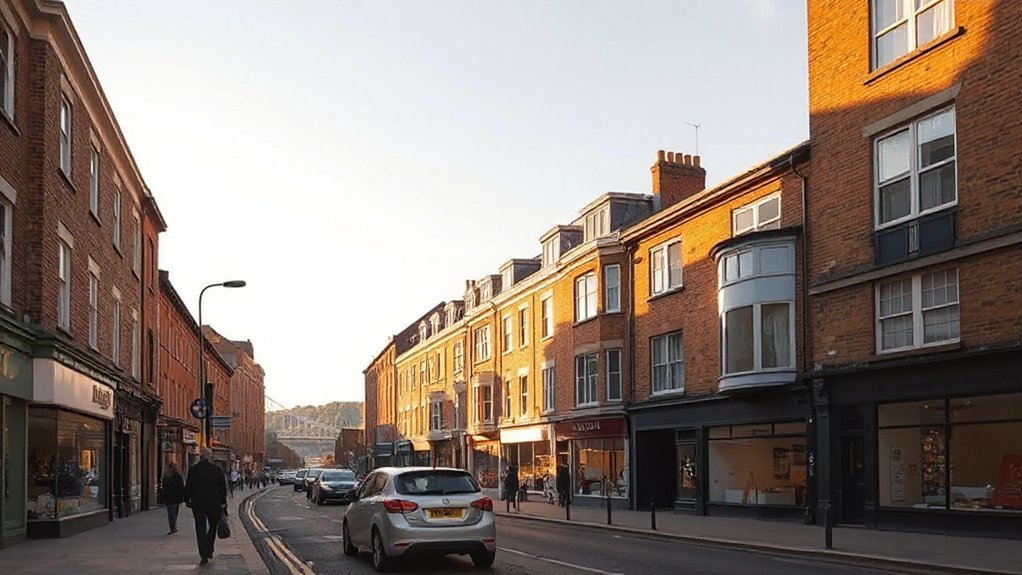
Take Bristol’s Twin River One’s recent price stability as a real example to frame the market: growth is steady, not roaring. You’ll see demand firm around transport links and key neighborhoods, while supply stays constrained, nudging valuations upward only gradually. If rates shift or planning timelines ease, momentum could pick up—but the path looks cautious and data-driven. Want to know which areas are most resilient and what signals to watch next?
Bristol Property Market at a Glance: What’s Changing and Why

The Bristol property market is shifting as demand patterns and financing conditions evolve, and you can see the impact across prices, rents, and transaction volumes. In this snapshot, you’ll notice evidence from historical trends showing steadier rental yields amid regional diversification, while price growth remains selective by submarket and asset class.
Inventory levels have risen modestly, yet buyers show heightened scrutiny toward yields, term lengths, and financing cost scenarios. You’ll also observe that investment strategies emphasize risk-adjusted returns, with greater attention to tax efficiency, lease structures, and refurbishment potential.
Demographic momentum and infrastructure investments underpin long‑term demand, but sensitivity to interest rate swings and affordability constraints persists. Forward-looking, you should model scenarios, compare regions, and align acquisitions with cash flow stability and exit flexibility.
Key Price Drivers in Bristol Today
You’ll see current demand drivers shaping Bristol’s price path, with buyers increasingly weighing location, transport links, and local amenity access.
Early signals point to steady activity, but price momentum remains modest and is contingent on affordability and wage growth.
Going forward, we’ll track how these factors interact with housing supply to assess upside or downside risks.
Demand Drivers In Bristol
Demand for Bristol property is being shaped by a mix of strong regional employment, student and graduate inflows, and deliberate urban scale-up plans, with a clear tilt toward locations offering quick commuting options and lifestyle rewards.
You’ll see demand respond to established historical trends that underscore diversified job hubs, plus evolving market cycles that temper pace after rapid periods.
Data suggests rental and ownership activity clusters near universities, tech splice sites, and core transport corridors, reinforcing resilience across cycles.
While price momentum has pauses, the medium term outlook remains cautiously optimistic as infrastructure and on-campus incentives sustain inflows.
You should monitor vacancies, absorption rates, and new supply signals to gauge how demand drivers translate into price trajectory and housing mix changes over the next 12–24 months.
Market Signals Today
Bristol’s market signals today reflect ongoing inflows from regional employment strength, student demand, and targeted urban development, with price dynamics nudging higher only where evidence supports tighter supply and faster access to key corridors.
You’ll see indicators like rental yields stabilizing near 3.5–4.0% in service sectors, while new listings remain lean in core clusters.
Demand remains disproportionately oriented toward luxury apartments in central districts and contemporary flats near transport hubs, suggesting premium absorption when price discipline holds.
Historic districts continue to attract owners who value heritage assets with modernized interiors, yet pricing hinges on permit pipelines and redevelopment cadence.
Cautious optimism prevails: gains look prudent when vacancy tightens and construction pace aligns with commuter and student demand, sustaining gradual appreciation rather than abrupt spikes.
Demand Vs Supply: What 2024–2025 Means for Buyers
You’ll see how demand growth scenarios interact with a tighter supply outlook to shape price and activity in Bristol through 2025.
Our view is data-driven and cautious, emphasizing plausible paths rather than certainties.
If demand rises more slowly or supply constraints ease, buyers may gain options.
If volatility persists, compressing inventory could sustain prices and competition.
Demand Growth Scenarios
What’ll 2024–2025 mean for buyers as demand and supply shift in Bristol’s property market? Demand growth scenarios hinge on income trends, mortgage rates, and migration patterns.
You should expect gradual uplift in price pressure where activity concentrates around high-demand corridors and neighborhoods with amenities. Buyers who time entry to align with rate stabilization may access better negotiating leverage, though competition persists for top locations.
Luxury apartments and compact city homes are likely to see selective price resilience when supply lags, while areas with green spaces attract steady interest from families and professionals seeking livability.
Monitor planning signals and unit mix changes, as developers respond to shifting demand by prioritizing well-connected, amenity-rich projects.
Supply Constraints Outlook
Supply constraints in 2024–2025 will hinge on how new supply lines respond to shifting demand, with limited completions keeping competition tight in top corridors. You’ll see modest new builds amid tight planning pipelines, elevating prices where urban green spaces and historic preservation shape site viability.
- Demand‑driven delays at the planning stage intensify supply gaps, especially near core employment hubs.
- Completed units will lag behind absorption, sustaining value pressure in prime corridors with limited off‑market stock.
- Policy incentives around heritage zones and green spaces will influence feasible density and timing, smoothing some bottlenecks but preserving price discipline.
For buyers, the path is cautious: monitor approvals, track delivery timelines, and weigh long‑term quality against short‑term price swings tied to urban amenity goals.
Bristol Price Signals: Asking Prices vs. Sold Prices Explained
Price signals in Bristol reveal a gap between asking prices and eventual sale prices, with listing data often overestimating what buyers are willing to pay. You’ll notice that asking prices tend to be higher than completed sale prices, reflecting fresh market pressure and buyer negotiation dynamics.
The gap varies by neighborhood and property type, signaling ongoing market fluctuations you should monitor. When evaluating value, rely on recent sold comparables rather than list prices alone to avoid over-optimistic assumptions.
This approach informs prudent valuation strategies, helping you calibrate offers and expectations in a cautious, data-driven way. Over time, you may see narrowing gaps as buyer sentiment stabilizes and price discovery improves.
Stay attentive to trend shifts, inventory changes, and timing to anticipate where values are headed.
Where Bristol Prices Are Holding Strongest: Regional Hotspots
Across Bristol, concentrations of demand are proving most resilient in regions with strong transport links, amenity clusters, and recent turnover of family homes. These factors suggest these hotspots may sustain tighter price growth even as broader markets moderate.
You’ll notice pockets where Market diversification appears to support steadier gains, even as national cycles temper appetite elsewhere.
Going forward, your focus should be on indicators that signal durable demand and lower vacancy risk, rather than sudden spikes.
- Transport-connected corridors with reliable commute times
- Areas near popular schools, parks, and retail nodes
- Recent turnover zones that attract family buyers and investors
This pattern informs Investment strategies grounded in data, prioritizing resilience and measurable risk controls over speculative moves.
How Infrastructure Reshapes Neighborhoods and Values

You’ll see infrastructure upgrades correlate with faster home-price growth and shifting neighborhood profiles.
As projects roll out, value patterns become more data-driven, with careful attention to timing, access, and alternative transport options.
Looking ahead, you’ll want to monitor how continued investment reshapes demand and long-term affordability in Bristol’s communities.
Infrastructure Driving Growth
Infrastructure upgrades often act as a catalyst for neighborhood transformation, reshaping how residents live, commute, and invest. You’ll see value signals rise where projects align with demand, while risks center on timing and budget. Data indicate slower-filling gaps can unlock downstream growth, but only if connectivity improves and amenities meet expectations.
In Bristol, the mix of green spaces and historic architecture forms a durable baseline for appreciation, provided infrastructure enhances accessibility and safety.
- Improved transit and road reliability correlate with faster commutes and higher rents.
- New or revived public spaces increase foot traffic and ancillary spending.
- Preservation-led development safeguards character while expanding mixed-use options.
Look for project pipelines that integrate parks, walkability, and preservation, to sustain measured, long-term growth.
Neighborhood Value Shifts
Data suggests shifts cluster around visible anchors: healthcare clusters, employment hubs, and university corridors, with ripple effects into adjacent neighborhoods.
Demographic patterns matter: younger, mobile households gravitate toward areas with transit access and affordable rents, while long-term residents assess stability and future upgrades.
Market diversification appears as investors spread across mixed-use zones rather than concentrating in single corridors.
If new infrastructure delivers predictable access gains, property resilience strengthens; if benefits lag or overshoot demand, values recalibrate.
Use ongoing metrics to gauge whether momentum aligns with broader Bristol growth trajectories.
Rental Yields in Bristol: What Investors Should Know

Rental yields in Bristol are shaped by demand from tenants and the city’s growing economy, so investors should start with current data and a clear plan for risk.
You’ll want to assess yield trends, vacancy rates, and rent trajectories to ground decisions in fact, not hype. Look for signs of stabilising rents amid immigration and business growth, while accounting for interest-rate unpredictability.
3-point snapshot:
1) Track Rental income patterns by neighborhood to target high-demand areas
2) Monitor tenant demand indicators such as turnover and pre-let activity
3) Stress-test cash flows against rate changes and maintenance costs
Hold a conservative view on cap rates, plan for contingency vacancies, and re-evaluate quarterly. This data-driven approach keeps you prepared for shifting market conditions.
Buyer Activity and the Path for First-Time Buyers
Buyer activity in Bristol is showing cautious momentum as more would-be buyers enter the market, but affordability and mortgage conditions remain the key constraints. You’ll notice activity steadies at mid-market price points, with a growing share of first-time buyers leveraging longer planning horizons.
Data suggests a modest uptick in property viewings week over week, paired with tighter decision windows as buyers weigh monthly costs against potential capital gains. Market psychology appears conservative, with buyers prioritizing proven inventory and clear ownership paths over aggressive bidding.
For many, this signals a path toward steadier, quality-stock purchases rather than rapid turnover. You should consider diversification of near-term commitments and sustainability of mortgage terms.
Investment diversification across submarkets could balance risk while you navigate the early-stage market.
Mortgage Landscape in Bristol: Rates, Deposits, and Approvals
Mortgage conditions in Bristol are tightening modestly, with rate shifts, higher deposit requirements, and stricter approval criteria shaping purchaser expectations. You’ll notice lenders adopting tighter affordability tests and slower discretionary lending, even as overall demand remains resilient.
This landscape favors borrowers with solid deposits and clear plans for properties with lasting value, such as Luxury apartments and historic conversions, where maintenance costs are weighed against long-term desirability.
- Rates trend cautiously higher in the near term, affecting monthly payments and decision timelines.
- Deposit requirements edge up, boosting upfront costs for many buyers.
- Approval criteria tighten, emphasizing income stability and property-specific risk.
Look ahead with a data-informed view: actions aligned to robust equity, predictable income, and properties with scarcity-backed appeal.
Build-to-Rent and New Developments Shaping Bristol Values
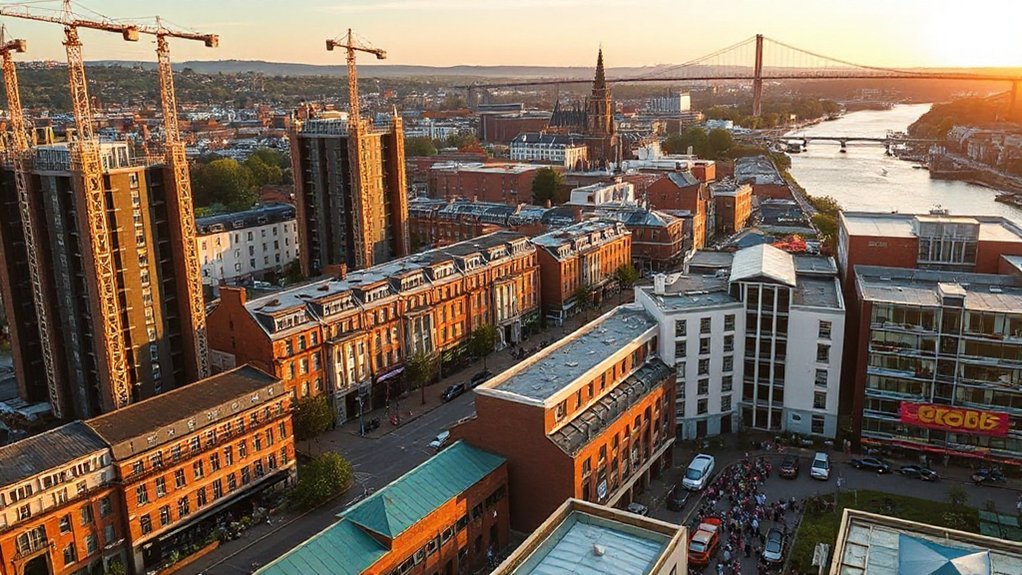
Build-to-Rent schemes and new developments are reshaping Bristol’s value landscape by introducing scale, predictable income streams, and longer-term demand stability. You’ll see elevated price floors in areas near large BTR projects, as institutional capital targets sustainable yields and diversified rent profiles.
Data suggest slower short-term price growth but stronger rental performance, with vacancy rates compressing where amenities align with tenant preferences. Smart homes and energy-efficient specs are increasingly standard, aiding confidence in operating costs and appeal across demographics.
Green spaces adjacent to developments correlate with premium rents and tenant retention, especially for families and commuters seeking balance. Cautious optimism remains: total capitalization cost, planning timelines, and regulatory shifts will influence pace and final value realization.
Continuous monitoring of delivery rates and occupancy will guide expectations for Bristol’s development-led valuation trajectory.
Areas to Watch: Bristol’s Up-and-Coming Neighborhoods
As Bristol continues to attract institutional capital and first-time buyers alike, certain neighborhoods are emerging as potential value hubs—driven by transport links, amenity density, and ongoing or planned developments.
- Community diversity
- Green spaces
- Development momentum
You’ll notice these areas show measurable demand signals: rising rental capture, early occupancy by mixed-income residents, and enhanced local services. Data indicates strengthening demographic breadth, with multicultural amenities increasingly clustered near rail and bus corridors, complemented by parkland and tree-lined streets.
Caution remains warranted: price growth may lag in pockets awaiting infrastructure approvals, while planning can shift timelines. Looking ahead, these neighborhoods could offer resilience through diversified demand and improved quality of life.
Monitor transit reliability, park access, and inclusive housing commitments as key indicators of long-term value trajectory.
The Role of Schools, Amenities, and Transport in Value
You’ll notice that school quality, local amenities, and transit links collectively shape value more reliably than price alone.
Emerging data suggest strong correlations between school performance, amenity mix, and transport efficiency with house-price trajectories and rental demand.
Going forward, we should monitor these levers together to gauge how changes in planning, funding, or service levels may tilt value across Bristol neighborhoods.
Schools And Value
There’s a strong link between a property’s value and the quality of nearby schools, amenities, and transport links, and this connection is unlikely to fade soon. You’ll notice that school rankings and neighborhood safety shape buyer perception, while data point to longer-term value persistence in well‑scored areas.
1) School rankings closely track evidence of rising demand, influencing price trajectories over multi-year horizons.
2) Neighborhood safety, measured by crime indicators and resident confidence, correlates with smaller turnover and steadier pricing.
3) Transport access complements these factors, supporting exit options and commute reliability, which preserves value during market shifts.
Cautious optimism prevails: targeted improvements to schooling and safety can lift prices, but outcomes depend on sustained investment and consistent performance.
Amenities And Appeal
Upticks in luxury apartments tend to cluster near high-performing schools and established service zones, while historic districts attract buyers seeking character alongside practical perks.
Market signals suggest steady demand when local amenities expand—think new cultural venues, green spaces, and recreation—yet price gains remain tempered by affordability constraints.
You’ll also note the resilience of areas with diverse amenities, which cushion cycles.
Looking ahead, expect incremental gains where quality schools, curated amenities, and predictable travel corridors align with investor appetite and tenant preferences.
Transport Connectivity Impact
Transport connectivity shapes value as much as schools and amenities, but its impact depends on how reliably and affordably people can move around. You’ll see prices sensitive to transit reliability, travel times, and last‑mile access, with data showing tighter links to core areas and upgrade corridors.
Sustainable development and cultural diversity influence feedback loops, guiding investment decisions that balance growth with livability. The cautious forecast calls for phased improvements, measurable impact, and transparent cost sharing.
- Track transit reliability against price changes over time
- Prioritize last‑mile solutions in high‑pooling corridors
- Align development milestones with community amenities and schools
These signals point toward a more connected future, where transport adds value without compromising accessibility.
Investment Risks: What Could Push Bristol Prices Up or Down

Property prices in Bristol hinge on a mix of macro forces and local dynamics, but the near-term driver is expectations: tighter mortgage conditions, wage growth, and housing supply versus demand will shape values from the next 12 to 24 months.
You should assess investment risks by weighing how macro shifts and policy changes alter affordability, financing costs, and construction pipelines.
Market stability hinges on consistent demand against supply constraints, with potential upside from urban renewal, targeted development, and infrastructure gains.
Downside pressures include higher interest rates, tighter lending, and slower regional employment momentum.
Diversification across asset types and geographies helps reduce risk, while staying data-driven guides timing.
Expect gradual price resilience if transparency, governance, and delivery pace improve.
Pricing Psychology: How Buyer Sentiment Moves Bristol Markets
You’ll see how Buyer Sentiment Indicators line up with Market Psychology Triggers to shape Bristol pricing.
Early signals and Pricing Hotspots Trends help you gauge where demand could tighten or loosen next.
This is data-driven, cautious forward-looking analysis you can use to anticipate shifts in buyer behavior.
Buyer Sentiment Indicators
Buyer sentiment in Bristol is a leading indicator of price movement, shifting with housing supply signals, mortgage rates, and economic data. When buyers feel confident, bidding tightens and prices rise, but caution can temper activity even amid low inventory.
You’ll see indicators rise with affordable financing and positive employment trends, yet falter if rates spike or new supply surprising slows. Expect nuanced signals from demand gateways, including transaction velocity, listing-to-sale duration, and contingent offers.
The following patterns help frame near-term risk and opportunity:
- Mortgage rate shifts correlate with price momentum in luxury segments like Luxury apartments.
- Inventory quality, including green spaces, moderates price responsiveness during buyer lullups.
- Buyer enthusiasm varies by neighborhood, with premium districts showing tighter dynamics.
Market Psychology Triggers
Market psychology shapes Bristol pricing more than any single metric, as perceptions of risk and opportunity ripple through demand threads. You’ll see how emotional investing influences bid timing and price tolerance, often ahead of official data releases.
When sentiment hardens around a neighborhood or school catchment, you may notice faster-than-expected price acceleration, followed by a plateau as buyers reassess affordability and risk.
Market rumors, even when unverified, can prompt provisional offers or cautious delaying tactics, creating short-term volatility that isn’t tied to fundamentals. Conversely, transparent reporting and consistent appraisal standards tend to dampen swings, reinforcing trust in value signals.
Looking forward, you should weigh sentiment cues alongside macro indicators, recognizing psychology as a catalyst, not a sole driver, of Bristol’s pricing trajectory.
Pricing Hotspots Trends
Pricing hotspots in Bristol are shifting as buyer sentiment concentrates around a few high-visibility corridors, with data pointing to rising activity in core residential zones and selective outskirts near top schools and transport hubs.
You’ll notice demand clustering where luxury apartments and historic conversions sit closest to transport links and amenity layers, signaling a premium for accessibility and character. While headwinds exist, the trajectory remains cautious and data-driven, highlighting selective price resilience in proven corridors.
- Core corridors show steady upticks in price pacing, especially for luxury apartments.
- Historic conversions near established hubs command stronger sale-to-list ratios and quicker turnover.
- Outskirts with solid school catchments retain appeal, yet price growth remains selective and measured.
Short-Term Catalysts Likely to Move Prices Soon
Despite recent stabilizations, several short-term catalysts could move Bristol’s prices in the near term. You’ll see momentum from urban regeneration projects that shift desirability and open nearby investment, but gains may be uneven as funding schedules and planning approvals unfold.
Rental affordability remains a key constraint for first-time buyers and renters, potentially capping price gains where vacancy remains elevated or wage growth stalls. Data suggests activity could cluster around quarterly policy signals, with lenders adjusting mortgage criteria and developers pacing launches to match demand forecasts.
Seasonal demand, plus migration patterns within the city, could produce micro-volatility in neighborhoods tied to new transport links or amenity clusters. Overall, a cautious, data-driven stance helps anticipate modest appreciation rather than rapid surges.
Long-Term Outlook: Expert Predictions for Bristol
Long-term forecasts for Bristol hinge on sustained demand, demographics, and policy direction, even as near-term momentum slows. You’ll see expert predictions grounded in data trends, not hype, emphasizing stability over rapid swings.
Urban regeneration and market diversification emerge as key levers shaping trajectory, with downtown and fringe areas evolving at different paces. Here’s what to watch:
- Demand resilience across tenant types, reflecting housing supply policies and employer growth.
- Demographic shifts, including aging populations and student inflows, guiding unit mix and pricing anchors.
- Policy direction, funding cycles, and infrastructure investments that influence long-run affordability and feasibility.
Expect gradual appreciation moderated by supply responsiveness, with selective pockets of outperformance tied to regeneration projects and diversified offerings.
How to Assess Bristol Property for Future Value
To assess Bristol property for future value, start with a data-driven view of demand drivers, including rental yields, vacancy rates, and local employment trends.
Then weigh how these fundamentals align with planned infrastructure and regeneration projects. You’ll assess how urban regeneration efforts influence rental demand, transport links, and school quality, translating insights into valuation signals.
Consider rental yields relative to price growth, noting any widening gaps or stabilization patterns. Map vacancy rate trends to occupancy risk and cash-flow resilience across asset classes.
Factor in local property taxation changes and any reliefs that affect net income. Exercise caution, stress-testing scenarios under different regeneration timelines and policy shifts.
Prioritize properties with diversified demand drivers, transparent planning, and well-funded project pipelines.
Practical Steps to Position Yourself for Price Movements
You can position yourself for price movements by anchoring decisions to near-term data signals—rental yields, vacancy trends, and employment momentum—while keeping an eye on upcoming infrastructure and regeneration milestones.
This approach pairs caution with foresight, focusing on measurable indicators rather than hype. Consider how shifts in luxury apartments and commercial real estate activity translate into broader price paths.
- Track rent growth and vacancy shifts for both Luxury apartments and Commercial real estate to gauge demand and pricing power.
- Monitor infrastructure milestones and regeneration timelines to anticipate value inflection points across submarkets.
- Align acquisitions with incremental signals—short-term leases, investor demand, and bank lending appetite—to reduce risk while staying exposed to upside.
Frequently Asked Questions
How Quickly Could Bristol Prices Recover After a Downturn?
Prices could rebound within 6–18 months, though market volatility stays high; you should adjust with disciplined, data-driven investment strategies, monitor indicators, and diversify to hedge risk while pursuing gradual, cautious growth as recovery signals strengthen.
Which Neighborhoods Offer the Best Value in 2025?
You’ll find the best value in neighborhoods balancing luxury apartments and historic estates, with growth supported by data. Expect steady demand, cautious forecasts, and selective upgrades; you’ll benefit from measured prices and targeted investments in 2025.
Do Rental Yields Outperform Capital Appreciation Recently?
Rising rents beat capital gains lately, but you should tread carefully, as rental income offers steadier cash flow while price growth remains uneven and uncertain. This strengthens your investment potential, yet requires diversification and ongoing market monitoring.
What Impact Will New Transport Links Have on Prices?
New transport links will likely lift prices modestly, especially around hubs, you’ll notice. Luxury apartments near green spaces show stronger demand; data suggests gradual appreciation as accessibility improves, though market caution and variability remain key for you.
Are First-Time Buyers Facing Tighter Lending Standards?
Yes, you’re facing tighter lending, as mortgage criteria tighten and lending restrictions rise. You’ll need stronger proofs, a steadier deposit, and cautious budgeting; signals show gradual access improvement, but stay data-driven and prepared for slower milestones.
Conclusion
Prices in Bristol look set to trend upward slowly, supported by transport upgrades, demand near hubs, and limited new supply. The data point to modest appreciation, with regional hotspots outperforming broader markets. Short-term catalysts could nudge prices higher, while long-term demand drivers remain steady. If you’re weighing a move, monitor interest rates and planning timelines—but position yourself now, like tightening sails before a calm, to capitalize on gradual, sustainable value growth.
About the Author