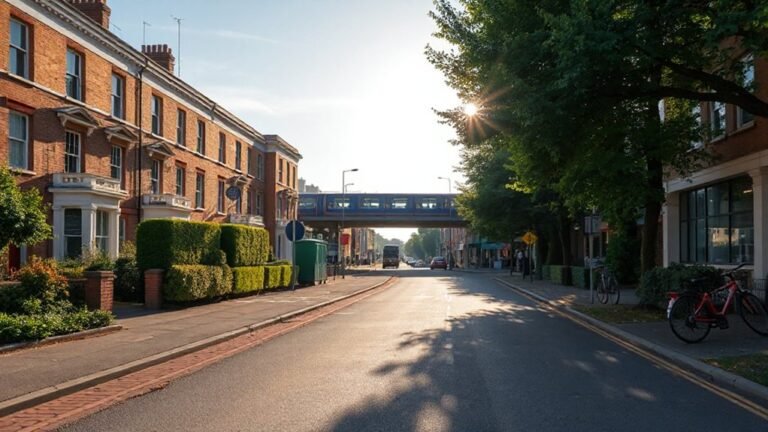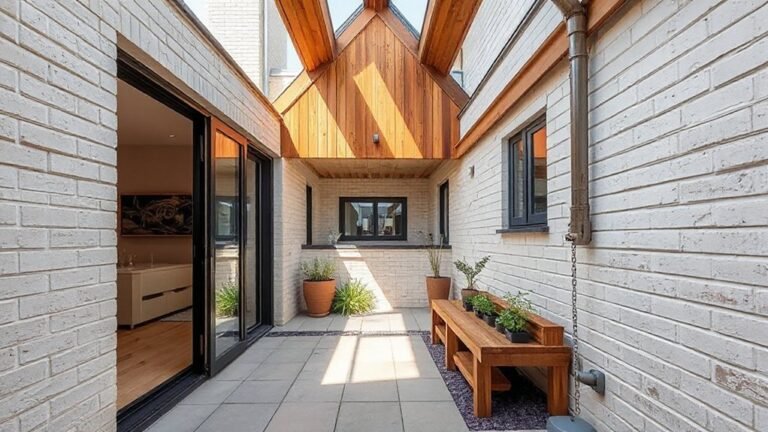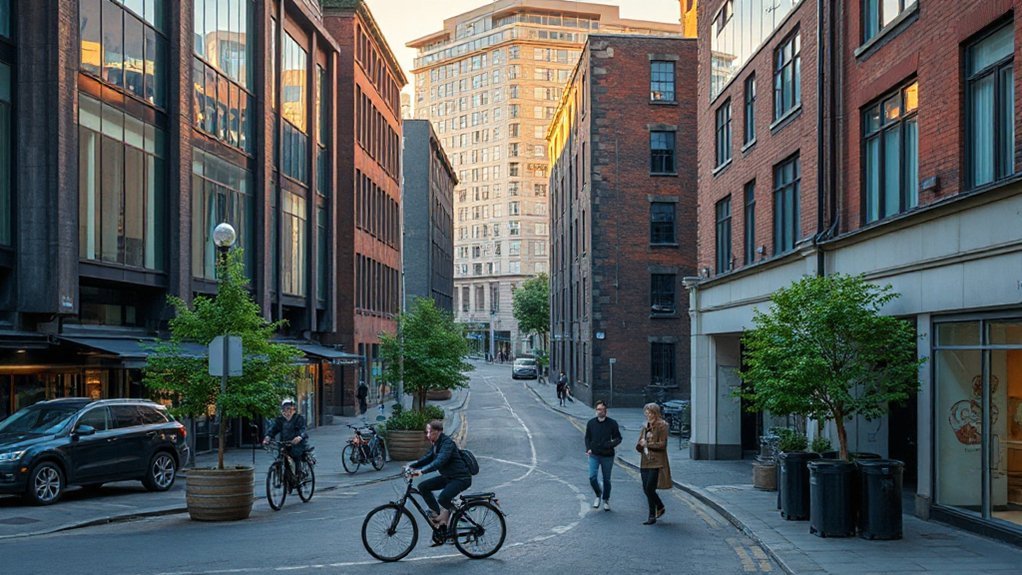
Did you know that young professionals increasingly prioritize walkable cores and affordable rents, with West End and Southside leading in both categories? You’ll weigh culture and cafes against transit access and green space, then map the tradeoffs between commute time and lifestyle. Each Glasgow quadrant offers a distinct mix, so your next move hinges on which balance you value most—and that choice isn’t obvious from stats alone. Ready to weigh the options?
Why Glasgow Attracts Young Professionals

Glasgow attracts young professionals because it combines affordability with growing opportunity. You’re weighing salary potential, cost of living, and career verticals, and the data point to a favorable balance: lower rents relative to peers, widening tech and creative sectors, and connected transport links.
You’ll notice commute times stay reasonable, reducing downtime and boosting productivity. Local cuisine and cultural amenities contribute to job satisfaction, supporting retention beyond initial offers.
Nightlife hotspots cluster in walkable districts, enabling after-hours networking without long commutes, which improves cross-sector collaboration.
Participation in urban redevelopment programs signals ongoing investment, translating into expanding startup ecosystems and established firms hiring for growth.
In short, sustained affordability, improving opportunity, and accessible lifestyle options drive Glasgow’s appeal to early-career professionals.
How to Choose a Glasgow Base for Work and Social Life
To pick a Glasgow base that balances work and social life, start by mapping commute patterns, rental costs, and proximity to core sectors like tech and creative industries. You’ll measure average door-to-desk times, estimate monthly rent per square foot, and compare districts by projected growth in density and transit access.
Prioritize neighborhoods with high peak-hour reliability, affordable flex-space options, and proximity to both job hubs and meeting spots. Then weigh social density against commute ease to optimize time away from work.
Local nightlife and dining hotspots should be considered as value-adds, not afterthoughts—identify clusters where after-hours transit is reliable and food scenes align with your interests.
In short, quantify trade-offs, pick a radius that minimizes friction, and test footing before committing.
West End Vibe: Culture, Cafes, and Community
You’ll see the West End’s culture and cafes form a measurable ecosystem, with clustering of venues and footfall patterns that correlate with work-life balance for young professionals.
Data shows strong social connectivity through cafes and informal meetups, reinforcing a community vibe beyond nightlife.
This first look flags how culture access and cafe density shape daily routines, networking, and local collaboration.
Culture and Cafes Scene
The West End’s culture and cafe scene centers on a dense cluster of independent venues that blend art, coffee, and community. You’ll notice a tight feedback loop between venues, creators, and patrons, with attendance tracked and trends noted by local guides.
Data show strong daytime footfall around coffee roasteries and bookshops, followed by evening spikes for art galleries and live music. You’ll experience a walkable density that sustains smaller stages and rotating exhibits, reinforcing collaboration and cross-pollination across disciplines.
- art galleries and pop-up installations driving weekend footfall
- live music nights powering after-work gatherings and conversations
- coffee-focused venues pairing with local artists for extended stays and conversations
This ecosystem thrives on proximity, accessibility, and measurable cultural heartbeat.
Community and Connections Vibe
West End life centers on everyday exchanges that knit culture, cafes, and neighbors into a coherent social fabric. You observe how social ties form through routine interactions, not grand gestures, and how this translates into measurable cohesion.
Data show high participation in local groups and voluntary networks, with steady growth in community engagement over the past year.
Cafes and parks act as anchors, guiding informal meetups and cross-demographic dialogue.
You’ll notice residents prioritize accessibility, with frequent walking trips to nearby venues, boosting footfall and micro-economies.
Local events drive connection peaks, aligning with neighborhood forecasts for engagement and trust.
The trend suggests a durable, participation-driven vibe that sustains professional networks alongside personal convos and collaborative projects.
Southside Living: Design-Minded Flats and Green Space
Southside living centers on design-forward flats that maximize natural light, flexible layouts, and high-quality finishes. Green spaces and accessible parks provide a visible outdoor extension of home.
You’ll notice that design aesthetics drive unit selection, with open-plan living and large windows correlating to higher rental yields and faster tenancy turnover.
Space is deployed efficiently, supporting workstation zones and multi-use areas in compact footprints, aided by modular furnishings and premium materials.
Green space integration is a measurable asset, enhancing well-being scores and pedestrian footfall from nearby residential streets to parks and paths.
- Design-forward layouts enhance natural light and adaptability
- Green space integration boosts well-being metrics and desirability
- Data-driven performance: rental yields, vacancy, and foot traffic indicators
East End on the Rise: Affordability and Accessibility
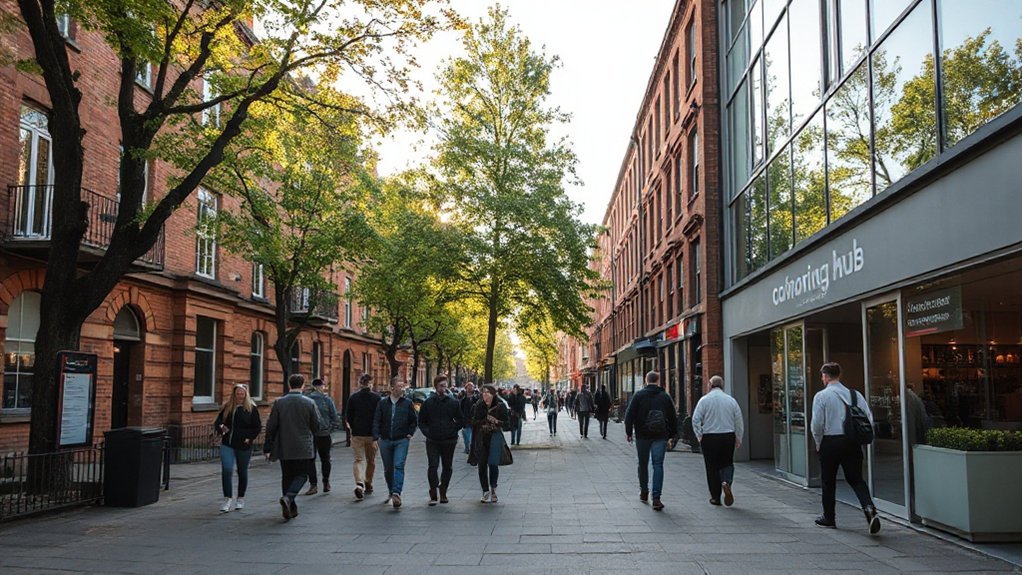
Affordability pressures and improved transit access are reshaping the East End for young professionals, with lower rents and shorter commute times offsetting higher demand in other districts.
You’ll see a tighter rental market still balanced by targeted Affordable housing initiatives and multi-unit developments near transit hubs.
Data indicate rent growth in the East End trails the city core by a few percentage points over the past year, while vacancy rates hover around regional averages.
Transportation options, including bus rapid transit, cycling corridors, and newer rail links, cut door-to-destination times by 10–20 minutes for many commutes.
This mix supports in-area growth without sacrificing access to established employment clusters.
North Glasgow: Practicality, Quiet Residents, and Value
North Glasgow offers you practicality and quiet living, with nearby amenities and transit options that support a predictable routine. You’ll see value in stable rents, efficient layouts, and lower noise levels compared to busier districts.
We’ll compare ongoing costs and resident experiences to identify where practicality and value align for young professionals.
Practicality and Quiet Living
In North Glasgow, practicality and quiet living appeal to professionals who prioritize efficiency and a low-distraction environment. Residents typically value reliable transit access, compact layouts, and well-maintained, low-traffic streets.
You’ll find a focus on predictable commute times, scalable apartments, and micro-habitats designed for concentration. Data shows steady demand for routes near arterial stops and bike corridors, plus soundproofing in mid-rise blocks.
Implementing home automation and urban gardening features boosts comfort without increasing clutter or noise. Consider these drivers:
- Consistent transit reliability and speed
- Efficient, compact floor plans with storage
- Quiet building envelopes and controlled access
Quiet, productive spaces reinforce value, while smart systems and lightweight greenery support daily routines without distraction.
Value for North Glasgow Residents
For North Glasgow residents, practicality, quiet, and value translate into measurable benefits: reliable transit, compact, well-designed spaces, and predictable costs drive steady demand and higher satisfaction.
You’ll see value in walkable access to local cuisine and proximity to nightlife hotspots, with predictable rents and fees supporting budgeting.
Transit reliability reduces time lost to commutes, boosting disposable income for services and leisure.
Compact layouts maximize usable square footage without sacrificing function, supporting home offices and social spaces.
Property values reflect consistent demand from professionals seeking stable costs and convenience.
Quiet neighborhoods minimize disruptions, preserving daytime focus and weekend downtime.
Best Neighborhoods for Flat Sharing and Rentals
Across Glasgow’s core areas, the best neighborhoods for flat sharing and rentals balance affordability, accessibility, and quality of life. Data shows solid rental yields, lower vacancy rates, and strong transport links.
You’ll find rental affordability paired with apartment amenities that meet student and professional needs, plus predictable maintenance. The following areas stand out for efficiency, modern stock, and steady demand:
- High-yield clusters near city center with well-maintained buildings and responsive management
- Student-friendly districts offering flexible leases and communal spaces
- Established residential pockets delivering consistent occupancy and transparent pricing
In short, prioritize areas with transparent pricing, robust amenity sets, and reliable transit access to optimize your flat-sharing outcome.
Transit Access: Getting Around Glasgow for Work and Play
Glasgow’s transit network combines rail, bus, and road links to keep work and leisure within easy reach, with data showing fast commutes and high-frequency services across the city.
You’ll benefit from a dense rail map connecting central business districts to suburban hubs, complemented by frequent bus corridors that align with peak-hour demand. Public transportation usage remains high, underscoring reliability and predictable schedules.
Bike friendly routes are expanding, offering safe corridor options that connect neighborhoods to transit stops and workplace clusters, reducing car dependence.
Time-to-destination metrics improve when multimodal trips are planned, supported by real-time updates and integrated ticketing.
In practice, you can optimize routes for meetings, coworking days, or social outings without sacrificing travel time or cost.
Commuting Realities: Typical Distances and Times in Key Areas
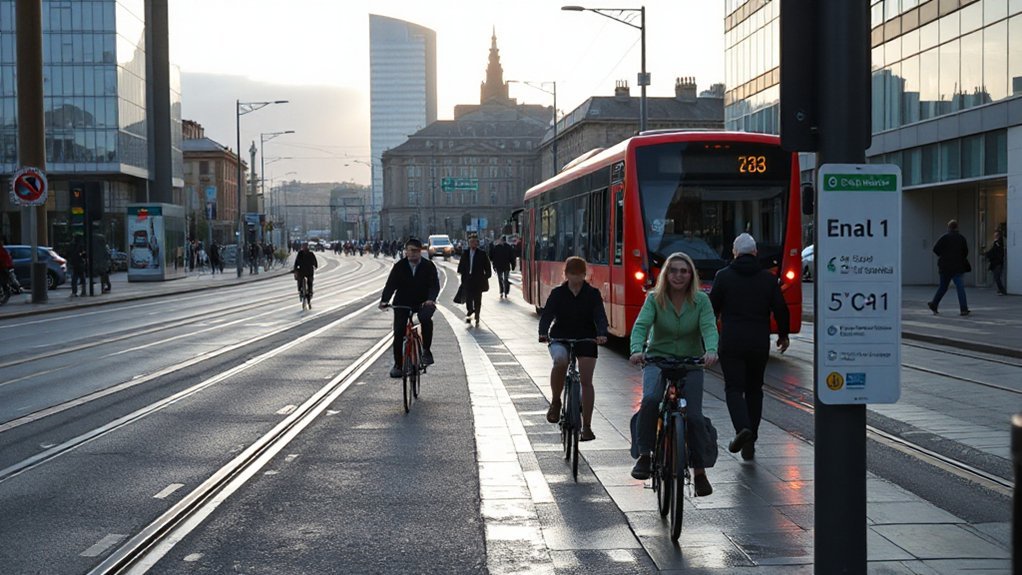
You’ll see how commuting distances map to daily realities across Glasgow’s key areas, with concise figures you can compare at a glance.
The Typical travel times breakdown shows which neighborhoods offer the fastest links to central employment hubs and how variability affects planning.
Use these data cues to gauge where shorter, more predictable commutes align with your work and lifestyle priorities.
Commuting Distances Overview
How far do you actually travel to reach work or study in Glasgow’s popular zones for young professionals? Distances vary by area, but patterns emerge. You’ll see core commutes map to dense transit corridors, with shorter trips toward central nodes and longer hops toward peripheral districts.
Distances influence choices about housing and costs, and they’re linked to reliability and safety perceptions.
- Shorter, shielded rides along rail and bus corridors
- Moderate distances to workplace hubs with high neighborhood safety scores
- Longer commutes when living far from rapid transit loops
Data highlight that transport options correlate with distance, shaping daily routines. You assess convenient routes, time windows, and safety profiles as you plan housing and study locations.
Consider how distance interacts with transport options and neighborhood safety in your decision.
Typical Travel Times Breakdown
Travel times reveal how distances translate into daily rhythms across Glasgow’s youth-focused zones. You’ll see a data-driven map of typical commutes: CBD to West End averages 12–18 minutes by bus, while East End pockets push toward 25–32 minutes. Suburban clusters hover around 20–28 minutes, depending on rail proximity and peak-hour congestion.
Weekday variability matters: trains cut door-to-door times on core lines, yet bus networks lag during rush hours, elongating buffers by 5–12 minutes. When you compare pockets with vibrant local cuisine scenes and nightlife hotspots, evening trips shorten as crowding shifts to nightlife districts, but late trains drop reliability.
Social Life Near Your Work Hubs

In Glasgow’s key work hubs, the social scene clusters around lunchtime and after-hours transit routes, making proximity to offices a reliable predictor of after-work gathering spots. You’ll notice density correlates with office clusters, with high footfall after 5 p.m. and on Fridays.
Local nightlife venues near tech and finance corridors show higher repeat visitation, suggesting steady networking returns for professionals.
Social networking effects emerge in compact zones, where shared commutes boost informal meetups and knowledge exchange. Data indicate a strong link between proximity, venue variety, and perceived access to professional networks.
- Local nightlife near office nodes drives recurring after-work meetups
- Social networking benefits rise with path convergence and frequent crossings
- Venue density and timing align with peak professional social activity
Green Spaces That Boost Productivity
You’ll see a clear link between green space availability and productivity metrics across Glasgow’s tech and finance hubs.
Quiet parks near work centers correlate with higher focus scores and shorter mental fatigue recovery times, while open-air breaks boost concentration during key tasks.
In this view, prioritizing serene, accessible greenspaces can sharpen work performance without extra hours.
Green Space Productivity Link
What impact do green spaces have on productivity? You’ll see measurable gains in focus, task persistence, and creativity when access aligns with daily routines. Data indicate calmer workdays, reduced perceived workload, and faster recovery between sessions in urban settings.
In Glasgow, proximity to greenery correlates with higher job satisfaction and lower commute stress, especially where micro-parks support active breaks and social interaction. You’ll also benefit from structural features that sustain attention, like density of trees and shade patterns that lower heat stress.
Bring in urban gardening and local art as signaling mechanisms that boost engagement, sustainability, and community pride.
- Proximity to micro-greenspaces and pocket parks
- Integration of urban gardening programs and civic art
- Access to shaded routes and pleasant sightlines through local art
Quiet Parks Focus
Quiet, strategically placed parks and shade-rich routes can reduce cognitive load and stress, helping you sustain attention longer between tasks.
In Glasgow, data show small, well-distributed green pockets correlate with higher perceived productivity among young professionals.
Quiet parks function as micro-restorative zones, lowering heart rate variability thresholds that typically rise during prolonged work bouts.
Within these sites, tranquil lakes act as acoustic buffers, dampening city noise and facilitating cognitive recovery after demanding tasks.
Hidden gardens offer microclimates and visual variety, supporting sustained focus through novelty without distraction.
Usage patterns indicate peak midday returns to work after brief outdoor breaks, aligning with short-duration task cycles.
The combination of shade, water features, and intimate plant layouts yields measurable mood improvements and consistent concentration gains.
Fresh Air Concentration Boost
Fresh air boosts concentration by reducing cognitive fatigue and enhancing information processing. You’ll notice measurable gains in focus when you linger in green spaces between meetings, thanks to improved autonomic balance and lower perceived effort.
In Glasgow’s professional clusters, small outdoor retreats correlate with longer sustained attention and quicker problem-solving energy, especially after dense indoor work. The data suggest a dose-response effect: regular exposure to nature yields incremental cognitive benefits, amplified by brisk outdoor activities.
- Fresh air exposure cycles with during-work breaks to sustain alertness
- Outdoor activities, even brief, boost mood and processing speed
- Proximity to green space predicts higher daily productivity scores
Weekly Markets, Cafés, and Co-Working Spots to Know
From weekly markets, cafés, and co-working spots, you can map Glasgow’s practical hubs for work and networking, with data-backed picks that balance cost, wifi reliability, and opening hours.
You’ll see that weekly markets anchor social calendars and often reveal affordable spaces for informal meetings, while cafés offer steady power and seating density for focused work.
Co-working spots deliver predictable wifi speeds and access to professional communities, contrasted by flexible memberships and hours.
Local art infuses these venues with character, creating conversation starters during breaks and fostering community ties.
Weekend markets surface in data when evaluating foot traffic and noise levels, guiding decisions on quiet work blocks.
Schools, Safety, and Family-Friendly Considerations
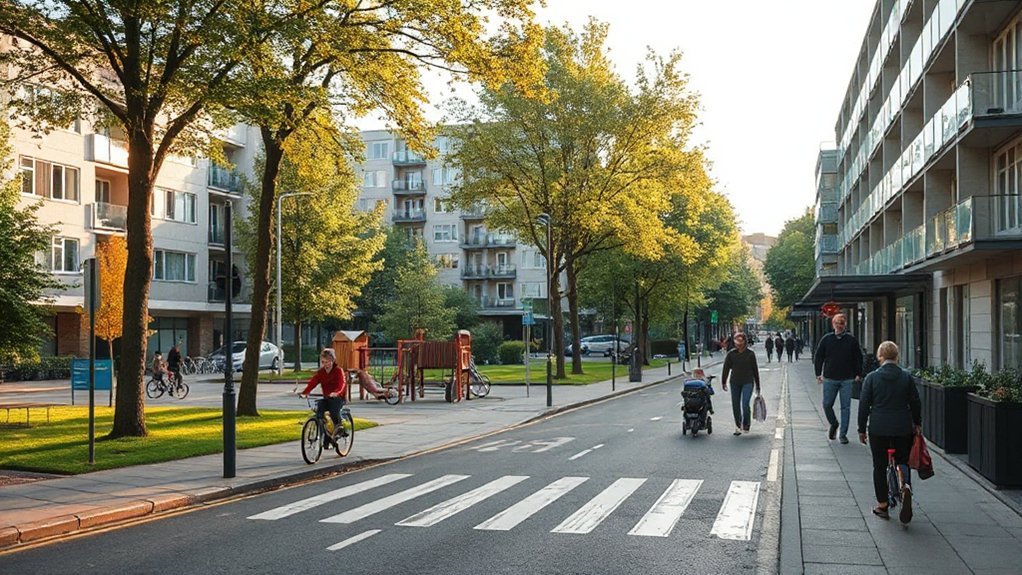
If you’re evaluating Glasgow for families, schools, safety, and kid-friendly amenities should top your criteria, and the data supports a clear split by neighborhood. You’ll notice measurable differences in School quality and safety ratings across areas, with some districts consistently outperforming others.
Concentrations of high-rated schools often align with safer streets and lower incident reports, informing where families cluster.
- School quality: performance bands, Ofsted-equivalent metrics, and access to primary and secondary options
- Safety ratings: crime incidence, patrol presence, and environmental design factors
- Family-friendliness: parks, libraries, and coded amenities that support daily routines
In short, neighborhoods with stronger School quality and safety ratings correlate with higher family appeal and predictable livability.
Budgeting for Rent: Typical Ranges by Area
Rent costs in Glasgow vary noticeably by neighborhood, with data showing a clear spread between core urban cores and suburban belts. You’ll see budgeting implications from rental bands in the city center to peripheral districts, where housing costs taper.
Average rental ranges for one-bedroom apartments sit around £850–£1,100 in central areas, while two-bed units typically land £1,100–£1,600. In popular tech and finance lanes, expect toward the higher end; in emerging, transit-accessible suburbs, budgets skew lower.
When planning rent budgeting, factor demand cycles, lease length, and utility splits. Consider annual price growth modest but uneven, with central renewal areas rising faster than outlying belts.
Use these ranges as anchors, but verify current listings and rental comps monthly to refine your housing costs expectations.
Finding Your First Home: Tips for Young Pros
Finding your first home as a young professional hinges on aligning budget, location, and long-term trajectory, then acting on data rather than impulse.
You’ll evaluate price per square foot, projected equity, and commute time, prioritizing steady income growth over flashy features.
First time buying requires disciplined search criteria and mortgage tips that minimize risk.
- Compare lender rates, fees, and pre-approval timelines to lock favorable terms early
- Model scenarios for rent vs. buy, including stamp duty, maintenance, and potential appreciation
- Target locations with infrastructure growth, schools, and future transport links
Rely on dashboards, recent sales comps, and loan calculators to validate decisions.
Keep emotions out of the equation, favoring evidence-driven choices that align with your long-term trajectory.
Commute Stress vs. Quality of Life: Real-World Tradeoffs
Balancing commute stress against quality of life is a practical, data-driven exercise for young pros evaluating neighborhoods. You’ll weigh travel time, reliability, and transit cost against daily routines, social life, and after-work activities.
When your commute tightens, you’ll notice diminishing work life balance, slower mornings, and fewer spontaneous meetups. Yet shorter, predictable trips correlate with higher daily productivity and weekend energy.
In Glasgow, patterns show that proximity to key hubs reduces commuting challenges, boosting overall satisfaction more than flashy amenities alone.
Be precise: quantify door-to-desk minutes, wait times, and transfer counts, then compare with weekly leisure slots and gym sessions.
The goal isn’t perfection, but minimizing peak congestion and variability to sustain consistent performance and well-being.
Next Steps: How to Pick Your Glasgow Base for Remote Work
When choosing a Glasgow base for remote work, prioritize neighborhoods that minimize door-to-desk time and maximize reliable connectivity. Then overlay quality of life factors like affordable housing, green space, and after-work options.
Data indicates that proximity to transit hubs and coworking facilities reduces distraction and *accesses* consistent bandwidth, critical for remote work and digital nomads alike.
Assess rent-to-tech costs, seasonal price stability, and commute variance to forecast total cost of living.
Map networks of cafés with stable Wi-Fi, quiet rooms, and charging infrastructure.
Use a scoring model to balance productivity, wellbeing, and expense.
- Key connectivity scores and coworking density
- Rent versus services and transit access
- Leisure, parks, and after-work options for balance
Frequently Asked Questions
How Quickly Can I Find a Suitable Flat Share in Glasgow?
Finding a suitable flat share in Glasgow varies, but you can expect 1–3 weeks with diligent searching. Rent prices trend upward in central areas, and the social scene supports quick decisions when you compare options promptly.
Which Neighborhoods Offer the Best Value for Young Pros?
You’ll find the best value in Merchant City and Finnieston, where affordable dining and nightlife hotspots cluster; data shows rents under market in these zones, though West End offers quality, balance, and scalable options for young professionals.
What Is the Typical Commute Time From the East End?
Public transit typically gets you there in about 25–35 minutes, depending on your East End start and destination; commuting options vary from buses to suburban rail, with trains often faster during peak hours.
Are There Affordable Coworking Spaces Near Work Hubs?
Are you seeking affordable coworking near work hubs? You’ll find budget options, plus remote work amenities and frequented networking events. Data shows pricing tightens in central zones, while membership plans and day passes optimize costs and utilization.
How Family-Friendly Are Glasgow Neighborhoods for Young Professionals?
You’ll find Glasgow neighborhoods quite family-friendly, with reliable schools and green spaces. You’ll also notice local parks and nightlife options vary by area, so you’ll compare safety, commute times, and amenities before choosing where you’ll settle.
Conclusion
Glasgow’s best bets for young pros balance cost, commute, and culture. West End, Southside, East End, and North Glasgow each offer distinct live-work ecosystems, with transport links and green space shaping daily life. Data shows affordable rents cluster where transit is strongest, while vibrant amenities sustain social and professional networks. Choose a base that minimizes commute stress while maximizing access to work hubs and neighborhoods that fit your vibe—your ideal balance is not one-size-fits-all, it’s personal. Like a compass.
About the Author