The Advantages of Listing Your Property with a Responsive Estate Agents Website
The process of selling a home is stressful enough without having to chase your estate agent for updates, wait days for a viewing to be booked, or discover that an interested buyer has moved on because nobody returned their call. Yet for many vendors, this is precisely the experience they get — and the frustration it generates is one of the most consistently cited complaints about the estate agency sector.
Responsiveness is not a minor service quality detail. In a property transaction, timing matters at almost every stage — from the first enquiry through viewings, offers, negotiation, and the drawn-out conveyancing process that follows. An agent who responds promptly and proactively at each of these stages does not just provide a better experience: they achieve better outcomes. Properties sell faster, at better prices, and with fewer fall-throughs when the agent managing the sale is genuinely on top of communication.
This article sets out exactly what those advantages are and why they matter.
Faster Response to Buyer Enquiries
When a buyer sees a property online — on Rightmove, Zoopla, or any other portal — their interest is at its peak in the moments immediately after viewing the listing. Research consistently shows that response speed to initial enquiries is one of the strongest predictors of whether that interest converts to a viewing. A buyer who submits an enquiry at 7pm and receives a response the following afternoon has, in the interim, scrolled through dozens of other listings. Their interest in your specific property has already diluted.
A responsive estate agent — one with systems in place to acknowledge and act on enquiries quickly, including outside standard office hours — captures buyers at the moment of peak interest. Viewings are booked before enthusiasm has faded. The pipeline of interested parties is built faster, creating the conditions for competitive interest and stronger offers.
This is not about instant automated responses that acknowledge receipt and do nothing useful. It is about a genuine, prompt follow-up that converts an online enquiry into a booked viewing with minimum friction and minimum delay.
More Viewings, More Quickly
The volume of viewings a property receives in its first two to four weeks on the market is one of the strongest determinants of the final sale price and the time taken to sell. A property that generates ten viewings in its first two weeks and receives three offers is in a fundamentally different negotiating position from one that generates three viewings over two months.
A responsive agent generates more viewings in the critical early window by:
- Returning buyer calls and messages promptly rather than letting them queue
- Proactively reaching out to registered buyers on their database whose criteria match the new listing — before the property even goes live on the portals
- Booking viewings at times that suit the buyer, including evenings and weekends, rather than limiting availability to office hours
- Following up after each viewing quickly to gauge interest and encourage any wavering buyers toward a decision
The effect compounds: more early viewings creates urgency among subsequent viewers, who know others are looking. This perception of demand is not manufactured — it is the natural result of efficient enquiry management.
Better Negotiating Position
When offers come in, the speed and quality of the agent’s response shapes the outcome. A responsive agent is in a better position to negotiate effectively because they maintain active contact with all interested parties throughout the process.
When an offer is received that is below asking price, a responsive agent can quickly assess whether other interested parties are still in the picture, communicate that interest to the offering party, and manage the negotiation from a position of knowledge and timing advantage. A slow agent who takes two days to come back to a buyer who has made a below-asking offer allows that buyer to become more entrenched in their position — or to simply move on to another property.
In a multi-offer situation, the agent who has maintained prompt contact with all interested parties can manage a best-and-final process efficiently. In a single-offer situation, they can move quickly to establish the terms and progress to accepted offer before the buyer’s enthusiasm wanes.
Negotiation in property is time-sensitive. Responsiveness is not just a courtesy — it is a negotiating tool.
Fewer Fall-Throughs
Property sales fall through for a variety of reasons, but one of the most preventable is the slow and uncommunicative conveyancing period that follows an accepted offer. The weeks and months between offer and exchange are when doubt accumulates, circumstances change, and buyers who feel ignored or uncertain about progress start to question their commitment.
A responsive agent does not hand off to the solicitors and disappear. They maintain regular contact with both parties, monitor the progress of searches and surveys, flag any delays early rather than allowing them to escalate, and keep the transaction moving by chasing solicitors, mortgage advisers, and any other parties in the chain who are causing bottlenecks.
The fall-through rate for property sales in the UK has consistently been estimated at 25–35% of agreed sales. A significant proportion of these fall-throughs are attributable to communication breakdown — situations where a buyer felt uninformed, became anxious about delays, and eventually withdrew rather than waiting for an update that never arrived. An agent who maintains active, proactive communication through the conveyancing period directly reduces this risk.
A Better Vendor Experience
Beyond the commercial outcomes, there is the straightforward quality of experience. Selling a home is one of the most significant financial transactions most people make, and it sits alongside other life events — moving for work, upsizing for a growing family, downsizing after the children leave, dealing with bereavement or relationship change — that are already demanding. An agent who responds to your questions promptly, updates you proactively rather than waiting to be chased, and communicates clearly about what is happening and why is not a luxury. It is what the fee is supposed to buy.
The contrast is a familiar one. An agent who is difficult to reach, who promises to call back and does not, who provides vague updates when pressed and nothing at all when not — this agent adds friction to a process that already has plenty. The stress of not knowing what is happening with your sale is one of the most corrosive aspects of the vendor experience, and it is entirely within the agent’s control to prevent it.
Online Platforms and Out-of-Hours Availability
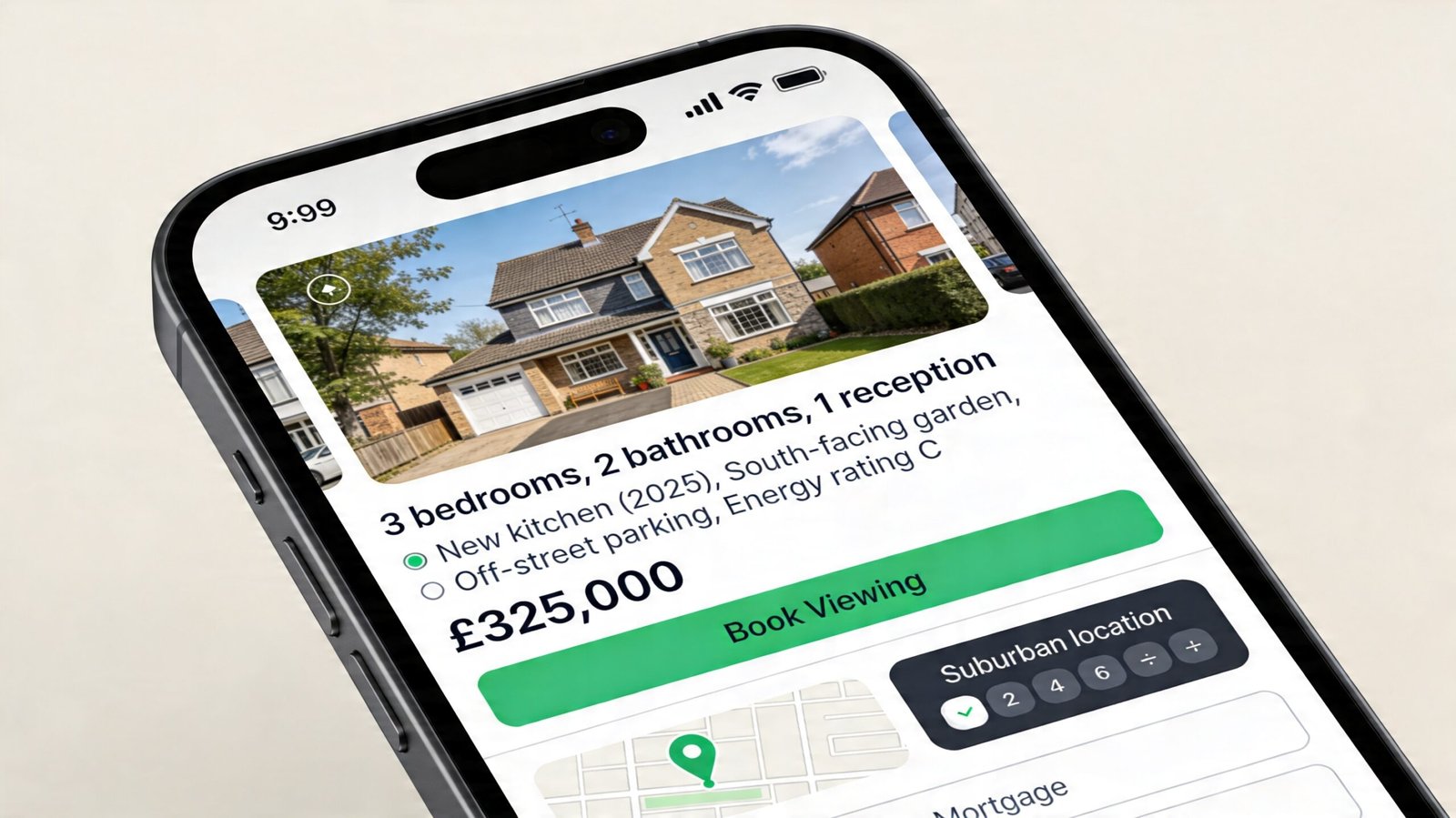
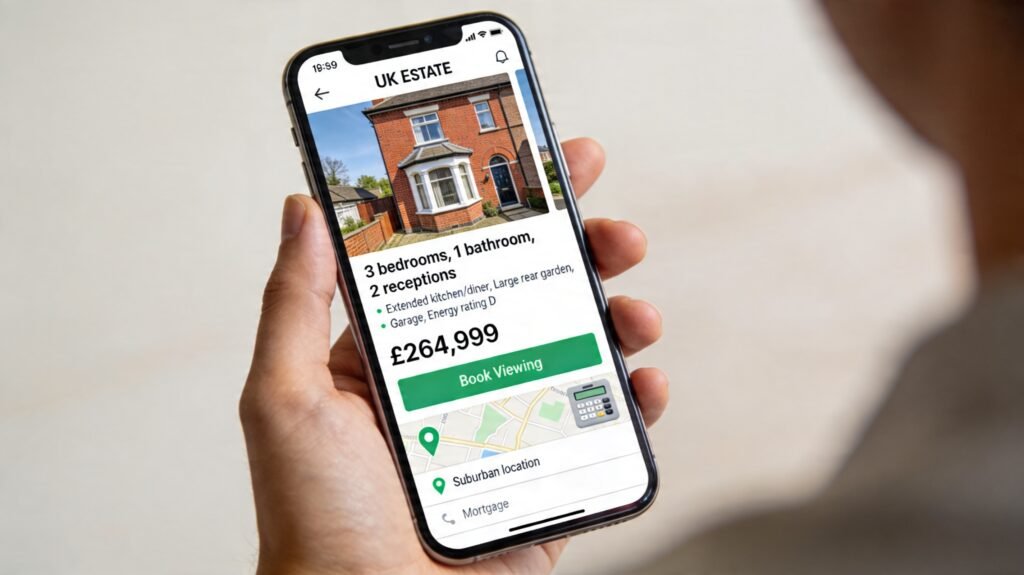
The property search process is no longer confined to business hours. Buyers browse Rightmove in the evening after work, on weekends, during their lunch break. Enquiries arrive at 9pm on a Sunday. A responsive estate agent — one with an online platform that allows buyers to book viewings directly, submit enquiries, and receive property information at any hour — captures this demand without requiring staff to be available around the clock.
The technology exists to enable genuine responsiveness without burning out the people behind it: automated viewing booking systems, instant enquiry acknowledgement with genuine follow-up protocols, vendor portals that provide live updates on viewing activity and feedback without the vendor having to call the office to ask. These tools are not gimmicks. They are the infrastructure of a modern agency that takes communication seriously.
For vendors, a portal that allows them to see in real time how many enquiries their property has received, what viewing feedback says, and where the sale stands in the conveyancing process provides the transparency that the traditional agency model frequently withholds.
Questions to Ask Before Instructing
Not every agency that describes itself as responsive delivers on the description. The following questions help establish how an agent actually handles communication before you commit to an instruction:
What is your average response time to buyer enquiries received outside office hours? A specific answer is more meaningful than a general assurance.
How will I be updated on viewing activity and feedback, and how frequently? An agent who provides feedback within 24 hours of each viewing is substantively different from one who calls once a week with a summary.
Do buyers have the ability to book viewings directly online? This indicates the presence of the systems infrastructure that supports genuine responsiveness.
What happens to enquiries received on evenings and weekends? Are they actioned same-day by an on-call team, or do they wait until the following Monday morning?
What is your fall-through rate? An agent with a low fall-through rate relative to the market is demonstrating active management of the post-offer period.
The answers to these questions reveal whether an agent’s responsiveness is a genuine operating commitment or a marketing claim.
The Bottom Line
In a property market where buyers have more choice and more information than ever before, and where the window of peak buyer interest in any given property is measured in days rather than weeks, the responsiveness of the agent managing the sale is a material factor in the outcome. Not a nice-to-have. Not a quality-of-life benefit for the vendor. A factor that affects sale price, time to sell, and fall-through rate in ways that are measurable and significant.
The right estate agent for your sale is not necessarily the one with the most prominent high street office or the most familiar brand. It is the one who will make the most of the interest your property generates — and that begins with picking up the phone.
About the Author