
Liverpool’s property market near universities echoes a familiar chart—the steady lines of demand from students, researchers, and staff. You’ll find strong transport links, ongoing regeneration, and proximity to research hubs and hospitals that support occupancy and rental growth. Entry points remain affordable, but risk is real with campus shifts and policy changes. Keep watching yield trends, infrastructure plans, and district dynamics—the next move hinges on how these micro-markets evolve.
What Makes Liverpool a Magnet for Student-Investors
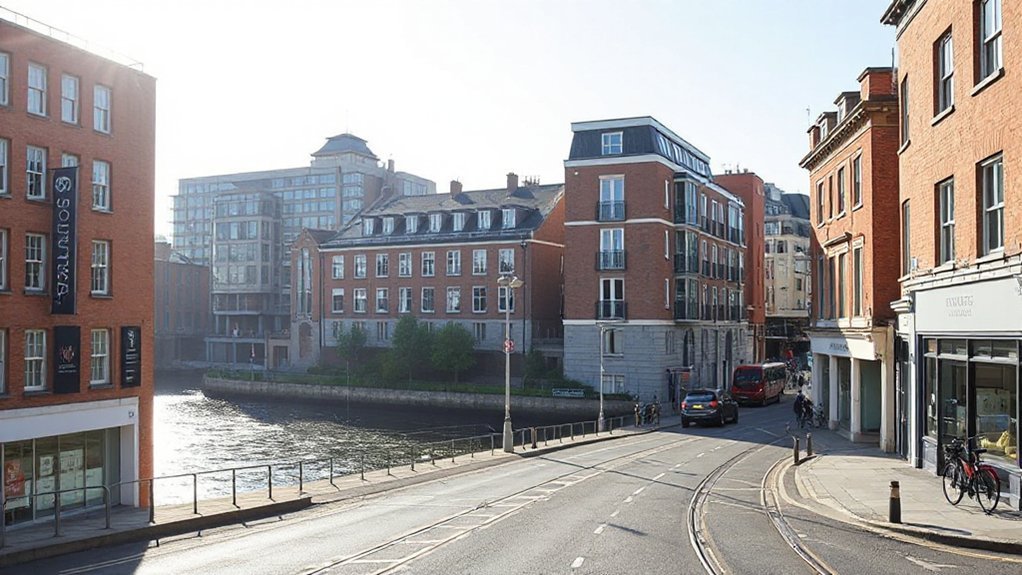
Liverpool’s appeal to student investors is driven by a combination of robust demand, affordable entry points, and a predictable rental cycle. You’ll notice consistently high occupancy among luxury apartments near campuses, supported by steady turnover and strong renewal rates.
The city’s rental yield remains competitive, aided by proximity to key transport links and a growing pool of international students. Demand factors align with scalable, low-variance income streams, mitigating vacancy risk during off-peak terms.
Market data show balanced supply with targeted components like luxury apartments and strategic commercial development, which sustains ancillary demand and strengthens local ecosystems.
You’ll want to monitor planning approvals, capex cycles, and macro sentiment, as these influence occupancy, rent escalation, and exit timing in this resilient, education-driven market.
Liverpool University Clusters: North, Central, and South Zones
You’ll want to compare how the North Zone’s rental dynamics and student demand stack up against the Central Campus proximity premium.
Early signals show varied risk/return profiles tied to walkable access and housing stock quality near campuses. We’ll map these clusters to guide where cap rates and vacancy trends align with your investment targets.
North Zone Dynamics
What defines the North Zone dynamics in Liverpool’s university clusters? You’ll see a data-driven mix of demand signals, student cohorts, and rental yields shaped by heritage appeal and coastal access.
The North Zone balances historical architecture with ongoing regeneration, delivering stable occupancy and resilient rent growth despite macro volatility.
This area benefits from proximity to campuses, improved transport links, and a steady pipeline of private and purpose-built schemes.
Investors should track vacancy rates, lifecycle maintenance costs, and absorption timelines to manage risk efficiently.
- Historical architecture as a differentiator in leasing
- Rental yield versus completion timelines
- Transport upgrades influencing demand
- Coastal developments shaping premium rents
- Redevelopment risk and asset turnover timelines
Central Campus Proximity
In the Central zone, rental growth aligns with cohort inflows, but risk concentrates in mid-market segments if new supply stalls. Affordable housing remains a key constraint, shaping yield dispersion between premium student accommodation and more affordable options.
Vacancy risk declines where proximity reduces commuting friction, yet overheating can occur if developers underprice risk or misjudge seasonal demand.
Investors should quantify rent-by-subject demand curves, track university intake cycles, and model transport improvements to safeguard cash flow and maintain price resilience across the Central cluster.
The Old L7 & St George’s Corridor: Value, Yields, and Entry Points
The Old L7 & St George’s Corridor offers attractive value, driven by proximity to the University of Liverpool and major medical and research institutes. Entry points that cluster below the city’s prevailing new-build rents make this area particularly appealing.
You’ll see steady occupancy and resilient rent growth, supported by diversified demand from students, NHS staff, and researchers. Risks are concentrated in macroeconomic cycles and planning shifts.
Historical architecture adds character, while local amenities reinforce appeal for tenants seeking convenience and walkability.
Cap rates remain compressing but offer relative security in the current climate. Entry points are improving due to smaller unit configurations and cost-competitive refurb projects.
- Demand drivers: student intake, medical campus appeal, local amenities
- Cap rate expectations and rent growth trajectory
- Renovation yields versus new-build premiums
- Tenant mix resilience across market cycles
- Entry-point strategies: unit size, pricing, and lease structures
The Knowledge Quarter: Growth Drivers for Investors
The Knowledge Quarter stands out as a high-growth hub anchored by world-class research facilities, universities, and diverse postgrad clusters, creating a durable demand backdrop for investors. You’ll notice steady leasing demand from researchers, students, and tech partners, translating into resilient occupancy and uplift in rents.
Market signals point to premium micro-locations within the quarter driving capture of higher yields, particularly where amenities and transport links converge. Luxury apartments attract transferable demand from visiting academics, visiting fellows, and high-earning staff, while stable demand from postgrad cohorts supports longer occupancy cycles.
Commercial developments complement residential momentum, enabling diversified income streams and potential for co-working and research space discounts. Risk factors include planning tempo and funding cycles; evaluate pipeline exposure and governance timelines before committing capital.
South Liverpool University-Area Dynamics: Rent Stability and Risk

South Liverpool’s rental trends show steady demand from nearby universities, with occupancy and turnover metrics pointing to resilient cash flows. You’ll want to monitor university-driven demand, as student and staff cohorts shape seasonal rent pressures and renewal rates.
Key risk factors to track include supply growth, macro housing costs, and local policy changes that could impact affordability and vacancy.
Rent Stability Insights
Are rent trends in South Liverpool’s university-adjacent markets holding steady amid shifting student demand and housing policy? You’ll see mixed signals: steady core rents, but volatility around term starts and policy changes.
Market data show occupancy above 95% in most blocks, with concessions used selectively. Price spreads remain modest, reflecting renter prioritization of location over premium amenities.
In this environment, property maintenance and tenant retention are the levers that dampen risk. You should monitor turnover costs and lease renewal rates alongside macro indicators.
Awareness of local enforcement and utility costs helps explain fluctuation. Proactive maintenance reduces vacancy risk, while tenant retention strategies preserve cash flow and stabilize yields.
- Occupancy trends and renewal rates
- Maintenance cost impact on cash flow
- Renewal incentives effectiveness
- Concessions vs. base rent dynamics
- Policy changes affecting affordability
Local University Demand
Seasonal peaks concentrate rent pressure near campuses, while off-peak periods stress vacancy risk and pricing flexibility. You’ll compare cohorts at nearby institutions, noting the persistence of demand across academic cycles and the resilience of rental streams.
Market data suggests higher retention when property management aligns with student expectations—amenities, responsive maintenance, streamlined leasing, and predictable turnover.
You’ll quantify demand by unit mix, distance to campuses, and transport access, translating these into occupancy forecasts and cash-flow scenarios.
This lens emphasizes reliable returns from student housing with disciplined asset stewardship and proactive risk monitoring.
Market Risk Factors
- Enrollment-driven demand swings and rent elasticity
- Vacancy timing around term starts and ends
- Supply constraints from planning and zoning
- Premium segments: Luxury apartments versus standard stock
- Amenity impact: Green spaces and connectivity on demand
Liverpool John Moores University Corridors: Affordability and Yield
Liverpool John Moores University corridors offer pockets of strong affordability and steady-yield potential, especially where demand from students and developing rental niches intersect with campus growth. You’ll see a pattern of resilient rent-to-income ratios in proximal Catchment areas, supported by steady enrollment and limited new supply.
In these corridors, student housing demand remains price-inelastic around term starts, creating modest capex but reliable cash flow. Yield ranges cluster between mid-to-high single digits, with micro-markets near campuses outperforming citywide averages.
Risk factors include regulatory shifts, macro-scale rent controls, and seasonal occupancy dips, so you’ll prioritize disciplined property management, transparent tenant screening, and proactive maintenance. Use data-driven leasing metrics, monitor vacancy cycles, and align conversions with university calendar to maximize risk-adjusted returns.
Transport Links and Occupancy: Mobility as a Value Lever
Transit access shapes occupancy, with campuses drawing pressure on peak-hour demand and service reliability shaping yields.
Where transit-friendly corridors meet student volumes, occupancy concentrates and capex decisions become more predictable.
We monitor transit reliability, catchment shifts, and modal splits to assess risk and unleash value in properties near universities.
Transit Access Impact
Transit access is a critical driver of demand for property near universities, with high-quality transport links boosting occupancy and shortening vacancy cycles. You’ll see rental yields improve where bus, rail, and cycle networks synchronize with academic calendars, reducing commute friction for students and staff alike.
Data indicate higher occupancy rates near interchange hubs and campus gateways, while disruption risk spikes with aging infrastructure. Market sensitivity to service frequency and reliability means even minor timetable changes can shift demand curves quickly.
Consider total cost of ownership, including potential capex for upgraded corridors and resilience to fare policy shifts. Campus sustainability and student housing amenities remain complementary demand levers, reinforcing value where transit minimizes car dependency.
- Location synergy with university campuses
- Service frequency and reliability
- Infrastructure resilience planning
- Walking and cycling access
- Integrated campus amenities and sustainability
Campus-Oriented Occupancy
Data suggests campuses with frequent, multimodal options sustain higher occupancy in core buildings while reducing peak strain on peripheral housing. Mobility as a value lever means occupancy quality rises when housing aligns with travel times, reducing unused bed spaces and vacancy risk.
Market signal: campuses that prioritize bike-street integration and predictable bus routes see improved retention of student cohorts.
Consider long-term implications for Campus sustainability and Student accommodation design, ensuring durable layouts that adapt to shifts in class schedules.
Balance investment against risk, targeting corridors with consistent demand signals and scalable capacity.
Regeneration Plans in University-Adjacent Areas: Timelines for Landlords
As regeneration initiatives near universities accelerate, landlords should expect clearer milestones, tighter timelines for planning approvals, and staged development that could reshape demand and rent dynamics within 12–36 months.
You’ll see investment in transport links, housing mix, and public sphere, with outcomes tracked against fixed objectives and quarterly dashboards.
Historical property trends indicate price and yield sensitivity to pace of delivery, while local community engagement shapes acceptance and occupancy risk.
Short-term impact hinges on permit speed, while medium-term demand depends on student and staff retention.
Prepare for phased investments, contingency buffers, and collaboration with developers.
The following considerations help navigate risk and opportunity:
- Permitting timelines and milestone gates
- Housing mix and price-point targets
- Community consultation cadence
- Revenue forecasting under phased delivery
- Exit/refinancing scenarios and risk buffers
Licensing, Planning, and Landlord Responsibilities in Student Zones

Licensing in student zones shapes outcomes for landlords, with cluster-by-cluster variability in approvals and enforcement that you should quantify before committing capital.
Planning decisions—from density caps to change-of-use risks—drive portfolio risk and potential yield across near-university markets.
We’ll compare licensing burdens and planning constraints to identify clear, data-backed opportunities and mitigations for investors.
Licensing Responsibilities In Student Areas
How do licensing, planning, and landlord responsibilities shape student-area property risks and returns in Liverpool? You’ll see licensing compliance drives vacancy risk and rent stability, while planning rules constrain conversion and occupancy.
Data show tighter standards lift required upgrades, raising capex but improving tenant quality and retention. You balance higher compliance costs against reduced enforcement exposure and longer-term yield.
In sensibly managed blocks, transparent procedures boost occupancy rates among student housing cohorts and attract institutional interest. Key actions focus on registration, fire safety, and tenancy documentation to minimize penalties and rent arrears.
- licensing compliance timelines and renewal hurdles
- mandatory safety standards and reporting cadence
- tenancy documentation and deposit protections
- occupancy caps and room-mix considerations
- enforcement risk and traceable compliance metrics
Planning Considerations For Landlords
Market data shows demand skews toward purpose-built clusters and premium interiors, so you should evaluate whether Luxury apartments command longer tenancies or higher premiums in your area.
Heritage conservation status can constrain extensions, exterior alterations, and facade upgrades, potentially raising capex and reducing flexible reconfiguration.
You’ll need environmental, fire, and accessibility compliance to minimize enforcement risk and avoid costly retrofits.
Align licensing regimes with planning permissions to forestall delays in occupancy.
Plan for long-term asset resilience by prioritizing durable finishes, energy efficiency, and low-maintenance layouts.
Period Homes vs. Purpose-Built Flats Near Campuses

Period homes near campuses offer character and architectural value, but they can introduce higher maintenance costs and longer upgrading timelines that affect cash flow and yield when compared with purpose-built flats. You weigh historical architecture against modern amenities, finding longer-term reliability often favors purpose-built options. Yet some investors prize perceived prestige and rental demand linked to period features.
- Maintenance cycle comparisons and cost implications
- Lease terms and tenant expectations for vintage properties
- Upgrade pace to meet safety and accessibility standards
- Vacancy risk tied to renovation downtime
- Asset diversification within university-adjacent portfolios
Data indicates modern flats deliver faster refurbishment, standardized costs, and clearer yield signals, while period homes can command premium rents in selective markets.
Market risk remains tied to campus growth, regulatory changes, and supply constraints that shape long-run performance.
Yield by District: Entry Points and Budget Guidance
District-level yield profiles shape entry points and budget planning for university-area portfolios. You’ll compare district yields to establish achievable entry prices and capex for next-year campaigns.
In Liverpool, yields cluster around core university belts, with higher gross returns from mid-range rentals and selective luxury apartments in demand pockets. Look at rent-to-price ratios, vacancy rates, and seasonal shifts to set realistic bid levels and financing terms.
Entry points vary: fringe districts offer lower upfront costs, while central student hubs demand premium pricing without overstretching.
Budget guidance emphasizes capex buffers for renovations, regulatory costs, and service charges. Consider rental affordability trends to forecast demand resilience during intake cycles.
Align acquisitions with diversification goals to sustain occupancy and minimize rent volatility across portfolio-weighted metrics.
Risk Factors in Student-Revenue Districts and Hedging Strategies
You’ll want to map the key risk drivers in student-revenue districts, then quantify their potential impact on occupancy, rents, and returns. Market volatility, university intake fluctuations, and seasonal demand can compress occupancy and press cap rates.
Rent-control pressures and shifting student preferences influence rental affordability and occupancy elasticity. Economic downturns, housing supply timing, and competition from new builds can erode yields.
Hedging requires diversification, rent escalation clauses, and flexible leasing to stabilize cash flow amid shocks.
- Occupancy sensitivity to term-length changes
- Rentability of incremented rent vs. student subsidies
- Impact of university calendar shifts on peak demand
- Supply pipeline versus absorption rates
- Macrocredit cycles affecting rent affordability and vacancy rates
Due Diligence for Liverpool Investor Buyers: A Practical Checklist

To assess Liverpool investments confidently, start with a practical due-diligence checklist that translates earlier risk factors into actionable steps for buyers.
Begin by validating title deeds, planning permissions, and tenancy standards, then verify rent yields against market benchmarks.
Examine Historical property trends to gauge cyclical demand, vacancy durations, and renovation costs, adjusting expectations accordingly.
Assess Local economic impact by reviewing university staffing levels, student enrolment shifts, and employment hotspots nearby.
Cross-check licensing compliance for buy-to-let properties and confirm mortgage affordability with stress testing for interest-rate rises.
Map supply constraints, transport links, and student demography to project absorption rates.
Compile a risk log with mitigations, assign owners, and set milestones.
Conclude with a go/no-go based on data concordance and sensitivity analyses.
Crafting a Phased, Diversified Liverpool Investment Strategy
A phased, diversified Liverpool investment strategy centers on sequencing asset acquisitions to balance risk and growth, starting with core university-adjacent assets and progressively layering higher-yield sectors as liquidity and market signals permit.
You’ll monitor cap rates, vacancy trends, and redevelopment timelines to align liquidity windows with asset class momentum, prioritizing stability before optionality. Your plan should couple luxury apartments with value-add opportunities near campuses, while reserving capital for later-stage diversification into green spaces and amenity-driven projects.
Data-driven controls, scenario planning, and risk budgeting guide decision points, ensuring you don’t overextend in any cycle. Track performance deltas year over year, adjusting weightings as occupancy and rent growth validate forecasts.
- Core-adjacent assets first, with measurable occupancy stability
- Gradual inclusion of luxury apartments as rents lift
- Reserve liquidity for green spaces and amenities
- Timed entry aligned to market signals and cap rates
- Ongoing risk budgeting and performance deltas
Frequently Asked Questions
What Are the Best Student-Tenant Demand Windows in Liverpool?
Student-tenant demand peaks in late summer to early autumn, then sustains through Christmas exams. You’ll notice rental demand rises around term starts, with spikes after freshers’ week; monitor university calendars, landlord licensing, and housing supply to manage risk.
Which Wards Deliver the Strongest Long-Term Rent Growth?
You’ll want wards with consistent rent growth evidence, as data suggests strong long-term potential; yet you should assess property valuation and investment risk before committing, because overlooked factors could shift returns and expose you to downside.
How Do Licensing Reforms Impact Investment Profitability Short-Term?
Licensing reforms reduce short term profitability due to compliance costs and processing delays. You’ll need tighter licensing compliance, higher upfront due diligence, and robust cash flow buffers to navigate market risk while preserving budgeting for potential penalties and inspections.
What Are Typical Maintenance Costs for Student Lets Near Campuses?
A quick note: you’ll typically budget £50–£150 per unit weekly for maintenance in student lets near campuses. You’ll rely on property management metrics and maintenance budgeting data to manage risk and optimize occupancy and cash flow. Actively monitor trends.
Which Mixed-Use Areas Optimize Yield and Capital Appreciation?
Commercial revitalization and infrastructure development in mixed-use areas maximize yield and capital appreciation, you should target zones with transit access, university spillovers, and stabilized tenants, while monitoring vacancy risk, cap rates, and redevelopment timelines.
Conclusion
You should view Liverpool’s university-adjacent markets as a measured bet: steady demand, diversified renter profiles, and clear entry points in Knowledge Quarter, St George’s Corridor, and South Liverpool. Prioritize yield-first districts, couple with strong transport links, and hedge against demand shifts with phased, mixed-use portfolios. Stay data-driven: track rents, occupancy, and regeneration milestones. In short, approach as a calibrated growth play—risk-managed, evidence-backed, and scalable, like building a lighthouse on solid bedrock.
About the Author