The Best Places to Live in the London Borough of Havering in 2026
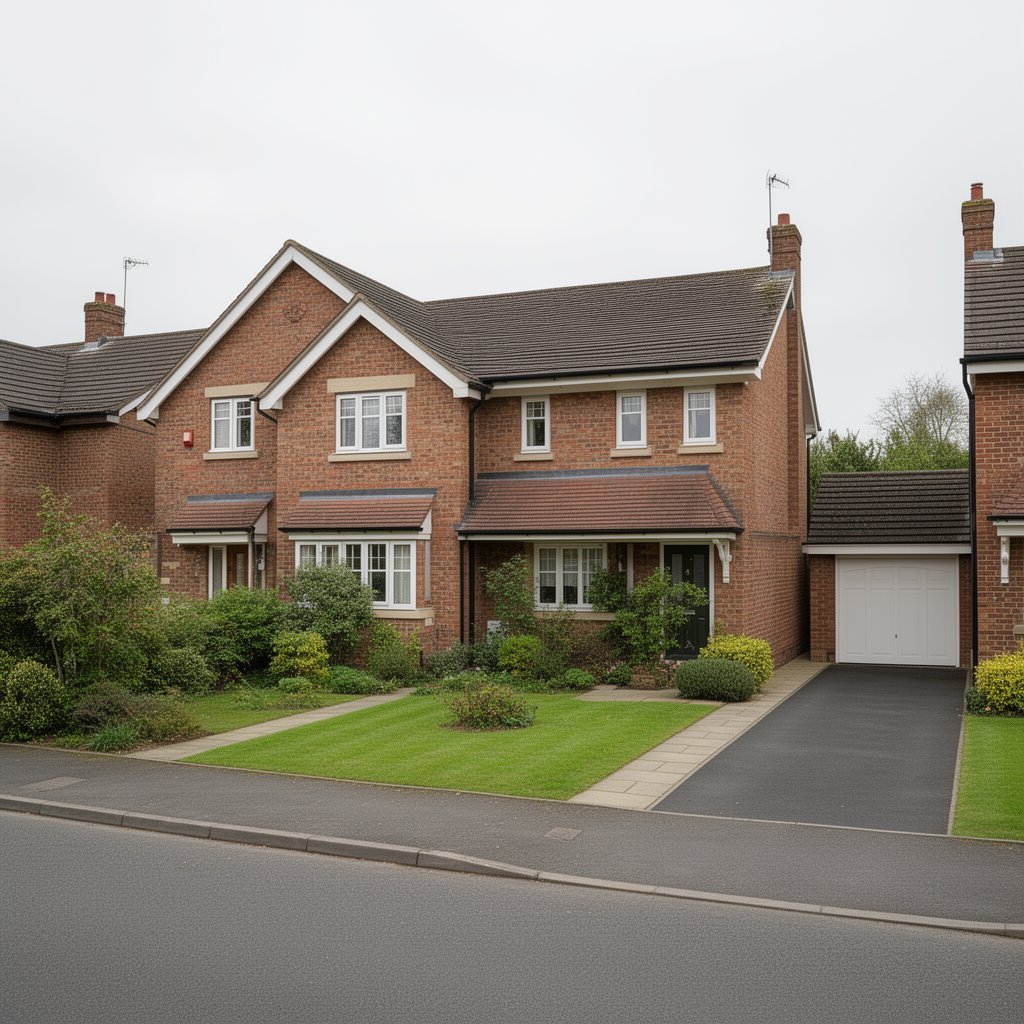
Havering is one of London’s easternmost boroughs and, for buyers who have done their research, one of its most consistently interesting propositions. Formerly part of Essex — the modern borough was created in 1965 from the old borough of Romford and the urban district of Hornchurch — it retains much of the suburban Essex character that distinguishes it from inner east London: wider roads, more houses than flats, larger gardens, and a pace of daily life that sits closer to the commuter town than to the city neighbourhood.
The borough’s property market has been one of the stronger performers in London in recent years. The average house price in Havering was £451,000–£452,000 in late 2025 — significantly below the London average of approximately £547,000 for the same period, and rising at 5.3% year-on-year while London as a whole fell 2.4%. The Elizabeth line has been the defining catalyst: Harold Wood and Romford’s Elizabeth line connections have made the City and Canary Wharf meaningfully faster and more accessible, driving demand from professional buyers who might previously have looked at Brentwood or Shenfield in Essex.
The borough’s internal price range is one of its most interesting features. Upminster is among the most expensive outer London postcodes in its category; Central Romford and Harold Hill East are among the most accessible. Understanding this range — and what each area actually offers — is what this guide is for. Here are seven of the best places to live in the London Borough of Havering in 2026.
1. Upminster
Upminster sits at the top of the Havering price table — the most expensive area in the borough — and with good reason. This is one of outer London’s most consistently desirable suburban addresses: a proper village centre with an independent high street, excellent schools, extensive green space, and the District line terminus that provides a direct 40-minute connection to the City without requiring a change. For buyers seeking genuine suburban London living at its most fully-formed — with everything from a good local butcher to outstanding secondary schools within the catchment — Upminster delivers comprehensively.
The Numbers and the Character
Upminster South and Corbets Tey averages £730,000, while Upminster North and Cranham West averages £647,500 — placing this market firmly in the premium outer London bracket. The housing stock is predominantly detached and semi-detached houses from the interwar period, with many properties extended over the decades to create larger family homes. The Upminster windmill (a Grade I listed tower mill, the only surviving complete example in Greater London) and Upminster Court Park give the area physical anchors that reinforce its village character.
For families moving from inner London who want more space, a school catchment that includes Coopers’ Company and Coborn School (a selective school consistently among the highest performing in outer east London), and the certainty of the District line’s regular service, Upminster represents the premium end of the Havering aspiration.
2. Gidea Park
Gidea Park is Havering’s most architecturally distinctive residential neighbourhood — a garden suburb planned in the early 20th century as an exercise in the garden city principles of Ebenezer Howard and Parker and Unwin, with tree-lined roads, generous plots, and houses designed by some of the leading architects of the Edwardian era. The 1911 Gidea Park Exhibition, which showcased the latest thinking in domestic architecture, left a legacy of arts and crafts, modernist, and vernacular houses that give the area’s residential streets a character unlike anything else in outer east London.
The Elizabeth Line Effect
Gidea Park’s National Rail/Elizabeth line station is one of the borough’s most significant transport assets. Elizabeth line services run directly to Canary Wharf, Liverpool Street, and Tottenham Court Road — journey times that have transformed the commuter calculation for buyers considering east London and Essex addresses. The combination of this fast central London connection with Gidea Park’s distinctive period housing stock and pleasant residential streets has generated sustained buyer interest.
Average prices in Gidea Park sit at approximately £540,000 — placing it fifth in the Havering price table, making it accessible relative to Upminster while still premium relative to Romford or Harold Hill. Period properties in the original garden suburb streets command the strongest prices; more modern stock on the surrounding streets is more accessible. For buyers who value architectural character alongside transport connectivity, Gidea Park is one of outer east London’s most compelling choices.
3. Hornchurch
Hornchurch is a borough favourite — a substantial suburban town with a thriving high street that has maintained more of its independent character than many comparable outer London centres, and with a community life built around its residential streets, green spaces, and the RAF Hornchurch heritage that gives the area a particular historical identity. Harrow Lodge Park — one of the borough’s most popular open spaces, with its boating lake, sports facilities, and formal gardens — sits at the heart of Hornchurch, providing the kind of accessible leisure space that families with children value highly.
A Market That Delivers Consistently
Hornchurch’s property market reflects its appeal: accessible enough for buyers moving from inner London, premium enough to reflect genuine quality. Semi-detached houses in the established Hornchurch residential streets typically achieve £450,000–£600,000; larger detached properties range from £600,000 upward. The District line station at Elm Park (on the western edge of the Hornchurch area) and the c2c line from Emerson Park provide transport options; Romford’s Elizabeth line connection is within easy bus or driving reach.
Hornchurch has a strong secondary school offering — including Havering Sixth Form College and several well-regarded state secondaries — and a demographic of established families and professionals that gives the town a settled, confident residential character. For buyers who want a proper suburb with genuine amenities, good schools, and a community feel that larger towns sometimes lack, Hornchurch is consistently one of Havering’s most rewarding addresses.
4. Romford
Romford is Havering’s commercial capital — the largest town centre in the borough, with a weekly market operating on a charter granted in 1247, an Elizabeth line station providing fast connections across the capital, and a level of retail, food, and entertainment infrastructure that most outer London towns cannot match. For buyers who want to be at the centre of borough activity — with everything on the doorstep and the Elizabeth line to hand — Romford offers what Havering’s quieter suburbs, by definition, cannot.
A Market With a Wide Range
Romford’s property market covers the broadest price spectrum in the borough. Central Romford has the cheapest average of any area in Havering at approximately £300,000 — providing genuine entry-level access to London property within Zone 4. As you move outward from the town centre, prices rise: Romford North averages approximately £465,000, and Romford East approximately £516,000, with the residential streets further from the commercial centre offering a more settled suburban character at mid-market prices.
The brief notes that the area serves “a mix of council and private housing” — and this is accurate and honest. Central Romford’s lower prices reflect this mix, and buyers coming to the market here with a view to capital growth should research specific streets carefully. The Elizabeth line effect has been significant — travel times to Canary Wharf under 20 minutes and to the West End under 30 have meaningfully improved Romford’s commuter position — but the town centre itself is still completing its regeneration arc. For buyers who prioritise transport and value over neighbourhood polish, Romford’s mid-ring residential streets are among outer east London’s best value propositions.
5. Harold Hill
Harold Hill is the most candidly accessible area in this guide — a post-war housing estate on the northern edge of the borough that provides genuine entry-level access to London property ownership, and that has a community character shaped by its working-class Essex roots and a population that has remained relatively stable across generations.
Value and Honest Assessment
Harold Hill East averages approximately £368,750 — the second cheapest area in the borough. Harold Hill West averages approximately £406,000. These prices, in outer east London terms, are remarkably accessible for buyers with modest deposits, and the housing stock — predominantly post-war semis and terraced houses — provides the gardens and space that London flats cannot. Transport is less convenient than the more southerly Havering towns, with buses to Romford (and from there the Elizabeth line) the primary public transport option.
For first-time buyers who want to be London homeowners and who have a budget that makes Hornchurch or Gidea Park a stretch too far, Harold Hill offers a genuine alternative. The tradeoff is distance from the Elizabeth line and a neighbourhood that has historically had less investment than the borough’s southern areas, though the improving Elizabeth line accessibility at Romford means that the overall convenience of the borough’s transport infrastructure is increasingly available to Harold Hill residents who are prepared to make the bus journey to the station.
6. Rainham
Rainham has been through a significant transition — from its industrial heritage as a manufacturing and processing area to a residential neighbourhood with new housing, improved amenities, and a growing population drawn by its relative affordability and its Elizabeth line connection. The Rainham (Essex) station on the c2c line provides services to London Fenchurch Street, and Rainham’s RM13 postcode is covered separately in the average prices guide for Rainham Essex earlier in this series.
Green Space and the River
Rainham’s proximity to the River Thames — and specifically to RSPB Rainham Marshes, one of the finest wetland nature reserves in Greater London — is an underappreciated asset. For buyers who value nature access and genuinely quiet eastern horizons, Rainham’s position on the Thames estuary provides something quite different from the suburban norm. The marshes, the river, and the flat Essex landscape beyond create a sense of space and openness that is genuinely unusual for an outer London residential address.
Property prices in Rainham West average approximately £392,500 — making it one of the borough’s more accessible postcodes. The mix of older terraced housing, interwar semis, and newer residential development creates a diverse housing stock at accessible price points, with the c2c line providing the London Fenchurch Street connection for City commuters. For buyers who want outdoor and nature access alongside practical London connectivity, Rainham offers a combination that few boroughs can match at its price level.
7. Cranham
Cranham sits on the eastern edge of the borough, between Upminster and the borough boundary with Thurrock, and has something of the feel of a genuine Essex village that has been absorbed into the London boundary without fully losing its village character. Cranham Marshes Nature Reserve — a Site of Special Scientific Interest containing ancient woodland, grassland, and wetland habitats — provides a conservation-grade natural environment within walking distance of the residential streets, and the area’s quieter, more rural character is reflected in its relative scarcity of the through-traffic that more central Havering areas experience.
The Quiet Option
Cranham East averages approximately £475,000 and Upminster North and Cranham West approximately £647,500 — reflecting the variation within the area depending on how close to Upminster’s premium market the specific streets sit. The District line at Upminster provides the area’s primary public transport connection. The housing stock is predominantly detached and semi-detached — larger, garden-rich properties that suit families who want space and quiet in a borough that otherwise has a busy, commuter-oriented character.
For buyers moving from inner or mid London who want to feel genuinely on the edge of the city — where the countryside begins within a short walk and the pace of daily life slows perceptibly — Cranham provides an outer London address at accessible prices relative to what that space and quiet would cost in the western half of the capital.
The Havering Market in 2026: Outstanding Performance
Havering’s 5.3% annual price growth in a period when London as a whole fell 2.4% is the most important single fact about this market. It reflects a borough whose fundamentals — affordability relative to the London average, the Elizabeth line effect, strong rental demand (private rents rising 8.3% year-on-year in 2025), and the space and green access that outer east London provides — are generating sustained buyer interest at a moment when inner London markets are softening.
For buyers considering Havering, the key insight from the price data is the internal range: from Central Romford at £300,000 to Upminster South at £730,000, the borough offers one of the widest price spectrums of any outer London borough — and each area, at each price point, has genuine residential quality rather than simply being cheaper for being worse. The Elizabeth line has made the whole borough more connected; how buyers choose to navigate that connectivity — and what they prioritise in neighbourhood character alongside it — determines which of these seven destinations is the right one for them.
About the Author