
To lift a Liverpool rental’s yield, you’ll start with a data-driven assessment of demand, costs, and regulatory constraints, then target cost-effective upgrades—modern kitchens and bathrooms, better insulation, and energy-smart features—that reduce maintenance while justifying higher rents. Prioritize curb appeal and neutral interiors to attract stable tenants, and map high-demand, low-competition areas to guide investments. The key is balancing upfront spend with long-term savings, but you’ll want a clear plan before you proceed.
Assess Liverpool’s Rental-Yield Landscape

Liverpool’s rental market offers a mix of steady demand and varying yields by area. You’ll map current yields by ward, identifying pockets above the city average and those lagging behind. Start with data on gross yield, net cash flow, and occupancy, then layer in rental regulations to gauge compliance costs and timing.
Liverpool rental regulations shape allowable rents, licensing requirements, and renewal cycles, which directly impact net returns and vacancy risk. Track property market trends quarterly: regeneration projects, transport links, and student occupancy shifts that reallocate demand.
Compare areas with solid rental demand to those with rising yields due to supply constraints. Use this landscape to target high-yield, low-competition zones while preserving regulatory compliance and long-term sustainability of your portfolio.
Quick-Win Upgrades That Raise Rent Fast
You’ll see quick rent gains by prioritizing high-ROI upgrades that tenants notice immediately, like fresh kitchens and bathrooms, energy-efficient improvements, and smart-home basics.
Data shows these tweaks lift perceived value and actual rents faster than cosmetic fixes, so focus your budget on cost-per-dollar impact rather than bells and whistles.
We’ll quantify impact with hurdle-rate targets and track rental-rate changes to refine the strategy.
Quick-Win Upgrades
Quick-win upgrades focus on high-ROI changes you can implement quickly to lift rent without large capex. You’ll prioritize measurable impact, prioritizing tasks with rapid payback and clear tenant appeal.
Start with a cost-benefit view: compare upfront spend against incremental monthly rent, factoring vacancy reduction.
Target cosmetic refreshes that boost perceived value: fresh paint in neutral tones, updated lighting, and hardware upgrades that feel premium without breaking the bank.
Interior design plays a pivotal role: cohesive color schemes, functional layouts, and accent touches that create a modern feel without major reconstruction.
Landscaping improvements matter too; curb appeal correlates with willingness to pay more, so prune, mulch, and tidy entrances to project a well-maintained image.
Track metrics weekly, adjust capex allocations, and verify rent uplift aligns with comparable Liverpool properties.
Rent-Boosting Tactics
Even small upgrades can drive noticeable rent uplifts when you target high-ROI features and tenant priorities. Start with changes that shorten vacancy risk and boost perceived value.
In Liverpool, prioritize quick, measureable wins that translate into higher rents without overinvesting. Focus on cosmetic refreshes that elevate first impressions and reduce turnover—bold paint schemes, refreshed lighting, and updated fixtures yield strong throughput gains on rental listings.
Introduce strategic luxury furnishings to demonstrate value and command premium rents, ensuring durability and ease of maintenance.
Pair this with a clear Neighborhood branding narrative that highlights proximity to transport, schools, and amenities to justify incremental increases.
Track outcomes by unit and type, calculating per-dollar return and vacancy-period reductions to refine future rent-boosting tactics.
Prioritize Energy Efficiency to Cut Costs
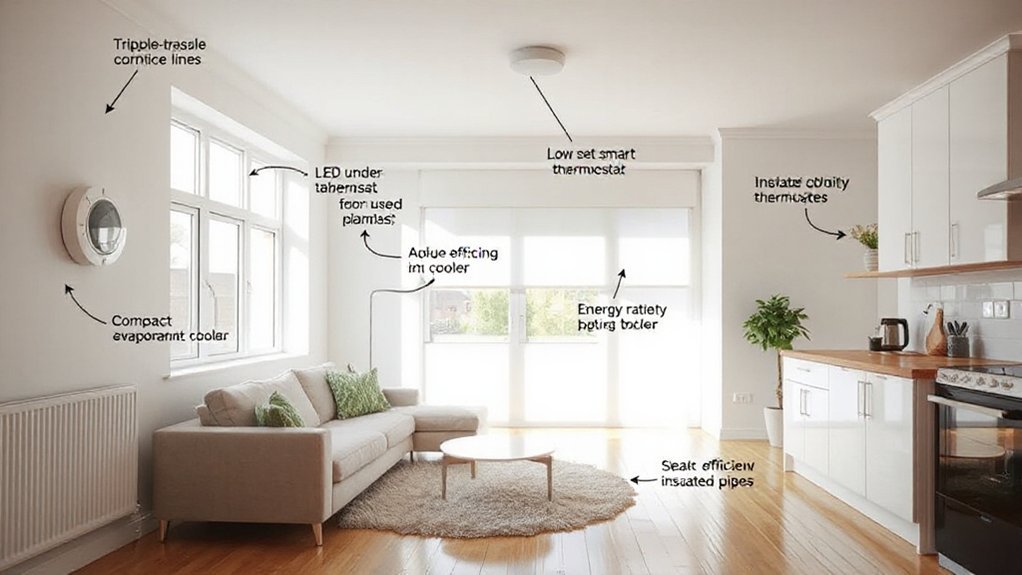
To cut operating costs and boost net yield, start with energy efficiency as a strategic priority. You’ll reap measurable savings by prioritizing building envelope improvements, heating efficiency, and efficient appliances.
Data shows that insulation improvements lower heat loss, reduce boiler runtime, and shorten payback periods on upgrades. Compare retrofit costs against expected annualized savings to determine ROI, focusing on the Liverpool rental market’s typical occupancy and energy prices.
Target high-impact measures first: attic and wall insulation, air sealing, and upgrading to A-rated boilers or heat pumps where suitable. Integrate renewable energy where viable, such as solar-ready roofs or EV-ready infrastructure, to further shave peak demand charges.
Track energy performance after each change to validate yield improvements and inform future investments.
Smart Budgeting: Where to Spend and How to Save
To optimize yield, you should prioritize essential upgrades with the strongest expected ROI and use data to validate spend thresholds.
Apply smart spending tactics by benchmarking costs, forecasting cash flow, and setting pause points for non-urgent improvements.
This approach keeps budgets lean while maximizing impact on rentability.
Prioritize Essential Upgrades
Prioritize essential upgrades by focusing on changes that deliver the highest return with the lowest upfront cost. You should map expected ROI for each candidate improvement using local rental comps, vacancy rates, and time-to-lease estimates.
Target renovations that reduce maintenance calls, improve energy efficiency, and enhance appeal without overhauling core systems. Begin with durable, low-cost upgrades—fresh paint in neutral tones, modern lighting, and efficient fixtures—that lift perceived value and tenant satisfaction.
Prioritize kitchen and bathroom updates only if they meaningfully shift rents or shorten vacancies. In choices, balance bang-for-buck against disruption to current tenants.
Incorporate luxury amenities and aesthetic improvements sparingly, ensuring they align with unit class and neighborhood expectations, while preserving overall cost control and cash-flow resilience.
Smart Spending Tactics
Smart spending hinges on disciplined budgeting and data-led decisions. You drive the plan by identifying which upgrades yield the best yield, then tracking costs against projected rent uplift.
Prioritize high-ROI changes like energy efficiency, durable fixtures, and scalable systems, while avoiding vanity investments. Use market analytics and benchmarking to determine how much rent premium each improvement can support.
Allocate a clear budget for interior decor that elevates perceived value without overimposing style. When considering luxury amenities, weigh maintenance and replacement cycles against longer-term profitability.
Favor modular, easy-to-replace finishes over bespoke options to keep future upgrades affordable. Regularly review utility bills, occupancy patterns, and vacancy risk to refine spending.
Align purchases with data, not impulse, for predictable, sustainable returns.
Tenant-Focused Upgrades That Boost Retention

Tenant-focused upgrades directly bolster retention by addressing renter priorities and reducing turnover friction. You should anchor decisions in tenant satisfaction data, mapping what residents value most—quiet spaces, reliable HVAC, and functional kitchens—to targeted improvements.
Prioritize upgrade planning that pairs quick wins with long-term durability, such as energy-efficient fixtures, smart thermostats, and low-maintenance surfaces. Measure impact through move-in/move-out surveys, weekly maintenance requests, and vacancy durations; track correlations between specific upgrades and renewal rates.
Allocate a clear budget across categories, forecasting ROI by retention lift and reduced vacancy days. Align timelines with lease cycles to maximize perceived value at renewal. Use transparent communication to set expectations, offering choices that reinforce ownership.
This data-driven approach sustains occupancy, elevates tenant satisfaction, and drives higher yield over time.
Liverpool Lettings Rules and Market Demand
Liverpool’s lettings landscape is shaped by a tight supply of rental stock, evolving regulatory expectations, and clear market signals on demand. You’ll find Liverpool regulations tightening compliance around safety, energy performance, and documentation, which raises upfront due diligence but reduces vacancy risk when met.
Market trends show steady rebound in demand for well‑presented, compliant properties, with tenants prioritizing energy efficiency and modern amenities. You should align upgrades with regulatory expectations while differentiating on value per pound, not just rent.
Track data on turnover, average days on market, and renewal rates to gauge pricing strategy and capex timing. Use these insights to preempt compliance costs and tailor marketing to stability seekers, families, and professionals while avoiding overinvestment in properties that underperform relative to peers.
Short-Term vs. Long-Term Rents in Liverpool
Short-term rents can deliver higher nightly or weekly yields, but long-term leases often lock in steadier occupancy and predictable cash flow, which matters in Liverpool’s current market dynamics. You’ll compare occupancy trends, seasonal demand, and regulatory risk to decide where you fit.
Vacation rentals in Liverpool can capitalize on tourist cycles and events, yet they require active management, higher cleaning costs, and platform fees.
Student housing offers steadier occupancy aligned with university calendars, reducing vacancy risk but potentially limiting price upside during peak seasons.
Analyze average daily rates, occupancy rates, and conversion costs across neighborhoods to forecast cap rates for both models.
Align rental strategy with property attributes, such as location, amenities, and compliance needs, balancing diversification between vacation rentals and student housing to optimize yield.
Track Yield After Upgrades
If you’ve upgraded a rental property, tracking yield starts with a clean, data-driven baseline to measure impact. You’ll compare pre- and post-upgrade metrics, focusing on net operating income, occupancy, and rent premiums achieved.
Use time-stamped rental rates, vacancy days, and maintenance costs to compute monthly and annual yield changes. Maintain a structured dashboard that highlights key triggers—renovation planning milestones, seasonal demand shifts, and local market adjustments in Liverpool.
Adjust for financing costs and tax effects to isolate the upgrade’s contribution. Regularly review tenant turnover and lease renewal patterns, linking them to specific improvements.
Involve property management early to ensure consistent data capture. This disciplined approach clarifies ROI, guiding future renovation decisions and optimization of asset performance.
Frequently Asked Questions
How Long Does It Typically Take to See Rent Uplift After Upgrades?
Typically, you’ll see rent uplift within 1–3 months after upgrades, assuming strong tenant satisfaction and proper upgrade timing. You should monitor market data, adjust pricing promptly, and track tenant feedback to optimize ongoing value and occupancy.
Which Upgrades Yield the Best ROI in Liverpool Rents?
Ever wondered where ROI climbs fastest? In Liverpool, focus on interior design and energy efficiency; upgrades like smart thermostats, insulation, and modern kitchens deliver higher rents, backed by data, analytics, and proven demand.
Are There Liverpool-Specific Regulatory Limits on Rent Increases?
Yes, there are Liverpool-specific rent controls in place; you must observe regulatory compliance. Rent control influences increases, caps on large-scale rises, and tenancy protections. Analyze data trends, track policy updates, and adjust pricing strategically to stay compliant.
How Do Landlord Taxes Affect Rental Yield Post-Upgrade?
Tax implications reduce net yield after upgrade, as depreciation, income tax, and NI contributions bite into cash flow, but strategic timing and deductions can boost post-upgrade returns. You should weigh landlord incentives and projected rent increases to optimize.
What Funding Options Are Available for Refurbishment Projects?
For funding options, consider a hypothetical case where you secure a refurbishment loan and grants; you’ll access funding sources and renovation grants that accelerate ROI, supported by data-driven criteria and strategic appraisal of project payback and risk.
Conclusion
Upgrades may raise rent, yet they also lower vacancy risk. You’ll trade empty weeks for steady cash, but only if the math stacks: cost vs. savings, upfront spend vs. long-term yield. In Liverpool, energy trims and smart efficiencies dominate, while curb appeal keeps turnover low. Juxtapose high-tech, low-maintenance fixes with neutral styling; attract stability-minded tenants, not just higher rents. Track data, adapt quickly, and let demand guide your pricing strategy for sustainable returns.
About the Author