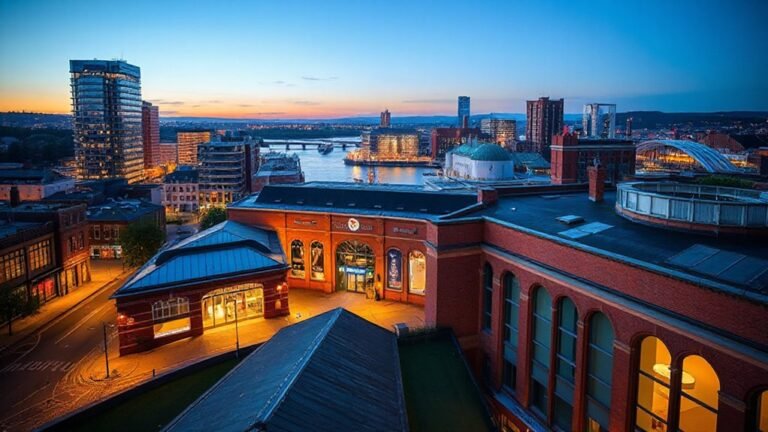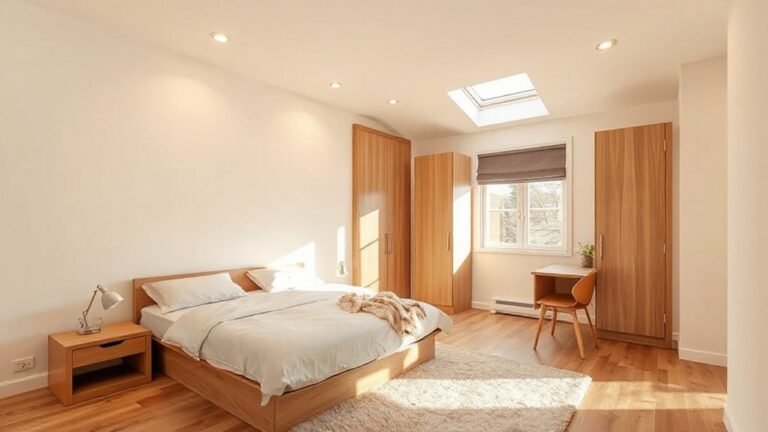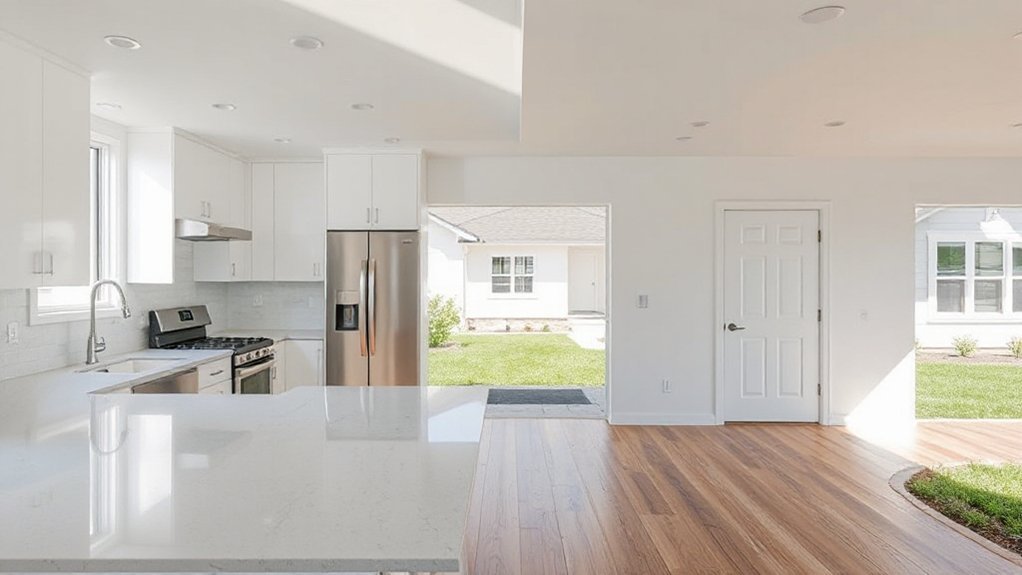
To turn your rental into a high-demand, low-maintenance asset, you’ll start with durability and curb appeal that draws tenants and reduces upkeep. Emphasize native, drought-tolerant landscaping, timeless finishes, and smart systems that flag issues early. Inside, pick hard-wearing surfaces and built-in storage to cut chores, while policies and data-driven benchmarks keep turnover low and profits predictable. The path is practical, but the key decisions you make next will shape sustained efficiency and risk profiles.
Turn Your Rental Into a Turnkey Asset: Core Concepts
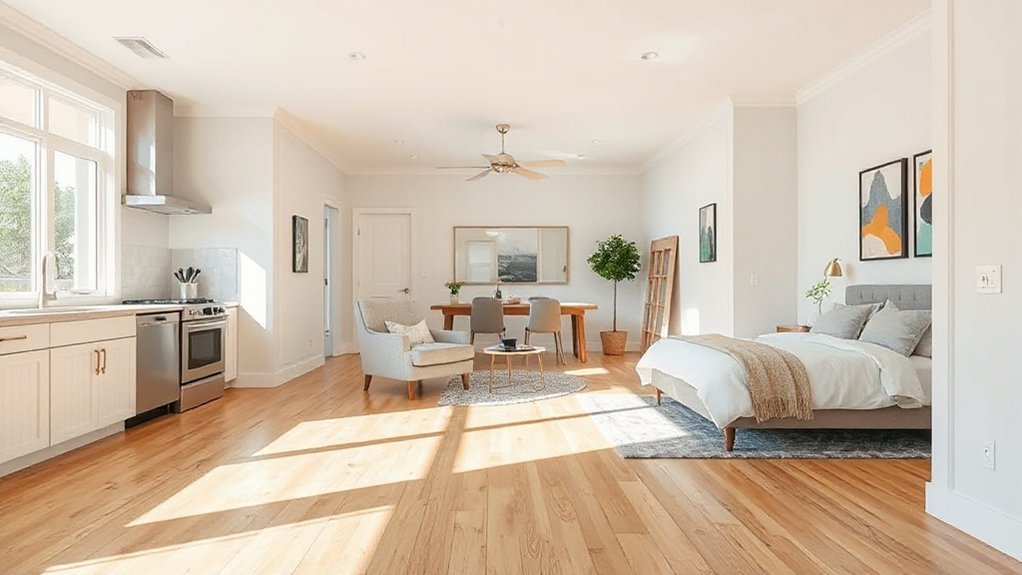
Turning a rental into a turnkey asset starts with a clear, data-driven blueprint: identify what buyers value, quantify the operating gaps, and standardize systems so the property performs with minimal daily attention. You’ll conduct a concise market analysis to size demand, pricing bands, and time-to-rent. Use those insights to set minimum performance standards and align renovations with proven value drivers. Efficient workflows hinge on standardized checklists, vendor SLAs, and predictable maintenance cycles, reducing surprises. Property staging should showcase flow and function, not just aesthetics, boosting perceived value while controlling costs. Track metrics like vacancy rate, rent per square foot, and renovation ROI to validate decisions. By baselining expectations and documenting processes, you create a repeatable, low-maintenance model adored by buyers.
Curb Appeal Essentials That Last
Curb appeal isn’t just cosmetics—it’s a measurable, ROI-backed lever that attracts tenants fast and reduces long-term maintenance risk. You’ll want durability, clarity, and data-driven tweaks that scale. Focus on proven elements that stay fresh with minimal effort.
- Landscaping trends: Choose native, drought-tolerant plantings with seasonal color that requires little upkeep and sustains curb value year-round.
- Exterior lighting: Install efficient, low-contrast fixtures that improve safety and cut energy costs while highlighting key architectural features.
- Pathways and entry: Use durable pavers and clean lines to convey accessibility and reduce trip hazards for a broad tenant pool.
- Maintenance cadence: Establish quarterly checks for trim, mulch depth, and irrigation to prevent costly surprises.
Result: consistent first impressions, lower vacancy risk, faster renewals.
Low-Maintenance Finishes: Durable, Easy to Clean, Smart Choices
You’ll prioritize durable materials and easy-clean surfaces that stand up to daily wear while minimizing maintenance costs. Data shows low-maintenance finishes reduce turnaround time between tenants and lower repair risk, supporting steady cash flow. Choose timeless options that stay visually clean with smart, cost-effective upkeep to keep the property attractive long-term.
Durable Materials, Low Maintenance
Durable, low-maintenance finishes save time and reduce risk by resisting wear, staining, and moisture. You’ll prioritize materials that endure tenant traffic, humidity, and accidents, while aligning with sustainable materials and eco friendly design. Data shows lifecycle costs drop when you choose resilient substrates, backed by warranties and lower replacement rates. Efficiency is gained through modular, repairable components and standard sizes that minimize waste. For clarity, here’s a focused approach:
- Select scratch-resistant countertops and flooring with reinforced topcoats.
- Use stainproof, sealed surfaces in kitchens and baths.
- Favor low-porosity, easy-clean walls and doors for high-traffic zones.
- Choose durable cabinets with soft-close hardware and repairable finishes.
With these choices, you reduce maintenance spikes and attract value-conscious tenants.
Easy-Clean Surface Choices
Choosing easy-clean surfaces cuts ongoing maintenance and tenant hassles. You’re aiming for surfaces that resist wear and clean up fast after spills, scuffs, and daily use. Prioritize materials with proven surface durability and consistent performance across kitchens, baths, and common areas. For floors, opt for closed-loop vinyl or porcelain tile with bevel-free edges to minimize grime traps, then pair with grout-seal products to maintain Cleaning ease. Countertops should balance hardness and stain resistance; quartz or solid-surface options typically outperform laminate in this regard. Finishes on cabinetry matter too—satin or semi-gloss coatings resist fingerprints and moisture better than flat paints. Finally, standardize cleaning protocols and supplies so tenants achieve quick, reliable results, reducing downtime and turnover risk while preserving asset value.
Smart, Timeless Finishes
Smart, timeless finishes fuse durability with minimal upkeep, delivering housing that looks fresh longer and requires less maintenance over time. You’ll prioritize timeless aesthetics with materials that resist wear and stains, while staying cost-efficient. In practice, smart design means predictable performance, not fads.
1) Choose high-density laminates or porcelain for counters and floors, wipe-clean surfaces, minimal grout.
2) Select low-VOC paints with washable finishes to reduce repaint cycles and odors.
3) Opt for corrosion-resistant fixtures and hardware that tolerate renters’ routines and cleaning products.
4) Use integrated storage, seamless cabinetry, and neutral tones to extend appeal without frequent updates.
This approach lowers long-term risk, increases turnover speed, and sustains value through enduring, low-maintenance appeal.
Smart Systems for Hands-Off Property Management
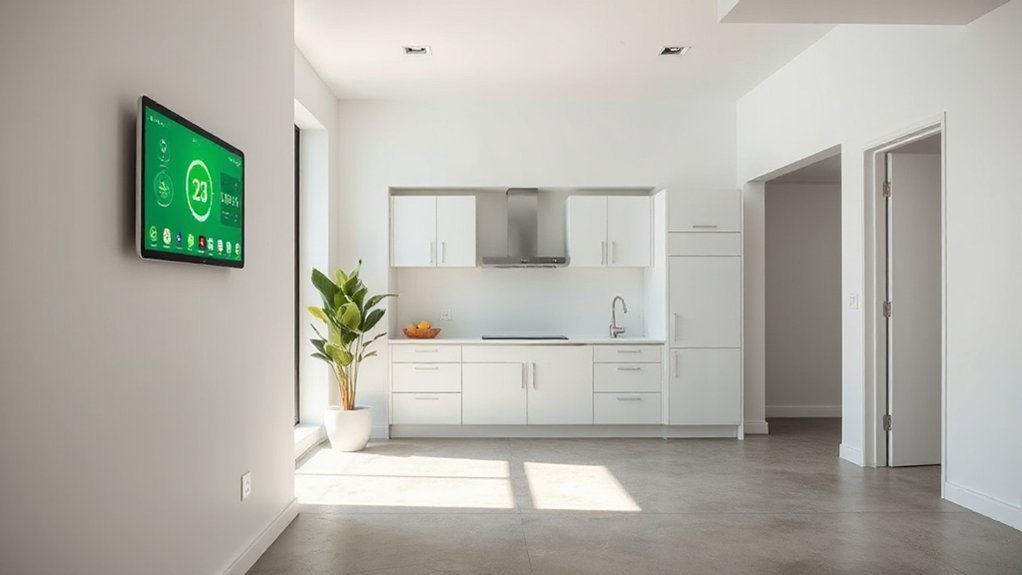
Smart systems automate routine tasks and flag issues before they escalate, so you can manage more with less hands-on effort. With automated maintenance triggers and remote monitoring alerts, you’ll reduce downtime and extend asset life while preserving tenant satisfaction. This approach emphasizes data-driven thresholds and risk-aware responses to keep your investment efficient and resilient.
Automated Maintenance Triggers
Automated maintenance triggers turn routine property upkeep into a predictable, hands-off process by using sensor data, usage patterns, and uptime metrics to schedule services before failures occur. You’ll gain reliability, tighter budgets, and faster response times through data-driven workflows that reduce emergency work.
- Automated repair scheduling aligns technician visits with real-time condition signals, minimizing downtime.
- Predictive maintenance alerts flag wear trends before issues disrupt tenants or cash flow.
- Sensor dashboards translate complex data into actionable maintenance calendars.
- Risk-aware prioritization buffers capital by addressing high-impact failures first.
Remote Monitoring Alerts
Remote monitoring alerts extend the efficiency of automated maintenance by continuously observing system health and sending real-time warnings to you or your property team. You’ll receive immediate notices for HVAC irregularities, water leaks, or electrical faults, enabling rapid triage before costs escalate. Data shows responders cut downtime by 40% and maintenance costs by 15% when proactive alerts are integrated with preventive schedules. Prioritize thresholds that balance false positives with critical events to avoid fatigue. Implement centralized dashboards for 24/7 visibility and enforce escalation paths to on-call techs. Pair remote alerts with security monitoring to detect tampering, unauthorized access, or sensor anomalies. This approach reduces vacancy risk, sustains tenant satisfaction, and preserves asset value through consistent, low-maintenance operations.
Tenant-Focused Policies That Cut Turnover
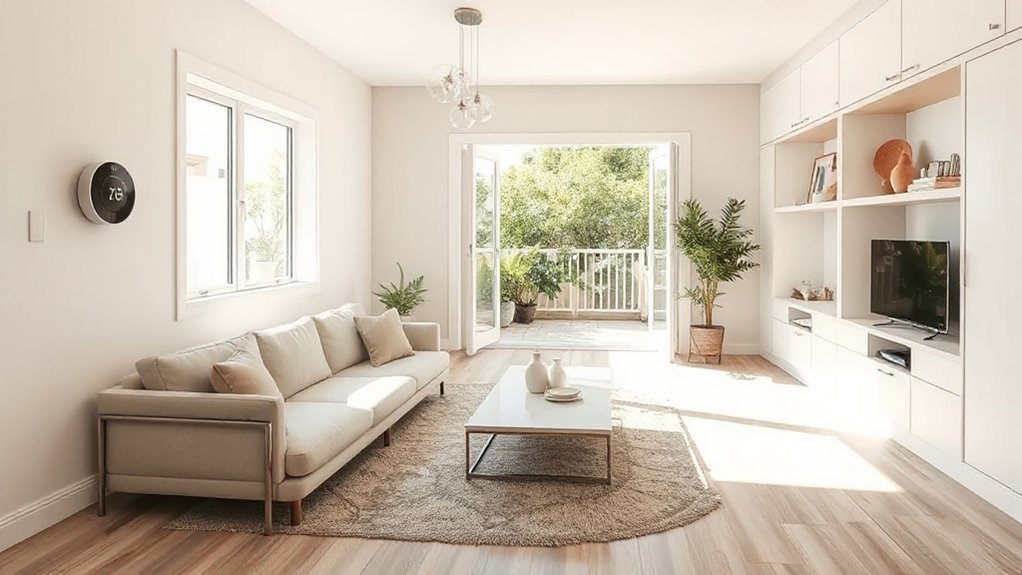
To cut turnover, you should implement tenant-focused policies that align incentives with staying long-term. Data shows happier tenants renew at higher rates, reducing vacancy risk and maintenance spikes. Focus on clarity, predictable costs, and fast responsiveness to issues.
- Streamline move-in/out, with transparent charges and step-by-step timelines.
- Lock in favorable renewal terms early, tying increases to market data and performance metrics.
- Prioritize proactive maintenance scheduling and flexibly timed visits to minimize disruption.
- Standardize dispute resolution and complaint tracking to demonstrate consistent, fair handling.
These steps boost tenant satisfaction and drive Lease renewal decisions, while keeping administration lean. Track renewal rate quarterly, link satisfaction surveys to service levels, and adjust policy levers before turnover accelerates.
Financial Playbook: ROI, Budget, and Risk Mitigation
In this Financial Playbook, you’ll quantify ROI, set tight budgets, and map risk across the property lifecycle. You forecast cash flow with clear ROI benchmarks, then compare scenarios to choose the leanest path. Your budgeting focuses on capital preservation, maintenance cadence, and vacancy reserves, ensuring resilience during market shifts. You quantify upfront costs, ongoing expenses, and depreciation benefits to reveal true profitability—avoiding hidden gaps. Risk mitigation centers on diversification of income streams, robust vendor SLAs, and proactive capital planning to prevent cost spikes. You implement financial planning that aligns with your investment strategies, using metrics like cap rate, cash-on-cash return, and payback period to track progress. Decisions are data-driven, efficient, and lifelong, minimizing surprises and preserving upside.
Frequently Asked Questions
How Do You Price Rents for High-Demand, Low-Maintenance Properties?
You price rents by market analysis, then optimize for demand, adjusting dynamically as data signals shift. You set competitive benchmarks, monitor occupancy, forecast seasonality, and minimize risk while maximizing revenue through ongoing rent optimization and efficiency.
What Are Hidden Costs of Turning a Property Into Turnkey Status?
Hidden costs include unexpected contractor delays, financing fees, and maintenance gaps. You’ll face higher upfront investments from property upgrades and ongoing maintenance scheduling. Track data, forecast risks, and preserve cash flow by budgeting contingencies and efficiency improvements.
How to Handle Remote Inspections and Virtual Maintenance Requests?
You handle remote inspections by scheduling regular virtual walkthroughs and rapid dispatch of remote repair coordination, leveraging cameras and checklists, documenting issues, tracking response times, and using data dashboards to minimize downtime and maximize tenant satisfaction.
Which Insurance Gaps Appear With Durable, Low-Maintenance Finishes?
Insurance gaps with durable, low-maintenance finishes include coverage blind spots for wear-and-tear, impact damage, and upgrades. You should review insurance coverage and liability concerns, quantify risk, and document materials to guarantee your risk mitigation stays data-driven and efficient.
How to Vet Tenants for Long-Term Retention and Reliability?
You vet tenants for long-term retention by structured tenant screening and railroaded metrics, then seal stability with clear lease agreements. You analyze credit, history, and income, minimize vacancy risk, and document expectations for efficient, low-risk tenancy.
Conclusion
You’ll notice the pattern isn’t luck—it’s data and discipline aligning. When curb appeal meets durable finishes, and smart systems quietly flag issues, maintenance becomes predictable, not painful. Your budget follows the numbers, not guesswork, with ROI and risk mapped before you spend. Coincidences emerge: tenants stay longer when policies feel fair, and turnover drops as upkeep stays effortless. In this tight, efficient loop, your turnkey asset quietly compounds value while you sleep.
About the Author