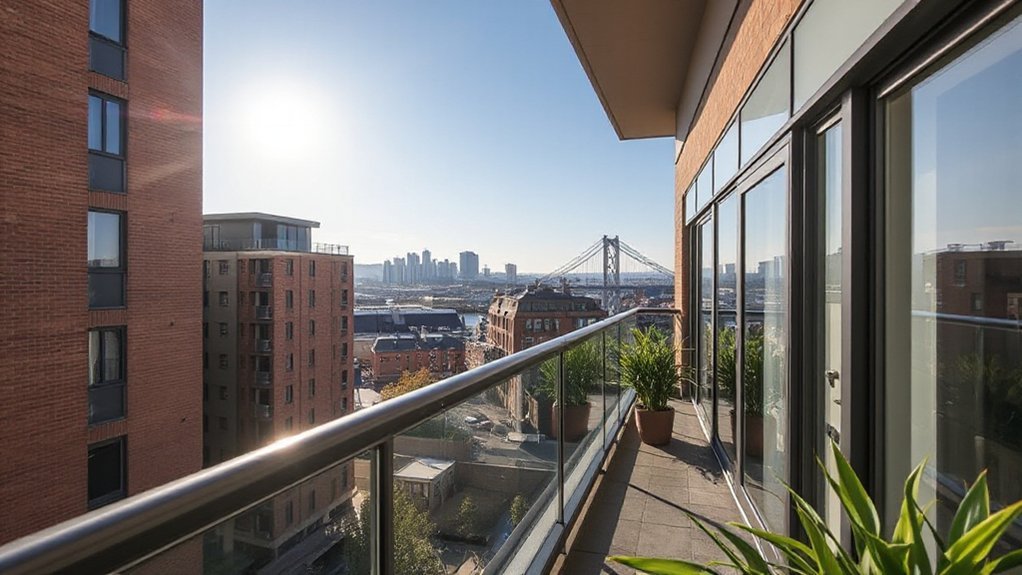
Transit hubs can cut your commute in half, and in Newcastle that speed matters for both rents and resale. You’ll want to weigh proximity to main rail and bus corridors against neighborhood dynamics, school and park access, and future lines on the Rapid Transit Watchlist. With data on commute times, property turnover, and cap rates around stations, you gain a clear edge—but there’s more to uncover behind every map pin.
How Transit Hubs Drive Newcastle Property Value

Transit hubs act as the catalytic clock for Newcastle property values. When you inspect data, you’ll see price growth correlates with access to rail lines, bus corridors, and connectivity to urban centers. You’ll notice higher values near stations with frequent services and multimodal transfers, backed by measured resale premiums and rental yields.
Property tax regimes influence effective carrying costs, shaping investor demand and long‑term value stability around hubs. Developer incentives, such as zoning relief or accelerated approvals, amplify this effect by lowering upfront risk and accelerating project timelines.
In practice, you’ll observe tighter vacancy rates, shorter capitalization periods, and robust absorption in transit‑rich districts. For informed decisions, track service frequency, station upgrades, and policy shifts alongside price data.
Map of Newcastle’s Main Rail and Bus Corridors
A clear map of Newcastle’s main rail and bus corridors shows how connectivity concentrates value: dense, high-frequency routes around key stations drive densification, while peripheral corridors with limited service show slower growth.
You’ll see how Historic architecture clusters near central hubs, underscoring heritage value as transit increases footfall and preservation incentives.
The map also highlights corridor diversity: core routes enable rapid, predictable trips, supporting local cuisine businesses that depend on steady customer flow.
You’ll note bus arteries that feed stations, linking neighborhoods to employment centers and leisure districts, reinforcing mixed-use development over time.
- Core rail corridors concentrate investment and activity
- Peripheral routes signal slower growth yet maintain accessibility
- Transit-intensive zones boost heritage districts and dining clusters
- Connectivity patterns inform future property demand and pricing
How Close Counts: Commute Time From Transit Stops
Even a few minutes can reshape property appeal. You’ll measure commute value by proximity to transit stops, not just lines on a map. For Newcastle, the real metric is door-to-door time, including walking to the stop, waiting, and transfer points.
Data show that residents near major hubs frequently shave 5–15 minutes from typical work trips, which translates to tangible monthly savings on fuel and parking fees. When evaluating listings, compare peak versus off-peak times to understand variability.
Transit fare matters too: lower fare options can widen affordable commuting windows and influence total cost of living. Shorter commutes often justify premium pricing, but guarantee parking fees nearby don’t offset time gains.
Precision in proximity, schedule reliability, and total monthly costs drives informed decisions.
Why Renters Favor Transit-Proximate Neighborhoods
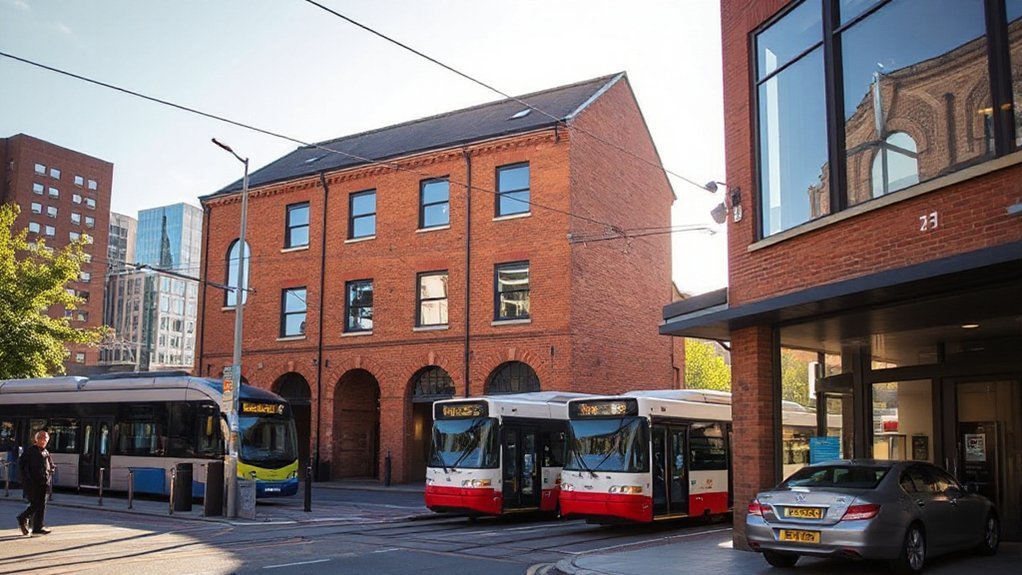
Renters favor transit-proximate neighborhoods because proximity translates directly into lower monthly commuting costs and more reliable schedules. You gain predictable arrival times, less fuel spend, and greater flexibility for unexpected shifts in your day.
- You access more reliable routes, reducing missed connections and delays.
- You spend less on transport, freeing funds for housing quality and local amenities.
- You enjoy walkable pockets with quicker access to work, school, and services.
- You discover vibrant local scenes, including local cuisine and nearby historical landmarks, enriching weekend plans.
Transit-friendly areas also support sustained property value as demand stays resilient during price cycles.
In Newcastle, proximity to hubs links you to cultural corners, where local cuisine and historical landmarks become convenient, everyday experiences. Your budget benefits from predictable transit costs aligned with steady appreciation.
Buying Essentials: Which Transit Hubs Promise Strong Resale
Transit hubs that promise strong resale combine high daily footfall with ongoing urban development and solid transport connectivity. You’ll want hubs with recent station upgrades, frequent services, and quick access to city amenities, schools, and business districts.
In Newcastle, proximity to major lines boosts liquidity because buyers perceive shorter vacancy risks and steadier rent pressure. Consider hubs near redevelopment zones, where brownfield projects and mixed-use overlays signal future value.
Vintage charm can coexist with growth when a property sits near preserved historic corridors integrated into new transit trunks. Look for properties where luxury upgrades—quiet HVAC, smart controls, premium finishes—complement durable demand, especially near well-funded stations.
Aim for transit hubs that blend accessibility with authentic, enduring appeal.
Transit Corridors: A Budget-to-Premium Investment Guide
Transit corridors offer a structured path from budget-friendly entries to premium, value-forward investments. You’ll map value by proximity to transit hubs, analyzing expected rent growth, cap rates, and vacancy trends.
Prioritize assets with enduring demand signals, especially those near historic routes and access points across Newcastle. Historical architecture adds appreciation potential, while renovations can open up premium yields when aligned with heritage charm and compliant upgrades.
Luxury amenities, where feasible, elevate income stability and tenant quality, supporting higher rents even in downturns. Use a data-driven lens to compare capitalization rates, maintenance costs, and access to services.
Stay disciplined on yields, avoiding over-automation that dampens historical appeal.
- Proximity-driven value
- Heritage asset optimization
- Amenity-led premium uplift
- Risk-adjusted return benchmarks
Living Near a Station: Everyday Convenience Wins
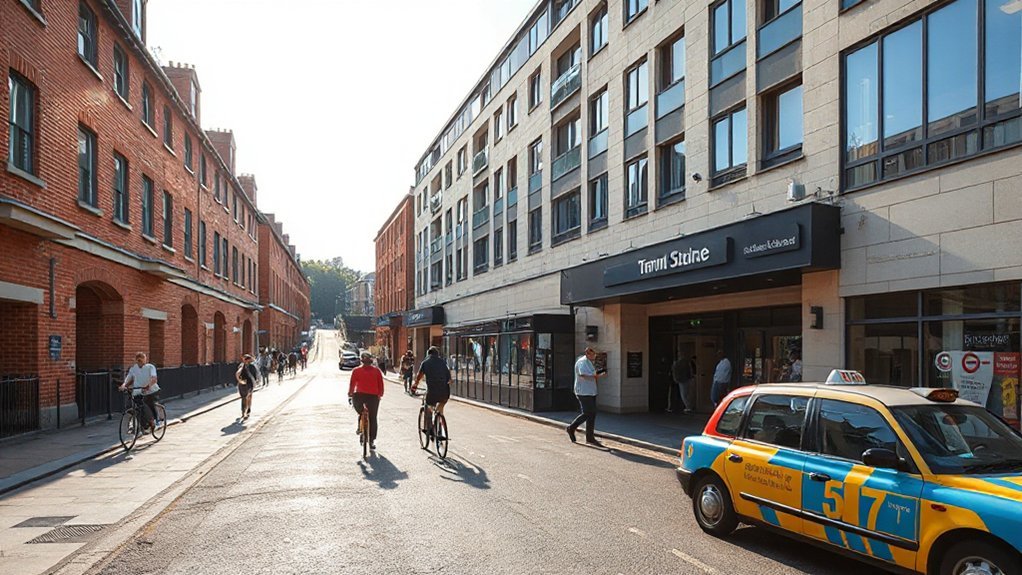
Living near a station delivers everyday convenience that buyers and tenants consistently pay a premium for. You’ll notice quicker commutes, reliable service, and predictable travel windows that reduce total trip times.
In Newcastle’s transport hubs, residential proximity translates to higher occupancy rates and stronger resale value, backed by measurable demand in peak periods.
Transit oriented architecture shapes layouts toward pedestrian access, integrated bike storage, and mixed-use amenities, boosting daily usability without adding meaningful travel-time costs.
Commuter safety remains a core consideration: well-lit sidewalks, visible sightlines, and secure access points correlate with lower incident rates and higher confidence for residents.
These factors collectively drive steady rent growth and resilient property performance, emphasizing proximity as a practical, data-supported advantage.
Hidden Costs of Transit-Connected Living
Transit access saves you time, but you’ll face hidden transit fees that can add up over a year.
Maintenance costs flicker as equipment upgrades and platform changes roll out, so you should plan for periodic bumps in upkeep.
In short, understanding these costs helps you compare total ownership beyond upfront price and location.
Hidden Transit Fees
- Parking surcharges: daily and monthly rates spike near stations, adding predictable yet hidden costs.
- Dynamic pricing: ride shares and on-site transport services adjust fares by demand, impacting budgets.
- Congestion charges: peak-time fees can appear in utility or service bills, eroding savings from proximity.
- Hidden maintenance pass-throughs: optional passes and zone-based access quietly raise recurring costs.
This reality affects financial planning, especially if you value Historical architecture and Local dining nearby. You’ll want to compare total monthly outlays, not just upfront rents, to avoid surprises.
Maintenance Cost Flickers
Maintenance costs can flicker even when rents look favorable, especially in transit-connected properties. You’ll notice maintenance flickers when schedules shift with crowding, line disruptions, or aging infrastructure near hubs.
In Newcastle, you’ll track quarterly maintenance invoices and compare them to baseline intervals to gauge stability. Small surges—dryer repairs, elevator service, or corridor lighting—can compound, signaling property stability risks before lease renewal.
Keep an eye on system-wide outages that force alternative routes or temporary facilities, which raise user-paid costs and vendor fees. Documented patterns help you distinguish normal fluctuations from systemic strain.
Use this data to challenge management projections, verify caps, and forecast long-term affordability. When flickers persist, reassess value, potential equity, and total cost of ownership for informed decisions.
Regeneration Near Transit: What Lines Change in Newcastle
Regeneration near Newcastle’s transit hubs is reshaping how lines operate and evolve. You’ll notice service patterns shifting to align with new development, not the other way around. Frequent routes become more reliable as demand grows, and timetable cadence tightens to match commuter flows.
These changes support longer-term investments in infrastructure, station access, and nearby amenities. By centering plans on transit oriented development, authorities aim to create areas that function efficiently without car dependence.
You gain clearer choices for daily trips, plus enhanced safety and streetscape improvements that encourage walkable access.
- Line frequency increases around major hubs to service rising populations.
- Through-routing and simplified transfers reduce total travel time.
- Timetables synchronize with peak commuter patterns for predictability.
- Parking and drop-off policies evolve to support commuter friendly neighborhoods.
Rapid Transit Watchlist: Buyer Tips for New Lines
When evaluating new rapid transit lines, start with a data-led assessment of demand projections, station accessibility, and integration with existing networks. You’ll want a clear watchlist approach: demand consistency over 10–20 years, peak-hour capacity versus fleet availability, and projected ridership by corridor.
Examine construction timelines, risk tiers, and cost per rider, then weigh funding certainty against inflation exposure. Prioritize routes with proven urban renewal potential and compatible land-use plans near stations to maximize value without overbuilding.
Assess environmental impact early—air quality, noise, and induced emissions reductions from mode shift. Track environmental safeguards, mitigation payments, and biodiversity offsets as conditions of approval.
Use these metrics to steer buyer decisions, ensuring property exposure aligns with transit-led growth while reducing exposure to volatility.
Schools, Parks, and Services Near Transit Hubs

You’ll find that Schools Proximity Matters, with quick access to top-rated campuses boosting daily convenience and long-term value near transit hubs.
Parks And Local Services frame quality of life, offering green space and essential amenities within easy reach of your commute.
This snapshot sets the stage for data-driven comparisons of how proximity to schools, parks, and services influences livability and property performance.
Schools Proximity Matters
Nearby schools, parks, and services shape how you experience Newcastle upon Tyne’s transit hubs, influencing daily commutes and long-term value.
- School facilities: Proximity reduces transfer times, supports after-school routines, and stabilizes neighborhood desirability.
- Education quality: Local performance data correlates with household moves and resale premiums in transit-adjacent areas.
- Accessibility: Walkable catchment zones shorten peak-hour travel, boosting reliability for families with tight schedules.
- School diversity: A mix of assessments and programs can broaden opportunities without adding commute burdens.
In practice, you’ll weigh school facilities and education quality alongside transit access, ensuring a predictable schedule and stronger investment appeal.
Tight integration of schools with hubs often translates to higher daily convenience and sustained property value.
Parks And Local Services
Data show parks within a 15-minute walk correlate with higher physical activity and lower air pollution exposure for residents reliant on public transit. Local inventories highlight library branches and community centers as essential hubs for information access and social cohesion.
Community engagement programs drive neighborhood improvements, while planned greenspace development expands shade, biodiversity, and flood resilience. Efficient service delivery near hubs strengthens property desirability and long-term value.
Case Studies: Newcastle Properties That Sold Fast by Stations
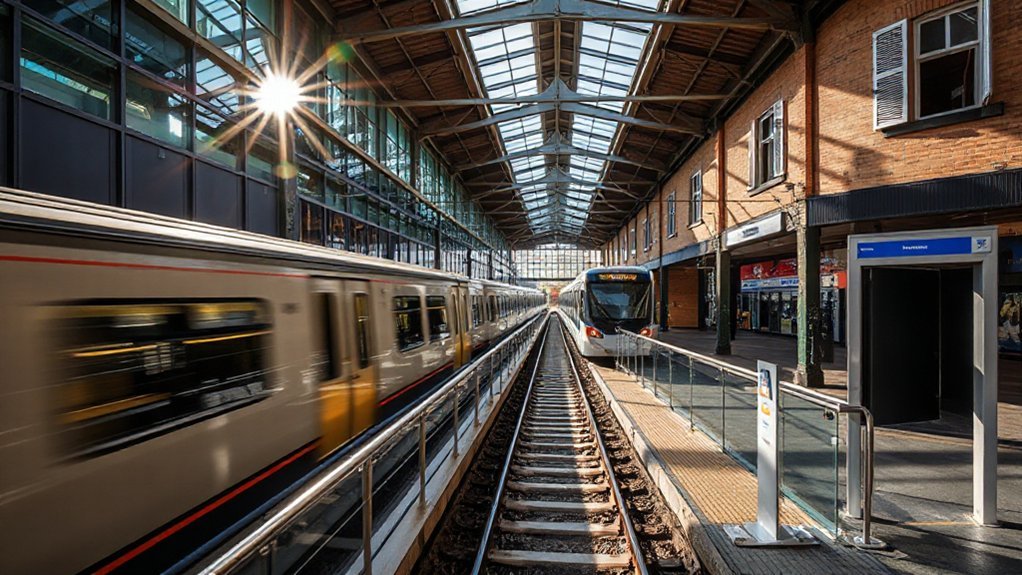
Near Newcastle stations, several properties sold rapidly due to unbeatable transit access, making proximity a primary driver of demand. You’ll see how historical property trends and zoning regulation shaped outcomes for these quick sales, guiding future picks.
1) Shortest time-to-offer: properties within 500 meters of a station consistently reduced listing durations.
2) Price premiums: assets near hubs often captured higher per-square-foot values, reflecting transport convenience.
3) Tenant turnover: districts around stations exhibited faster occupancy cycles when transit options improved.
4) Regulatory impact: case studies show how zoning rules influenced permissible uses and resale timelines, affecting speed.
These patterns underscore why proximity matters, and how historical trends plus zoning decisions forecast which stations yield the fastest outcomes.
Transit-Connected Property Evaluation Checklist
You’ll start with Transit Proximity Metrics to quantify how close you’re to key lines and stops.
Consider Nearby Transport Hubs and their frequency to gauge practicality for daily commutes.
Use an Accessibility Scoring Method to compare options objectively and prioritize performance, reliability, and walkability.
Transit Proximity Metrics
Transit proximity is a core value in evaluating Newcastle property, because closeness to buses, trains, and major hubs correlates with higher rental demand and faster resale.
1) Transit noise exposure varies by proximity and route; you’ll want to map segments with elevated decibel levels and compare against comfort thresholds.
2) Parking availability near transit corridors affects resaleability; quantify spaces per unit and assess local parking policies to gauge ease of access.
3) Walkability to stations matters; measure average walking times and pedestrian infrastructure quality to forecast onboarding speed for tenants.
4) Service frequency and reliability influence demand; compile timetable density, typical headways, and outage risks to predict occupancy stability.
Note: Focus remains on proximity metrics, avoiding hub specifics.
Nearby Transport Hubs
With proximity metrics in mind, evaluate how nearby transport hubs anchor value for Newcastle properties. You’ll see value solidified when hubs provide frequent, reliable links to core districts, universities, and employment clusters.
Transit nodes boost buyer demand through shorter commutes, higher turnover, and resilience in price during cycles. Consider station access, service frequency, and expansion plans, then translate those metrics into price stability and yield potential.
Historic architecture nearby often benefits from enhanced footfall, while cultural landmarks attract visitors and ancillary spending, supporting premium rents and occupier interest.
This checklist emphasizes proximity, multi-modal options, and predictable service quality as core value drivers. You’ll want supporting data on ridership, walkability to hubs, and proximity to historic architecture and cultural landmarks to validate premium pricing assumptions.
Accessibility Scoring Method
Accessibility scoring for transit-connected properties quantifies how proximity to hubs, service frequency, and multimodal options translate into price stability and yield. You apply a standardized checklist to quantify catchment, reliability, and transfer ease, then translate scores into risk-adjusted returns.
Historical development insights show how urban form shaped scoring bias toward central multimodal nodes, while architectural styles influence land value and retrofit potential. You’ll weight metrics by hub importance, then benchmark against peers to reveal dispersion in performance.
Early patterns inform today’s recalibration, ensuring relevance across Newcastle’s evolving transit mix.
- Proximity to core hubs
- Service frequency and reliability
- Multimodal transfer options
- Historical development and architectural styles context
Frequently Asked Questions
How Do Ticket Prices Affect Property Appeal Near Hubs?
Ticket pricing strategies shape property appeal near hubs: lower fares boost footfall and demand, raising rents; fare affordability attracts commuters and investors, while peak pricing can deter shorter stays. You’ll see stronger value when pricing balances frequency and accessibility.
What Safety Concerns Accompany Transit-Proximate Homes?
Transit-proximate homes raise safety concerns like noise and trespassing, but you should know Security concerns and Crime rates can vary by area. You’ll want local crime data, reinforced doors, and soundproofing to mitigate risks while preserving value.
Do Rental Yields Differ by Station Location?
On average, station-adjacent yields differ by about 0.5–1.0% depending on footfall and accessibility. You’ll benefit from targeted property management and diversified Investment strategies, optimizing occupancy and cash flow amid transit-proximate opportunities.
Which Stations Have the Lowest Noise Levels?
You’ll want stations with the lowest noise, typically those farther from major lines. Noise pollution is minimized where sound insulation is robust, so prioritize properties with proven sound insulation, and compare decibel data to confirm quieter options.
How Do Parking Policy Changes Impact Nearby Property Values?
When you tighten parking regulations, you’re steering demand like a captain guiding a ship; nearby property values rise as transportation infrastructure improves, yet dip if spaces vanish. You monitor data, weigh impacts, and adjust parking policy accordingly.
Conclusion
You’ve seen the pattern: transit hubs are the pulse that powers Newcastle property values. You’re not buying a home—you’re buying timing, convenience, and future resale strength. Let the data steer you: proximity trims commutes, boosts rent potential, and accelerates sales. Weigh schools, parks, and services as quick You’ve-Arrived flags. When you map the rail and bus arteries, you’re tracing a living network that makes your investment sing. Move toward the stations, and let momentum carry you.
About the Author