
You’ll want to focus on Leicester’s evolving pockets where amenities, transport links, and development hiss forward demand. Look for near-centre areas and transit-adjacent zones that balance affordability with rising rents, driven by students, professionals, and families. Green spaces and mixed-use hubs matter, as do planned infrastructure upgrades. Keep an eye on occupancy trends and project timelines—the authentic growth signals often emerge from those quiet, improving pockets. Curious which pocket fits your strategy?
Leicester Property Growth Drivers Explained

Leicester’s strong property growth is being driven by a mix of fundamentals working in tandem. You’ll see market stability emerge from steady demand, sensible supply, and disciplined lending, creating a reliable base for future gains.
Jobs growth in tech, logistics, and professional services boosts household incomes and rental yields, while university expansion feeds graduate mobility and long-term occupancy.
Transport upgrades, like better rail links and road connectivity, shorten commutes and widen catchment, lifting demand across city fringe and core.
Local planning focuses on sustainable growth, ensuring new developments integrate with existing communities rather than overpower them.
Historical appreciation trends inform expectations, but you should evaluate each submarket’s timing, price resilience, and rental performance.
Together, these drivers suggest durable, data-supported upside for informed investors.
Top Leicester Neighborhoods With Momentum
Which Leicester neighborhoods are gaining the most momentum right now, and why does that momentum matter to you as an investor? You’ll notice stronger rent growth, higher occupancy, and renewed development activity concentrated in Trentham, Evington, and Beaumont. These areas show resilient demand even amid market cycles, guided by recent in-migration and improved transport links.
Historical investment patterns indicate mainstream players consistently reward areas with layered infrastructure and local employment clusters, reinforcing sustained upside. Market timing strategies point to entering on steady momentum signals rather than peak-cycle euphoria, preserving upside with manageable risk.
As you analyze data, expect momentum to shift toward affordable-outlier pockets and transit-adjacent nodes. Stay focused on granular indicators: occupancy, turnover, unit mix, and planned developments shaping near-term performance.
Near-Centre Leicester: Affordable Pockets With Upside
Near-Centre Leicester offers affordable pockets with meaningful upside, building on momentum in nearby areas while calibrating for value. You’ll see a tight blend of historic streets and growing amenities, creating observable upside potential in micro-markets near the core.
Data shows steady rental yields and steady price per square foot that outpace broader city averages, with affordable neighborhoods concentrated along transit corridors and evolving local services.
Projections indicate sustained demand from professionals and students seeking walkable access without the premium of central districts.
You’ll notice inventory turnover improving as developers target smaller units and flexible layouts, releasing Upside potential for first-time buyers and investors alike.
Monitoring vacancy rates, school catchments, and new amenity openings will help you time buys and exits for best returns.
Family-Friendly Pockets Showing Improving Value
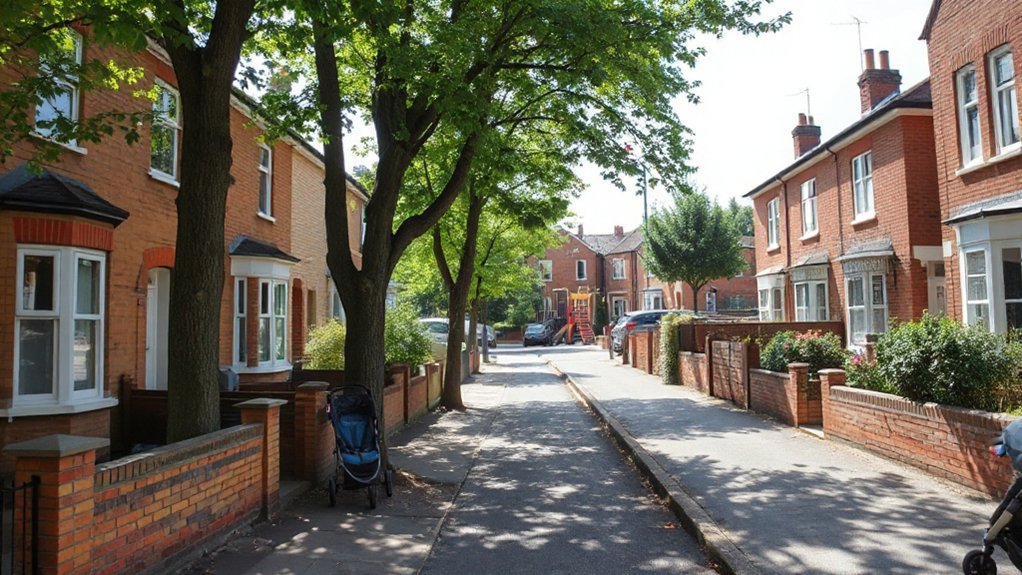
You’ll see family-friendly value edges strengthening as local amenities improve and new greenspaces come online.
With safer, more welcoming communities, many pockets are delivering measurable gains in everyday livability alongside capital growth.
This data-driven trend suggests targeted areas for families to monitor as services expand and outcomes track positively.
Family-Friendly Value Trends
Despite steady infrastructure gains and improving school metrics, family-friendly pockets in Leicester are showing tangible value upgrades, with standout neighbourhoods delivering stronger price growth and attractive rental yields for households prioritising safety and amenities.
You’ll notice a clear pattern in value trends across core family zones, where steady demand sustains gradual appreciation and steadier rent trajectories.
Data indicates improving affordability in mid-market segments, aided by modest mortgage rates and selective stamp-duty relief effects, keeping household affordability within attainable ranges.
Look for pockets with solid turnover and short average days-on-market, signaling resilient demand.
Community engagement remains a key driver, reinforcing reliable rent stability and longer-term value.
Forward projections suggest continued selective growth as schools and transport links consolidate, supporting prudent, value-conscious investment decisions.
Improving Local Amenities
Are rising local amenities driving value in family-friendly pockets, or is stronger demand for better facilities the real catalyst behind price gains? In Leicester’s northeast and outer suburbs, data show steady correlations between new amenities and price growth over 12–24 months.
You’ll see pockets where local park development aligns with rising sales velocity and higher median rents, signaling investor confidence and resident satisfaction. Community facility upgrades, safer walking routes, and accessible health and education hubs contribute to a more appealing daytime and weekend economy.
Look for districts with documented planning approvals, grant-supported projects, and partner-led initiatives. With a clear pattern of improvement, these areas expect continued demand, stronger turnover, and measurable value uplift as families prioritize quality surroundings and convenient, within-reach services.
Safe, Welcoming Communities
You’ll notice consistent gains in community safety metrics across core family zones, with patrols and community watch groups driving confidence. Local schools, parks, and late-evening amenities remain accessible, reinforcing steady demand from households seeking predictable returns.
Market signals show multi-year price stability paired with rising rents, particularly in areas embracing neighborhood diversity and inclusive programming. Future developments emphasize improved pedestrian connectivity and targeted investments in youth services, strengthening resale appeal.
In short, these communities blend affordability with quality of life, delivering resilient, value-driven outcomes for investors focused on Leicester’s evolving family-centric landscape.
Infrastructure Projects Shaping Leicester Property Gains
Infrastructure projects are reshaping Leicester’s property gains by delivering faster commutes, enhanced amenities, and increased development momentum across key neighborhoods. You’ll see measurable time savings on core routes, with projected reductions of up to 15–20% in peak periods, improving daily appeal for residents and commuters.
Data indicate mixed-use hubs near new stations are boosting footfall, retail, and housing demand within walking distance. Smart city planning informs sensor-enabled traffic management and energy-efficient public spaces, supporting safer, more predictable neighborhoods.
Green space development remains a priority, with expanded parks and pocket greens in growing districts driving quality-of-life scores higher and supporting sustainable density.
In short, these infrastructure investments align with market fundamentals, enhancing liquidity, rental yield stability, and long-term capital growth potential.
How to Spot Future Leicester Real Estate Winners
You’ll want to watch Emerging Growth Corridors in Leicester as they redefine where demand clusters next.
Look for clear Infrastructure Investment Signals and how funding timelines align with neighbourhood upgrades.
Track Rental Demand Indicators to identify where steady occupancy and rising rents may foreshadow future capital gains.
Emerging Growth Corridors
You’ll see these corridors governed by measurable metrics: projected rail and bus line completions, developer land bank activity, and tranche-based housing approvals.
In practice, focus on areas with documented urban revitalization plans and multi-year infrastructure roadmaps, then compare year-over-year price momentum and rental yields to city averages.
Transportation upgrades, library and school placements, and business park expansions often correlate with price acceleration, especially when coupled with continued demand from commuters and students.
Track zoning changes, investment council forecasts, and private equity interest to identify authentic, data-backed winners ready for entry.
Infrastructure Investment Signals
Invest in Leicester by watching where funds flow first: infrastructure investment signals key future movers. You’ll see early shifts around planned and announced projects, with data pointing to neighborhoods benefiting from upgraded public transport links and expanded green spaces.
Track council capital budgets, procurement cycles, and housing-enabled upgrades tied to transport corridors, rail enhancements, and bus rapid transit pilots. Look for public transport improvements that shorten commute times and free fringe areas, as these often precede price acceleration.
Prioritize districts where green spaces expansion pairs with mixed-use development, inviting amenity-rich living. Monitor land-use plans, zoning changes, and delivery timetables—those signals correlate with sustained capital growth.
In Leicester, clusters near transit nodes and park-rich corridors tend to outperform over the midterm.
Rental Demand Indicators
Rental demand in Leicester tracks the same signals that drive capital flow, but focuses on who’s actually occupying or seeking space. You’ll spot patterns in tenancy turnover, lease durations, and the speed at which units fill after listing.
Look for consistency in occupancy rates across wards and rising demand for varied layouts that match tenant preferences, from commuters to families to remote workers.
- Occupancy stability by neighbourhood
- Shorter lease cycles signaling flexible demand
- Preference for accessible transit and amenities
- Rising demand for larger units near schools
- Shifts toward affordable, well-maintained homes
Interpreting these indicators helps you gauge future winners, balance yield with risk, and align investments with Rental demand trends and tenant preferences across Leicester.
Frequently Asked Questions
How Do Taxes Affect Long-Term Leicester Property Growth?
Tax incentives influence your long-term growth by boosting after-tax returns, while you monitor capital gains implications as markets shift. You’ll see steadier appreciation in Leicester when policy supports investments, aligning with data-driven forecasts and locality-focused demand.
Which Council Policies Most Boost Area Home Prices?
Council policies that maximize area home prices focus on Affordable housing and Urban regeneration. You’ll see targeted density, faster approvals, and mixed-use incentives driving demand, sustaining growth, improving transit, and attracting investment for a data-driven, locality-focused future.
What Rental Demand Trends Signal Future Gains Here?
Rental demand trends signal gains as you watch rental affordability stabilize and tenant demographics diversify, suggesting steadier occupancy and sustainable yields ahead for your area. You’ll see price resilience, tailored marketing, and data-driven investments fueling future gains.
How Do School Catchment Changes Impact Property Values?
“Actions speak louder than words.” You see that school zoning shifts can lift property values as educational quality rises, guiding buyers and lenders; you’ll track data, forecast demand, and target neighborhoods where favorable school boundaries boost long-term yields.
Which Annual Events Drive Neighborhood Desirability?
Annual events boost neighborhood desirability, driving you to engage with local amenities and participate in community initiatives, which lift footfall, attract investment, and signal sustained liveliness for your area’s growth trajectory.
Conclusion
You’ve seen Leicester’s momentum—green spaces, mixed-use hubs, and upgraded transit shaping better rents and capital gains. In near-centre pockets, affordability meets upside; in family-friendly areas, improving value draws long-term tenants. Think of occupancy as a heartbeat: when demand rises, prices lift—today’s 97% occupancy in a transit-adjacent micro-neighborhood hints at tomorrow’s stronger yields. Stay data-driven, monitor projects, and target areas with new amenities and connectivity to ride the growth wave.
About the Author