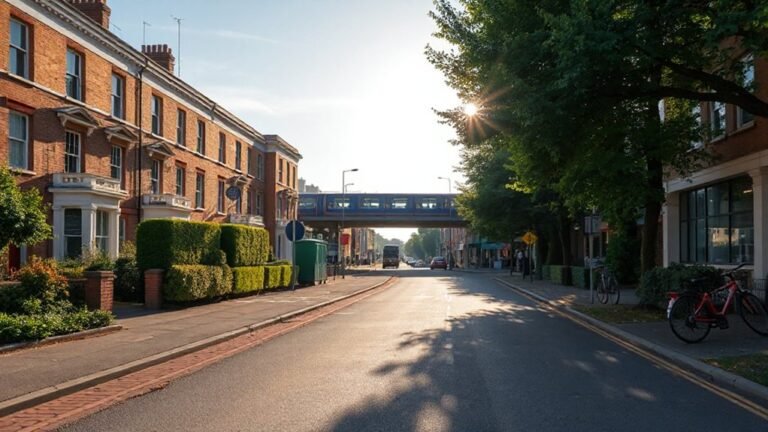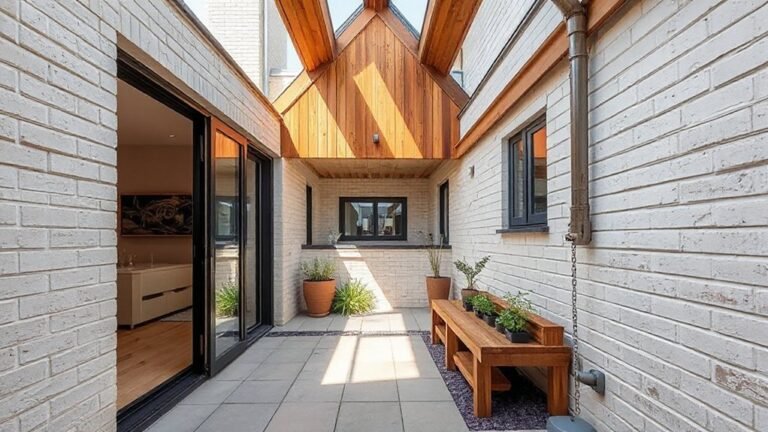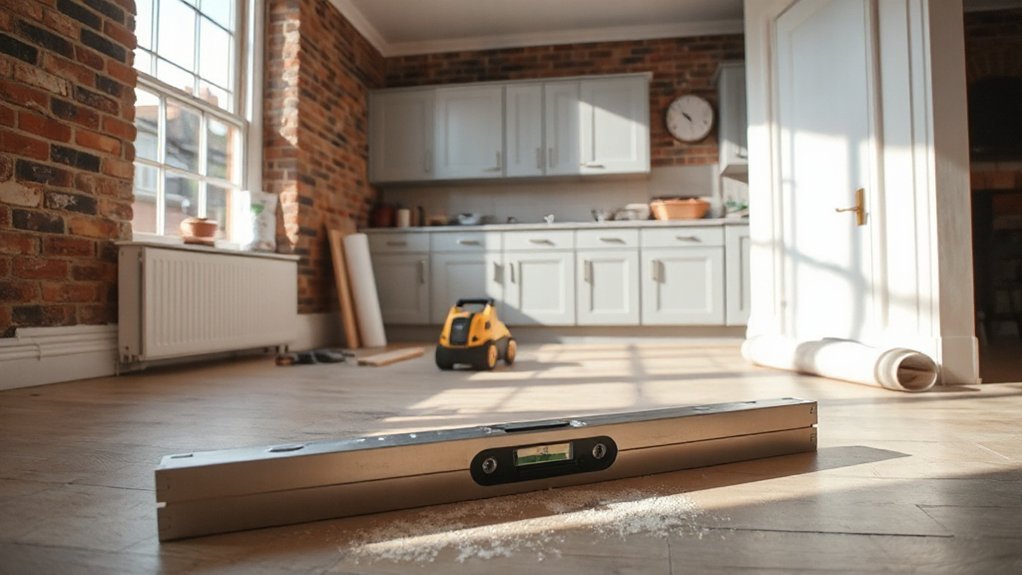
Did you know that kitchen and bathroom upgrades deliver some of the highest ROI for first‑time buyers in Birmingham? You’ll get the best bang for your buck by prioritizing safety and efficiency—think solid insulation, updated wiring, water-saving fixtures, and energy-efficient lighting—then pairing those fixes with modern, durable finishes. Start with quick wins to boost curb appeal, but plan long-term improvements that ease resale and lower running costs. Curious about how to map this out in your target neighborhood?
How to Decide Your Birmingham Renovation Path
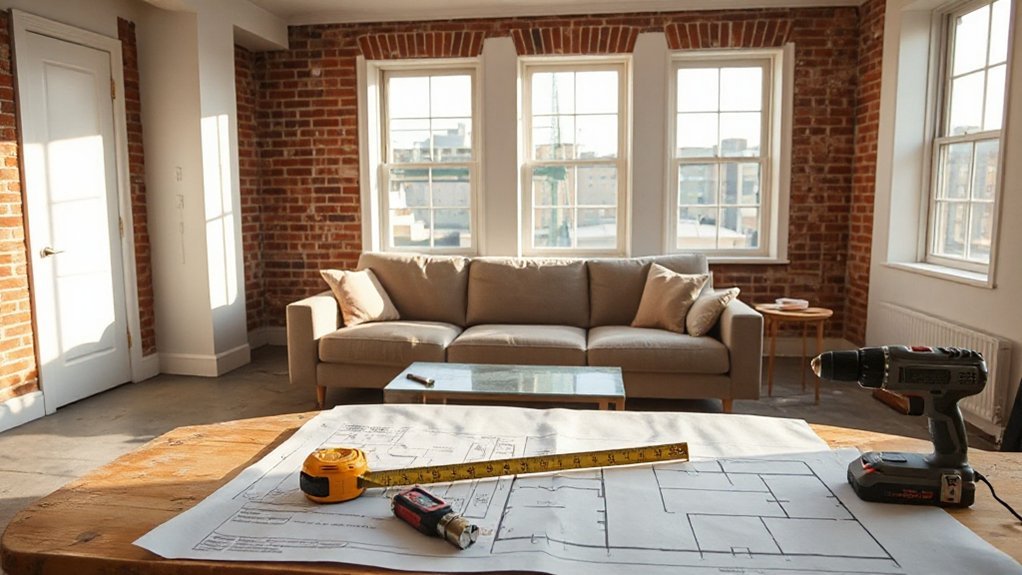
Deciding your Birmingham renovation path starts with a clear vision and solid data. You’ll assess your home’s potential, noting each room’s structure, wiring, and water risk, then map how improvements affect value.
Prioritize decisions that release livability now while preserving future upside. If you lean toward Historic preservation, you’ll balance original details with modern code and comfort, documenting features worth saving.
For interior redesign, you’ll identify layout bottlenecks and lighting upgrades that dramatically boost daily use without overhauling everything. Gather utility costs, inspection notes, and market comparables to estimate ROI.
Decide between cosmetic refreshes and structural upgrades by weighing urgency against budget. Finally, set milestones, assign accountability, and stay flexible as you refine scope, timelines, and permit requirements to guide a focused, data-driven plan.
Budgeting for a Birmingham Fixer-Upper: A Starter Guide
After weighing your Birmingham renovation path, you’re now ready to size up the budget for a fixer-upper. Start with a realistic baseline: purchase price plus 15–20% contingency for hidden issues, structural needs, and permits.
Local data show Birmingham’s fixer costs vary by neighborhood, so model scenarios: cosmetic updates only, partial systems replacement, and full gut jobs. Factor interior remodeling, including wiring, plaster, and insulation, into every estimate.
Don’t overlook soft costs—survey fees, loan origination, and closing costs can add 2–5% upfront.
Prioritize repairs with the highest return: safety, energy efficiency, and meaningful historical character. Build a phased plan, allocating funds to essential fixes first, then upgrades that boost resale value.
Maintain documentation for tax incentives and historic preservation guidelines to optimize long-term value.
Quick Wins That Add Value to Birmingham Homes
Smart, low-cost updates can add noticeable value to Birmingham homes without a full renovation. You’ll gain the biggest lift from focusing on entryways, kitchens, and bathrooms, where ROI tends to be highest.
Quick wins include fresh paint in modern neutrals, updated cabinet hardware, and energy-efficient LED lighting, all of which curb costs while boosting appeal.
For kitchens, swap dated faucets and add a simple backsplash to signal modern design without a remodel.
In bathrooms, reseal grout, replace a vanity light, and install a water-conserving showerhead to improve efficiency and perception of upkeep.
DIY tips emphasize safety and proper prep, while design trends favor light, airy spaces with clean lines.
Plan updates around durability, then document the improvements for future resale conversations.
The Best Birmingham Neighborhoods for Renovation Potential
You’ll want to focus on neighborhoods with clear renovation potential, prioritizing districts with rising property values and solid after-repair value.
Look for Investment-Ready areas where permits, resale trends, and developer activity signal predictable returns.
We’ll compare Up-and-Coming Areas, Neighborhood Renovation Potential, and broader market data to guide your next project.
Neighborhood Renovation Potential
Which Birmingham areas offer the strongest renovation potential, and why should you consider them? You’ll find solid opportunities in neighborhoods with rising property values, strong resale demand, and active rehab markets.
Look for areas showing recent tax assessment gains, higher renovation loan activity, and documented completion of local projects that attract buyers.
Proximity to transit, schools, and amenities boosts value add without excessive risk.
Prioritize blocks with historic housing stock, where you can pursue Historic preservation incentives while modernizing interiors and systems.
Eco-friendly upgrades—high-efficiency HVAC, insulation, LED lighting, and water-saving fixtures—often yield faster payback in these districts.
Avoid areas with persistent vacancy risk or weak code enforcement, and verify permit history before purchasing to minimize surprises.
Investment-Ready Districts
Investment-ready districts in Birmingham pair rising values with solid demand, making them prime targets for renovation projects you’re funding. You’ll see steady appreciation in established neighborhoods where infrastructure supports growth, transit access improves rents, and local amenities attract long-term tenants.
Focus on districts with documented demand trends, recent sales data, and permitting activity that signals momentum. Prioritize properties ripe for historic preservation with scalable layouts, enabling you to preserve character while upgrading systems.
Eco-friendly upgrades—LED lighting, high-efficiency HVAC, water-saving fixtures—boost appeal, reduce operating costs, and align with lender criteria.
Track vacancy rates, renovation timelines, and return-on-investment scenarios to avoid over-extensions. By targeting districts with clear growth trajectories and responsible upgrades, you’ll maximize value while maintaining affordable entry points for first-time buyers.
Up-and-Coming Areas
Across Birmingham, the most promising renovation bets sit in up-and-coming areas where demand is rising but prices remain reasonable. You’ll find solid value in neighborhoods undergoing infrastructure improvements, transit upgrades, and school consolidations, all supporting future resale appeal.
Look for tight housing stock with underutilized units and room to add value through layout optimization. Prioritize streets with recent investment signals, like new parks, retail redevelopments, and approved zoning changes that expand density.
Focus on properties where cosmetic work—fresh kitchens, bathrooms, and energy efficiency—delivers quick, measurable gains without overspending. Historic preservation adds character and potential tax incentives, while Modern upgrades keep homes competitive in a growing market.
Target areas offering walkability, low vacancy, and documented appreciation trends for reliable renovation ROI.
Structural, Planning, and Compliance Checks in Birmingham
When you start a Birmingham renovation, begin with structural integrity checks to confirm load-bearing walls and foundations are sound.
You’ll also verify planning compliance essentials—permits, restrictions, and approved drawings—so your project stays on schedule and within local rules.
Stay data-driven by documenting findings, timelines, and any corrective actions to avoid costly delays.
Structural Integrity Checks
Are you sure the structure holds up before you buy in Birmingham? A focused structural integrity check saves you time, money, and risk. Begin with a fundamentals view: foundation stability, wall connections, and framing. Look for cracks that widen with load, uneven floors, and doors that stick. Inspect parapets and lintels for movement indicators.
Roof integrity matters too—probe for missing tiles, sagging rafters, and gutter drainage that could cause water intrusion. Hire a qualified surveyor to verify load paths, historic alterations, and what’s beneath you (basements or crawl spaces). Review any underpinning, reinforcement, or damp-proofing notes in records.
Prioritize actionable findings with cost estimates and retrofit feasibility. Document deficiencies, then compare repair timelines against budget to decide if a purchase aligns with your renovation plan.
Planning Compliance Essentials
Planning compliance starts where structural checks end. In Birmingham, you’ll verify foundations, load paths, and electrical drawings, then move to planning steps that protect neighborhood integrity.
Check if your renovation requires planning permission or falls under permitted development rules, and review recent decisions from the Birmingham City Council for comparable projects.
You should confirm building permits are issued before any major work begins, and verify your planned changes align with local zoning laws to avoid costly revisions.
Assess party-wall implications if you share a wall with a neighbor, and document any environmental or heritage considerations that might trigger extra reviews.
Keep a clear record of approvals, dates, and conditions, and align budget buffers with potential permit fees and compliance costs.
Cost-Saving Tactics for Birmingham Renovations
You’ll save thousands by prioritizing cost-effective renovations for Birmingham homes: start with a clear, data-backed plan that focuses on high-impact updates, smart material choices, and reliable trades.
Target projects with solid payback, like insulation, draft-proofing, and bathroom fixes that improve efficiency without overhauling structure.
Compare local supplier prices and quality, then chase bulk or phased purchases to reduce waste.
Choose durable, low-maintenance finishes to extend intervals between repaints and repairs.
Prioritize Eco friendly upgrades that lower utility bills and carbon footprint, while avoiding trend-driven overhauls.
Invest in simple, scalable improvements that boost resale value and appeal to buyers.
Incorporate Smart home technology where it delivers measurable savings, not novelty, and guarantee installers provide clear maintenance and warranty details.
Financing, Permits, and Local Support in Birmingham
Financing, permits, and local support in Birmingham all matter upfront; securing the right funds, understanding the permit process, and tapping community resources keeps renovations on track and within budget.
You should map funding options early, comparing interest rates, repayment terms, and eligibility for first-time buyer programs.
Home insurance needs review before any work begins, ensuring coverage aligns with project milestones and contractor schedules.
Seek renovation grants or incentives offered by Birmingham, including municipal rebates for energy upgrades or accessibility improvements.
Permitting timelines vary by district, so plan a realistic schedule and pre-apply where possible.
Leverage local support networks—neighborhood associations, trade unions, and housing nonprofits—to confirm requirements and identify vetted contractors, inspectors, and lenders who understand Birmingham’s codes and zoning.
This proactive approach minimizes delays and cost overruns.
Frequently Asked Questions
How Long Does a Typical Birmingham Renovation Project Take?
Typical Birmingham renovations take 4–12 weeks, depending on scope, permits, and contractor pace. You should plan for extra contingency. You’ll save time with DIY tips, and stay on trend by tracking renovation trends and scheduling milestones.
What Are Hidden Costs Common in Birmingham Fixer-Uppers?
Hidden expenses bite, right, you know it’s experience you’ll remember. You’ll see renovation surprises pop up, then budget carefully; expect permits, VAT, hidden moisture, and utilities. Track costs meticulously, compare quotes, and use contingency funds—don’t gamble.
Which Birmingham Streets Have the Best ROI for Renovations?
You’ll spot streets with strong roi in Birmingham by focusing on property valuation trends and neighborhood safety; target areas where rising valuations align with low crime, solid schools, and walkable access, ensuring practical, data-driven, efficient renovation decisions.
How Do Property Taxes Change After Renovation in Birmingham?
Sure, you’ll love the surprise: property taxes might rise after a renovation due to higher property assessment and tax assessment. You’ll see higher bills, so plan budgets, monitor reassessments, and appeal if your value seems inflated.
What Rental Potential Does a Renovated Birmingham Home Offer?
Your renovated Birmingham home can generate strong rental income, depending on location and market demand, aligning with a solid investment strategy. Expect competitive rents, occupancy stability, and clear ROI signals to guide decisions and optimize cash flow.
Conclusion
In Birmingham, smart renovations start with safety, efficiency, and appeal. Prioritize kitchen and bathroom upgrades, insulation, and modern wiring to boost value quickly. Use a clear budget, track ROI, and target high-impact areas first. A practical example: a windy, 1960s terrace added energy-efficient lighting, new insulation, and a modern bath, cutting annual costs by ~30% and attracting buyers faster. Stay compliant, leverage local support, and keep receipts for maximum resale credibility and financing ease.
About the Author