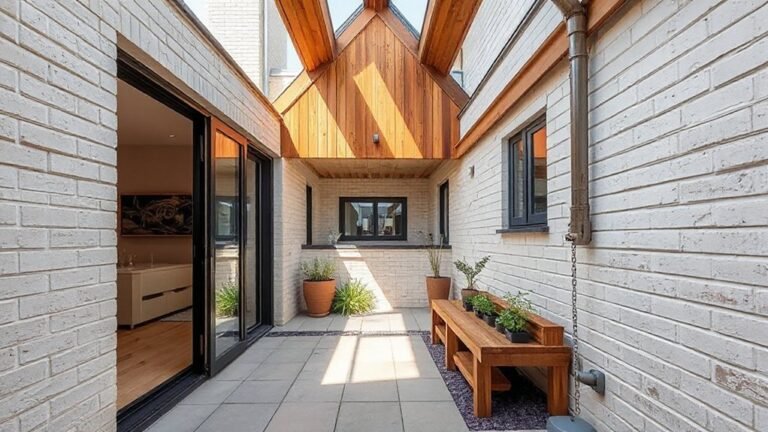
In 2026, Cardiff’s central and waterfront zones push the fastest price growth, with outer suburbs climbing on infrastructure gains and rail-access corridors accelerating valuations. You’ll see big shifts near regenerating districts, enhanced amenities, and strong demand from investors seeking connectivity and lifestyle. The pattern raises questions about which pockets sustain momentum as projects unfold and macro conditions evolve—and exactly where your next property bet might land. Interested in pinpointing those hotspots?
Cardiff 2026 Growth Hotspots: Where Prices Are Rising the Fastest

Cardiff’s 2026 growth hotspots are concentrated in areas with strong demand fundamentals and limited supply. You’ll see faster price gains where rents and employment are rising, demographics tilt toward growth corridors, and new developments compress the supply timeline.
Historical trends show momentum building in central-adjacent districts, while coastal and student-centric pockets sustain demand into next year. Market forecasts project tightening inventory, with price acceleration accelerating in submarkets benefiting from amenity access, walkability, and core services.
You should expect more selective gains where planning pipelines align with buyer confidence, mortgage conditions remain supportive, and new supply targets match projected demand. In short, hotspots will converge around high-density, transit-accessible zones, where data indicates durable outperformance through 2026.
How Transport Links Boost Cardiff Property Values
Transit connectivity is a key driver of Cardiff’s price trajectory, with rail access premiums and bus network value tightening bid-ask spreads for properties near major hubs.
You’ll see stronger cap rates and faster price growth where transit is multiples of walking distance to stations and frequent services persist.
As networks expand and reliability improves, data-backed projections point to continued value gains in transit-oriented corridors.
Transit Connectivity Impact
Transit connectivity is a key driver of Cardiff property values, as improved rail, bus, and cycling networks shorten travel times and expand the catchment for city-center living and commuter suburbs.
- Higher accessibility correlates with faster price growth in central and peri-urban zones
- Shorter commutes boost demand for transit-adjacent developments and mixed-use schemes
- Mode-shift to sustainable options supports higher rent and sale yields
- Urban design aligns with walkable streets, parking discipline, and ramped pedestrian access
- Community engagement shapes placemaking, improving occupancy and price resilience
Longitudinal data show growth clusters around transport-ready corridors, with Forecast CAGR outperforming city averages.
You’ll see investment ripple effects as developers target transit-adjacent sites, prioritizing density, amenities, and service reliability to sustain momentum.
Rail Access Premium
Rail access acts as a premium lever for Cardiff property values, with proximity to fast, reliable rail services driving faster price growth and stronger rent transmission across central and suburban markets.
You’ll see premium locations closer to rail hubs outperforming broader trends, as commuter demand sustains higher yields and shorter vacancy cycles.
Our data signals sustained capital value acceleration in precincts linked to mainline stations and commuter corridors, where accessibility reduces time-to-work and expands resident pools.
Forward-looking models show rail access contributing above-average annual price growth, even as macro headwinds temper other sectors.
Investors increasingly prioritize infrastructure adjacency, aligning asset appraisals with transport-led value drivers.
In Cardiff, the premium locations near stations remain core to long-run yield resilience and rental performance.
Bus Network Value
Bus networks act as a value multiplier for Cardiff property, with areas served by frequent, well-connected bus routes showing faster price growth and tighter rental markets than less-connected districts. You’ll see data signals that transport infrastructure proximity correlates with higher cap rates and shorter vacancy cycles, especially near hubs with high service frequencies.
In 2026, bus network accessibility aligns with stronger demand pockets, shifting buyer and renter preferences toward integrated transit corridors. Expect continued growth where bus routes complement rail access, supporting multimodal commuting and reduced car dependence.
- High-frequency corridors drive premium pricing
- Transit-oriented clusters attract institutional capital
- Mixed-use development concentrates around stops
- Rental turnover improves with reliable service
- Accessibility linked to forecasted value acceleration
The Amenities That Push Cardiff Homes Higher
Cardiff’s attractive mix of amenities is a key driver of property price growth, especially as buyers prioritize accessibility to work, culture, and outdoor recreation. You’ll see that proximity to major employment hubs, museums, galleries, and green spaces correlates with higher price trajectories across central and emerging districts.
Data indicates a premium for developments within short commutes to cultural venues and waterfront parks, with strong uplift when integrated into transit corridors. Luxury apartments within mixed-use schemes attract younger professionals seeking turnkey convenience and social amenities, contributing to price momentum in core zones.
Historic districts add a qualitative premium, signaling heritage value that sustains demand even amid market normalization. Looking ahead, continued investment in mixed-use projects and preservation-led design should sustain elevated price growth premiums.
Cardiff’s Neighborhood Price-Rise Rankings, by Area
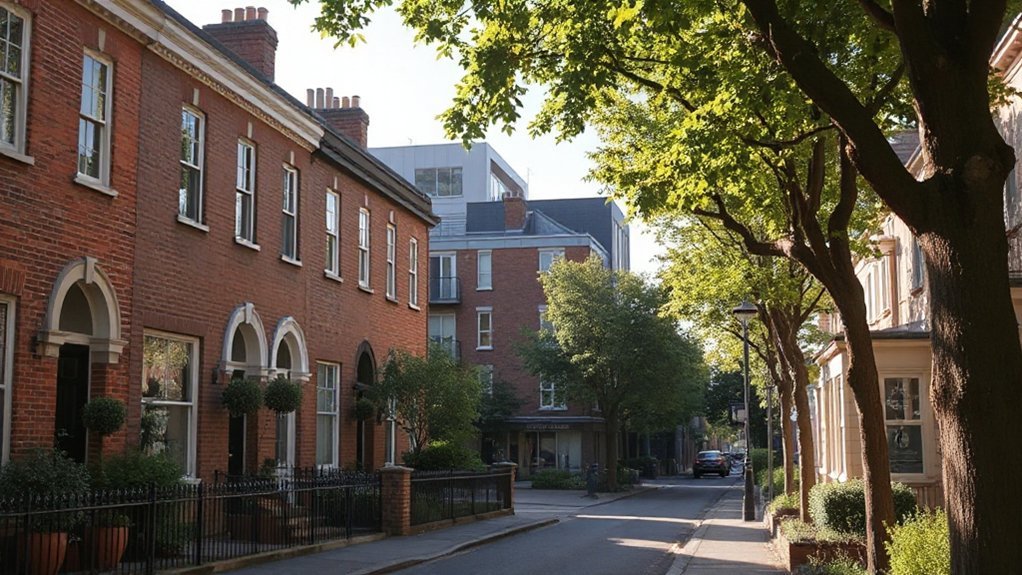
Across Cardiff, price-rise rankings by area reveal a clear pattern: central and waterfront districts lead the way, while outer suburbs follow with narrower but steady gains. You can track how neighborhoods cluster by recent activity, then project momentum using historical trends and market predictions.
- Central core and waterfronts outperform year-over-year, with elevated demand driven by amenities and accessibility.
- Inner districts show resilient price growth and quicker recoveries after volatility.
- Outer suburbs rise gradually, aided by infrastructure improvements and affordable entry points.
- Transit-adjacent areas accelerate as commuting remains a key driver.
- Waterfront renewal zones exhibit cyclical upticks linked to development milestones.
These rankings inform sector stakeholders on where demand concentrates and where to monitor for risk-adjusted returns.
Investment Prospects: Rising Cardiff Neighborhoods vs. Stable Hubs
You’ll want to weigh rising Cardiff neighborhoods against stable hubs as a portfolio decision: rising areas offer upside potential from regeneration and affordability, while stable hubs deliver resilience, liquidity, and predictable cash flows.
In 2026, diversification benefits emerge as market segments respond differently to demographic shifts and supply constraints. Rising pockets show higher rent growth and nominal yield compression, driven by regeneration spend, improved transit access, and occupational spillovers.
Stable hubs, by contrast, exhibit steadier occupancy and lower vacancy risk, supported by established employer clusters and dense amenity networks.
For investors, tiered allocations can balance upside with risk control, targeting market diversification across micro-geographies while hedging with high-occupancy corridors.
Track macro indicators, rental elasticity, and regeneration timelines to optimize entry points and exit windows.
What’s in Cardiff’s Housing Stock That Fuels Gains
You’re seeing that Cardiff’s gains hinge on the quality and mix of housing stock, with modern interiors and efficient layouts topping demand.
Location and accessibility drive buyer choices, so proximity to transport links and amenities will shape price trajectories.
Ongoing upgrades—energy efficiency, refreshed façades, and smart-home tech—signal resilience and future value for investors and homeowners alike.
Quality Of Housing Stock
What’s driving Cardiff’s housing gains starts with the quality of its stock: well-maintained homes, modernized interiors, and resilient construction that lower maintenance costs and attract buyers and renters.
- Modern fittings in heritage shells, balancing charm with efficiency
- Upgraded insulation and glazing reducing energy bills across luxury apartments
- Consistent compliance with safety and building standards
- Refurbished common areas in historic districts boosting appeal
- Durable, low-maintenance exteriors that withstand weather and time
You’ll see stable capex fueling durability, with data showing faster value recovery after upgrades. Moving forward, developers target high-demand segments like luxury apartments and well-preserved historic districts, expecting tighter yield gaps, shorter sale times, and stronger rental growth driven by modern amenities and energy performance.
This stock-driven momentum supports sustained price acceleration into 2026.
Location And Accessibility
Data indicates ongoing densification near rail links, bus rapid transit corridors, and active tram routes, supporting higher occupancy and turnover. Cultural attractions drive ancillary demand, sustaining apartment rents and sale prices even in mid-market segments.
In suburbs, improved cycleways and protected green spaces lift desirability without sacrificing accessibility. Looking ahead, pipeline developments around key stations suggest continued price acceleration where accessibility compounds with redevelopment momentum.
Outcome: location-centric value growth remains Cardiff’s core differentiator.
Modernisation And Upgrades
- Targeted refurbishments and energy upgrades
- Smart-home integrations and efficiency gains
- Preservation-led modernization of historic architecture
- Resilience improvements for climate risks
- Festival-driven demand and premium stock upgrades
Who’s Moving to Cardiff’s Hotspots (Demographics and Demand)

Urban growth in Cardiff’s hotspot neighborhoods is driven by demographic shifts toward younger professionals, families seeking value, and international buyers drawn to strong amenities and transport links.
You’ll see demand concentrated where job sites, schools, and cultural hubs cluster, with data indicating higher rent-to-income ratios among millennials and Gen Z renters.
Cultural diversity shapes retail, dining, and nightlife demand, while lifestyle preferences push upgrades to green spaces, cycle routes, and smart-home features.
Population inflows correlate with proximity to rail renderings and bus networks, shortening commutes and boosting daytime footfall.
Developers track density, absorption rates, and planning approvals to forecast mid-cycle price acceleration.
You’ll benefit from targeting areas with diversified tenant mixes, stabilized vacancy, and signals of sustained inbound migration.
Price Momentum: Key Indicators Buyers Should Watch
You’ll want to track momentum indicators like weekly price changes, turnover velocity, and days-on-market to gauge how quickly Cardiff properties are moving.
Watch price trends and signals across neighborhoods to spot early shifts in demand and price pressure before they show up in appraisals.
This data-driven lens helps you time entry, assess risk, and align expectations with market momentum.
Momentum Indicators To Watch
Momentum indicators help buyers gauge near-term price acceleration and trend strength in Cardiff property markets, with moving averages, rate-of-change, and relative strength metrics signaling when to enter or exit positions.
- Track 20–50 day moving averages to spot acceleration in Luxury apartments and pressure points in historical neighborhoods.
- Monitor rate-of-change to confirm momentum shifts before market catalysts.
- Use relative strength versus broader UK markets to identify outperformance.
- Combine volume signals with momentum for sustainability of moves.
- Prioritize assets showing consistent RSI pullbacks in overbought zones, then renewed bids.
Strong momentum in luxury segments may precede price floors in slower districts, guiding kit-by-kit allocation.
You’ll want transparent data feeds, quarterly updates, and sector-specific overlays to stay ahead.
Price Trends And Signals
Price trends in Cardiff are signaling where price momentum is strongest and where risk may be building. You’ll see demand surges aligning with high-yield corridors, especially near luxury developments where new supply tightens cap rates.
Track week-to-week price accelerations in central submarkets, and compare them against longer-term cycles to spot trend reversals early. Volume spikes accompanying price upticks often indicate genuine buying interest, while thin turnover can warn of speculative pressure.
In areas preserving historic architecture, bid data may reflect premium readers; buyers should weigh conversion timelines and rental yields alongside entry costs. Watch mortgage rate sensitivity, as financing shifts can dampen momentum even amid improving local wages.
Cardiff Compared: Top Growth Zones vs. Long-Term Performers
Cardiff’s top growth zones outpace long-term performers in the near term, but the bigger story is the quality of fundamentals that underpin both groups. You’ll see that short-term velocity reflects supply-demand mix, not just price jumps, with historical affordability shifting toward balanced entry points and measured risk.
Across zones, rental yield trends stay constructive even as cap rates compress, signaling stable cash flow for investors who diversify.
- Top-growth corridors: early gains, sustainable rent stacks
- Long-term performers: steadier appreciation, resilience
- Demand drivers: commuting access, amenity mix, school catchments
- Financing context: margin sensitivity, leverage discipline
- Risk-adjusted returns: gross yield vs. price trajectory alignment
Market Risks and Signals for 2026 and Beyond
You’ll see tight data on housing turnover, with Welsh markets showing slower completions and episodic gaps between new supply and demand.
Price appreciation may slow as mortgage costs rise, underwriting tightens, and affordability bites; expect volatility in high-demand clusters near transport hubs.
Climate change introduces coastal and flood risk premiums that reprice assets and alter insurance costs, influencing cap rates and debt service.
Market speculation could amplify short- to mid-term swings, particularly around policy announcements or infrastructure bets.
Monitor rental yields, vacancy trends, and lender risk appetites to gauge resilient or falling demand pockets in Cardiff.
Practical Guide for Buyers and Investors Targeting Cardiff Hotspots

Targeting Cardiff hotspots requires a disciplined, data-driven approach that prioritizes location fundamentals, recent transaction patterns, and practical execution steps. You’ll focus on micro-neighborhoods with observable upside, aligning asset class with demand signals in luxury developments and near green spaces.
Use dashboards to monitor price momentum, rental yields, and planning activity, then validate with site visits and feasibility checks. Expect execution to hinge on timing, lender criteria, and supported refurbishment plans that maximize value without overcapitalising.
- Prioritise assets near parks and waterfronts to capture quality-of-life premiums
- Compare recent comp and yield trends across hotspots
- Stress-test exits with conservative rent assumptions
- Assess developer-backed projects for risk-adjusted upside
- Plan light-scale luxury improvements to elevate value quickly
Frequently Asked Questions
Which Areas Show Sudden 2026 Growth Spurts in Cardiff?
You’ll see sudden 2026 growth spurts in Cardiff’s luxury apartments and waterfront developments, driven by demand and investment. You’ll identify hotspots around the Bay and central quays, as supply tightens and yields improve, signaling sector-wide momentum.
How Do Transport Upgrades Affect Property Price Trajectories?
You ride a growing bridge, and you feel it: public transit boosts demand as infrastructure investment tightens supply. You’ll see price trajectories rise where transit upgrades connect neighborhoods, aligning growth with efficiency, reliability, and data-driven, sector-specific expectations.
What Amenities Most Consistently Lift Cardiff Home Values?
You’ll see luxury apartments and proximity to historic districts consistently lift Cardiff home values, as data shows premium demand and faster price growth in these segments; you’ll likely benefit from continued buyer interest and stronger resale resilience.
Which Neighborhoods Balance Growth With Long-Term Stability?
You’ll choose neighborhoods that balance growth with long-term stability, prioritizing steady rental demand and prudent capex. Neighborhood development metrics show resilient investment stability, guiding you toward areas with diversified growth, mature infrastructure, and predictable, data-driven appreciation potential.
What Market Signals Best Predict 2026 Cardiff Price Momentum?
You’ll see momentum where luxury apartments remain tight and historical districts attract demand, with signals like vacancy dips, rising rents, and new infra announcements suggesting price acceleration into 2026.
Conclusion
In Cardiff’s 2026 map, growth hotspots steal the spotlight, yet the data jokes quietly: hotter areas rise on transport access and amenities, while outer suburbs gain steam with Infrastructure tweaks. You’ll chase momentum, not myths, watching price velocity, regeneration milestones, and rental demand tighten like a spreadsheet. So yes, invest where signals point—but don’t overlook risk signals or long-term fundamentals. The smarter bet is a diversified, data-driven portfolio across the city’s evolving neighborhoods.
About the Author