Last month, you bought a new build with builder incentives and a tight budget, so you’ll want a clear plan to upgrade without overspending. Start with a realistic budget and a priority list, focusing on comfort and efficiency that pay back over time. Smart timing with the builder can maximize perks, while durable finishes cut future costs. You’ll want practical, scalable tweaks and future-proofed wiring to keep costs down and options open. Stay with me to map out the best path.
Define a Budget-First Upgrade Plan: Set a Realistic Number and a Priority List
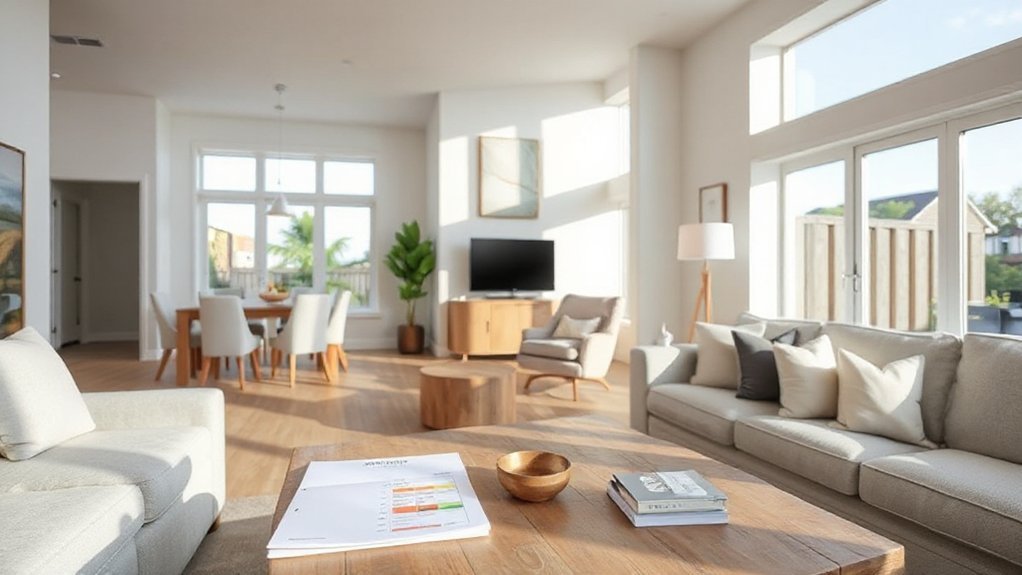
To start, set a realistic upgrade budget you’ll actually stick to, not what you wish you could spend. You’ll define a hard total first, then split it into must-haves, nice-to-haves, and contingencies.
Begin with a concise priority list: items that add value now, reduce future costs, or improve daily comfort. Allocate a clear portion for landscaping enhancements—think drought-tolerant plants, proper irrigation, and durable hardscape—so curb appeal aligns with long-term savings.
For internal upgrades, map smart home integration to essential functions first: security, climate control, and lighting. Track every expense against the plan and adjust in real time; avoid scope creep by refusing “optional” buys that don’t serve your top priorities.
Focus on practical impact, not trendiness, and keep receipts for future audits.
Prioritize Comfort and Efficiency Upgrades That Pay Back
Prioritize comfort and efficiency upgrades that pay back by focusing on the changes you’ll notice daily and that reduce operating costs over time. You’ll see faster comfort shifts, quieter rooms, and steadier temperatures when you choose well‑priced options.
Target measures that lower ongoing bills, not just upfront costs. Start with energy efficient insulation to curb heat loss in winter and heat gain in summer, then pair it with air sealing to stop drafts.
Add smart thermostat options to optimize heating and cooling without waste, learning routines and adjusting schedules automatically.
Choose upgrades with proven payback timelines and durable components, avoiding novelty tech that doesn’t improve daily living.
Document performance after install to verify savings and guide future decisions.
Maximize Builder Incentives With Smart Timing and Documentation
Leverage builder incentives by timing purchases to your advantage and keeping meticulous records. You’ll maximize value by coordinating upgrades with critical construction milestones and the contract’s incentive windows, not after you sign.
Track every agreement, addendum, and price quote, then confirm them in writing with dates. When a builder offers incentives for early selections or bundled options, compare costs against standalone purchases to avoid duplicating features.
Document change orders, warranty terms, and delivery commitments so you can leverage concessions if delays occur. Be mindful of a home warranty’s coverage limits and what it excludes, and secure it before move‑in.
If construction delays arise, use documented milestones to renegotiate timelines, extensions, or credits rather than accepting higher costs later. Stay disciplined, focused, and proactive.
Choose Durable, Low-Maintenance Finishes That Save Over Time
Choosing durable materials and low-maintenance finishes now saves you headaches—and money—down the road.
Look for quick-clean, easy-care options that resist wear and stay looking fresh with minimal effort.
Prioritize finishes with long-term savings, so you spend less time and money on upkeep while enjoying lasting value.
Durable Materials, Low Maintenance
Durable, low-maintenance finishes pay off over time by resisting wear and requiring fewer repairs. You’ll gain reliability without chasing constant touch-ups, so your budget stays predictable. Choose materials that balance longevity with ease of care: quartz countertops resist stains and scrapes better than butcher block; ceramic or porcelain tile minimizes cracks and simplifies cleaning.
A vinyl plank or luxury vinyl tile option can handle moisture and heavy use with style. For cabinetry, solid-core doors and laminated shelves endure more than hollow cores, while pulled-tatch hardware reduces maintenance fuss. Prioritize seamless, cleanable surfaces that don’t demand specialty cleaners.
This approach supports luxury upgrades and aesthetic enhancements without overcomplicating upkeep, letting you enjoy durable performance and a calm, low-effort living environment.
Long-Term Saving Finishes
Smart finishes save you money in the long run by resisting wear and requiring fewer touch-ups. Choose durable, low-maintenance options that pay off over time.
For surfaces, select hard-wearing materials like quartz countertops and porcelain tiles, which resist staining and scratches without frequent resealing.
Flooring should balance durability and comfort; consider vinyl plank or engineered wood with protective finishes, paired with proper underlayment to reduce wear.
In systems, prioritize Energy efficient appliances that lower operating costs and extend service life.
Invest in smart home integration to streamline maintenance tasks, automate routine checks, and monitor performance remotely.
Favor finishes with low volatile organic compounds for better indoor air quality and fewer repaint cycles.
Plan budget-friendly replacements and upgrades aligned with long-term cost savings.
Quick-Clean, Easy Care
In a new-build, quick-clean, easy-care finishes save time and money by resisting stains, wear, and frequent touch-ups. Choose durable, low-maintenance materials that stand up to daily life without constant upkeep.
Opt resistant surfaces in kitchens and baths, like solid-surface counters and fingerprint-resistant cabinetry, to reduce scrubbing. For walls and floors, select washable paints and ceramic tiles with strong abrasion ratings.
Consider finishes that require minimal sealing or reapplication, so you don’t overinvest in maintenance.
Garden landscaping should harmonize with durable finishes, using weather-tolerant plants and permeable pathways that need little care.
Add decorative accents sparingly to avoid crowding spaces and kicking up cleaning tasks.
The result is a cohesive, long-lasting, cost-efficient home you’ll enjoy without endless touch-ups.
Safe, Cost-Saving DIY Tweaks You Can Tackle Now
You can start with safe, cost-saving DIY tweaks that move the needle without risking your warranty or budget.
We’ll focus on budget-friendly upgrades, smart, simple renovation hacks, and practical tasks you can tackle now.
Think efficiency boosts, minor cosmetic improvements, and proven methods that deliver real value with minimal risk.
Safe, Cost-Saving DIY Tweaks
Here are several safe, cost-saving DIY tweaks you can tackle now to upgrade a new-build without overspending: start with quick, high-impact updates like swapping out generic lightbulbs for efficient LEDs, sealing gaps around doors and windows with weatherstripping, and applying low-cost painter’s tape to create clean, fresh edges on walls and trim.
Next, boost energy efficiency by adding programmable thermostats, caulking around exterior penetrations, and insulating exposed plumbing.
Improve everyday usability through outlet covers, dimmer switches, and magnetic cabinet latches to reduce wear.
For aesthetic enhancements, refresh with affordable acrylic caulked seams, touch-up paint, and primer where needed to improve perceived quality.
Prioritize simple, reversible tweaks so you can judge impact before expanding your project scope.
Budget-Friendly Home Upgrades
Small, practical upgrades can keep a new-build feeling fresh without breaking the bank. You can start with cosmetic swaps that don’t require big commitments: swap knobs and pulls, upgrade lighting, and refresh grout lines.
Focus on surfaces you touch daily—kitchens, baths, entryways—and choose finishes that look polished without a full remodel. Add high-contrast accents or warm wood tones to create depth and character.
Budget-smart projects include painting cabinets, installing beadboard, or adding premium-looking hardware that feels like luxury upgrades without the price tag. For a lasting effect, curate a cohesive palette and repeat it across rooms to boost aesthetic enhancements.
Prioritize durability and easy maintenance so your improvements endure, not fade from fashion.
Smart, Simple Renovation Hacks
Smart, simple renovation hacks let you upgrade your new-build on a tight timeline and budget. You don’t need a full gut to gain impact. Start with energy efficient lighting to trim ongoing costs and brighten rooms without bulky fixtures. Swap incandescent bulbs for LED equivalents and install dimmers where you want mood control.
Next, streamline spaces with smart home automation basics: a single hub, smart plugs, and compatible bulbs to automate schedules, scenes, and energy use. Focus on high-ROI tweaks: seal drafts, add weather stripping, and upgrade an inefficient faucet to reduce water waste.
Repaint walls in neutral tones to refresh look and feel with minimal expense. Use simple, temporary décor changes—rugs, plants, and wall art—to transform rooms quickly without overcommitting.
Future-Proof Your New Home Without Overspending
Future-proofing a new home doesn’t have to break the bank. You can build resilience without overspending by prioritizing scalable systems and smart choices from day one.
Start with a flexible electrical plan that accommodates future upgrades, like extra outlets, circuit capacity, and central network points for devices and sensors.
Opt for smart home automation that reduces energy use and automates routines, but avoid overloading with gadgets you won’t use.
Choose energy efficient appliances and climate control that meet current standards, with easy retrofit options later.
Invest in quality insulation, windows, and sealing to lower long-term costs.
Finally, document warranties, maintenance schedules, and upgrade paths so future-you isn’t paying twice for the same improvement.
Frequently Asked Questions
How Can I Track Upgrades Within My Total Project Budget?
You track upgrades by logging each item against your Budget tracking sheet and updating totals in real time. Use Upgrade monitoring daily, set thresholds, flag overruns, and review variances weekly to keep costs controlled and transparent.
Which Non-Material Costs Surprise Buyers the Most?
Design aesthetics and neighborhood amenities surprise buyers most; you’ll notice hidden costs like permits and utility connections spike quotes, so you should budget for them, compare builders, and insist on clear scope to protect your comfort and value.
What’s the Fastest ROI Upgrade for New Builds?
Smart thermostats deliver the fastest ROI by cutting energy use, followed by upgrading interior lighting to LEDs. You’ll save monthly, feel immediate comfort, and justify the upfront cost as you reduce bills and boost resale appeal.
How Do I Compare Builder Incentives Across Options?
Yes—you compare builder incentives across options by listing interior upgrades and energy efficiency, then weigh price, timing, and resale impact. Irony helps you stay skeptical while you act pragmatically, prioritizing value, not vanity, in every interior upgrade decision.
What Hidden Maintenance Costs Should I Anticipate Upfront?
Expect upfront maintenance costs like potential weatherproofing and system upgrades. You’ll want Energy efficiency upgrades and smart technology investments, budgeting for HVAC tune-ups, appliance lifespans, and electrical panel checks to avoid surprise expenses. Stay proactive, monitor warranties, and plan contingencies.
Conclusion
You’ve got a concrete playbook: budget-first, prioritize comfort and efficiency, snag builder incentives, choose durable finishes, and save with safe DIY tweaks. Imagine you’re building a bridge to long-term savings: invest in sturdy spans now, and the wear-and-tear costs drop dramatically later. In one project, a homeowner cut monthly energy use by 20% after smart thermostats and insulation upgrades. Start small, plan smart, and your new home becomes resilient, efficient, and affordable for years to come.
About the Author