Bristol’s tech scene is blowing up—yet you’ll find real depth in its core and fringe districts, where walkable hubs, university-linked labs, and maker spaces drive collaboration. You’re likely to encounter strong demand in the City Core, Temple Quarter, and fringe pockets like Stokes Croft, with salaries and roles shaping up around startups, innovation centers, and creative clusters. Stay with me as we map which neighborhoods fuel hiring, what attracts talent, and how to position yourself for these opportunities.
What Makes Bristol a Tech Hub

Bristol has emerged as a tech hub thanks to a potent mix of strong universities, a thriving startup scene, and supportive policy. You’ll see how data anchor this growth: university research output anchors local IP, while government incentives reduce early-stage risk.
Tech sector employment climbs as graduates fill roles in software, cybersecurity, and AI services, driving wage premiums and productivity. You quantify diversification across sectors, noting that fintech, health tech, and edtech intersect with core engineering.
Startup ecosystems thrive where collaboration spaces, accelerators, and mentor networks reduce time-to-market. The city’s transport links and cost of living maintain competitiveness against rivals, enabling scaleups to hire aggressively.
In short, demand strengthens as talent, capital, and policy align to foster sustainable, data-driven expansion.
Bristol’s Top Tech Neighborhoods: City Core to Fringe
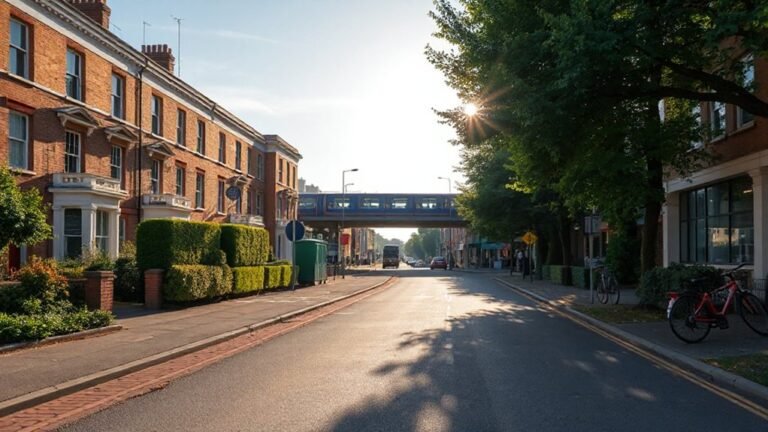
Bristol’s tech neighborhood map centers on a tight city core that fans out toward the fringe as densities shift and costs rise. You’ll see the central cluster prioritize proximity to transport, coworking hubs, and university-linked innovation spaces. Then spill into mixed-use districts where small firms scale.
In the core, Historic architecture blends with modern layouts, fostering walkable collaboration zones and rapid informal networking. Moving outward, fringe pockets emphasize cost discipline, satellite campuses, and sector-focused clusters like cybersecurity and green tech, supported by targeted incubators.
Cultural festivals punctuate the calendar, signaling demand signals and talent flow between neighborhoods. You can gauge market resilience by rental yields, vacancy trends, and the pace of new-build conversions, all anchored by data, local services, and industry dialogue.
Clifton and the City Core: Salaries and Roles
In Clifton and the City Core, you’ll see how salaries align with role scope and market demand, with data showing clear gaps between junior and senior tracks.
When you compare Clifton to the City Core, you’ll notice higher median pay and faster progression for core developer and product roles, driven by density of tech firms and client exposure.
This discussion starts with the salary differentials by role and sets the stage for how Clifton’s talent mix shapes hiring priorities.
Salaries by Role
Regional bonuses and equity grants tighten the variance for senior roles, while mid-level salaries reflect strong demand for practical skills in cloud, automation, and integration. Remote collaboration and cross-functional teams influence compensation through project-based premiums and flexible work allowances.
Diversity initiatives push entry points for underrepresented groups, subtly shaping starting salaries and growth trajectories. Overall, salary trajectories correlate with role complexity, impact, and required tooling proficiency.
Clifton vs City Core Roles
Across Clifton and the City Core, salary profiles align with local demand signals and role complexity.
In Clifton, you’ll find mid-tier software and data roles commanding competitive B2B salaries, driven by a dense startup scene and flexible work models.
City Core roles skew toward product, cyber, and UX leadership, where larger organizations push higher compensation for strategic impact.
You’ll notice Clifton lifestyle supports longer tenure with practical benefits, while City core amenities attract specialists seeking rapid career advancement and enterprise exposure.
Role scope in Clifton emphasizes hands-on delivery and collaboration within smaller teams; in the City Core, you’ll encounter formal governance, cross-functional partnerships, and scalable systems.
Temple Quarter: Growth, Hiring, and Opportunities
Temple Quarter is accelerating as a tech hub, with robust demand driven by a growing startup ecosystem, university partnerships, and major investments in infrastructure and student talent pipelines. You’ll find a clear correlation between new roles and the quarter’s dense collaboration spaces, incubation programs, and accelerator initiatives.
Data show rising vacancy fill rates in software, data analytics, and product roles, supported by university cohorts feeding internships and co-ops into local firms. Hiring cycles cluster around major redevelopment phases, with demand concentrated in AI, cloud, and cybersecurity disciplines.
Local councils-tracked projects indicate a steady expansion of mixed-use offices and lab facilities, enhancing talent retention. Temple Quarter’s tech ecosystem integrates research output, skilled graduates, and accessible housing to sustain growth momentum.
Stokes Croft and the Emerging Fringe: Startups and Roles

Stokes Croft is redefining Bristol’s fringe by clustering startup activity around creative spaces, maker labs, and collaborative hubs that translate culture into code. You’ll notice a dense concentration of micro-accelerators and co-working sites linked to street-art sponsorships, music venues, and fashion studios, all feeding the Emerging Fringe with practical pipelines for product ideas and prototypes.
Data shows higher seed funding rates here versus surrounding districts, driven by accessible studio space, community mentors, and low-barrier prototyping tools. Roles skew toward founder-operators, product designers, and technical programmers who thrive on rapid iteration and niche branding.
Local ecosystems emphasize collaboration over hierarchy, with cross-pollination between art collectives and fintech startups. If you’re evaluating Bristol hotspots, Stokes Croft’s Emerging Fringe delivers tangible early-stage paths.
Brighton-on-Sea and Other Nearby Pockets: Tech Activity and Openings
Brighton-on-Sea and its surrounding pockets are catching up fast with Bristol’s tech energy, offering a mix of open coworking spaces, maker labs, and industry-focused meetups that appeal to developers, designers, and startup founders.
In this coastal tech cluster, you’ll notice steady job postings from seaside startups and regional R&D labs, with a 6–8% quarterly uptick in software roles and product design openings.
Local accelerators report higher-yield cohorts, translating to practical project work for freelancers and builders.
Brighton on Sea contributes cross-disciplinary talent, while nearby pockets add domain expertise in maritime sensors, climate data, and UI/UX for visitor apps.
Expect collaboration hubs, coastal tech events, and growing demand for cloud, data, and mobile engineers driving oceanic innovation.
How Commute Shapes Bristol Tech Hiring
How does commuting shape Bristol’s tech hiring dynamics? Your commute patterns influence where firms locate teams and how candidates weigh opportunities. Data show shorter, predictable journeys correlate with higher applicant pools, while longer, multi-leg trips dampen interest in relocating or taking junior roles.
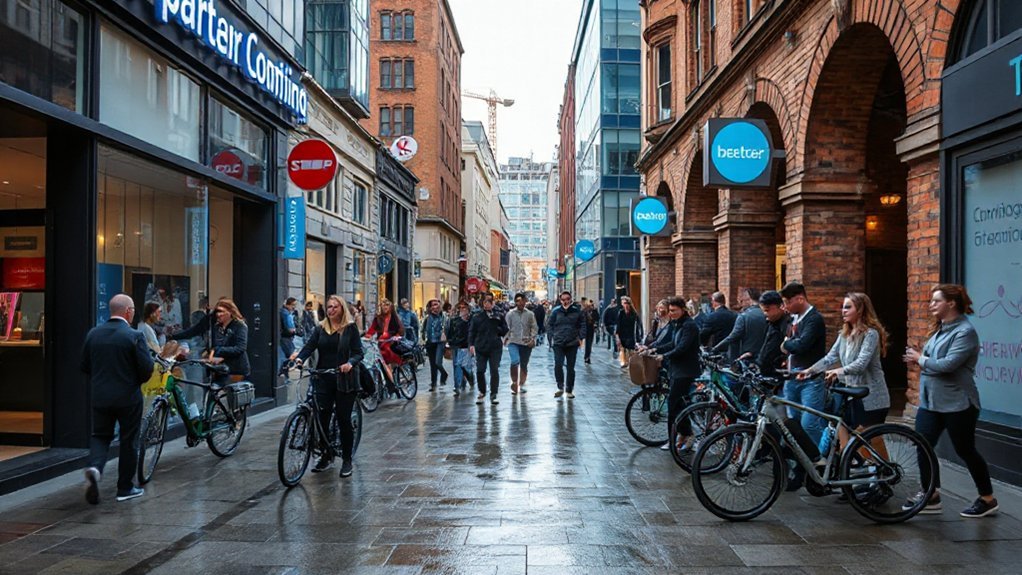
In Bristol’s core corridors, employers increasingly favor sites with robust transit links, bike facilities, and flexible hours to attract diverse talent. Remote collaboration remains integral, enabling distributed squads to sustain productivity even when teammates live beyond the city center.
Tech community events act as signal amplifiers, drawing candidates toward neighborhoods that host meetups, hackathons, and coworking hubs. When commute realities align with work-life preferences, hiring velocity rises, and retention improves across software, data, and cloud-adjacent roles.
In-Demand Roles in Bristol: Software, Data, and Cloud

Software, data, and cloud roles top Bristol’s hiring map, driven by demand from fintech, manufacturing tech, and public-sector digital transformation initiatives. You’ll find strong acrylic signals in software engineering, with emphasis on Java, Python, and frontend frameworks fueling fintech integration and customer platforms.
Data professionals—analysts, engineers, and scientists—drive insights for manufacturing optimization and public services. Meanwhile, cloud engineers manage scalable environments across hybrid models.
The region’s tech ecosystem rewards remote collaboration tools and robust CI/CD practices, enabling cross-office collaboration and fast delivery cycles. Employers increasingly value security and compliance competencies aligned with fintech and public-sector requirements.
Look for traction at tech industry events, where hiring managers spotlight in-demand skills and project footprints shaping Bristol’s software, data, and cloud careers.
Salary Drivers in Bristol Tech Markets
In practice, market data show elevated premium bands in fintech, healthtech, and software as a service, reflecting both competition for scarce engineers and project-based funding rhythms. Public sector procurement, regional grants, and university partnerships create cyclical uplift, especially around large digital infrastructure initiatives.
Tech startup funding influences compensation bands too, channeling cash-based incentives when rounds close near hiring surges. Overall, Bristol’s cost mix and ongoing digital backbone upgrades keep total compensation competitive versus comparable UK tech hubs.
Company Types Hiring Fastest in Bristol
Tech roles are being filled fastest by firms that blend product velocity with scalable hiring, especially in fintech, healthtech, and SaaS tenants around Bristol’s digital spine. You’ll see that scaleups and enterprise tech teams dominate hiring, because they pair rapid product cycles with structured talent funnels.
Data shows faster time-to-hire in companies prioritizing remote collaboration and distributed interview panels, reducing location bottlenecks for Bristol’s talent pool. In practice, these firms favor cross-functional squads, automated screening, and clear coaching paths, accelerating onboarding without sacrificing quality.
Tech diversity remains a differentiator, with mixed backgrounds improving problem-solving and user insight. If you’re aligned with product-led growth, you’ll find Bristol firms that value outcomes over titles, and that actively broaden sourcing to sustain velocity and resilience.
Perks That Attract Tech Pros to Bristol

You’ll notice Bristol’s tech scene is powered by a strong talent pool, with employers actively competing for skilled professionals.
Career growth prospects are a clear differentiator, shaped by local accelerators, open roles, and learning budgets that signal long-term value.
When you weigh work-life balance perks—from flexible hours to remote-friendly policies—you’ll see how these factors align with the region’s cost of living and industry rhythm to attract top talent.
Tech Talent Pool
Bristol’s tech scene attracts pros by blending cost and quality of life with targeted perks: flexible working arrangements, strong digital infrastructure, and a steady supply of talent from nearby universities.
You’ll find a dense talent pool anchored by University of Bristol and UWE, with graduates entering software engineering, data science, and cybersecurity roles.
Local firms emphasize collaborative pipelines, internships, and industry partnerships that shorten path-to-impact.
Data shows high retention in tech clusters, thanks to competitive compensation and work‑life balance.
Remote collaboration and hybrid roles are well-supported by ubiquitous fiber, low-latency networks, and coworking ecosystems.
This mix accelerates Digital innovation across sectors, from fintech to health tech, while ensuring a continuous inflow of locally trained engineers and developers.
Career Growth Prospects
Career growth in Bristol’s tech scene is anchored by clear pathways from the region’s strong talent base. You’ll see rapid progression through role specialization, cross-disciplinary projects, and mentorship pipelines that connect universities, startups, and scaleups.
Data shows increasing salaries aligned with regional demand, plus structured promotion tracks that reward technical impact and leadership capabilities. You gain exposure to fintech, digital health, and creative tech clusters, with frequent cross-team collaborations that accelerate skill development.
Remote work options broaden access to senior roles, expanding your geographic and professional reach while preserving collaboration through synchronous and asynchronous practices.
Talent retention hinges on career clarity, consistent performance feedback, and opportunities to own end-to-end initiatives. In Bristol, a culture of continuous learning supports sustained growth alongside evolving, high-demand skill sets.
Work-Life Balance Perks
In Bristol, tech pros increasingly prioritize work-life balance, and local perks reflect that demand with concrete, measurable benefits. You’ll see companies offering quantified time-off policies, flexible scheduling, and predictable on-site wellness budgets, all tracked to reduce burnout.
Across sectors, firms publish annual metrics on vacation utilization, responsive support hours, and remote-work durability, making perk benefits verifiable. Local startups emphasize compressed workweeks and four-day pilots, showing productivity steadiness alongside personal time gains.
Data from coworking spaces and tech hubs highlights attendance credits for family-friendly events and subsidized childcare, directly tying cost savings to retention. You’ll notice transparent performance reviews aligned with wellbeing goals, not just output.
Cost of Living vs. Compensation in Bristol Tech
Cost of living in Bristol shapes compensation expectations for tech professionals: when housing, commuting, and day‑to‑day expenses rise, the value of salary offers and benefits must rise accordingly to preserve real purchasing power.
You’ll see a clear cost comparison between Bristol’s tech roles and regional peers, with housing costs, transport, and utilities weighing heavily on total rewards.
Quality of life factors—short commutes, vibrant amenities, and healthcare access—shape how far a given package stretches your budget.
Employers increasingly tie compensation to living costs, not just market rates, so packages vary by neighborhood and company scale.
- Local housing premiums vs. tech salary benchmarks
- Commute time savings and remote‑work options
- Benefits that preserve purchasing power
- Regional demand signals guiding offers
How to Land a Bristol Tech Role: Pathways and Tips
To land a Bristol tech role, start with a data-grounded view of local demand signals—from sector hot spots to in-demand skills—so you can target the right roles and companies.
Prioritize pathways that align with proven routes in Bristol, such as graduate schemes, mid-career shifts, and contract-to-perm opportunities, and map your timeline to the city’s hiring cycles.
We’ll unpack practical tips for strengthening your profile, tailoring applications, and converting interviews based on recent local outcomes and employer expectations.
Building Bristol Tech Pathways
Despite Bristol’s growing tech scene, actionable pathways matter most: you’ll land roles faster by aligning your skills with local demand, tapping regional networks, and validating your fit through targeted projects. To build Bristol tech pathways, focus on data-driven, locale-aware actions that connect you to practical opportunities and ongoing demand.
- Leverage remote collaboration to showcase impact across time zones and teams
- Attend regular tech meetups to observe hiring patterns and highlight your portfolio
- Map local industries (fintech, aerospace, healthtech) to your skill gaps and fill them with short, project-driven work
- Build a portfolio of regional projects that demonstrate measurable outcomes and relevance to Bristol employers
Your proof points should align with Bristol’s employer needs, boosting your credibility and speed to interview.
Top Tips For Landings
You’ll boost your odds of landing a Bristol tech role by proving you solve real regional problems, not just ticking generic skill boxes.
In Bristol’s ecosystem, highlight outcomes tied to local firms, sectors, and grants—count deployments, revenue impact, or user adoption, with clear metrics.
Emphasize familiarity with data-driven decision-making, regulatory constraints, and the city’s mix of fintech, aerospace, and creative tech.
Demonstrate Remote collaboration proficiency by detailing cross-organization projects, time-zone coordination, and tooling choices that reduce friction.
Show awareness of local diversity initiatives, and describe how you’ve contributed to inclusive product design, mentoring, or outreach programs.
Customize portfolios to Bristol case studies, reference local partners, and articulate role relevance to the city’s growth plans and ongoing digital-skills investments.
The Future of Bristol Tech Hubs and Relocation Tips
As Bristol solidifies its reputation as a tech hub, the next decade will hinge on targeted growth corridors, amplified by nearby universities, government incentives, and a steady influx of talent. You’ll see data-driven expansion oriented around the Temple Quarter, Hengrove, and Filton corridors, with startups clustering near research clusters and industry partners.
Remote collaboration remains central; hybrid teams boost productivity while keeping costs predictable. Expect steady relocation demand as firms follow skilled graduates, established mentors, and affordable housing options.
Tech community events will anchor networks, accelerate knowledge transfer, and improve hiring.
- Affordable housing packets and employer relocation stipends
- Cohort-based onboarding at nearby universities
- Regular regional meetups and demo days
- Targeted incentives for firms expanding Bristol footprints
Frequently Asked Questions
Which Bristol Neighborhoods See the Fastest-Growing Tech Startups?
You’ll see the fastest-growing startups cluster in Clifton and St. Paul’s, where the tech community thrives, fueling dense startup ecosystems. You’ll notice funding and talent flow concentrate here, guiding you toward data-driven, locale-focused opportunities.
How Do Bristol Visa and Relocation Options Affect Tech Hiring?
Visa policies and relocation incentives shape Bristol tech hiring; you’ll find faster visas and attractive packages for skilled foreigners, boosting demand. You assess data-driven trends, local policy changes, and industry needs to navigate recruitment effectively in Bristol.
What Non-Traditional Tech Roles Exist in Bristol’s Market?
You’ll find non-traditional roles like data labeling, automation engineering, and site reliability for small teams here, addressing tech skill gaps, while remote work opportunities let you contribute across projects and sectors, backed by local demand data.
Which Sectors Most Influence Bristol Tech Salary Trends?
You’ll see Tech salary benchmarks rise where金融 the fintech, software, and aerospace sectors drive demand, with Industry influence strongest in Bristol’s core tech hubs. Data shows fintech and software markedly shaping compensation, attracting talent and narrowing gaps.
How Accessible Are Bristol Tech Roles for Newcomers Without Prior Local Experience?
You can break in, if you tap local networking and sharpen skills; newcomer paths exist. You’ll access roles through targeted events and mentors, with data showing quicker hiring for those actively investing in local skill development and networking.
Conclusion
You’ve seen Bristol’s tech map: city core buzz, Temple Quarter growth, and fringe hotspots fueling startups. Salaries climb where collaboration thrives, and cost of living nudges into balance with compensation. If you’re weighing options, the data screams Bristol isn’t just a place to work—it’s a living, breathing accelerator. Embrace the momentum, and align your skills with the ecosystems fueling innovation; think of opportunities here as a lighthouse, guiding your career toward a future built in Bristol.
About the Author