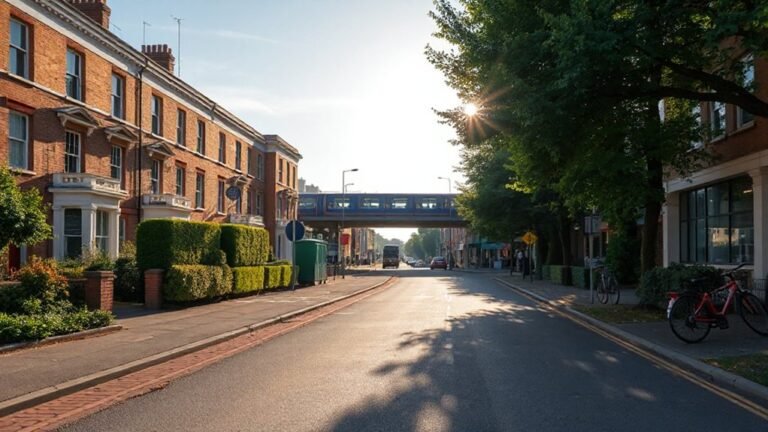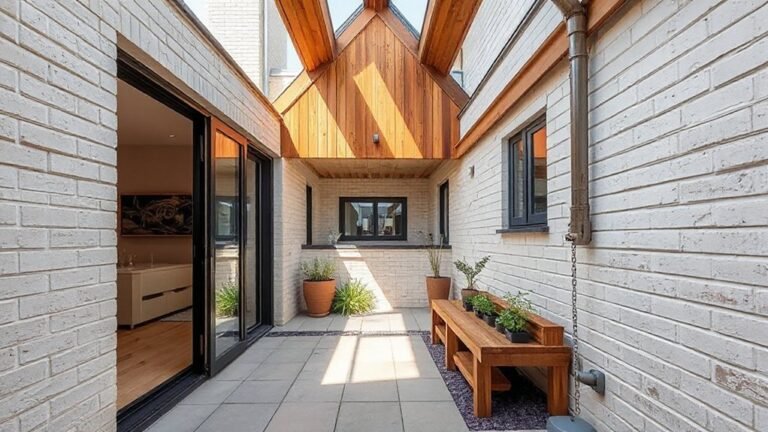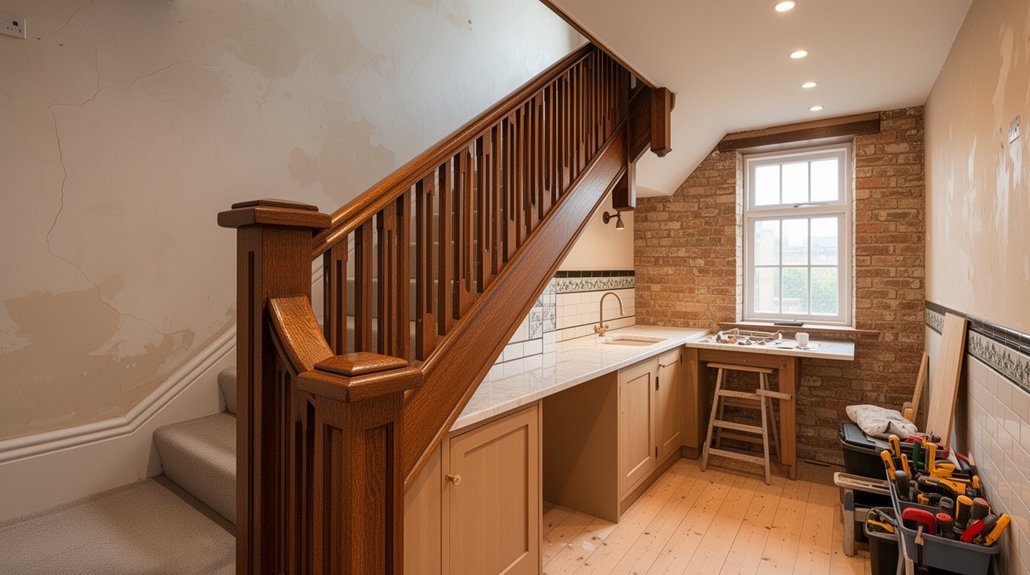
Plan a budget-first renovation for your 1930s Coventry home by prioritizing safety and value: fix structural, wiring, and insulation first; preserve key period features like timber joinery, plaster walls, mouldings, and original windows and doors; use durable, cost-conscious materials and period-accurate accents. Phase the project to control scope and costs, and hire Coventry-experienced trades with clear bids and schedules. Upgrade lighting, heating, and insulation intelligently, while maintaining authenticity—a practical approach that keeps options open for what comes next.
Plan a Budget-First Renovation for a 1930s Coventry Home
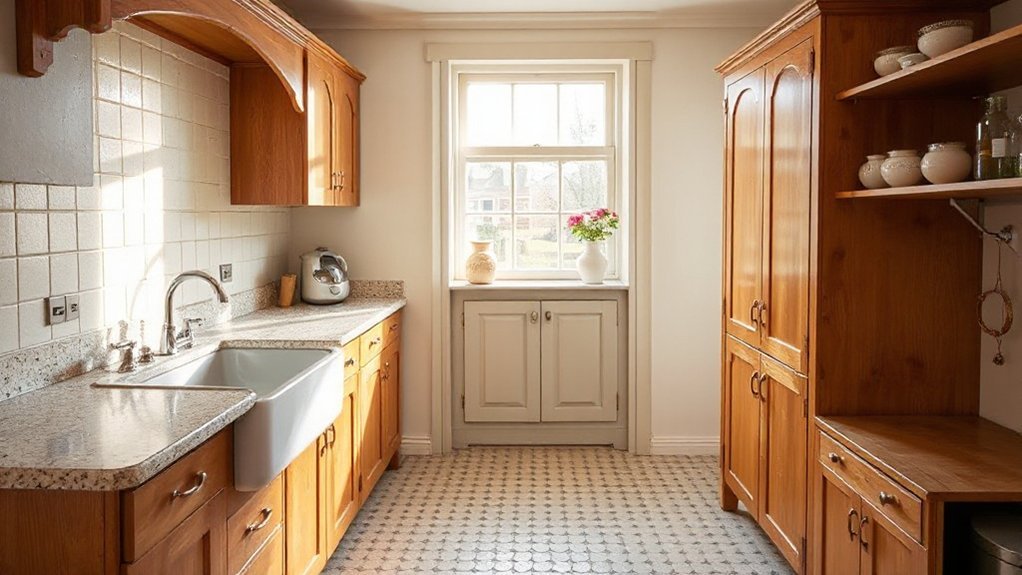
To plan a budget-first renovation for a 1930s Coventry home, start by prioritizing needs over wants and setting a hard overall ceiling. You’ll map essential fixes first—structural safety, moisture control, and energy efficiency—then allocate remaining funds to high-impact upgrades.
Assess existing systems, document repairs, and source reliable, mid-range materials to balance cost and durability. Create a phased timeline with clear milestones, avoiding scope creep by insisting every item has a documented necessity.
When you choose garden landscaping, focus on low-maintenance, drought-tolerant planting and sturdy borders that deter soil erosion, freeing funds for interior improvements. Plan outdoor lighting that adds security and ambience with efficient fixtures, allowing cost savings over time.
Stay disciplined, review progress weekly, and adjust only with verified cost data.
Identify Your Coventry Story: Which Period Features to Preserve
Your Coventry story begins with a clear inventory of period features worth preserving—not every antique detail, but the elements that define character, structure, and sense of place.
You’ll assess what survives from the 1930s shell and how those pieces contribute to daily life. Focus on features that inform interior design decisions and long-term maintenance rather than mere nostalgia.
Prioritize enduring timber, original door and window joinery, plaster walls, fireplace alcoves, mouldings, and built-in storage that still function.
Distinguish structural from decorative elements, identifying those with high historical preservation value. Document conditions, gaps, and compatibility with modern efficiency.
Decide which pieces to restore, conserve, or adapt. Preserve authenticity, support a cohesive Coventry narrative, and maintain practical livability within a practical renovation plan.
Historical preservation guides responsible choices; interior design anchors them in daily use.
Set a Realistic 1930s Budget: Costs, Tradeoffs, and Charms
Set a realistic 1930s budget by balancing the charm of period features with practical costs and tradeoffs. You’ll assess historical context to distinguish essential keepsakes from optional extras, then map costs against potential energy savings, durability, and maintenance needs.
Prioritize structural work, wiring, and insulation first, because safety and comfort drive long-term value. Seek builder expertise to refine estimates and flag hidden code requirements or vintage material limits.
Expect tradeoffs: authentic materials may push up labor hours; modern upgrades can compromise reach of period aesthetics. Build a clear, itemized budget with contingency and staged payments.
You’ll gain better control over scope, prevent scope creep, and preserve character without overspending. This disciplined approach blends reverence for history with practical, measurable outcomes.
Prioritize Rooms for Maximum Value in a Coventry Home
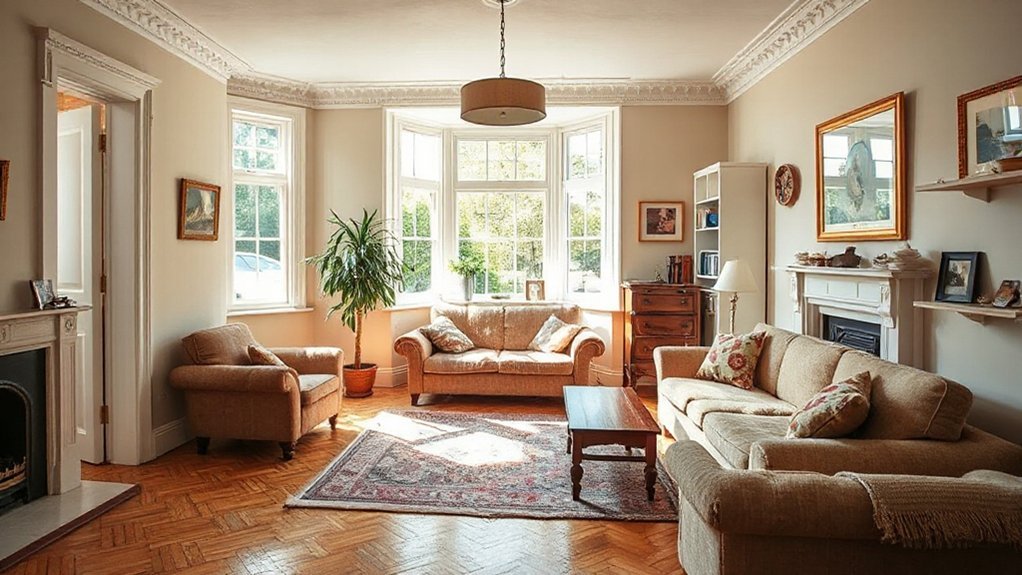
Which rooms deliver the fastest return on a Coventry renovation, and why should you start there? Focus first on the kitchen and bathroom, then the living area.
These spaces influence buyer perception, daily usability, and perceived value, so target durable updates, efficient layouts, and modern fixtures.
In a 1930s home, preserve charm in finishes while upgrading plumbing and wiring to support safety and efficiency.
Prioritize rooms that can be completed in phases to spread costs, letting you reinvest quickly as equity rises.
Plan exterior painting and garden landscaping to boost curb appeal without delaying interior work.
Coordinate trades to minimize downtime and avoid overbuilding beyond market expectations.
Preserve Original Windows, Doors, and Mouldings
Preserve your original windows, doors, and mouldings to keep the 1930s character intact.
Focus on restoring the features that define its timeless detailing rather than mass replacing them.
Prioritize practical, cost-effective fixes that maintain authenticity and value.
Restore Original Features
Restoring original features in a 1930s Coventry home centers on conserving character while improving performance. You’ll assess each element—windows, doors, mouldings—for remedial work, aiming to retain their silhouette and material.
Prioritize fixing mechanicals, sealing drafts, and repainting with period-appropriate finishes, avoiding modern substitutes that erode authenticity.
When replacement is unavoidable, match profiles, glazing, and joinery precisely; document changes for future maintenance.
Preserve original hardware where feasible, refurbishing handles and hinges to reduce waste.
Maintain weight balance for doors, ensuring smooth operation without forcing the frame.
Integrate ventilation discreetly to improve comfort without altering aesthetics.
Consider adjacent landscaping—vintage landscaping and a period garden—so exterior improvements complement the restored features rather than compete with them.
Preserve Timeless Detailing
Keep timeless detailing intact by treating original windows, doors, and mouldings as the backbone of character. You can preserve these features with smart, targeted actions that cost little but pay dividends in authenticity.
Start by evaluating condition: fix minor cracks, reseal gaps, and repaint with period-accurate colors to slow deterioration. When replacement is unavoidable, match profiles precisely, or recondition what you have to keep the look intact.
Consider hardware upgrades that honor era style while improving usability, like reversible refurbishments. Integrate modern landscaping to frame but not overpower the detailing, preserving sightlines and symmetry.
For daily practicality, install smart storage that tucks away trim mismatches or seasonal accessories without diminishing the silhouette.
Prioritize consistent maintenance schedules to sustain beauty and value over time.
Choose Affordable Materials That Look 1930s Authentic
If you want an authentic 1930s character without breaking the budget, start by selecting materials that mimic period detail at a lower cost. Choose affordable surfaces that echo quarry tiles, linoleum patterns, or ceramic motifs common in the era, but steer clear of over-ornate reproductions.
Look for mid-price laminates with wood-grain textures or enamel paints in period hues to evoke factory and cottage styles without overspending. For walls, consider wallpaper reproductions or textured plaster finishes that mimic hand-worked surfaces.
Flooring can rely on affordable vinyl or pressed linoleum with subtle patterning, while trims and moldings use pre-finished or easily installable profiles. Pair with affordable decor and vintage furniture to complete the look while maintaining budget discipline.
DIY Upgrades That Save Money Without Sacrificing Quality
You can achieve budget-friendly upgrades that feel premium by choosing quality materials and smartly planned DIY work. Prioritize steps that deliver lasting value—think solid carpentry, smart finishes, and reliable hardware—so you don’t pay twice.
I’ll show practical craft tips and budget-conscious benchmarks that keep quality intact without a premium price tag.
Budget-Friendly Upgrades
From budget-conscious DIY upgrades can deliver noticeable improvements without denting your wallet, starting with simple, transferable fixes that boost both function and feel. You’ll repurpose materials, swap out hardware, and refresh finishes to add value without overspending.
Focus on high-impact, low-cost changes: draft-proof doors and windows, reglaze rather than replace, paint cabinets rather than reface, and upgrade lighting with efficient LEDs.
Preserve character by highlighting historical significance through period-appropriate accents like moldings, hardware, and tile patterns, while embracing modern practicality.
Prioritize durability and ease of maintenance to maximize long-term savings.
Maintain neighborhood charm by coordinating colors with the surrounding homes and using locally sourced, quality supplies.
Plan in phases to avoid overextension, measure results, and adjust your approach for consistent, controlled gains.
Quality Without Splurge
Quality upgrades don’t have to break the bank; smart DIY choices deliver durable, high-end results at a fraction of professional costs. You can boost perceived quality with simple, proven moves that respect the home’s era while saving money.
- Refurbish hardware and fixtures with brushed finishes for an instant upgrade
- Replant and edge gardens to sharpen curb appeal without major costs
- Create durable outdoor furniture using solid wood projects or repainting existing pieces
- Layer lighting and irrigation for efficiency and ambiance in garden landscaping
Prioritize quality materials, not quantity, and plan around long-term maintenance.
You’ll gain stylistic coherence by echoing 1930s lines in trim, cabinetry, and tile patterns. This approach yields enduring value, reduces ongoing expenses, and preserves character while staying within budget.
Remember: thoughtful choices beat flashy trends every time.
DIY Craftsmanship Tips
Smart DIY upgrades let you preserve the 1930s character while cutting costs, focusing on achievable craftsmanship that lasts. You’ll prioritize solid fundamentals: prep, site safety, and reliable tools, then choose finishes that endure.
Start with vintage gardening by planting perennials that mature slowly and require minimal maintenance, reducing ongoing upkeep.
When renovating, refinish antique furniture rather than replace it; scuff and shellac with period-appropriate tones to restore detail without masking it.
For walls, patch cracks, seal drafts, and apply low-odor paints to minimize disruption.
Cabinets gain value from simple hardware updates and clean lines—choose satin nickel or cast-iron handles.
Measure twice, cut once, and document steps to guide future maintenance.
You’ll save money while maintaining authenticity without sacrificing durability or style.
Improve Energy Efficiency on a Coventry Budget
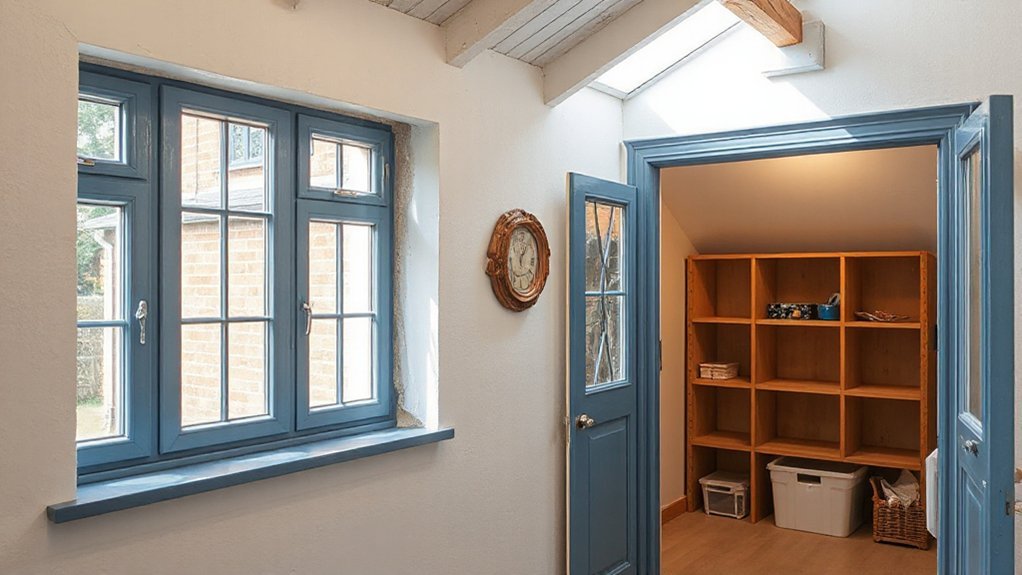
To improve energy efficiency on a Coventry budget, start with a practical plan that targets the biggest heat losses first. You’ll gain faster returns by sealing gaps, upgrading doors and windows, and prioritizing insulation in the loft and walls.
Then, layer low-cost improvements that reduce ongoing demand without overhauling the house.
- Seal air leaks and draft-proof key seams
- Upgrade to double or secondary glazing where feasible
- Add insulation in loft, walls, and under floors
- Use smart controls for heating and lighting, plus energy‑efficient LEDs
Consider garden landscaping and outdoor lighting to curb heat loss from exposed walls and foundations, while improving curb appeal.
Implementing these steps now keeps future projects manageable and budget-friendly.
Modernize Plumbing and Wiring Safely
Modernizing plumbing and wiring safely is essential before you plunge into cosmetic updates. Before you drill through walls or swap fixtures, map the current system, label circuits, and shut off power at the main panel.
Prioritize a licensed electrician and a qualified plumber to assess age-related risks, such as galvanized pipes or knob-and-tiber wiring, and plan upgrades that meet current codes.
Push for metal conduit where feasible and install AFCIs or GFCIs in wet areas to reduce fire and shock hazards.
Schedule tasks to minimize drywall disruption, then restore finish aesthetics with careful concealment.
Consider garden landscaping and interior color schemes when arranging new outlets and access points to keep appearances clean and practical without compromising safety.
Budget-Friendly Heating Solutions for a 1930s Coventry Home
You’ll start with cost-effective heating options that fit a 1930s Coventry home, balancing retrofit ease with efficiency. Consider adaptations for a vintage layout that preserve charm while improving warmth, from insulated ducts to smart thermostats.
We’ll cover energy-saving strategies that help you stay comfortable without breaking the budget.
Cost-Effective Heating Options
For a 1930s Coventry home, cost-effective heating starts with targeted improvements that maximize efficiency without big up-front costs. You’ll trim waste, prioritize insulation, and pick affordable options that offer real return.
Focus on smart thermostats and solar heating to optimize use without overspending. Implement simple, scalable steps you can control.
- Upgrade to a smart thermostat for precise timing and zoning
- Seal drafts around doors and windows to reduce heat loss
- Add reflective radiator panels to boost perceived warmth
- Consider solar heating enhancements like passive collectors or thermal storage where feasible
These choices deliver measurable comfort, lower bills, and straightforward installation, keeping your project practical and budget-conscious.
Coventry 1930s Home Adaptations
Coventry 1930s homes respond well to practical, budget-friendly heating adaptations that respect the era’s build and preserve its charm. You’ll prioritize simple, effective upgrades that don’t disrupt architectural details.
Begin with draft prevention: seal key gaps around doors and sash windows, then add weather stripping to lower heat loss.
Choose radiators and pipes that fit the home’s proportion, avoiding oversized modern units that clash with period features. Use reflective panels behind radiators to push heat outward without increasing costs.
Retrofit attic insulation where accessible; good insulation reduces heating demand and improves comfort.
Consider garden landscaping to create windbreaks and microclimates that lessen outdoor heat exchange.
Guarantee any work respects plaster, wood, and original plasterwork so the home remains authentic.
Energy-Saving Heating Strategies
Smart heating on a budget starts with targeted improvements that keep warmth where it’s needed most. You’ll tighten leaks, insulate pipes, and seal drafts to reduce overall demand before adjusting how you heat.
Then optimize control and efficiency with smart choices that pay back fast.
- Install smart thermostats to tailor heating to your schedule and occupancy
- Prioritize insulation upgrades over oversized systems to cut demand
- Use programmable zoning to heat only active rooms
- Consider Solar panels to offset running costs and extend warmth
Adopt simple habits: run boilers at lower, steady temperatures and service annually.
A modest retrofit now saves you more later, while keeping Coventry’s 1930s charm comfortable and affordable.
Kitchen Refresh: Vintage Style Meets Modern Efficiency
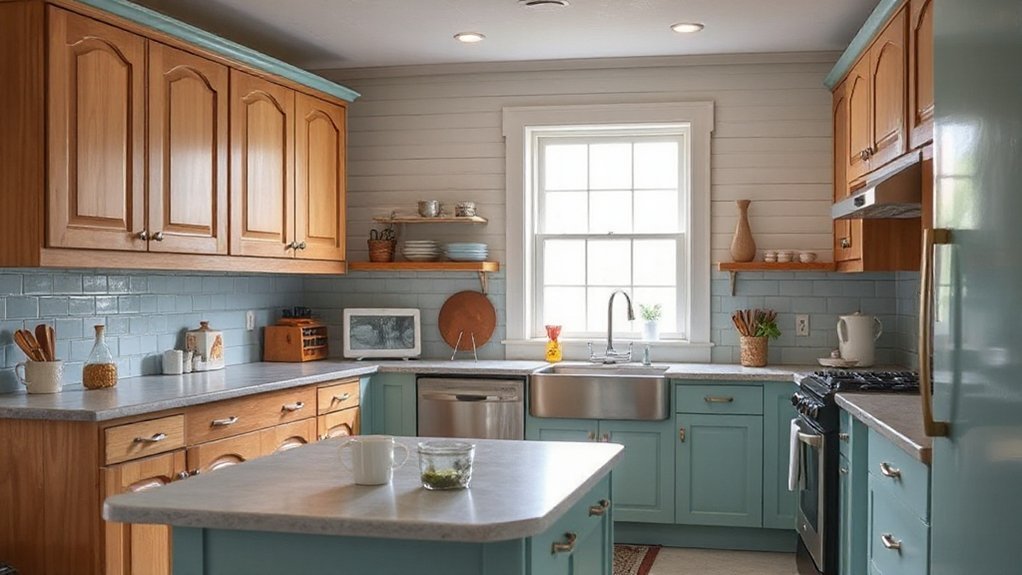
A kitchen refresh for a 1930s Coventry home blends vintage charm with today’s efficiency, and it starts with a focused plan. You prioritize layout changes that maximize workflow, then select compact, energy-efficient appliances that fit the era’s silhouette.
Keep finishes light and timeless to preserve character while reducing maintenance. Update cabinets with fresh paint or veneers, and install soft-close hinges for quiet use.
Focus on lighting: under-cabinet LEDs and a skylight if possible brighten work zones without blowing budgets. Choose a neutral backsplash that echoes period tiles without being fussy.
Use smart controls for lighting and temperature, but keep the interface simple. Vintage charm meets Modern comfort through thoughtful details, durable hardware, and practical, budget-conscious substitutions.
Bathroom Updates That Honor the Era Without Overspending
Consider restoring vintage fixtures and choosing budget-friendly tile options to keep your bathroom authentic without overspending.
You’ll prioritize durable, period-appropriate pieces and simple, cost-efficient tile patterns that echo the 1930s.
This approach delivers character and value, guiding your updates with restraint and practicality.
Restoring Vintage Fixtures
- Source authentic hardware and fixtures from reputable reclaimers
- Preserve or recreate patina, especially on taps and porcelain
- Integrate vintage lighting and antique textiles to set the mood
- Label upgrades for future maintenance and resale clarity
Keep the layout practical: test water flow, guarantee proper seals, and avoid over-furnishing the space. Your goal is a cohesive era vibe, not clutter.
Budget-Friendly Tile Choices
Tile choices can honor the era without breaking the bank by balancing pattern, color, and size with practical execution. You’ll get maximum impact from careful tile selection that fits a 1930s sensibility and modern needs.
Favor subway or encaustic-inspired shapes in neutral tones with durable finishes, then add a pop through borders or a single accent tile. Consider field tiles around 4×8 inches for an authentic vibe that’s easy to source.
Opt for porcelain or ceramic for longevity and water resistance, keeping maintenance low.
Sustainable design matters: choose tiles with low VOC glazes and recycled content where possible.
Embrace smart technology by pairing heated floors with programmable controls for comfort and efficiency.
Prioritize grout color that hides wear and simplifies upkeep.
Flooring Options: Reclaim, Refinish, or Affordable Replacements
Flooring options for a 1930s Coventry home hinge on budget and goals: you can reclaim original wood, refinish existing floors, or replace with affordable alternatives.
- Reclaim: preserve character, fix gaps, and seal with durable finish.
- Refinish: restore sheen, minimize wear, and choose a subtle stain.
- Affordable replacements: laminate, vinyl plank, or engineered wood for speed.
- Coordination: plan furniture arrangement and paint color schemes to suit the floor choice.
Choose bold accents for reclaimed floors or lighter tones for refinished surfaces. If you’re short on time, prioritize quick install and low maintenance.
Consider underlayment, moisture barriers, and alternatives to other rooms. Your decision shapes traffic flow, acoustics, and room perception.
Reclaim or refinish preserves authenticity; replacements offer flexibility and cost predictability.
Align flooring with overall Coventry house style, practicality, and your long-term plans.
Lighting and Finishes That Evoke 1930s Charm
Lighting and finishes from the 1930s set the tone for Coventry homes, so choose fixtures and materials that echo the era while staying practical today. You’ll balance form with function by selecting lighting design that provides ample, warm illumination without becoming fussy.
Seek mid-century-inspired fixtures with clean lines and subtle Art Deco hints to reinforce character without overwhelming rooms. For finish materials, pair satin brass, nickel, or aged bronze with matte ceramic, glass, or dark wood surfaces to achieve cohesion and durability.
Use patterned tiles sparingly, or as a focal splash, to nod to period style. Prioritize dimmable lights and energy efficiency, ensuring comfort for daily use while preserving vintage appeal.
Keep scale appropriate and maintenance accessible for long-term practicality.
Timeline and Phasing: A Room-by-Room Renovation Plan
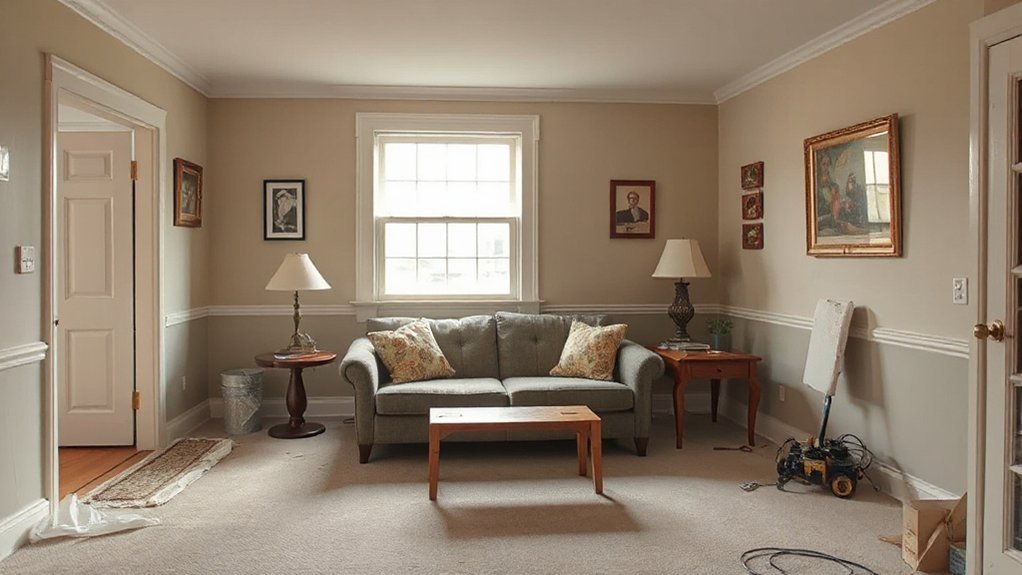
A well-structured timeline keeps a 1930s Coventry renovation on track, room by room, while balancing style with day‑to‑day practicality. You map phases to priorities, sequencing demolition, repairs, and finishes to minimize disruption and cost. Allocate windows for inspections, ordering, and delivery delays to avoid hold-ups.
Sync interior work with garden prep, so gardening techniques and outdoor lighting setup are timed for the final phases. Maintain a movable master schedule, with checkpoints for budget, scope, and weather contingencies. Plan for utilities first, then finishes, then decor, so room progressions stay smooth.
You’ll protect historic features while embracing efficiency, ensuring each area supports the next.
- Define phasing by room and dependency
- Build buffer for trades and shipping
- Align outdoor and indoor work
- Review progress weekly
Vet Coventry Contractors and Helpers: Criteria and Best Practices
When vetting Coventry contractors, start with proven experience in 1930s homes and localBuild codes. Check licenses, insurance, and a solid track record with similar projects. You want a partner who understands Art deco details and how they affect interior layout, wiring, and bulkhead placements.
Verify clear bids, timelines, and change-order processes to avoid budget drift. Demand references and photos of past renovations that reflect quality finishes and period-appropriate materials.
Guarantee site practices protect your historic fabric, and that safety records are current. Ask about subcontractor oversight, schedule discipline, and post-completion support.
Prefer communicative teams who provide written feasibility notes, risk assessments, and practical recommendations for preserving character while improving function. Choose collaborators who align with your budget, pace, and design intent.
Frequently Asked Questions
How to Prioritize Rooms on a Tight Budget?
Prioritize high-impact spaces first, like the living and kitchen, then bedrooms. Set a clear budget and tackle essential updates. Use color palettes to unify rooms and select durable flooring options to stretch your dollars long-term. You’ll feel the difference.
What Are Quick Wins for 1930S Aesthetics?
Quick wins: cherry-pick vintage fixtures, emphasize retro color schemes, and keep contrasts crisp. You’ll refresh with timeless trim, swap brass knobs, and layer lighting. You stay practical, purposeful, and proudly preserve character while boosting curb appeal.
How to Safely Upgrade Electricals Affordably?
To upgrade safely and affordably, you should plan a licensed electrical assessment, prioritize essential fixes, and replace worn components. Electrical safety matters, so pursue affordable upgrades like modern breakers, outlets, and LED lighting for efficiency and compliance.
Which Authentic Features Deliver Best Value?
You value authenticity, yet practicality guides you: prioritize historical accuracy and material authenticity. Juxtapose modern safety with vintage charm, selecting period-appropriate fixtures that still meet code, because authentic features deliver lasting appeal and responsible affordability.
Are Permit Requirements Needed for Renovations?
Yes, you generally need permits for renovations. Check building codes and zoning laws first, then apply. It guarantees inspections, safety, and compliance; skipping permits risks fines, delays, and potential issues with insurance or future resale.
Conclusion
You’ll finish with a home that’s both practical and poetic, like a well-told Coventry tale you stumble on in a quiet high street. Remember the echoes of the 1930s in every decision—windows saved, trims restored, rooms prioritized. As you budget, plan, and phase, you’ll feel the era’s spirit guiding you, a familiar chorus amid modern tweaks. When the last light clicks on, you’ll know you’ve rebuilt with intention, not excess. Your house, a living memory.
About the Author