Updating a 1930s semi in Surrey means balancing preserved period charm with modern comfort. Start by evaluating original features—timber framing, plasterwork, and hearths—and identify what to preserve vs. what to repair. Budget by priority, adding a 10–15% contingency, and document all decisions, costs, and warranties. Create open-plan living by clarifying circulation, boosting light, and using a cohesive palette. Upgrade insulation, glazing, and heating efficiency, with smart controls and ventilation. If you continue, you’ll uncover practical steps to implement this with confidence.
Assess Your 1930s Surrey Home: Character, Needs, and Priorities
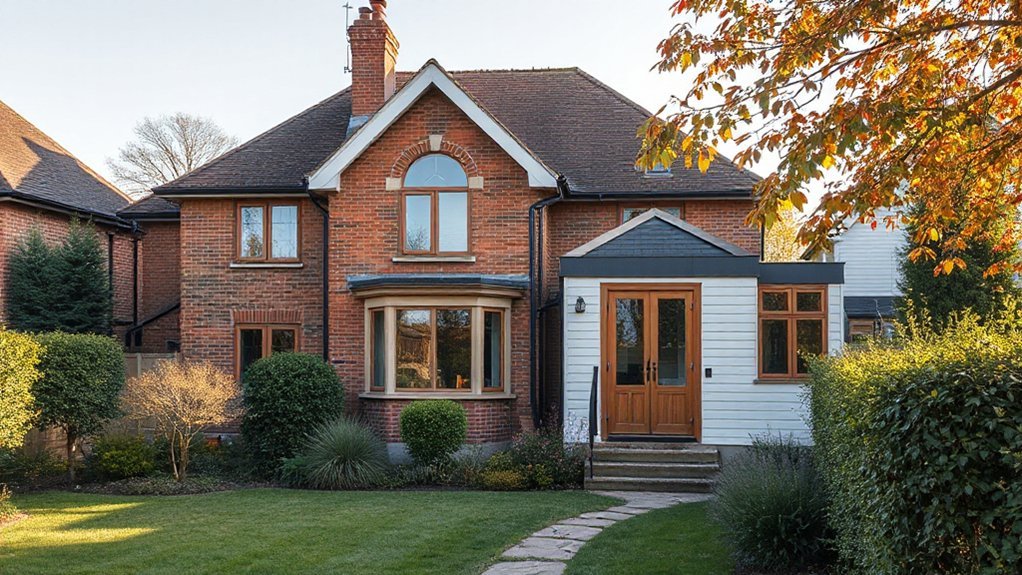
Assess your 1930s Surrey home by identifying what’s original and what’s altered, then prioritize updates that respect its character while addressing your needs. Start with a honest audit of architectural features—timber framing, plasterwork, hearths—and note elements worthy of preservation.
Distinguish non-structural changes from necessary repairs, focusing on durability and safety. Translate historic traits into a practical plan: retain period doors, moldings, and window proportions where feasible; improve insulation, ventilation, and moisture control behind discreet channels.
Develop a clear hierarchy of interventions, balancing Historical preservation with tangible benefits from interior modernization. Map out priorities that minimize aesthetic disruption while upgrading comfort, utility, and accessibility.
Record decisions, costs, and potential conflicts early to guide respectful, purposeful renovations aligned to your long‑term living needs.
Budgeting for Modern Comforts While Preserving Period Features
Balancing modern comforts with period integrity requires a practical budgeting approach that honors both goals. You’ll map costs by priority, separating essential upgrades from discretionary enhancements, so you don’t overshoot.
Begin with period preservation as your baseline, preserving original plaster, moldings, and sash windows where feasible, and factor in restoration labor and compatible finishes.
For modern upgrades, target efficiency first—heating, insulation, and airtight seals—then consider smart systems that respect aesthetics.
Establish a realistic contingency, typically 10–15%, to cover hidden surprises in a 1930s shell.
Seek value through durable, reversible interventions that don’t undermine character.
Document decisions, receipts, and warranties in one file.
Finally, align spending with long-term resale benefits, ensuring comfort gains don’t compromise the home’s timeless appeal.
Create Open-Plan Living in a 1930s Semi-Detached
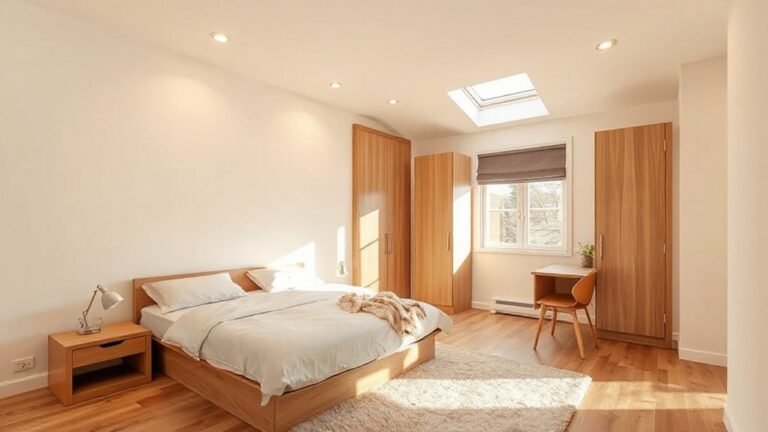
To create open-plan living in a 1930s semi-detached, start by identifying the core circulation paths you want to preserve and the zones you’ll combine. You’ll create a cohesive flow by aligning entry points, sightlines, and appliance locations, then choosing a single, adaptable reception area.
Maintain structural clarity with careful partitioning—use furniture to delineate zones without walls. Plan for natural light by positioning larger glazing and reflective surfaces along the main axis.
Implement a balanced color palette across the open space to unify disparate angles and architectural quirks. Focus on a deliberate furniture arrangement that supports flexible use—soaring ceilings, warm timber, and streamlined storage stay harmonious.
End with a robust detailing plan, ensuring finishes, fixtures, and hardware reinforce the open, legible layout.
Energy Upgrades for a Surrey Retro Home: Efficiency Meets Comfort
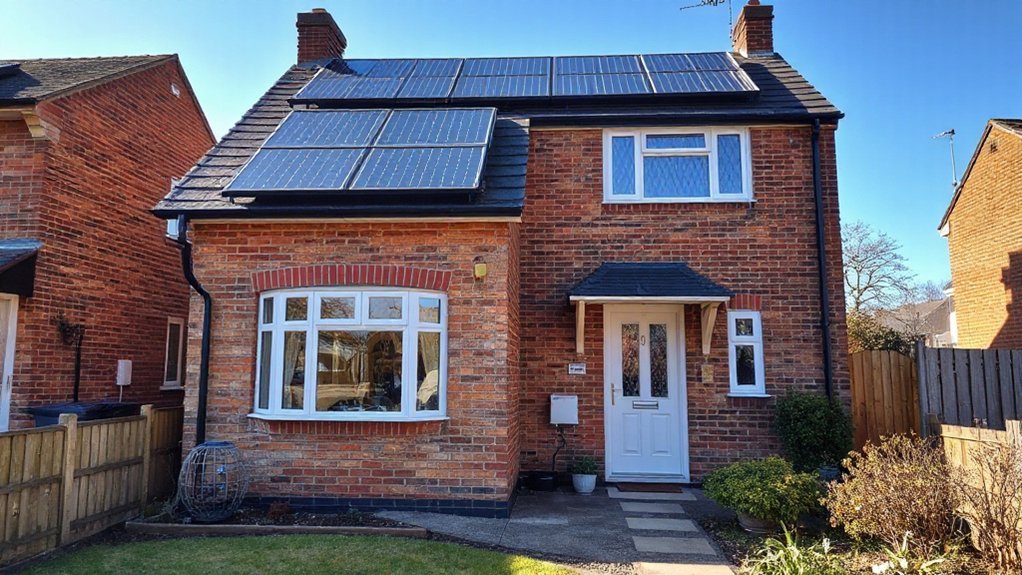
Energy upgrades can transform a Surrey retro home from drafty to comfortable and economical without sacrificing its character. You’ll secure efficiency gains by upgrading insulation, sealing gaps, and choosing high-performance glazing where appropriate, creating a stable thermal envelope.
Integrate solar photovoltaics to offset daytime electricity use, aligning generation with typical occupancy patterns for maximum impact.
When selecting heating and cooling, opt for systems that pair with well‑insulated spaces to minimize runtimes and emissions.
Smart thermostats enable precise temperature control, adaptive scheduling, and remote adjustments, reducing energy waste without compromising comfort.
Consider heat recovery ventilation to maintain air quality while recovering heat.
Establish a simple automation logic that prioritizes comfort first, efficiency second, and utility costs will respond accordingly.
Regular diagnostics keep performance aligned with design intent.
Increase Curb Appeal and Value: Brick, Windows, and Landscaping
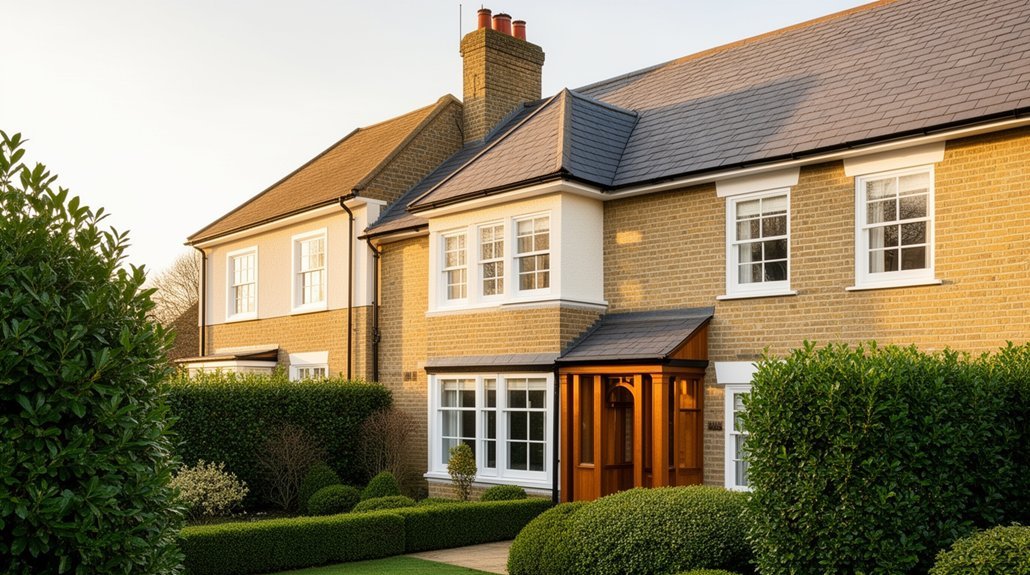
Brick, windows, and landscaping form the front-line impression of your 1930s Surrey semi-detached home, so focus on cohesive upgrades that boost curb appeal and value without compromising character.
Prioritize brickwork maintenance and subtle repointing to preserve historical textures while modernizing weather resistance.
Select window replacements that respect original proportions, opting for period-appropriate profiles with energy-efficient glazing to balance authenticity and efficiency.
Landscaping should frame the façade, using native or drought-tolerant plantings and clean sightlines to enhance symmetry.
Consider lighting that highlights architectural features without overpowering them, and guarantee materials harmonize with your brick tones.
Embrace historical preservation principles while pursuing interior modernization, aligning exterior enhancements with the home’s era.
This balanced approach increases value while retaining timeless appeal.
Frequently Asked Questions
How Do I Preserve Original Plaster When Upgrading Rooms?
You preserve plaster by marking cracks, stabilizing laths, and using plaster washers to avoid friction. You should document stains, then skim coat carefully. Prioritize plaster preservation, wall restoration, and compatible finishes to maintain historic character.
Which Insulation Types Suit 1930S Brick Walls Best?
You should use cavity-friendly options like mineral wool or closed-cell spray for wall cavities, as these insulations suit 1930s brick walls well; avoid rigid foam where moisture risks exist, and always verify wall cavity ventilation and moisture control.
Can I Add a Second Staircase Without Disrupting Proportions?
Yes, you can add a second staircase without wrecking proportions if you plan carefully. An interesting stat: 74% of homeowners regret poorly placed stairs. Focus on staircase placement and structural integrity to preserve balance and flow.
Are There Grants for Retrofitting Victorian-Era Homes in Surrey?
Yes, you can access grants for retrofitting, though availability varies; check local schemes. You’ll preserve a historic exterior and Victorian charm while funding energy upgrades, insulation, and accessibility improvements, coordinating with Surrey authorities and heritage bodies.
What Drainage Changes Are Needed for Open-Plan Layouts?
To support open-plan kitchens, you’ll need drainage changes that manage waste flow and moisture effectively, guarantee trap placement and venting, and minimize debris blockages in drainage systems. Plan gradual, accessible routing for open-plan kitchens drainage systems.
Conclusion
As you walk away from the plans, the house seems to breathe differently—a promise of comfort tucked behind its timeless brick. The budget tightens, yet仍 the essentials click into place: brighter spaces, smarter energy, a softened silhouette of curb appeal. You sense the future taking form, one measured choice at a time. Will the next step reveal the quiet luxury you sought, or reveal a challenge you hadn’t anticipated? Either way, Surrey’s century-old heartbeat keeps inviting you back.
About the Author