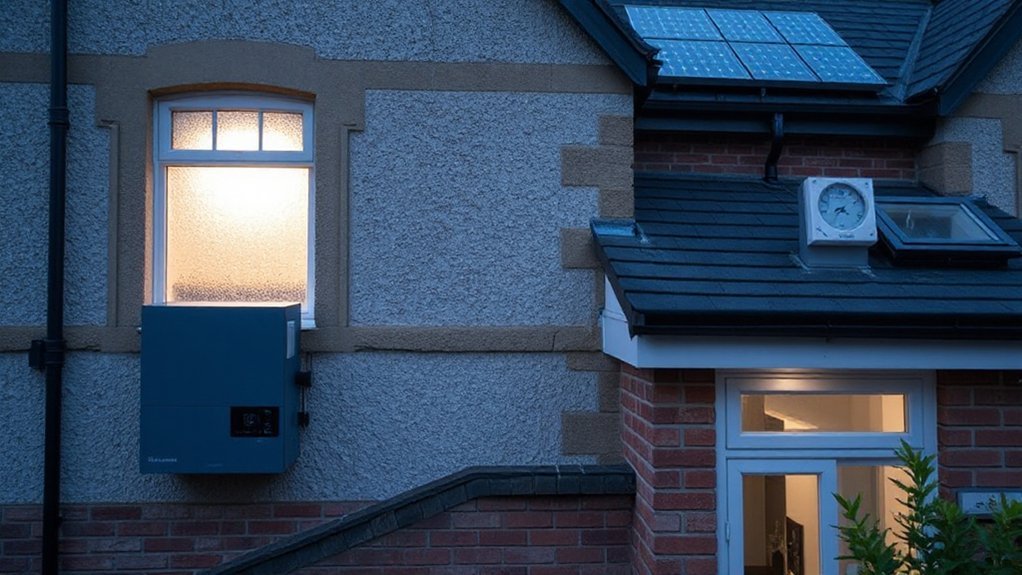
You’ll notice a coincidence: the same gaps you seal now can cut your bills later. Start with a quick audit to map heat loss, air leaks, and inefficiencies, then tackle quick wins like sealing cracks, upgrading lighting, and installing programmable thermostats. Prioritize insulation and smarter heating controls, then leverage local incentives for longer-term upgrades. If you’re renting or owning, options differ, yet practical steps remain similar. Ready to transform your energy use, or do you want specifics for your situation?
Glasgow Energy Basics: Where Your Home Loses and Gains
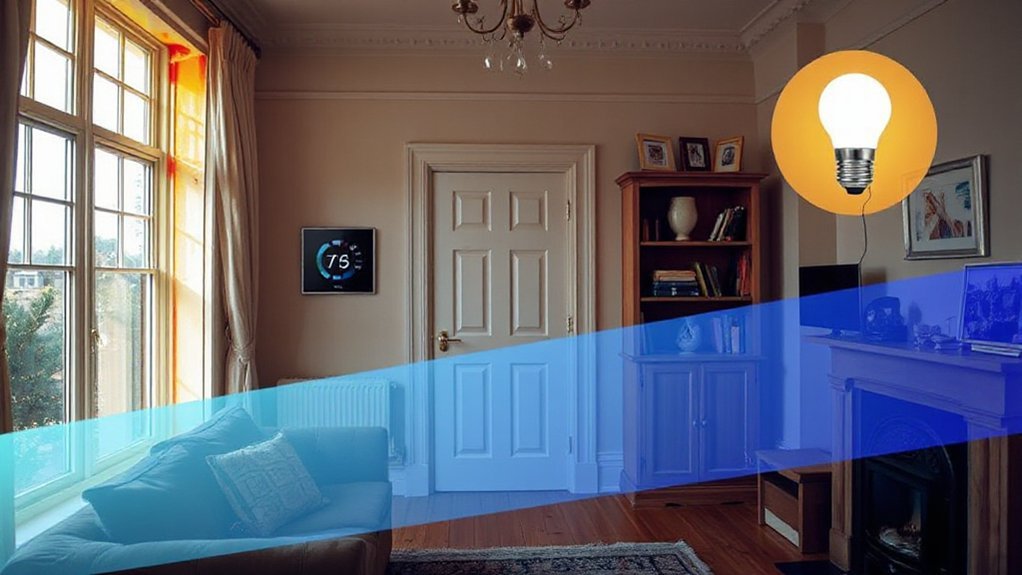
In Glasgow homes, energy losses mainly occur through poorly insulated walls, roofs, and floors, along with drafts around doors and windows. You’ll start by mapping heat paths: identify poorly insulated cavities, detect air leaks, and note where thermal bridging happens at joists and interfaces.
Focus on leverage: upgrading insulation in walls and attic spaces reduces both heat loss and demand on heating systems. Energy labels help you compare efficiency gains across components like boilers, pumps, and windows, guiding targeted upgrades.
Renewable sources, such as heat pumps or solar thermal collectors, can offset demand once insulation reduces baseline needs. Track monthly consumption to verify improvements, then re-evaluate with a fresh energy label after retrofit.
A clear baseline plus incremental upgrades delivers measurable, repeatable savings over time.
Quick Wins for Any Glasgow Home Today
Start with a quick home audit to spot obvious leaks and inefficiencies. Then tackle draft-prone entrances to cut unseen heat loss.
Build simple heat-saving habits, like turning down the thermostat a degree and using programmable scheduling, to maximize daily gains.
These quick wins set you up for steadier energy use while you test each improvement’s impact.
Quick Home Audits
If you’re short on time but want immediate savings, start with a quick, door-to-door audit of key energy drains: insulation gaps, drafts around windows and doors, and lighting efficiency. You’ll identify high-impact fixes you can tackle this weekend, like sealing gaps with foam or weather-stripping and switching to LED lighting.
While moving through rooms, note appliance loads and stand-by power, tagging any that feel unusually warm or idle-consumptive. Prioritize actions that improve comfort and lower bills quickly, such as upgrading to energy efficient appliances where practical and affordable.
Consider small, scalable steps in parallel with longer-term planning, including exploring renewable energy solutions and local incentive options. A focused audit sharpens decisions and accelerates measurable savings.
Draft-Proof Entrances
Draft-proofing entrances is one of the quickest wins for Glasgow homes. You’ll reduce drafts at exterior doors and stop heat loss during peak cooling and heating cycles.
Start with door seals: inspect threshold gaps, weatherstripping, and automatic door bottoms; replace worn components and verify a snug fit without hindering door operation. Check for compression on hinges and realign as needed to maintain a tight seal.
Add door sweeps where gaps exist beneath the door edge, particularly against staircases or vestibules.
In the entryway, consider lightweight curtains or blinds as entryway curtains to minimize convective heat transfer without compromising accessibility.
Seal jambs around frames with compatible foam or silicone, and recheck air infiltration with a simple candle test.
Finish with a door-closer adjustment to sustain reduced air leakage.
Heat-Saving Habits
There are quick wins you can deploy today to cut energy use in Glasgow homes. You’ll start with simple habits that reduce heat loss and improve system efficiency. Set thermostats to a steady, comfortable baseline and avoid rapid temperature swings; small adjustments save daily energy.
Use programmable controls to lower heat while you’re out or asleep, and pre-heat less during milder days. Seal gaps around doors and windows, and run bathroom and kitchen exhausts only as needed.
When feasible, pair behavioral changes with renewables like solar panels and wind energy, aligning usage with sun and wind peaks. Maintain insulation integrity, clear vents, and service boilers regularly to preserve efficiency.
Track consumption trends to refine habits and sustain gains.
Smart Heating in Glasgow: Controls, Zoning, and Insulation
Smart heating in Glasgow hinges on three core elements: precise controls, effective zoning, and solid insulation. You’ll optimize comfort and reduce waste by pairing smart thermostats with reliable zoning systems.
Start with precise controls: setpoint schedules that reflect occupancy, weather, and activity, then link to a centralized controller for visibility.
Next, implement zoning to separate living, working, and sleeping areas, so you heat only what you use and when you need it.
Insulation remains the baseline: confirm ducts and pipes are well-sealed, windows are draft-free, and attic and wall insulation meet current standards.
Use automation to adjust heat output automatically in response to external conditions, avoiding overcooling or overheating.
Regularly verify system responsiveness, and monitor thermal performance with simple, objective metrics.
Budget-Friendly Upgrades That Pay Off Fast
You can start with budget-friendly insulation upgrades that pay off fast, focusing on where you lose heat most. Prioritize simple additions like door and window seals and attic or cavity wall insulation to see quick energy savings.
This practical approach keeps costs low while delivering measurable performance gains that boost comfort in Glasgow homes.
Budget-Friendly Insulation Upgrades
Upgrading insulation on a tight budget can have fast, tangible returns: you’ll feel warmer rooms and lower energy bills in weeks rather than months. You’ll focus on cost-effective, technically sound upgrades that reduce heat loss without extensive renovations.
Start with identifying gaps, then seal air leaks with affordable, robust solutions before adding insulation materials. Prioritize materials that deliver high R-values per inch and work well in UK climates, such as mineral wool or expanded foam boards, to form continuous thermal barriers.
Consider installing doorway and window draft stoppers and attic hatch covers to minimize convection losses. When choosing insulation materials, verify compatibility with existing assemblies and moisture control, avoiding over-undersized or underspecified options.
Pair upgrades with a simple monitoring plan to validate performance improvements over the first heating season.
Fast Payoff Energy Savings
If you want quick wins, start with simple air-sealing and draft-proofing that reduce heat loss without major disruption. Small gaps around doors, windows, and outlets add up, so seal with weatherstripping and caulk, then recheck with a smoke test. These fixes are fast, low-cost, and deliver measurable comfort gains.
Next, upgrade to an efficient thermostat and set schedules that align with occupancy, which cuts runtime on space heating and yields a rapid payback. Pair this with energy monitoring to track real-time consumption and verify savings.
Consider renewable energy micro-upgrades like a compact heat pump or solar-ready controls if your roof and budget allow. Combine gear with routine maintenance to sustain performance and maximize the fast payoff over winter.
Renters vs Owners: Glasgow Incentives and Local Programs
In Glasgow, renters and owners can access distinct incentives and local programs aimed at boosting energy efficiency, but the options differ in eligibility and outcomes. You’ll encounter rent incentives aimed at reducing tenancy-related retrofit costs, often tied to upgrading windows, insulation, or heating controls where tenancy terms allow. These measures focus on immediate occupancy improvements with limited capital from tenants.
For owners, the landscape includes structured programs that support capital projects, such as heat pumps, solar readiness, and whole-home insulation, sometimes paired with grants or tax relief. Eligibility hinges on property type, occupancy status, and long-term plans. Track application windows, required inspections, and energy performance targets.
In short, rent incentives favor tenant-led upgrades; owner programs favor property-level investments.
From Assessment to Steady Savings: A Practical Path
From assessment to steady savings, the path is concrete: start with a precise energy audit, translate findings into a prioritized action plan, and track performance as you implement each measure. You’ll quantify baseline consumption, identify heat losses, and map equipment efficiency.
Priorities should balance payback, comfort, and disruption, with quick wins like sealing leaks and programmable thermostats, followed by insulation upgrades and efficient boilers.
Use monitoring to verify savings and adjust as occupancy changes. Consider renewable sources when feasible, aligning with building constraints and budget cycles.
Leverage government incentives to fund high-impact measures, planning applications and timelines around funding windows.
Document results to refine your roadmap, ensuring ongoing optimization rather than one-off fixes, so steady savings become an embedded habit across the property portfolio.
Frequently Asked Questions
How Do Glasgow’s Climate Zones Affect Energy Bills Year-Round?
Your climate zones influence energy bills year-round by shaping heating needs and insulation performance; you’ll see higher energy consumption in colder periods and milder summers. Climate impact varies with building tightness, ventilation, and efficiency of heating systems.
Are There Any Local Grants for Older Homes in Glasgow?
Yes, you can access local grants for older Glasgow homes. Check historic preservation guidelines and confirm grant eligibility, then document condition, priorities, and costs. You’ll need compliance with conservation standards, application deadlines, and matched funding where required.
What Homeowner Insurance Changes Come With Energy Upgrades in Glasgow?
Insurers may adjust premiums after upgrades, and your coverage adjustments should reflect new efficiency measures. You’ll likely see lower energy costs offsetting premium changes, but review heat pump or insulation impacts, claim handling, and valuation when renewing policies.
Can Tenants Access Incentives Without Landlord Approval in Glasgow?
Coincidence greets you: you can’t access incentives without landlord approval, but you may pursue tenant rights and verify incentive eligibility. You’ll need consent, documentation, and clear terms, ensuring your retrofit aligns with tenancy rules and applicable programs.
How Quickly Do Typical Glasgow Upgrades Recoup Their Costs?
Upgrades typically recoup costs within a 5–15 year upgrade timeline, depending on project scope and energy savings. You’ll see cost recovery sooner with high-efficiency measures; track payback by comparing upfront costs to annual energy bill reductions.
Conclusion
You’ve identified the weak spots, acted on quick wins, and tuned your systems for efficiency. Start with a solid assessment, seal gaps, upgrade lighting and appliances, and install programmable thermostats. Add insulation and smart controls with zoning, then pursue incentives for bigger upgrades like heat pumps or solar. Monitor performance, adjust as needed, and keep maintenance hot. In the end, steady savings are within reach when you stay proactive, practical, and focused on durable improvements—your home, finally, breathes easier.
About the Author