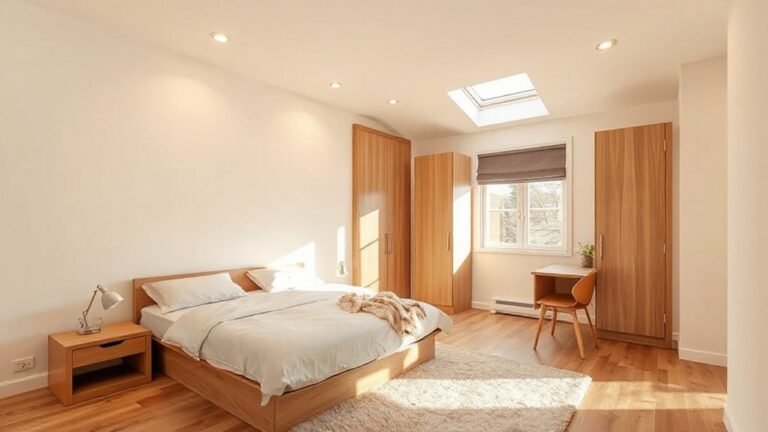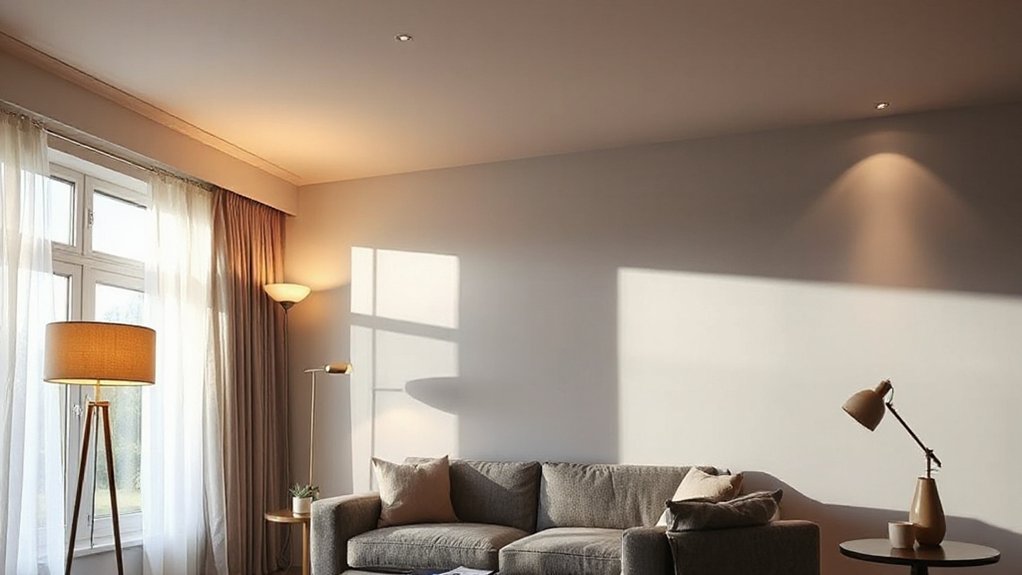
In a UK living room, you might start with ambient lighting that evenly fills the space, then layer in task lighting for reading near a sofa and accent light to highlight a feature wall. You’ll balance daylight with controls that adapt through seasons and occupancy. This approach helps you avoid glare and waste while keeping the mood flexible. But determining exact luminance targets and control zoning hinges on your room layout, window orientation, and how you actually live there.
Foundations: UK Daylight, Energy Needs, and Living-Room Layouts
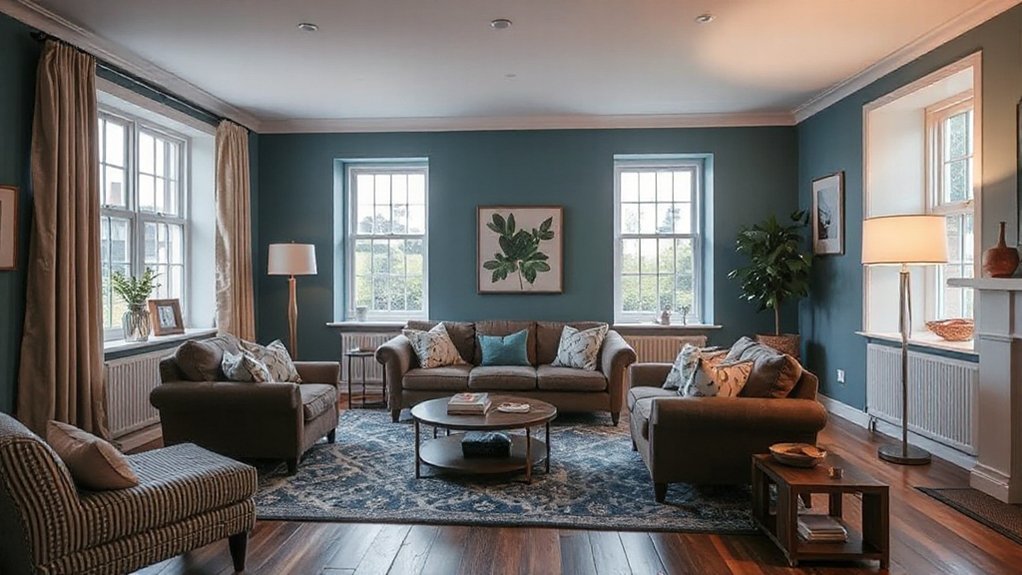
Foundations for planning lighting in a living room hinge on daylight availability, energy targets, and how the room is laid out. You assess natural light levels from windows, skylights, and orientation to predict dimming needs across hours. Then, define energy targets, balancing running cost with comfort, and identify any efficiency constraints from insulation, glazing, or local regulations. Finally, map the room’s layout to determine task zones, seating arrangements, and traffic flow, ensuring lighting equipment can serve multiple uses without glare. You must consider color temperature implications for daylight and artificial sources, aligning with preferred ambience and task accuracy. The result is a baseline plan that informs luminaire placement, control strategies, and future upgrades. Natural light considerations drive initial specifications, complemented by color temperature planning for consistency.
Map the Three Lighting Layers for UK Living Rooms
To map the three lighting layers for UK living rooms, start by identifying the three layers—ambient, task, and accent—and define how each will respond to typical UK daylight patterns and living-room activities. Establish baseline lux targets for ambient light across different zones and times, balancing natural daylight with artificial output to minimize glare. Specify task illumination for reading, writing, and device work, prioritizing adjustable, localized sources with dimming control. Define accent lighting to highlight architectural features, artwork, and focal points, using directional fixtures and color-rendering considerations. Align controls into a coherent scene-set, pairing daylight-responsive dimming with occupancy sensors where appropriate. Document proper layering logic, ensuring progression remain seamless from morning through evening and during varied activity sets.
Plan Fixtures for Small and Open-Plan UK Homes
Plan fixtures for small and open-plan UK homes by prioritizing compact, adaptable luminaires that maximize flexibility without clutter. You should select modular, low-profile fittings that blend with walls or ceilings and support multiple zones without visually dividing spaces. Opt for integrated driver options and wireless dimming to reduce cabling, enabling easy reconfiguration as furnishings shift. Use ceiling-mounted ambient layers to maintain headroom in open areas, pairing with discrete wall washers for artwork or architectural features. For task areas, choose adjustable, compact luminaires that locate close to desks or counters while staying unobtrusive. Prioritize smart technology for scene control, occupancy awareness, and energy efficiency without compromising aesthetics. Guarantee aesthetic considerations—proportion, finish, and alignment with architectural elements—guide every fixture decision.
Align Lighting With Seasons and Daylight in the UK
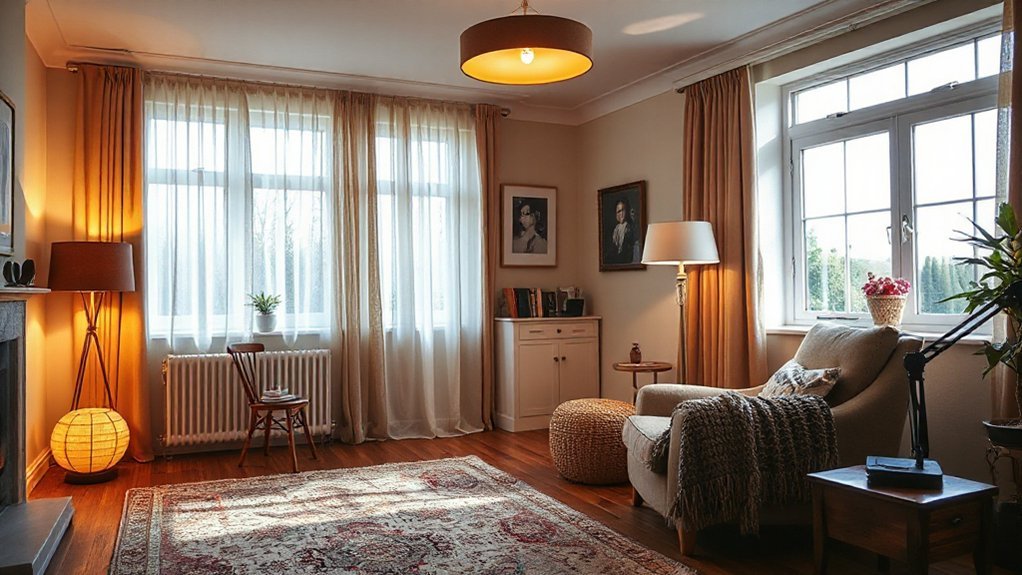
Seasonal and daylight patterns in the UK should directly inform your lighting strategy, adjusting intensity, color, and placement to maintain consistency between indoor and outdoor lighting cues. You’ll calibrate layers to reflect exterior brightness changes, aligning wall and ambient luminance with the time of day. Use cooler, higher‑CRI light during winter mornings to counteract dim skies, and warmer tones as evenings extend. Position task lighting to mirror outdoor focal points, ensuring glare is minimized when windows are prominent. Choose energy efficient bulbs with selectable temperatures to match seasonal daylight shifts, and verify compatibility with existing fixtures. Document lumen targets for each zone and season, enabling repeatable setups. Regularly reassess based on daylight hours, occupancy, and purpose, ensuring efficient, stable ambience throughout the year.
Set Up Dimming, Controls, and Daily Routines
Set up dimming, controls, and daily routines by establishing a centralized system that matches activity patterns and energy goals. You configure a single hub or compatible app to govern all fixtures, ensuring consistent command fidelity across dimmers, switches, and smart bulbs. Map typical daily sequences—morning wake, work, lounging, and media time—to preset scenes that adjust brightness and color temperature within safe UK energy guidelines. Use ambient settings to tailor mood without manual tweaks, enabling gradual progressions between states to reduce energy waste. Prioritize Smart controls for scheduling, geofenced presence, and occupancy sensing to automate standby and return lighting. Regularly audit loads, update firmware, and adjust thresholds seasonally to maintain precision and reliability. Document routines for household members to maintain predictable illumination.
Frequently Asked Questions
How Do I Choose Colour Temperature for Different Rooms?
Choose colour temperature by room purpose: warm for ambient illumination in bedrooms, cool for workspaces, and neutral for living areas; aim for consistent colour blending across fixtures, dimmable where possible, and adjust with task and accent lighting.
What Budget Range Suits UK Living-Room Lighting Setups?
A practical budget for UK living-room lighting ranges from £300 to £1200, depending on fixtures and controls. Lighting trends favor layered, dimmable LEDs, boosting energy efficiency while preserving ambience and flexibility for task, ambient, and accent needs.
Which Bulbs Are Best for Office-Style Task Lighting?
For office-style task lighting, choose bright, cool white bulbs with high CRI and focused beam. Smart bulbs with adjustable temperature help. Dimmable options let you tailor brightness; guarantee compatibility with your fixture and smart home system.
How Can I Test Lighting Softness Before Buying Fixtures?
You can test lighting softness by comparing fixture physiques at eye level and simulating via dimmers in-store; use Lighting controls to adjust warmth and intensity, and assess shadows. Compare Fixture styles to gauge how each skinches colors and textures.
Do Ceiling Height and Room Shape Affect Layer Choice?
Ceiling height considerations and room shape impact your layer choices; taller rooms tolerate ambient fixtures without glare, while lower ceilings favor recessed or wall-wash accents. Consider proportional luminaires, avoiding shadows, and balancing function with aesthetics.
Conclusion
In short, you’ll harmonize ambient, task, and accent lighting to suit UK daylight patterns and room use. With dimming, motion sensors, and time-based controls, you’ll fine-tune levels for morning tasks and evening relaxation, boosting energy efficiency. An eye-catching stat: UK homes average 1.5–2.5 hours less usable daylight indoors in winter than summer, so layered lighting becomes essential for consistent comfort. By aligning fixtures with season and space, you’ll achieve cohesive, adaptable illumination throughout the year.
About the Author