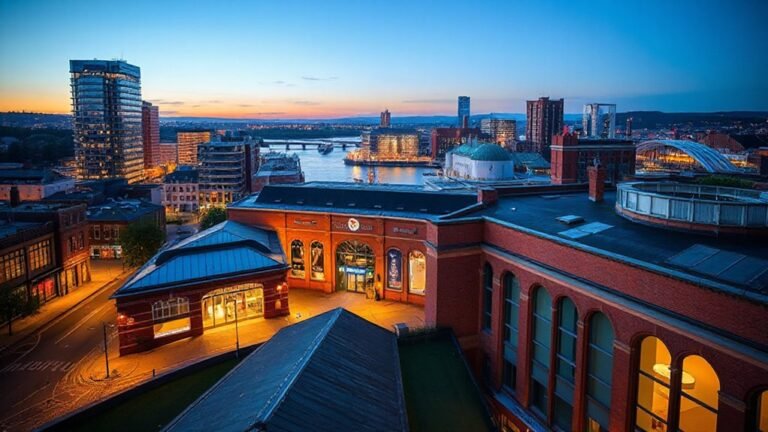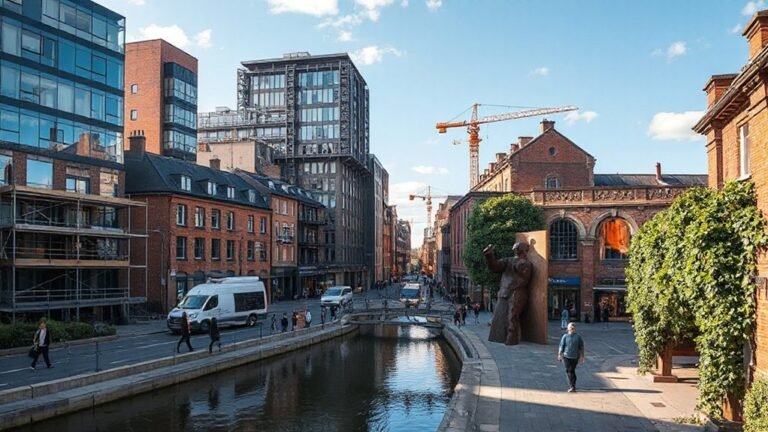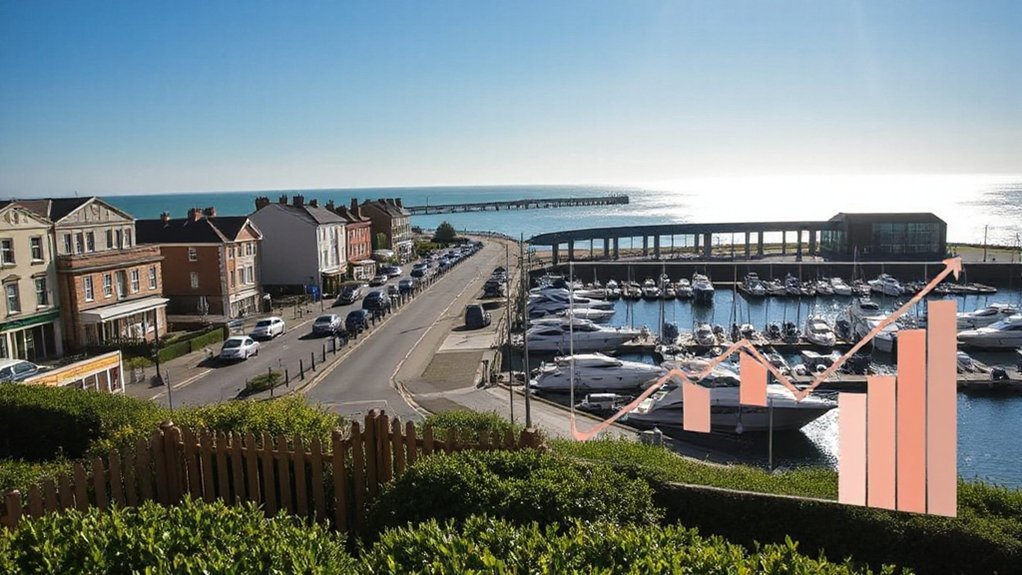
You’ll see Bournemouth’s coast shaping demand: prime views, quick flows to the waterfront, and resilient prices fed by limited supply and strong rental yields. Across the coast, improved transport and regeneration keep values steady, even as buyers chase historic cores and beachfront pockets. The trend lines look solid, but subtle shifts in fringe areas and costs could tilt the momentum—worth watching as you position your move along the shoreline.
What Drives Bournemouth’s Coast Demand (Explainer)
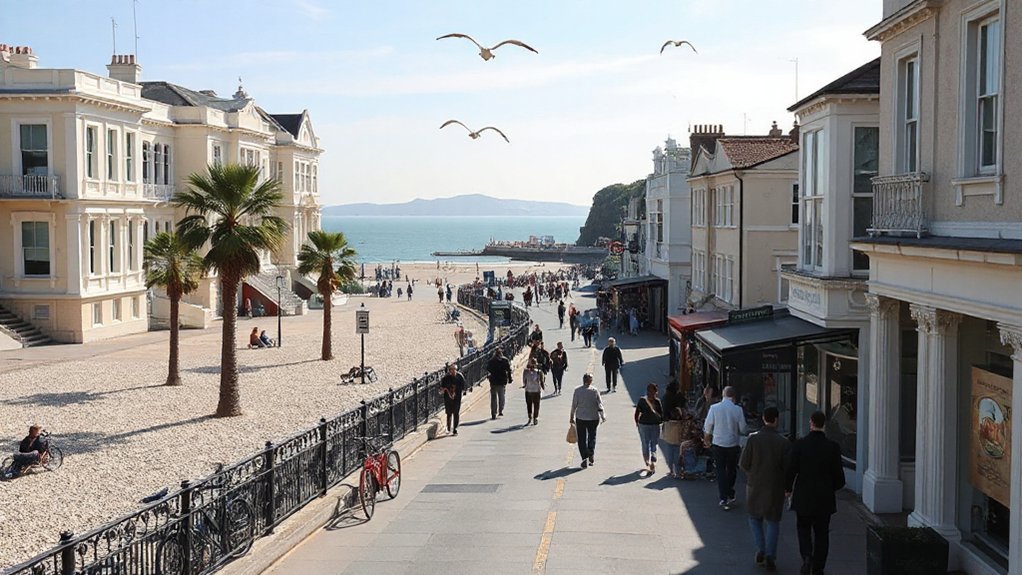
Coastal demand in Bournemouth is driven by a mix of lifestyle appeal, accessibility, and investment fundamentals. You feel the pull of squarely coastal benefits: year-round sea views, easy rail links, and growing leisure spend.
Data shows consistent outperformance of seaside markets on rental yields and demand from both domestic buyers and international visitors, supported by planning that favors high-density, waterfront development.
Beachfront amenities matter: retail, dining, promenades, and safe access points lift both occupancy and resale value.
You’ll notice that demand strengthens when connectivity improves, with quick commutes to major employment hubs and universities.
Coastal conservation signals, meanwhile, reassure buyers about long-term amenity preservation, avoiding regulatory risk and supporting sustainable appreciation.
Bournemouth Property Price Trends on the South Coast
The Bournemouth price trajectory on the South Coast reflects a resilient market ride governed by supply constraints, rental-backed demand, and improving buyer confidence. Prices show steadier year-on-year gains, with modest quarterly upticks moderated by seasonal cycles and limited new stock.
You’ll notice premium segments stabilizing earlier, then advancing as buyers seek coastal lifestyle with proven rental yields. Across neighborhoods, average weeks-on-market compresses in higher-value zones, signaling fast absorption for select Luxury estates, while mid-market flats observe careful price discipline from developers and sellers.
Historical architecture remains a price anchor, drawing long-term investors and second-home purchasers who value location and charm. Overall, price trends align with local demand drivers: coastal access, enduring appeal, and a constrained supply pipeline sustaining upward pressure without overheating.
Core Demand Drivers for Bournemouth Buyers
You’ll notice the coastal living appeal is your strongest draw, with waterfront access and ocean views shaping premium demand and resilience in pricing.
Transportation connectivity gains, like improved rail links and road corridors, are expanding Bournemouth’s catchment and shortening commute expectations for buyers.
Taken together, these dynamics create a data-driven backdrop where lifestyle and accessibility converge to sustain steady interest and offer-to-price ratios.
Coastal Living Appeal
Is the lure of sea views and easy access to beaches a primary driver behind Bournemouth buyers’ decisions? You sense the pattern: demand follows a coastal lifestyle, with buyers prioritizing predictable routines and year-round leisure.
Our data show stable pricing lanes tied to daily shoreline access, seasonal variability dampened by persistent beachside amenities. You’ll notice that properties near promenades command premium yields, while short commutes to coastal hubs sustain rental demand.
Buyer cohorts increasingly value outdoor recreation, community events, and sea-facing layouts that maximize natural light. Beachside amenities remain a measurable differentiator, reinforcing appetite for low-traffic, high-amenity settings.
- Proximity to beaches and promenades drives price and demand
- Consistent access to outdoor activities boosts activity
- Proven rental yields cluster around coastal clusters
- Sea views correlate with premium price bands
- Coastal lifestyle features sustain long-term value
Transportation Connectivity Gains
With Bournemouth buyers, improved transportation connectivity sharpens the link between coastal living and market value. You’ll notice faster rail links, better bus routes, and ongoing upgrades that shorten commute times to key employment hubs and leisure coastal zones.
Data shows price premiums rising where rail and bus access is closest to scenic stretches, ports, and town centers, signaling higher resale demand. Connectivity also boosts tourism spillovers, sustaining rental yields in seasonal markets.
You’ll see stronger bid activity near stations and promenade hubs, where residents access beaches, cafes, and maritime history sites without car dependency. Beach activities, from surfing to coastal walks, become more convenient anchors for buyers seeking value.
Central Bournemouth: Market Snapshot
Central Bournemouth remains a focal point for property activity on the coast, with steady demand from first-time buyers and investors alike. In this snapshot, price momentum stays resilient, driven by limited supply, steady rental yields, and ongoing redevelopment in key streets.
You’ll notice historic facades pairing with modern interiors, underscoring a market that values character and convenience. Transaction velocity remains steady, while time-on-market ticks lower for prime zones near the seafront.
Development pipelines signal cautious uplift, particularly for mid-range flats and compact houses within walking distance to amenities. Seasonal demand from locals and visitors supports price stability, even as infrastructure upgrades improve accessibility and parking options.
Historical architecture and Local festivals continue to shape buyer perceptions and asset resilience.
- Demand drivers for central locations
- Price and yield trends near the seafront
- Inventory mix: flats vs. terrace homes
- Renovation activity and value add
- Seasonal impact on pricing and turnover
Fringe Coastal Areas: What to Know

Fringe coastal areas blend affordability with growing demand, presenting a watchful balance between momentum near the core and the quieter appeal of outward expansions. You’ll notice price gaps that narrow as transport links improve and local amenities scale up.
Buyer activity concentrates around steady rental yields, with seasonal fluctuations leaning toward weekends and holidays. Data shows slower price growth than central Bournemouth, yet higher turnover in holiday-friendly micro-markets persists.
Seaside architecture trends favor compact, resilient designs that maximize solar gain and sea views, while preserving open space where possible. Coastal conservation remains a driver for planning, shaping setbacks, access, and heritage rows.
For investors and homeowners, this zone offers diversification, predictable cash flow, and a hedge against tighter urban supply. Monitor infrastructure, environmental protections, and local stewardship programs to time acquisitions precisely.
Bournemouth Regeneration: Projects Shaping Value
The regeneration pace is accelerating, and you’ll see its impact across property values and investor appetite along Bournemouth’s coastline.
As infrastructure upgrades unfold, you’ll notice stronger footfall, improved amenity access, and clearer signal for long-term rents and resale demand.
This wave of investment combines targeted projects with broader market momentum, shaping value in a data-driven, coastal-focused way.
Regeneration Pace And Impact
Regeneration is accelerating in Bournemouth, and its pace is shaping market value across the coast as targeted projects open new housing, jobs, and amenities. You’ll see higher demand near redeveloped waterfronts, with occupancy rising faster than prior cycles.
Projects attract younger households and investors, lifting price momentum while diversifying property types. The mix of new homes, office space, and enhanced public sector supports rental yields and capital appreciation, especially where transport links improve accessibility.
Historical architecture stays preserved in key zones, adding character to new builds, while local cuisine clusters elevate living appeal and turnover. Market signals show resilience, with steady absorption rates and shorter vacancy windows in regenerated corridors.
- Regenerated districts drive stronger occupancy and prices
- Transit-enabled hotspots boost premium valuations
- Heritage-preservation alongside modern amenities matters
- Mixed-use schemes stabilize rental returns
- Culinary clusters amplify demand and spend
Investment And Infrastructure Wave
Investment in Bournemouth’s infrastructure wave is reshaping value as new transport links, public domain upgrades, and strategic funding open higher-density developments along the coast. You’ll see catchment growth in housing absorption as improved accessibility lifts unit demand, with coastal locations commanding premium yields.
Data indicate project pipelines targeting rail and bus upgrades, waterfront promenades, and flood defense enhancements that mitigate coastal erosion while expanding usable space. Market feedback shows developers prioritizing mixed-use schemes near stations, increasing lifecycle value through value-add refurbishments and public-private partnerships.
Marine conservation considerations influence siting and design, balancing visitor appeal with ecosystem safeguards. You observe gradual density increases aligned with planning guidance, yet the long-term trajectory hinges on resilience funding and climate adaptation.
The result: a more dynamic coastal market with sustained appetite for regeneration-led yields.
Transport Links That Boost Bournemouth Property Appeal
Efficient transport links are a key driver of Bournemouth property appeal, directing flows of both residents and buyers to coastal lifestyles with reliable commuting options. You benefit from faster connections and predictable travel times, which support higher demand for premium segments like luxury apartments and waterfront parks-adjacent homes.
Data shows steady upticks in property value where rail and bus frequencies meet service reliability, reducing vacancy risk and boosting rental yields. You’ll notice the market prioritizes walkable stations, integrated cycle routes, and flood-resilience planning to protect coastal investments.
This combination attracts professional buyers seeking convenience and lifestyle balance, while developers spotlight high-spec units near scenic waterfronts. Street-level accessibility translates into sustained capital growth and resilient resale values. Luxury apartments anchor value, waterfront parks enhance desirability.
- Strong rail and bus frequency near Coastal Corridor stations
- Integrated cycling and pedestrian networks for last-mile access
- Proximity of luxury apartments to scenic waterfronts
- Flood-resilient, climate-adapted transport planning
- Market emphasis on walkability and lifestyle amenity clustering
Sun, Seafront, and Quality of Life in Bournemouth
Sun and sea redefine Bournemouth’s quality of life, with abundant sunshine, clean coastlines, and a thriving waterfront scene shaping resident satisfaction and market appeal.
You observe rising beachfront footfall, seasonal occupancy, and premium pricing near the seafront, signaling persistent demand beyond peak summer.
Data shows coastal property cohorts favor walkability, access to parks, and a vibrant promenade economy, supporting price resilience even amid wider market cycles.
Seaside leisure usage peaks on weekends, driving ancillary services and local turnover, while year-round quality-of-life metrics reflect lower commuting stress and higher perceived safety along the coast.
You’ll note Coastal cuisine growing as a value-add, attracting residents and visitors who trade space for experiences.
This quality-of-life premium complements rental and resale trajectories, reinforcing Bournemouth’s coastal-market attractiveness.
Coastal Rental Yields: What Investors See
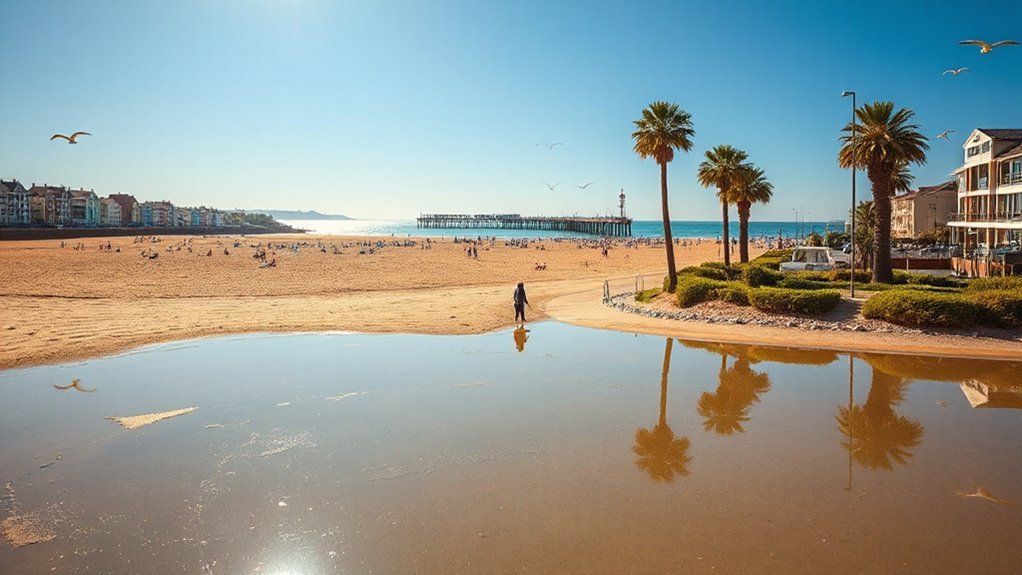
You’ll see how local rental demand dynamics shape coastal yields, with tighter demand near popular beaches driving steadier occupancy.
Compare areas along the seafront to inland zones to gauge yield differentials and cash flow potential.
Seasonality also matters, as occupancy and rent cycles peak in summer and shoulder months, influencing overall returns.
Local Rental Demand Dynamics
Coastal Bournemouth rents are shaped by seasonal demand, with peak summer lettings driving higher short-term yields while year-round demand from locals and commuters provides steady occupancy. You’ll notice demand concentrates around coastline properties, with luxury segments pulling premium rents.
In the data, occupancy stays robust off-season in central and transport-accessible pockets, supporting landlord resilience amid regulation shifts and market cycles. Luxury apartments attract higher yields but require careful alignment with rental regulations and service expectations.
You’ll also see price sensitivity around turnover periods, with longer signings stabilizing cash flow. Regional spillover from nearby towns influences rental velocity, particularly in university-adjacent zones and evolving waterfront developments.
- Seasonal occupancy patterns and drift across the coast
- Premiums for luxury apartments versus standard units
- Impact of rental regulations on pricing and turnover
- Occupancy stability from locals and commuters
- Coastal demand signals near transport hubs and amenities
Yield Comparison By Area
Across Bournemouth’s coast, yields vary by area as access, amenities, and visitor appeal shift investor appetite. You’ll notice higher yields in locations with mixed-use appeal and strong short-stay demand, while premium coastal enclaves offer steadier, lower-risk returns.
The yield comparison shows inland pockets lagging coastal hotspots due to slower occupancy cycles, whereas resort-front towns push higher gross yields despite higher purchase costs.
Seasonal flow and vacancy volatility shape net returns, so assess services, transport links, and amenity depth to estimate true profitability.
Investment hotspots emerge where regeneration plans align with year-round visitor draw, balancing occupier turnover with lease flexibility.
Track performance across micro-areas, not just districts, to capture nuanced shifts in rent growth, cap rates, and refinancing potential.
Use a data-driven lens for ongoing coastal market positioning.
Seasonal Occupancy Trends
Seasonal occupancy drives coastal rental yields, and the pattern is clearly cyclical rather than random. You’ll notice peaks in late spring through early autumn, aligning with tourist arrivals and short-term stays, while off-peak months compress occupancy. Seasonal fluctuations influence daily rates and overall occupancy patterns, shaping investor caseload and cash flow forecasts.
In Bournemouth, coastal demand tightens capacity during holidays, supporting higher yields, then eases as visitors depart. You should monitor hotel and rental platform signals, not just year-over-year totals, to time acquisitions and exits. Data shows multi-year repeatability, with mild shoulder-season bumps when events occur and weather cooperates.
- Seasonal fluctuations drive rent spikes during peak seasons
- Occupancy patterns reveal recurring monthly gaps
- Event calendars correlate with yield surges
- Short-term stays outperform long-term for seasonal windows
- Coastal flexibility sustains steady occupancy credits
First-Time Buyers: Entry Points in Bournemouth
For first-time buyers in Bournemouth, the entry points are shaped by affordable starter homes, government schemes, and a steadily growing demand near the coast. You’ll notice the market favors compact, value-conscious units within walking distance to beaches and transport hubs.
Data shows a steady supply of starter homes rising year over year, with shared ownership and Help to Buy-style options still active in select developments. Prices remain sensitive to seasonal fluctuations, yet affordability trends point to smaller apartments as the most accessible path onto the coastfront.
Coastal demand supports steady resale value, even amid modest price growth. Look for opportunities in developments offering hybrid spaces that combine daily practicality with potential upscale upgrades, including luxury apartments and historic properties as anchor assets.
Family Homes vs. Flats: What’s in Demand
You’re seeing stronger demand for family homes inland and near schools, driven by growing household sizes and longer stays in Bournemouth.
Flats still attract steady rental demand and urban convenience, but price growth and yield dynamics tilt toward larger properties in coastal towns.
In short, you’ll want to watch how family-home demand dynamics and flats market preferences diverge across neighborhoods and price bands.
Family Homes Demand Dynamics
Family homes continue to outpace flats in Bournemouth as buyers prioritize space, outdoor access, and long-term value. Current data shows stronger price growth and quicker sales in detached and semi-detached properties along the coast.
You’ll notice demand concentrates on homes that offer multi-bedroom layouts, garden access, and potential for expansion, reinforcing a premium on long-term resilience.
Prices for family properties remain driven by coastal proximity, with higher turnover in established, low-density neighborhoods that feature character such as large plots and period detailing.
Luxury apartments and historical estates shape the upper tier, yet entry thresholds for families keep rising, supported by improved financing options and school catchment stability.
The trend favors durable, low-maintenance coastal packages that deliver consistent occupancy.
- Coastal proximity drives floor-plan upgrades
- Multi-bedroom appeal sustains price momentum
- Garden access and outdoor space matter
- Historical estates anchor premium segments
- Financing and school siting reinforce demand
Flats Market Preferences
Coastal buyers now weigh flats against family homes by considering space, income, and lifestyle flexibility.
In Bournemouth, flats attract demand from professionals and downsizers who crave proximity to amenities and lower maintenance. Meanwhile, family-oriented buyers seek longer-term value and outdoor access.
Data shows rising interest in two-bedroom layouts with flexible spaces, and a preference for secure, well-managed buildings near transport hubs.
Luxury penthouses command a premium in coastal towers, signaling an appetite for aspirational living without sacrificing location.
Yet, historic cottages persist as value anchors in established neighborhoods, appealing to buyers valuing character and potential for modernization.
Price Segments by Bournemouth Neighborhood
What’re the price segments shaping Bournemouth’s neighborhoods, and how do they compare across the coast? You’ll see clear divides by area, with higher mid-market values near historic cores and coastal fronts, underscored by rising premium for waterfront access.
In contrast, peripheral pockets balance more affordable entry points, aligning with turnover and rental demand. Across the coast, segments tighten around demand from second-home buyers and local families, while historical architecture commands enduring value and cements neighborhoods’ status.
Local amenities—shops, transport, green spaces—add price resilience, especially where preservation rules protect character. Expect gradual gradient shifts as development density increases and zoning adapts to market signals, preserving coastal identity and market credibility.
- Price gradients by neighborhood reflect demand drivers and historic character
- Waterfront access commands premium; inland pockets trend lower
- Local amenities correlate with price stability and rental yields
- Historical architecture sustains long-term value and desirability
- Development density and zoning shape future segment shifts
Financing Bournemouth Purchases: Mortgage Climate

How is the mortgage climate shaping Bournemouth purchases today? You’ll notice lenders tightening criteria slightly, with higher deposit expectations and more rigorous income checks, even as local demand remains buoyant near the coast.
Average mortgage rates linger near recent lows, but regional lenders show caution on higher loan-to-value deals, nudging buyers toward 15- to 25-year amortizations for stability.
In practice, you’ll see more pre-approvals and clearer affordability benchmarks before offers, especially for luxury estates that attract coastal capital.
The market remains price-sensitive around historic landmarks and prime beachfront pockets, where debt serviceability matters as much as price trends.
For investors, refinancing options still favor fixed-rate structures, enabling predictable cash flow while exploring cyclical shifts in seaside demand.
Hidden Costs When Buying Bournemouth Property
Hidden costs can surprise Bournemouth buyers just when you’re building a coastal portfolio, from stamp duty and legal fees to survey gaps and insurance premiums. You’ll want to quantify hidden fees before offers, since total transaction costs can shift net yields and risk profiles.
Data shows lender fees, search fees, and solicitor timeframes vary by property type and location along the coast, affecting closing timelines and cash flow.
Expect premium insurance for flood risk and building cover to align with rising coastal exposure, not just headline rates. Track these legal expenses against market norms to avoid overpaying and to preserve vacancy buffers.
A disciplined cost view supports accurate price modeling and smarter investment decisions.
- Hidden fees
- Legal expenses
- Stamp duty timelines
- Survey gaps
- Insurance premiums
Market Signals: What Experts Expect Next
Coastal market signals are shifting as buyers and lenders recalibrate in a higher-rate environment and with rising flood risk premiums. You’ll notice mortgage pricing tightening and shorter approval windows, nudging some buyers toward larger deposits or shorter contracts.
Experts expect demand to temper in areas with high flood exposure, while coastal architecture that prioritizes resilience—raised living spaces, floodable-quiet zones, and storm-rated finishes—could command premium when paired with strong local amenities.
Lenders increasingly favor properties with documented flood mitigation and robust insurance coverage, influencing resale liquidity.
Seaside amenities continue to anchor value, but you’ll see differentiation based on pedestrian access, dune restoration, and climate-adaptive design.
Expect gradual price stabilization in established neighborhoods, with selective growth in redevelopment corridors that emphasize resilience and lifestyle access.
Coastal Buyer Checklist: Steps to Secure Your Deal

Now that you’re steering a higher-rate market with flood risk premiums, here’s a practical route to lock in a coastal deal: start with a verifiable demand picture, confirm property-specific flood mitigation and insurance coverage, and align financing with realistic loan timelines and deposit requirements to avoid delays.
You’ll evaluate location resilience, track recent coastal activity, and verify vendor disclosures to minimize risk. Pair this with a market-aware pricing check and contingency planning, ensuring you’re prepared for evolving regulations and premiums.
Throughout, prioritize coastal cuisine features and local amenities, while respecting Beach conservation guidelines to protect value. Use data-backed comparisons, lender dialogue, and survey insights to secure a smooth closing.
- Verify flood mitigation and insurance specifics
- Assess demand signals and recent sales velocity
- Align loan timing with deposits and approvals
- Factor coastal amenity access and quality
- Align due diligence with Beach conservation guidelines
Bournemouth Property Outlook: 5-Year Forecasts
Bournemouth’s five-year property outlook blends steady demand with careful risk management, as local trends point to selective growth tempered by affordability pressures and flood-risk disclosures.
You’ll see modest price resilience in coastal pockets where demand remains anchored by commuting access, lifestyle appeal, and improving transport links.
Forecasts indicate buyer activity shifting toward well-located developments near Beachfront amenities, with price gains narrowing as mortgage costs and affordability tighten.
Rental markets should stay robust in high-demand zones, supported by steady occupancy and seasonal tourism spillovers.
Developers are likely to emphasize resilience measures, flood-protection features, and coastal conservation in project planning, which could influence pricing structures.
To navigate risk, track zoning changes, insurer criteria, and flood-risk disclosures while aligning investments with coastal value drivers and sustainable growth outlooks.
Frequently Asked Questions
How Does Climate Risk Affect Bournemouth Property Values?
Climate risk lowers Bournemouth property values as buyers price in adaptation costs and flood risk. You’ll see faster value adjustments near coastlines, while climate adaptation measures—seawalls, drainage—stabilize premiums, guiding you toward resilient assets and informed investment decisions.
Which Micro-Neighborhoods Offer Best Rental Yields?
You’ll identify rental hotspots and investment opportunities in micro-neighborhoods with strong demand, high occupancy, and stable yields, leaning coastal, data-driven, and market-aware to guide your next high-return rental strategy.
Are Inland Prices Converging With Coastal Values?
Are inland prices catching up with coastals? You’ll see inland affordability improving as demand tightens coastal exclusivity, narrowing gaps. You analyze data, monitor prices, and adjust expectations, noting inland gains while coastal value remains resilient and selective.
What Impact Do Student Populations Have on Prices?
Student populations boost rental demand and push prices up, especially for student housing near campuses; you’ll see tighter vacancies, higher rents, and seasonal swings, with coastal areas tightening more when demand peaks in term starts and ends.
How Do Seasonal Tourism Trends Influence Long-Term Demand?
Seasonal fluctuations shape long-term demand as you ride tourism-driven demand cycles, offsetting slower dips. You’ll see coastal towns rally when peaks hit, then stabilize; you plan around annual swings, using trends to forecast occupancy, pricing, and investment.
Conclusion
You’ll see Bournemouth’s coast drive prices climb with steady, data-backed momentum. Coastal demand stays fierce, supported by limited supply, strong rents, and ongoing regeneration. Central pockets stay premium, while fringe shores offer value without sacrificing access. Expect gradual price appreciation, tight spreads, and solid yields for investors who time entry right. In short, coastal Bournemouth remains a lighthouse for market resilience—bright, buoyant, and breaking records, one wave at a time.
About the Author