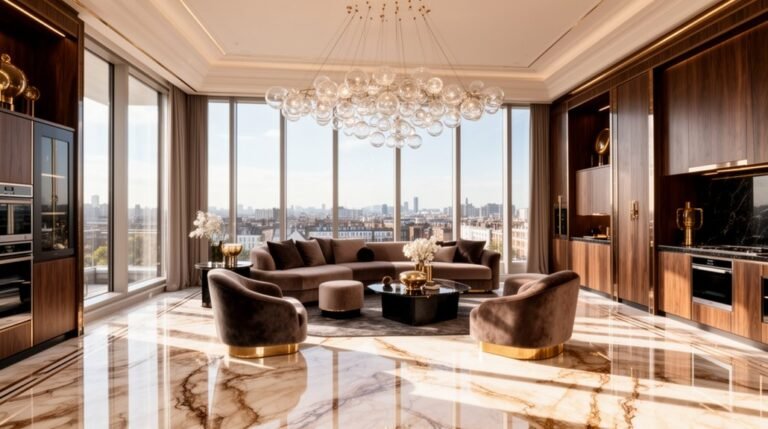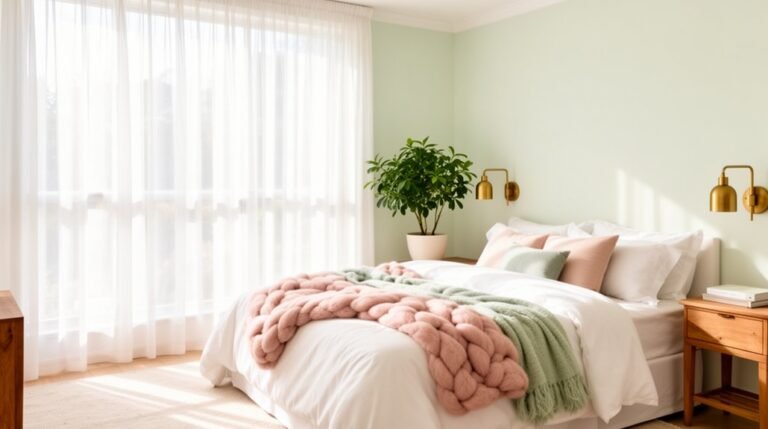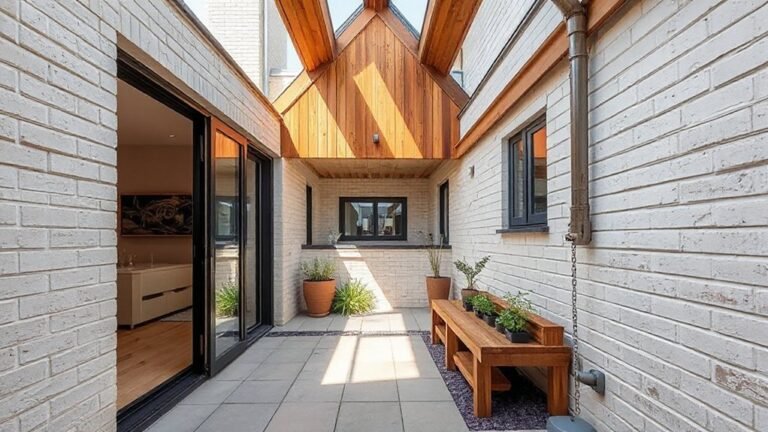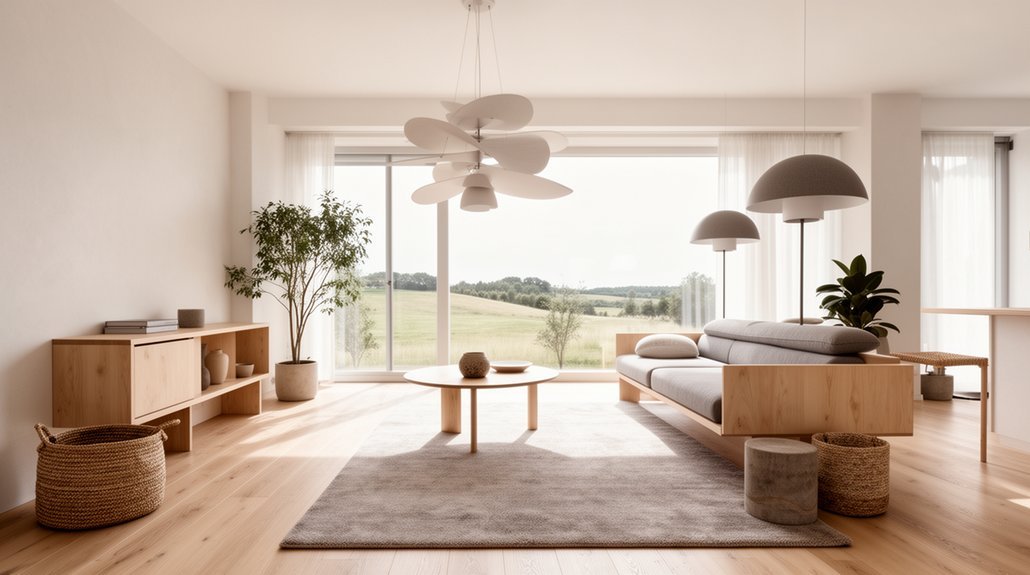
Scandi-style whole-home interiors blend warmth with restraint, delivering calm, cohesive spaces that feel timeless and livable. You’ll see warm minimalism: soft creams, warm grays, sand undertones, and deeper accents, layered with oak, linen, wool, and matte ceramics. Think clean lines, natural textures, and seamless flow across living, dining, kitchen, sleep, and work zones. Layered lighting, hidden storage, and sustainable materials keep clutter low and comfort high. If you keep exploring, you’ll uncover practical, room-by-room guidance you can apply today.
What Scandi-Style Whole-Home Design Really Is
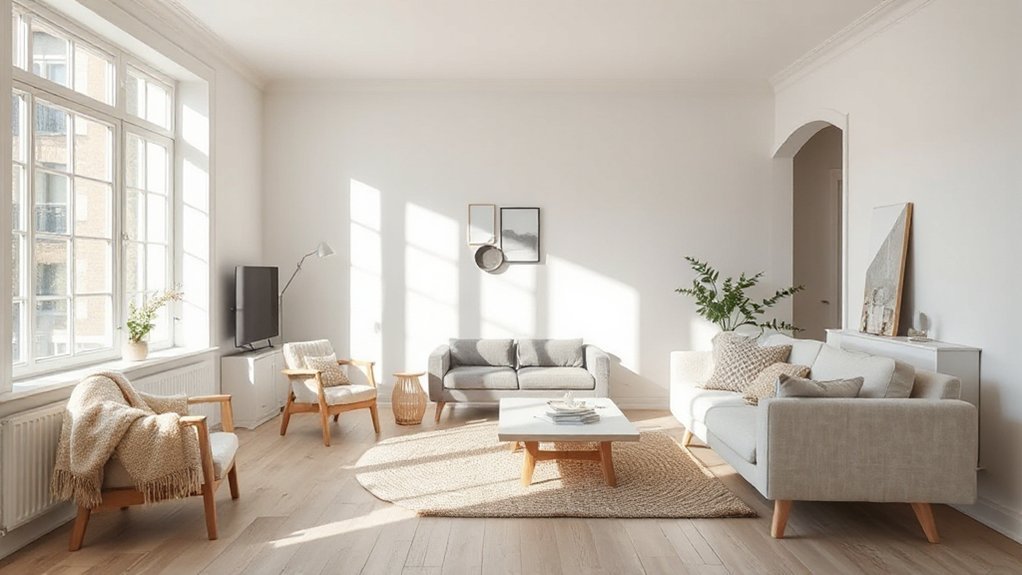
Scandi-style whole-home design is a disciplined blend of form and function that elevates everyday living. You approach it with intent: simplicity as a framework, tactful contrasts as emphasis.
The core idea is cohesive efficiency across spaces, not a collection of trend-forward accents. You’ll notice that functional layouts, natural materials, and light, neutral palettes define every room, while subtle warmth emerges through texture, craftsmanship, and thoughtful fixtures.
Cultural influences inform proportion and restraint, translating Nordic minimalism into relatable, livable environments. You consider color psychology to shape mood without overwhelm—soft whites and muted earth tones foster calm, while strategic black or graphite accents provide visual anchors.
This philosophy prioritizes longevity, craft, and clarity, ensuring each element serves a purpose and contributes to a serene, cohesive home experience.
Warm Minimalism: Palette and Textures to Use
When you embrace warm minimalism, the palette leans into inviting undertones that keep spaces serene rather than sterile. You’ll favor soft neutrals—creams, warm grays, and sand undertones—paired with deeper accents to anchor balance.
Color blending should feel generative, not matchy; interpolate between ivory and taupe through subtle shifts in saturation. Introduce earthy warmth with oiled woods, aged brass, and matte ceramics that read as quiet but refined.
Texture layering becomes the signal—start with a flat, understated base, then add tactile contrasts: a boucle, a linen, a wool, a velvet detail—each element chosen for tactility, not ornament.
Keep surfaces clean and edges crisp; let light travel, and reserve color pops for artful focal points.
Living Room: Nordic Light, Comfort, and Quietude
In your living room, Nordic Light balances brightness with soft, reflective surfaces to cultivate calm throughout the day.
You’ll layer Quiet Comfort Textures—wool, linen, and brushed cotton—that invite lingering without visual clutter.
Together, these elements forge a design-forward space that feels serene, functional, and purposefully restrained.
Nordic Light Balance
Soft, diffuse daylight is the backbone of a Nordic living room, shaping a calm palette and quiet atmosphere that invites slow, comfortable moments.
Nordic Light Balance focuses on how you orchestrate brightness across zones, materials, and textures to sustain clarity without glare. You optimize light by pairing sheer window treatments with matte finishes, minimizing specular reflections while preserving warmth.
Use time-tested contrasts—pale walls with oak accents—to guarantee depth remains legible at all hours. In seating and surfaces, prioritize restraint, letting natural luminance inform form decisions rather than overpower them.
Integrate Vintage textiles and Artistic displays as quiet focal points, not showpieces, so light interacts with texture subtly. The result: a breathable, cohesive living room that feels both energized and serene.
Quiet Comfort Textures
Textured fabrics should feel refined, not busy, pairing wool blends with cotton sheers to soften lines without accumulating noise. Layer textures where light can travel through subtle gaps, maintaining clarity of form.
Acoustic panels become invisible anchors, chosen for tonal quiet rather than visual statement, ensuring speech and music stay clear while ambience remains serene. Use natural fibers with breathable weaves to prevent glare and fatigue.
Edges stay crisp, stitches economical, and seams align with architectural cues. The result communicates calm, cohesion, and disciplined luxury through restrained texture.
Dining and Kitchen Flow: Nordic Practicality With Cozy Moments
You’ll optimize dining flow to create seamless movement between prep, dining, and clean-up.
This involves weaving Nordic practicality with subtle warmth.
Consider how Cozy Moments Integration can appear as tactile touches—soft textures, warm lighting, and cohesive materials—without compromising efficiency.
This discussion centers on Dining Flow Harmony and how these elements collaborate to support everyday rituals.
Dining Flow Harmony
Flow between dining and kitchen should feel seamless and purposeful, with clear sightlines and a shared material language that reinforces Nordic practicality while inviting cozy moments. You create continuity by aligning cabinetry, flooring, and lighting, then anchoring the space with eco-friendly materials and restrained hardware.
Integrate vintage accents through a few well-chosen pieces that age gracefully, enhancing texture without competing with clean lines. The result is a calm, functional corridor where conversation travels naturally from prep to plate.
- Align cabinetry and seating for uninterrupted sightlines
- Choose light, durable woods and matte finishes
- Use warm, indirect lighting to soften transitions
- Introduce vintage accents as focal, not clutter
- Prioritize uncluttered surfaces and practical storage
Cozy Moments Integration
Cozy moments should feel earned, not added. In the dining and kitchen flow, you harness Nordic practicality by structuring transitions as functional moments, not fads. Place compact relaxation zones near the prep corridor and dining alcove, so conversational energies linger without interrupting efficiency.
Select seating and surfaces with tactile warmth—wood veneers, wool textiles, and low-pile rugs that absorb noise and invite lingering meals. Illuminate task areas separately from ambient spaces, ensuring soft lighting remains consistent with daylight rhythms.
Integrate smart storage that hides clutter while preserving surface tactility. Clearly defined paths guide movement from pantry to table, reinforcing a calm cadence.
Sleep Sanctuary: Nordic Calm for the Bedroom
A serene sleep sanctuary hinges on a disciplined restraint: minimal clutter, quiet color, and tactile warmth. You create calm with restrained palette, layered textures, and precise silhouettes that invite rest rather than stimulation.
Nordic textiles soften surfaces; wool throws and linen sheets deliver warmth without heaviness, while cotton blends keep airflow balanced.
Choose minimalist accessories that reinforce quiet luxury: a low-profile lamp, a clean alarm clock, and a single framed, nature-inspired print.
Keep the bed central, flanked by storage that disappears into architecture, not distracts from it.
Senses stay engaged through soft lighting, scent-less or lightly scented, and tactile, breathable linens.
Your mindfulness translates into daily rituals, enhancing restorative sleep and elevating overall interior coherence.
- Nordic textiles
- minimalist accessories
- low-profile lighting
- breathable linens
- nature-inspired visuals
Bathrooms With Nordic Warmth: Wood, Stone, and Soft Light
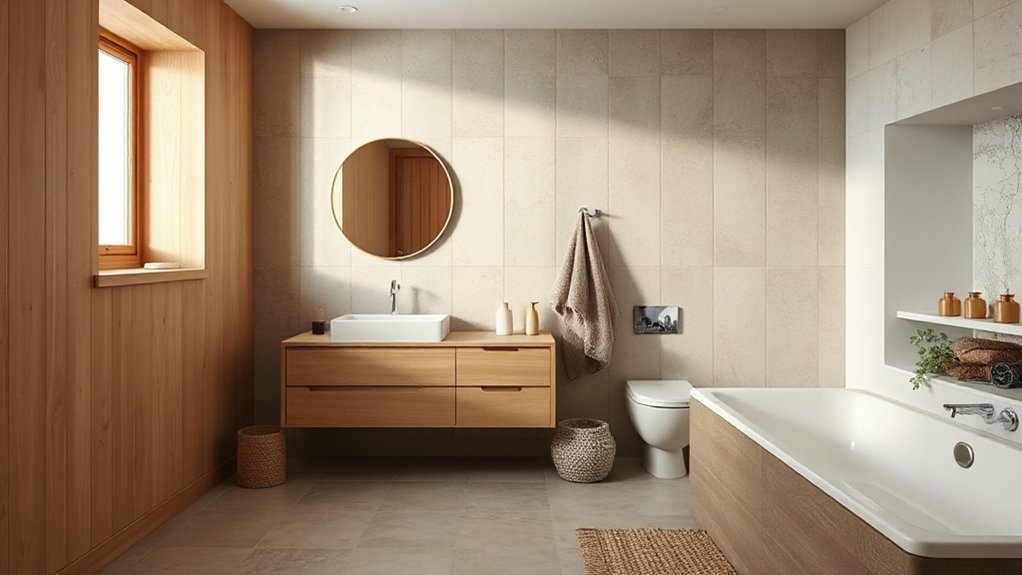
Understated warmth defines Nordic bath design: timber accents, textured stone, and glow from carefully calibrated lighting create a serene, spa-like atmosphere.
You pair soft, durable woods with cool, matte stone to achieve a balanced temperature reading—never shouty, always refined.
Choose fixtures with clean lines, satin finishes, and minimal hardware to preserve calm, cohesive flow.
Textiles matter: vintage textiles tucked into towels and robes add gentle patina without overpowering the space, while bold patterns appear in small doses—think a woven rug or a framed textile detail—that anchor the room subtly.
Keep color restraint: ivory, ash, and graphite support natural materials and daylight.
Lighting should sculpt texture, not overwhelm, with dimmable sources that shift from bright mornings to intimate evenings.
Home Office Layouts for Calm, Productive Work
Design your home office around a Quiet Zone: place the desk away from distractions and incorporate sound-absorbing elements to sustain focus.
Use Natural Light Tactics to maximize daylight without glare, aligning work zones with windows and using diffusers or sheer curtains.
The Ergonomic Space Setup should prioritize posture, adjustable seating, and keyboard-to-monitor alignment for sustained comfort.
Quiet Zone Planning
How can you carve out a calm, productive workspace within your home—without sacrificing style? You create a Quiet Zone with intentional zoning, isolation, and restrained materials that echo Scandi restraint.
Prioritize a small, tucked-in desk, a solid door, and a soft-matte finish palette to minimize glare and distraction.
Implement practical sound control through soundproofing techniques and acoustic treatments, balancing function with beauty.
Use floating shelves and a compact, ergonomic chair to maintain openness while supporting focus.
- Define boundaries with a door or screen
- Choose muted tones and warm wood
- Integrate vertical storage to reduce clutter
- Place desk near but not under windows
- Select nonporous, easy-clean surfaces
Natural Light Tactics
Natural light is a keystone of a calm, productive home office, so position and control become your primary tools. You align desk orientation to maximize diffuse daylight while minimizing glare, using sheer curtains and strategic shading to modulate intensity.
Place focal walls with calibrated color and texture to reflect light inward without overpowering the space. Integrate skylights or light tubes where possible to flood core zones with daylight, preserving evening warmth from lamps that are carefully calibrated for color temperature.
Use artworks sparingly but purposefully; artistic murals act as brightness anchors rather than visual clutter. Vintage accents, chosen for subtle contrast, reinforce depth without stealing light.
Finally, conceal cables behind furniture rails and under plinths, ensuring uninterrupted glow and clean sightlines.
Ergonomic Space Setup
A calm, productive home office hinges on an ergonomic setup that supports posture, focus, and flow, so start with a precise layout that aligns your body to the workstation. Position monitor at eye level, keyboard within easy reach, and chair feet flat on the floor to maintain a neutral spine.
Choose ergonomic furniture that promotes movement and long-term comfort, not just aesthetics. Prioritize cable management and a clear desk edge to reduce friction.
Lighting should be glare-free and adjustable to reduce fatigue, pairing task and ambient sources for balanced contrast.
Space optimization hinges on proportional furniture scale and deliberate zoning for tasks, breaks, and storage.
- Ergonomic furniture selection and alignment
- Monitor height, chair support, and desk depth
- Cable management and debris-free surfaces
- Adjustable task lighting and glare control
- Strategic storage to maintain flow and focus
Storage Solutions to Keep Clutter at Bay
Efficient storage is the backbone of a calm Scandi-style home, where clean lines and warm materials work together to conceal clutter without sacrificing accessibility. You optimize every square inch with built-in cabinetry that recedes into walls, keeping surfaces clear. Choose modular systems that adapt to changing needs, avoiding bulky configurations.
Vertical strategies—tall wardrobes, wall shelves, and concealed hampers—maximize volume while preserving airy aesthetics. Select doors and fronts in neutral tones, finishing with matte textures to reduce visual weight.
Use vegan leather storage bins for lightweight, durable organization aboard open shelves, pairing with labeled transparency for quick access. Integrate indoor plants to soften edges and reinforce a sense of calm without adding clutter.
Prioritize accessibility, maintenance ease, and timeless materials to sustain a clutter-free, timeless interior.
Layered Lighting for Mood and Function in a Nordic Home
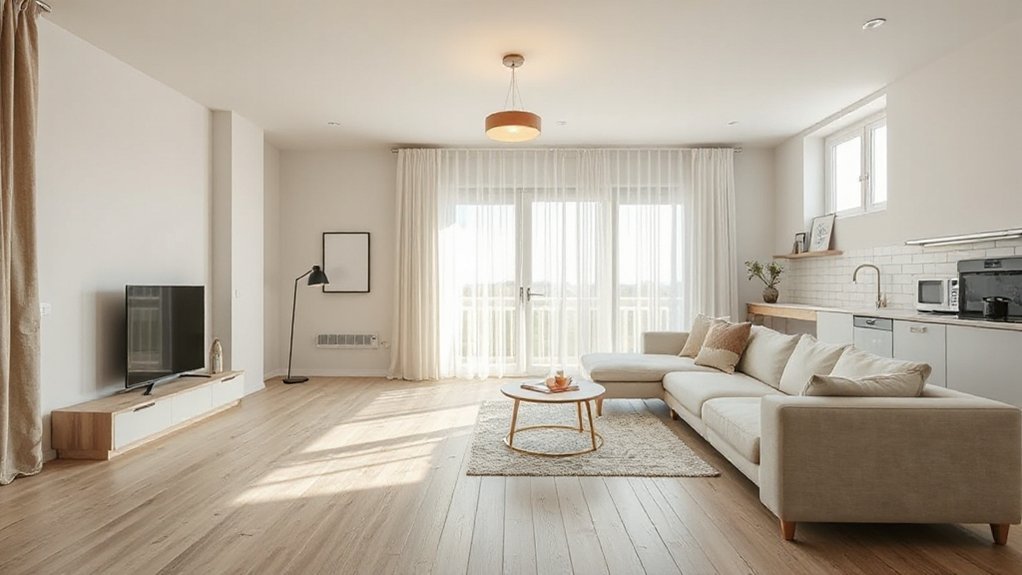
Layered lighting animates a Nordic living space by pairing ambient, task, and accent layers that complement the calm, uncluttered aesthetic you’ve established. You’ll balance soft, diffuse ambient layers with targeted task illumination to maintain function without glare, while carefully placed accents draw attention to architectural lines and artwork.
Use dimmers to modulate mood enhancement across zones, preserving consistency from room to room. Choose color temperatures in the 2700–3200K range for warmth without heaviness, and align fixtures to scale with furniture and ceiling height.
Layering should feel intentional, not busy, with each layer serving a specific purpose. Build a lighting plan around daily rituals and occasional uses, ensuring seamless *progressions* and cognitive ease.
- Ambient layers
- Task lighting
- Accent illumination
- Dimming for mood
- Zone consistency
Textiles and Accessories That Soften the Minimal Look
Textiles and accessories are the quiet architects of a Nordic minimalist palette, softening clean lines with tactile warmth while preserving an uncluttered calm. You curate spaces by embracing Textile layering, which adds depth without bulk, pairing matte fabrics with subtle textures to echo natural light.
Favor muted weaves, shear textures, and wool blends that read sophisticated, not busy. Accessory placement matters: position a single sculptural vase at eye level, balance with a restrained bundle of textiles on a chair, and avoid crowding surfaces.
Choose tactile throws and cushions in a cohesive palette to reinforce quiet cohesion. In practice, weave contrast through materiality rather than color, ensuring each piece adds purpose.
The result is serene tactility that elevates the minimalist frame without compromising legibility or function.
Flooring and Surfaces That Unify Your Scandi Look
Choose durable wood finishes and light-reflecting surfaces to anchor your Scandi scheme, balancing warmth with brightness. You’ll prioritize clean grains, matte or satin sheens, and low-maintenance textures that feel cohesive across floors and counters.
This unified approach guarantees a calm, design-forward flow from entry to living spaces.
Durable Wood Finishes
- Durable finish choices with low glare and high wear resistance
- Natural grain emphasis across floors and surfaces
- Water-based stains to preserve brightness
- Tight-grain wood for subtle texture
- Vintage accents that enhance warmth and character
Light-Reflecting Surfaces
Opt for light timber, matte stone, or porcelain with subtle veining to maintain calm, uncluttered sightlines. Color contrast should be deliberate, using cool whites against warm undertones to sharpen depth without violence.
The emphasis remains on clarity, not decoration. Plan furniture arrangement to enhance reflections: position seating to face windows, pair low-profile pieces, and honor negative space.
Edges stay soft, seams tight, and surfaces easy to clean, ensuring enduring minimalism and thoughtful light play.
Color Strategy: White, Gray, and Natural Wood Accents
White, gray, and natural wood accents form a cohesive color strategy that grounds Scandi-inspired spaces while keeping them bright and welcoming. You’ll balance high-contrast whites with warm gray tones to avoid sterile vibes, then layer in natural wood for tactility and depth.
This approach leverages color psychology to foster calm, focus, and social warmth, guiding furniture choices and lighting. Keep surfaces simple and let texture lead, using interior accessories to add personality without clutter.
- Emphasize soft gray walls as a neutral canvas
- Select warm, light woods for furniture and floors
- Use crisp white textiles to reflect light
- Introduce tactile accents: wool, jute, linen
- Choose minimal, purposeful interior accessories for cohesion
Hygge Moments: Subtle Comfort Across Rooms
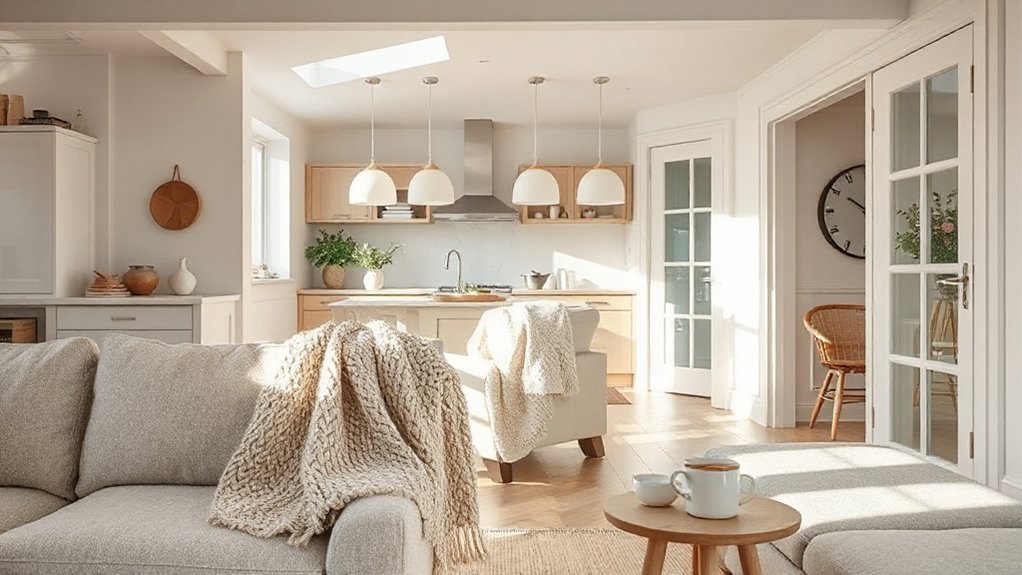
You balance gentle textures, warmth, and strategically lit corners to create cozy, livable spaces across every room.
Highlight quiet corners as intimate refuges where light, material, and scale work together to calm the eye.
Ready your plan by tying these Hygge moments—textural details, warmth, and thoughtful lighting—into a cohesive whole.
Gentle Textures, Warmth
Gentle textures and warm tones create inviting, everyday luxury across every room. You’ll notice how tactile materials soften lines, adding depth without busy contrasts. Choose textiles with subtle weaves and matte finishes to anchor palettes and elevate form.
Focus on proportion: larger swatches for seating, smaller for accessories, ensuring cohesion. The result is a calm backdrop that invites lingering and conversation.
Textured textiles anchor warmth; cozy corners invite respite and intimacy within open plans. Combine natural fibers, low-sheen surfaces, and controlled contrast to maintain clarity while enriching tactility.
Your spaces feel curated, not decorated—calibrated, modern, and comfortable.
- Textured textiles
- Cozy corners
- Natural fibers
- Low-sheen finishes
- Calibrated contrasts
Lighted Corners, Quiet Corners
In warm, softly lit nooks, the calm you cultivated with gentle textures continues to breathe—only now with light as the main sculptor. You map corners where furniture leaves room for minimal sculpture and deliberate shadows. Favor wall-wung fixtures or arched sconces that cast even, glare-free glow, ensuring Artistic lighting primes atmosphere without competing with objects.
Quiet corners become intimate micro-rooms when layered light sources—dimmed lamps, hidden LEDs, and task accents—cede dominance to soft, reflective surfaces. Choose matte finishes and natural materials to reflect warmth and reduce contrast.
Maintain negative space to preserve calm; avoid busy displays in these zones. Position lights to highlight architectural lines rather than overpower them, crafting a serene, cohesive rhythm across adjacent spaces.
Small-Space Scandinavian Living: Big Impact, Minimal Footprint
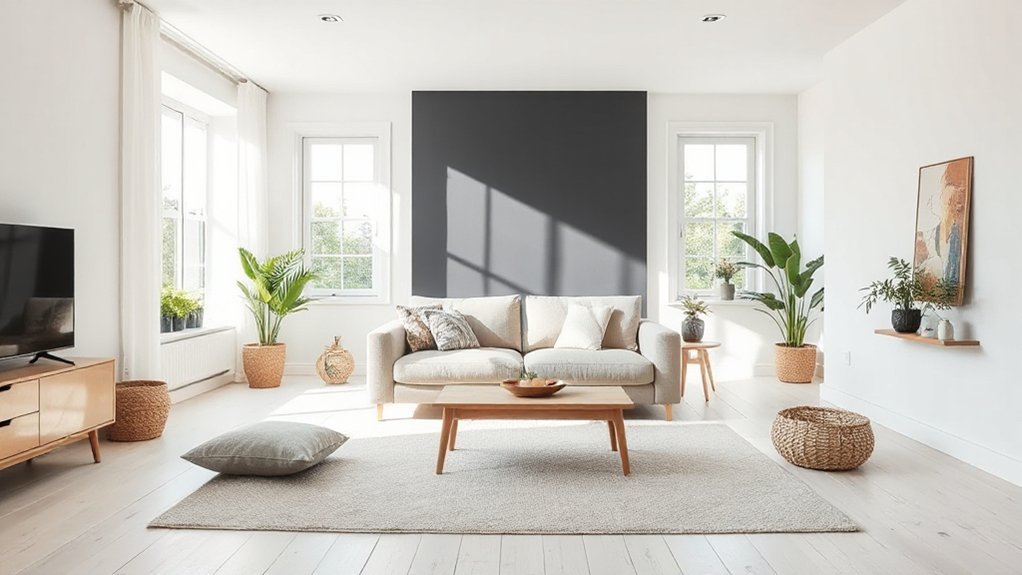
Small spaces in Scandinavian design prove that restraint, not size, defines impact: clever geometry, warm neutrals, and tactile materials create rooms that feel larger and calmer. You harness efficient layouts, multifunctional furniture, and soft textures to amplify air and light, while keeping lines clean and purposeful.
Bohemian influences meet maximalist decor in subtle accents, adding character without clutter. You prioritize texture over excess, grounding airy rooms with a single statement knit, rug, or ceramic. You’ll weave warmth through wood grain, matte stone, and woven fibers, maintaining calm through restraint.
- Multifunctional pieces that collapse or stack for flexibility
- Layered neutrals with a single, bold accent
- Textured textiles to add depth without bulk
- Curated greenery for lively contrast
- Thoughtful lighting that sculpts space and mood
Scandi Kitchen Details: Handles, Finishes, and Hardware
First, choose handles and hardware that reinforce the calm, natural Scandi palette: matte neutrals, warm woods, and understated metallics. You’ll pair slim profiles with soft edges to maintain a quiet, cohesive kitchen rhythm.
Opt for integrated pull systems or minimalist bar pulls to minimize visual noise while maximizing function.
For cabinet finishes, lean toward matte lacquers, or lightly brushed veneers in ash, oak, or birch, ensuring warmth without gloss.
Scandi handles should stay unobtrusive, letting grain and texture take the lead. Consider Nordic finishes that gently patina over time, adding subtle depth without competing tones.
Balance metal accents with soft, linen-like textures on accessories. The result is a serene, durable kitchen that reads refined, not fussy.
Sustainable Choices for a Long-Lasting Look
Sustainable choices anchor a long-lived Scandi aesthetic by prioritizing materials, finishes, and systems that age gracefully. You’ll select durable woods, low-VOC paints, and energy-efficient fixtures that reward maintenance over replacement, keeping spaces serene and timeless.
Eco friendly finishes inspire longevity without compromising purity of tone, while simple forms reduce wear patterns and extend life.
You’ll integrate Vintage accents to layer character without sacrificing restraint, ensuring a cohesive mood that evolves rather than repeats.
- Eco friendly finishes
- Vintage accents
- Durable timber and finishes
- Low-VOC paints
- Modular, repairable systems
Plan a Cohesive Mood Board Across Rooms
To plan a cohesive mood board across rooms, start by defining a unifying mood—think calm, warm, or pared-back—and map it through color, texture, and proportion from entry to private spaces.
You align palette logic, ensuring consistency while allowing subtle shifts for function and light. Use color contrast deliberately to delineate zones without fragmentation, pairing light neutrals with deeper accents for depth.
Texture variation—smooth plaster, woven textiles, matte wood—should reinforce the mood while remaining tactile and balanced.
Consider furniture arrangement as a spatial narrative: flow, sightlines, and focal points across rooms that feel intentional, not staged.
Compile samples into a living board, testing scale, finish, and durability, then refine until progression feels seamless and purposeful.
Real-Life Scandi-Home Case Studies: What Works
Real-life Scandi-home case studies reveal how calm, warm, and pared-back principles play out in daily living. You’ll see spaces that prioritize light, texture, and function, with deliberate material palettes and restrained color stories.
In practice, vintage accents and artistic expressions punctuate restraint, adding personality without overpowering minimalism. You’ll notice thoughtful clutter control, hybrid storage, and tactile surfaces that invite touch.
Attention to daylight, acoustics, and furniture scale creates rooms that feel airy yet intimate, purposeful rather than perfect. The best examples show how you can layer warmth through textiles, wood, and soft neutrals while preserving clarity and flow throughout the home.
Real-world results prove style can be serene, livable, and endlessly adaptable.
- Vintage accents
- Artistic expressions
- Light-forward layouts
- Textural layering
- Functional minimalism
Room-by-Room Practical Checklist to Achieve Scandi Style
Creating a room-by-room path to Scandi style starts with a clear, design-forward checklist you can act on: begin with lighting, then define a soft, neutral palette, and finish with texture, function, and calm clutter control.
You’ll assess each room for natural light, glare reduction, and task versatility, selecting luminaires that fuse form and efficiency.
Adopt a restrained color scheme—warm whites, pale grays, sand tones—and carry it through textiles, cabinetry, and architectural details.
Prioritize tactile textures: wool, linen, wood, and leather to maintain depth without visual noise.
For artistic expression, curate accessories that reveal personality without crowding surfaces, and acknowledge cultural influences by referencing traditional craft with modern restraint.
Implement storage-native layouts to keep spaces calm, organized, and highly livable.
Frequently Asked Questions
How Can I Start Without Overwhelming With White Walls?
Yes—start small with warm neutrals and a soft accent wall to ease white overwhelm. Use color palettes thoughtfully and layer lighting techniques to add depth, texture, and mood, guiding your eye without sacrificing the clean, airy feel.
Which Natural Materials Create Warmth Without Clutter?
“Less is more,” you say. You choose sustainable materials like warm timber, stone, cork, and linen; pair with eco friendly finishes. You create warmth without clutter, using textures and measured contrasts to elevate your space with confident, design-forward intent.
Is Scandi Style Adaptable to Small Spaces?
Yes, you can adapt Scandi style to small spaces. You’ll optimize Color palette and Furniture scale, using light tones, uncluttered surfaces, multifunctional pieces, and strategic zoning to create a calm, expansive, design-forward environment.
How Do I Mix Textures for Coziness?
You’ll layer textiles and mix patterns to create coziness, like a whispered echo of Nordic firesides; start with textures, balance scale, then introduce varied weaves and subtle prints for a warm, design-forward, expert finish.
What Budget-Friendly Swaps Keep the Look Cohesive?
Budget-friendly accessories keep the look cohesive: opt for natural textures, matte finishes, and simple shapes. Pair with cohesive color schemes—neutrals, soft whites, and muted wood tones—to preserve a polished, design-forward Scandi vibe.
Conclusion
You’ll unleash a design superpower: a home that feels larger, calmer, and impossibly cozy. Embrace warm minimalism, where clean lines meet tactile textures and daylight does the heavy lifting. Every room quietly reinforces steel-willed practicality with feather-soft comfort, as if Nordic winds themselves whispered “less is luxe.” Plan, test, and harmonize with sustainable choices, so the look lasts longer than trends. Live in a Scandi world that’s relentlessly serene, astonishingly functional, and forever in style.
About the Author