
Last year, a homeowner cut cooling costs by replacing aged windows with high-efficiency models. In 2026, you can earn similar savings by focusing on value-driven upgrades and data-backed ROI, staying flexible with your budget, and negotiating smart with pros. But where should you start, and how will you balance upfront costs with long-term gains as discounts, DIY tactics, and smart materials reshape the price you pay? Let’s map the path forward.
Choose the Best-Value Home Projects for 2026
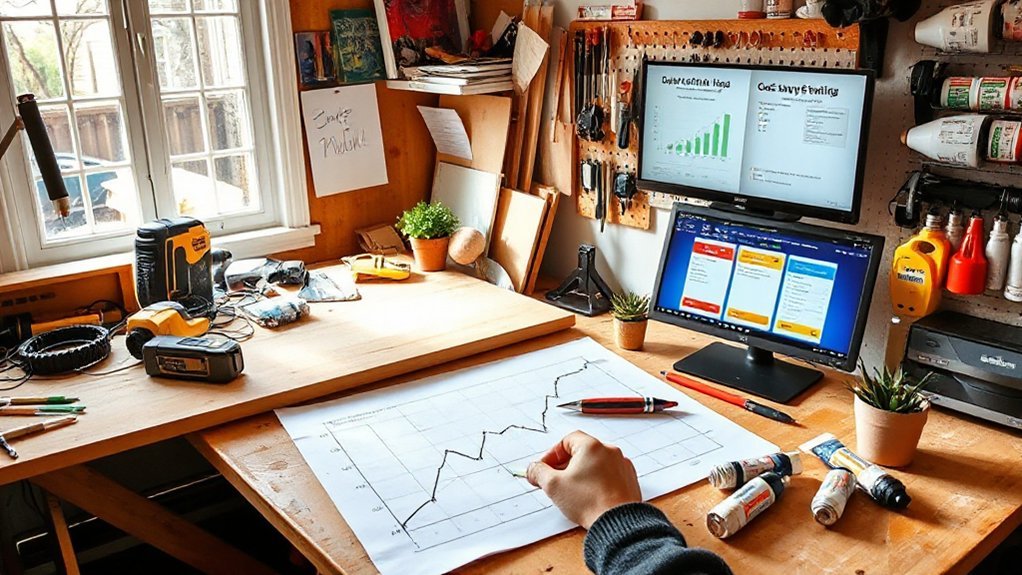
Choosing value-first home projects in 2026 means prioritizing upgrades that deliver measurable returns on cost and comfort. You’ll evaluate options through data, not guesswork, focusing on projects with broad appeal and durable benefits.
Start with a solid cost estimation baseline, comparing materials, labor, and lifecycle costs to quantify value over time. Prioritize renovations that improve energy efficiency, durability, and functionality, such as insulation updates, efficient windows, and space optimization.
You’ll look for upgrades that reduce ongoing expenses and boost resale appeal without overbuilding. Benchmark potential savings against upfront spend to identify the best ROI.
Track projected payback periods, maintenance needs, and comfort gains to guide decisions. In this frame, Home renovation choices align with strategic cost estimation and futureproofing.
Build a Realistic, Flexible Budget for Your Project
To turn your value-focused plan into reality, you’ll start by building a realistic, flexible budget that reflects both upfront costs and long-term savings. You’ll map out cost estimation for each project phase, then attach risk buffers to cover unforeseen price shifts.
Use budgeting strategies that prioritize essential upgrades while layering in optional components as add-ons. Track contingencies, labor, materials, and permit fees separately so changes don’t derail the whole plan.
Then quantify potential energy savings, maintenance reductions, and resale value to compare against upfront spend. Apply scenario planning—best, base, and worst cases—to keep plans aligned with funding realities.
Review quarterly, adjust as bids evolve, and maintain a flexible stance to capitalize on favorable prices and avoid overcommitment. This approach keeps your project financially resilient and forward-looking.
Smart Materials and DIY Tactics to Cut Costs
Smart materials and DIY tactics can slash costs without sacrificing quality. You’ll leverage high-performance composites, repair patches, and durable coatings that extend lifespan while trimming replacement cycles.
Data shows a 15–30% material-cost reduction when you choose smart materials with modular designs and standardized sizes.
DIY tactics empower you to handle prep, finishing, and minor installations, reducing labor fees by up to 40% in many projects.
Prioritize systems with built‑in diagnostics, self-healing surfaces, and energy-efficient performance to lower ongoing costs.
Plan with clear specs, test samples, and warranty checks to prevent overruns.
Document performance metrics—temperature resistance, wear rate, and moisture tolerance—to justify material choices.
This approach keeps quality intact while accelerating timelines and tightening overall project budgets.
Timing Discounts and How to Negotiate With Pros
Smart materials and DIY tactics laid a solid cost foundation, but timing discounts and negotiation with pros can lock in savings when labor and scheduling pressures hit. You should track seasonal discounts offered by suppliers and crews, then align project milestones with slower periods to secure lower rates.
When you initiate contractor negotiations, present clear scope, documented specs, and a preferred start window to avoid scope creep and surprise charges. Ask for itemized bids, compare line items, and request a price protection clause for price changes during execution.
Leverage competitive quotes to trigger concessions on labor, materials, or timing. Keep notes of commitments and deadlines, and verify any warranty implications before signing.
With disciplined timing tactics, you maximize value while maintaining quality and schedule predictability.
Prevent Money Wastage With Checklists and Red Flags
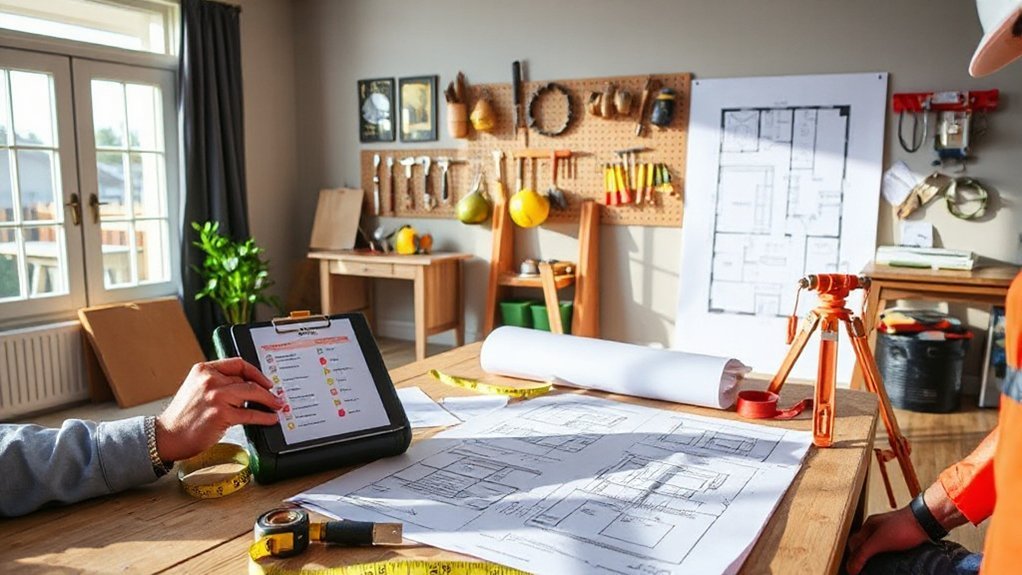
Money can slip away before you notice unless you use tight checklists and spot red flags early. You’ll prevent waste by documenting every cost assumption, decision, and deadline, then cross-referencing it with actuals weekly.
Use checklists that cover material orders, subcontractor timelines, and permit compliance to catch deviations before they cascade. Red flags to watch: scope creep, late deliveries, supplier price changes, and rushed approvals.
When you identify them, pause and revalidate against your baseline budget and schedule. Consider material alternatives to cut back on expensive, nonessential items without sacrificing quality.
Prioritize tasks with the highest impact on value and risk, applying project prioritization to sequence work most effectively. This disciplined approach sharpens forecasting and preserves cash for the most critical improvements.
Frequently Asked Questions
How Can I Measure Long-Term Savings From Upgrades?
You’ll measure long-term savings by tracking annual energy, maintenance, and resale value changes, then compare against upfront costs. Use DIY projects and improved Material selection data, updating forecasts yearly to see how upgrades compound wealth over time.
Which Financing Options Minimize Interest Costs for Renovations?
Most homeowners save 15% when securing loan options that prioritize interest minimization, so you should compare rates carefully. You’ll optimize your renovation budget by selecting loan options with fixed terms and lower APRs, targeting ongoing interest minimization.
Do Permits and Fees Impact Total Project Affordability?
Yes—permit costs and fee impacts can affect affordability. You’ll see higher upfront fees, potential delays, and scheduling costs, so monitor permit requirements, budget for spikes, and pursue streamlined approvals to keep project viability on track. Track, compare, adjust.
What Hidden Costs Commonly Derail Home Improvement Budgets?
You’ll dodge surprises: hidden costs derail budgets, so track permits, waste, and scheduling. DIY projects tempt, but overruns loom; plan material substitutions thoughtfully, compare quotes, and stage contingencies to keep projects profitable and on track.
Can Energy-Efficiency Changes Justify Immediate Higher Costs?
Yes, energy-efficiency changes can justify higher upfront costs, especially with incentives. You’ll see faster payback through energy savings and programs offering Energy incentives and material rebates, making investments more feasible while boosting long-term comfort and resale value.
Conclusion
As you plan for 2026, lean on data: projects with broad appeal and durability—like energy-efficient windows or insulation—deliver the best ROI. A robust budget with contingencies and timing discounts keeps costs predictable, while negotiating with pros and DIY tactics handle minor tasks affordably. Nearly 60% of homeowners who track expenses with checklists report fewer overruns. Use smart materials and clear scopes to prevent scope creep. Stay proactive, data-driven, and flexible to maximize value without sacrificing quality.
About the Author