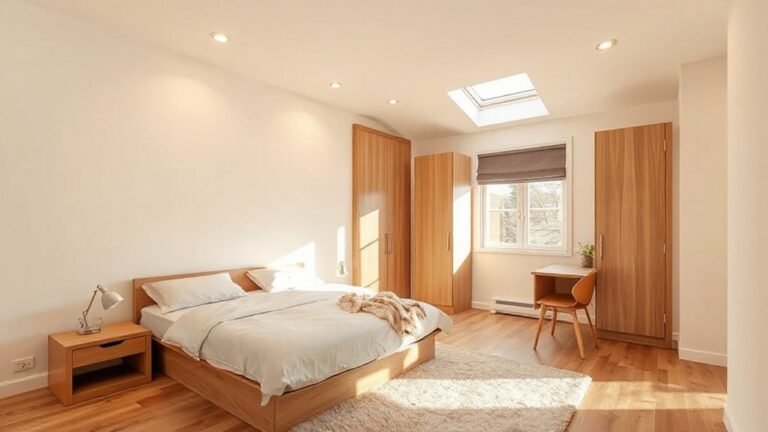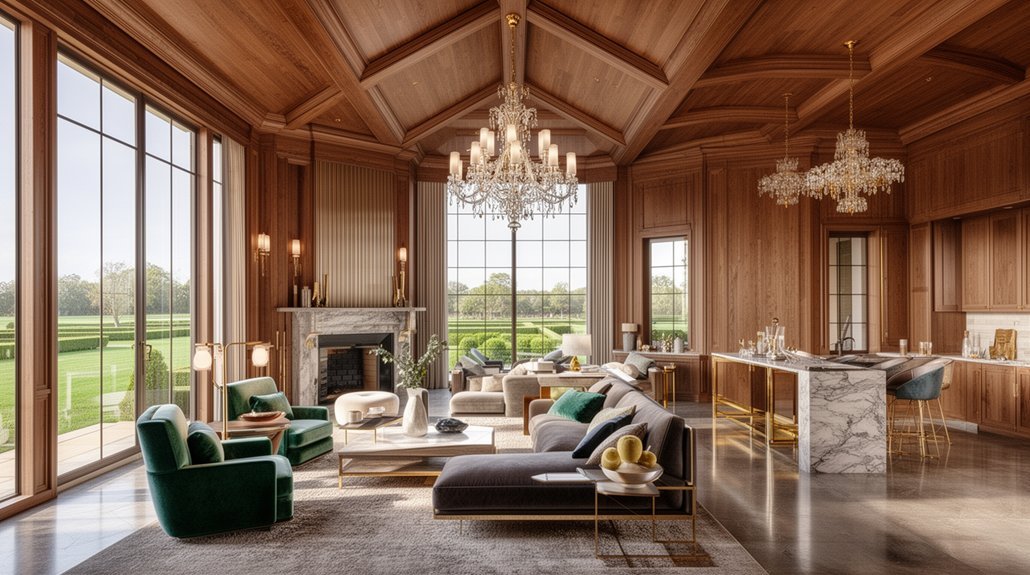
Luxury interior themes for large country homes fuse grand scale with intimate textures. Embrace Rustic Elegance—layer linen, reclaimed wood, and patina metals for warmth, then add bold silhouettes with balanced proportions and dimmable lighting. Integrate Grand Paneled Walls and central, oversized fireplaces to anchor spaces, while layering textiles like velvet, wool, and leather for depth. Guarantee seamless indoor–outdoor flow with durable finishes and subtle tech hides in plain sight. Ready to explore more refined strategies and examples?
How Luxury Feels in Large Country Homes
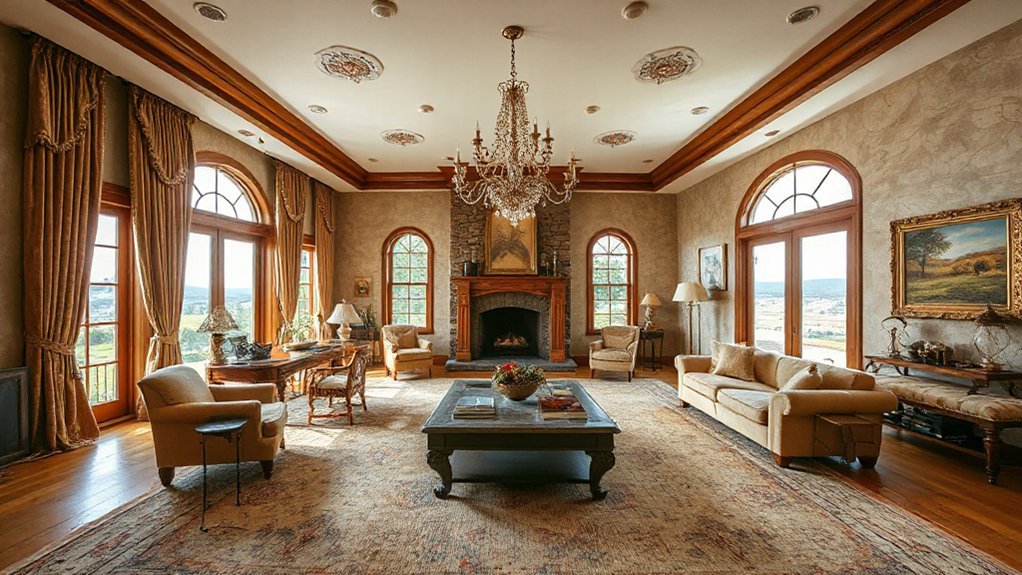
Luxury in a large country home begins with space that breathes. You design interiors where proportion guides choice, not trends. You feel luxury as a discipline of restraint: clean lines, quiet surfaces, and purposeful contrasts that elevate function.
Your rooms use scale to frame light, creating a sense of calm and readiness. Vintage charm appears through carefully selected pieces that age gracefully alongside modern comforts, avoiding faddish repetition.
You integrate garden views and outdoor textures, blurring indoor-outdoor boundaries with doorways, scent, and natural materials. The approach respects craftsmanship, ensuring every detail proves its utility and beauty.
You curate textures and finishes to evoke elegance without ostentation, letting architecture and landscape carry the perception of luxury rather than excess.
Rustic Elegance: Texture, Patina, and Warm Metals
Texture-driven warmth anchors the room, balancing rugged surfaces with soft, inviting comfort.
Patina reads as character, signaling authenticity and endurance rather than age; you’ll want it to tell a story of use and care.
Metallic accents matter, offering just the right sparkle and weight to unify natural materials with refined detail.
Texture-Driven Warmth
Texture sets the tone for rustic elegance by pairing patinaed surfaces with warm metals to create inviting depth. You’ll harness texture-driven warmth by layering tactile materials that age gracefully, adding character without overwhelming space.
Start with textured wallcoverings to introduce organic interest—think linen-weave textures or ramie-inspired patterns that read as natural, understated backdrops. Complement with reclaimed wood accents and softly brushed metals to deliver a cohesive, timeless glow.
In large-scale rooms, balance is essential: keep upholstery in solid, earthy tones while introducing subtle pattern through rugs and cushions. Create cozy nooks by placing a low-slung sofa or a pair of wing chairs around a warm, centered lamp.
Prioritize comfort, moisture-rich finishes, and careful lighting to enhance warmth without compromising clarity or function.
Patina as Character
Patina isn’t just aged surface; it’s character you can curate. In a large country home, patina becomes a deliberate design choice, signaling authenticity without nostalgia’s excess.
You seek texture that speaks, not loud decoration, so let patina read as quiet confidence: surfaces that reveal years of use, but without frailty. Focus on provenance over pretension; you’ll find that timber, stone, and leather gain depth when their wear is allowed to show.
Patina charm emerges through controlled aging—softened edges, restrained chalkiness, and warm, golden undertones that unify disparate rooms. Vintage patina should feel intentional, not accidental; curate pieces that develop a cohesive story across spaces.
For contrast, couple patinated elements with clean lines to maintain contemporary clarity while preserving rural warmth.
Metallic Accents Matter
Metallic accents anchor rustic elegance by adding warmth and refinement without overpowering natural materials. In this context, you leverage metallic accents to elevate textures like timber, stone, and woven fibers, achieving balance rather than conflict.
Aim for understated, shimmering finishes that catch light without shouting. Choose metals with real patina potential—bronze, aged brass, or oxidized copper—to deepen character rather than gleam.
Integrate hardware, lamps, and mirror frames in deliberate clusters to create visual anchors, then breathe space around them so their glow remains deliberate. Avoid excessive polish; insist on matte or brushed surfaces that soften reflections.
Pair metals with fabrics in neutral palettes, allowing warm tones to resonate. When done well, metallic accents reinforce rustic authenticity and enduring sophistication.
Modern Farmhouse Luxe: Clean Lines, Rich Comfort
Clean lines define the look, while warm materials keep the space inviting. You’ll blend textures with minimalist geometry to achieve modern luxury that feels lived-in, not sterile.
This approach marries crisp polish with tactile richness, delivering a refined yet comfortable farmhouse aesthetic.
Clean Lines, Warm Feel
In modern farmhouse luxe, clean lines define the architecture while warm textures invite lingering. You achieve this balance by pairing streamlined silhouettes with tactile surfaces that read as inviting rather than austere. Minimalist decor stays intentional, ensuring every element serves a purpose without clutter.
You’ll notice how durable woods, creamy finishes, and soft textiles soften edges while preserving precision.
- Prioritize solid, uncluttered planes paired with tactile materials
- Layer warm neutrals with a hint of vibrant color schemes for emphasis
- Use restrained hardware and exposed joinery to reinforce honesty in form
- Incorporate soft, ambient lighting to enhance texture and depth
This approach delivers calm, refined spaces that feel both deliberate and welcoming.
Textures Meet Modern Luxury
Textures define luxury in the modern farmhouse look, where tactile richness meets architectural clarity. You balance Textural contrast across surfaces to create visual depth without clutter. Start with matte stone or plaster walls for quiet weight, then layer warmth through wood—think wide-plank floors and oak cabinetry.
Introduce Material layering by pairing cool metal accents with soft textiles, ensuring seams stay deliberate and unobtrusive. In furniture, choose streamlined silhouettes offset by plush, inviting cushions, so comfort reads as refined rather than rustic.
Lighting should reinforce restraint: recessed ambient light paired with select statement fixtures. Keep hardware minimal, letting texture lead the narrative.
The result is disciplined luxury: a coherent, hands-on experience that feels modern, welcoming, and intentionally designed for expansive country spaces.
Grand Paneled Walls and Architectural Details
Grand paneled walls define a room’s architectural backbone, signaling craftsmanship and heritage from the moment you enter. You’ll notice how paneled walls establish rhythm, scale, and a timeless frame for furnishings, while architectural details reinforce a refined lineage.
Precision in joinery, moldings, and proportion communicates quality without shouting.
- Align panel sizes with ceiling height to preserve harmony and legibility.
- Choose materials—oak, walnut, or painted surfaces—for warmth and depth.
- Integrate subtle inlays and dentil moldings to elevate texture.
- Pair panels with concealed lighting to emphasize lines and shadows.
Fireplaces as Focal Points: Oversized, Central, and Cozy
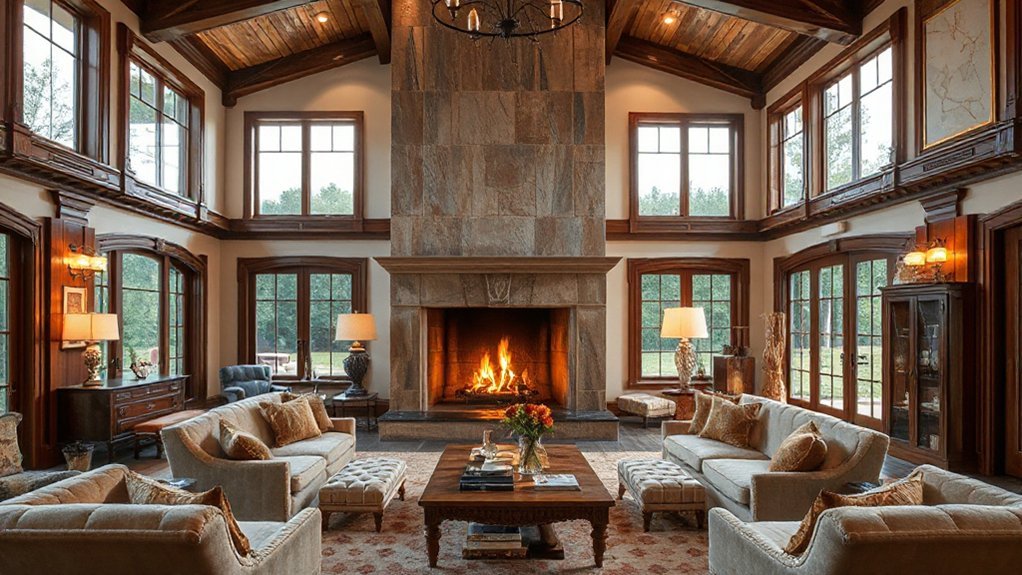
A central fireplace commands the room as the instant focal point, guiding traffic and conversation with bold presence.
You’ll balance cozy proportions and scale so the hearth feels inviting without overwhelming the chamber.
Materials that elevate ambience—stone, metal, and warm plaster—set the tone and reinforce the space’s timeless, refined character.
Central Fireplace Focal Point
Is the central fireplace the true heartbeat of a large country home? Yes, it anchors the living area with a deliberate, powerful presence. As you design, treat the fireplace as the primary focal point, shaping both layout and mood around its warmth and scale.
Consider these elements:
1) Proportional massing that harmonizes with room dimensions
2) Material continuity from hearth to surrounding surfaces
3) Subtle, integrated lighting to enhance texture and silhouette
4) Clear sightlines that invite conversation and flow
Your fireplace design should deliver both function and drama, becoming a visual cadence for the space. Maintain a restrained palette, letting the fire’s glow define atmosphere.
The result is a timeless focal point that reinforces the home’s luxury, while staying comfortably livable.
Cozy Proportions And Scale
When a fireplace becomes the focal point, its scale should feel intentional yet inviting, balancing drama with everyday practicality. You achieve cozy proportions by aligning the fire element with human and furniture scale, ensuring comfortable sightlines without overpowering adjacent seating.
Central placement reinforces a welcoming hearth, but size must respect room rhythm and ceiling height, avoiding either dwarfed or overpowering impressions. Choose a mantle that grounds the fire without dominating the walls; use clean, refined moldings to maintain clarity.
Furniture scale should invite conversation—snug chairs, a low coffee table, and a sofa that forms intimate angles. Proportion guidelines translate into calmer atmospheres, where warmth remains the focus, and the room feels cohesive, functional, and luxuriously residential.
Materials That Elevate Ambience
Because oversized, central fireplaces demand tactile richness, choose materials that amplify warmth and texture while remaining cohesive with surrounding architecture. You’ll balance form and function by selecting Sustainable materials and Eco friendly finishes that endure and elevate ambiance.
- Opt for warm stone surrounds (limestone, travertine) with brushed textures to enhance depth.
- Integrate timber mantels in weathered or charred finishes for contrast and longevity.
- Choose natural brick or ceramic tiles with matte glazes to reduce glare.
- Embrace low-VOC sealants and finishes to preserve air quality without sacrificing luxury.
Palette Strategies for Large Interiors
Begin with a restrained base—neutral walls that breathe and frame vistas—then introduce deeper accents at proportionally scaled points to ground the space. Consider color psychology to evoke intended moods; cooler neutrals can recede, while warmer accent tones advance, guiding movement and focal points.
Maintain harmony through a cohesive palette across rooms, so doors, millwork, and furniture read as a unified continuum rather than isolated pockets.
Plan lighting design in tandem with color choices: ambient, task, and accent layers should brighten focal areas, enhance texture, and reveal subtle shifts in hue.
Prioritize precision, avoiding gratuitous color to preserve timeless luxury.
Layer Textiles for Depth: Rugs, Upholstery, and Throws
Layer textures create instant depth by layering rugs, upholstery, and throws with varied weaves, pile heights, and fibers. Start by selecting rich rugs and complementary throws that repeat subtle color cues across the room to knit the scheme together.
You’ll gain cohesion and warmth by pairing durable furnishings with tactile surfaces that reward close, in-person inspection.
Layered Textile Textures
- Start with a durable, low-pile rug in a neutral field, allowing a statement upholstery fabric to anchor the seating ensemble.
- Layer velvet cushions with silk accents to introduce luxe sheen without overpowering the palette.
- Choose throws that repeat colors from both rug and cushions, tying areas together with subtle variation.
- Balance minefield patterns by pairing small-scale motifs with broad, calm backgrounds for refined cohesion.
Rich Rugs And Throws
Have you considered how rich rugs and throws can anchor a room while adding depth and warmth? In large country homes, you balance scale with texture. Choose oversized rugs in dense piles or low-loop weaves to define seating areas without crowding walls.
Layer throws over sofas and armchairs to introduce color, pattern, and tactile contrast, ensuring they complement rather than clash with upholstery. Opt for high-quality materials—wool, cashmere, or blended fabrics—that age gracefully and resist wear.
Use rugs and throws as anchors for focal points, guiding eye toward elegant accessories and statement art. Maintain a cohesive palette through shared undertones, then punctuate with motifs that evoke nature or heritage.
This disciplined approach yields refined, durable coziness suited to grand interiors.
Bespoke Fabrics and Custom Upholstery Choices
When designing a large-country-home interior, bespoke fabrics and custom upholstery let you tailor textures, colors, and patterns to your exact scale and proportion. You’ll select materials with durability and finish in mind, ensuring lasting luxury without sacrificing comfort.
Bespoke fabrics and custom upholstery form the backbone of cohesive environments, aligning furniture silhouettes with architectural massing.
- Choose timeless weaves and natural fibers that resist wear while preserving refined tactility.
- Pair durable textiles with refined patterns to emphasize proportion and line without overwhelming spaces.
- Commission pieces that echo architectural details—mouldings, paneling, and ceiling height—through color and texture.
- Maintain consistency across rooms, using a restrained palette that allows architectural features to shine.
Bespoke fabrics, custom upholstery elevate craft, result, and longevity in your home.
Lighting Strategy: Statement Fixtures and Ambience
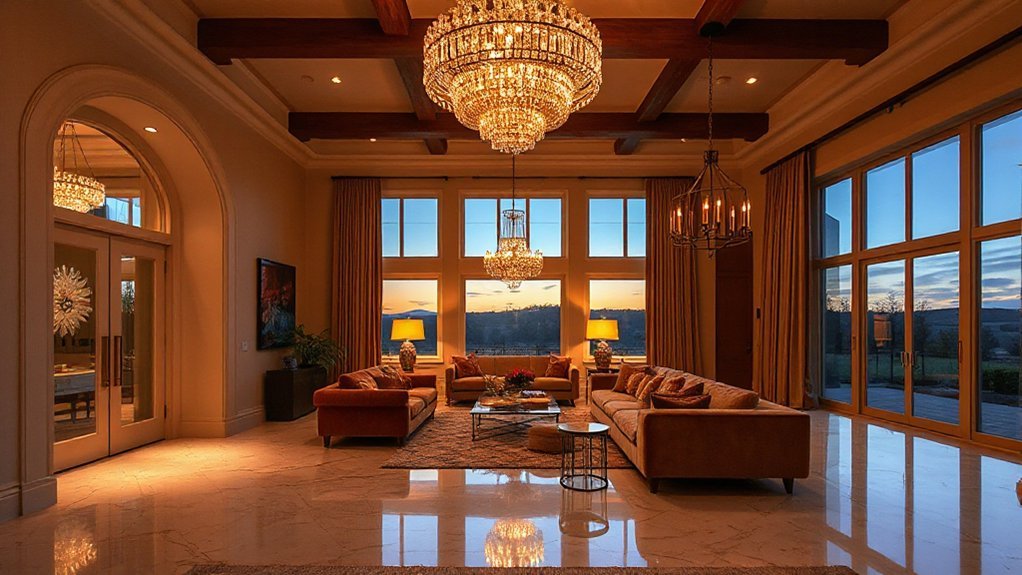
Statement fixtures define the first impression of your entry and establish the room’s character through bold silhouettes and material clarity. Ambient layering techniques should be intentional, aligning glow levels and color temperature with architectural features to avoid glare and create depth.
Balancing scale and proportion guarantees your fixtures complement, not overwhelm, the space, maximizing impact across the two or three key zones.
Statement Fixture Impact
In a large country home, the right statement fixture doesn’t just illuminate a space—it defines its character. Your choice sets tone, scale, and perceived quality, turning lighting into architecture. The fixture becomes a recognizable fixture statement that guides material and color decisions, while commanding attention without overpowering the room.
- Align scale with ceiling height so the fixture feels intentional, not oversized.
- Match metal, glass, or stone finishes to existing hardware for cohesive impact.
- Favor warm, controlled illumination to enhance textures and contrasts.
- Position centrally or along focal axes to maximize narrative and depth.
Statement fixture impact hinges on restraint and precision; when executed well, lighting communicates luxury, refinement, and deliberate design intent.
Ambient Layering Techniques
Ambient layering builds depth by weaving light from multiple sources to complement the statement fixture. You implement ambient layering by combining a controllable base glow, task accents, and indirect uplighting to sculpt the room’s atmosphere.
Prioritize ambient contrast between warm and cool tones to enhance architectural features without overpowering the centerpiece. Use dimmable fixtures and smart presets to shift mood from day-to-evening progressions, preserving clarity during tasks while inviting relaxation at night.
Choose fixtures that echo the home’s material palette—brushed metals, warm metals, and porcelain—to reinforce cohesion. Maintain layering depth by balancing glare control with reflective surfaces, preventing hot spots.
Document lighting scenes for consistency, ensuring the statement fixture remains the focal point without competing with subordinate sources.
Scale And Proportion Balance
Scale and proportion set the stage for dramatic yet cohesive interiors, ensuring a statement fixture commands attention without overwhelming the room. You balance scale with ambient warmth to achieve refined grandeur. Light fixtures should enhance architectural lines, not compete with them, while reflecting vintage charm and floral patterns in tasteful subtlety.
- Choose oversized fixtures for grand spaces, offset by lower-intensity bulbs to avoid glare.
- Pair bold silhouettes with delicate shade textures to fuse drama and softness.
- Align fixture height with ceiling mass and furniture grouping for cohesive sightlines.
- Use dimmers and layered sources to sculpt ambience without sacrificing clarity.
This approach preserves proportion, elevates focal points, and reinforces a curated, luxurious mood throughout large country interiors.
Maximizing Natural Light in Wide-Open Spaces
To maximize natural light in wide-open spaces, start with large, unobstructed windows and strategic glazing that capture daylight from multiple angles throughout the day. You optimize layout by aligning openings with the sun’s path, reducing need for artificial lighting while preserving thermal balance.
Use transom and clerestory windows to admit light without compromising privacy or wall space for art and furnishings. Natural ventilation is your ally; operable vents and stack effect move air efficiently, maintaining comfort without drafts.
Consider solar orientation in room placement, prioritizing east or south exposures for morning and midday brightness. Finish with reflective surfaces, light-colored ceilings, and minimal mullion intrusion to maximize luminance.
This disciplined approach yields brighter interiors that feel expansive while remaining energy-conscious.
Durable Luxury: Materials That Withstand Family Life
Durable luxury starts with choosing materials that endure daily family life without compromising refinement. You select surfaces and textures that resist wear while conveying prestige, prioritizing performance alongside aesthetics. Eco conscious materials and Sustainable finishes anchor this balance, ensuring longevity without guilt or waste.
- Choose reinforced fabrics and leathers that resist spills, smudges, and fading, maintaining a pristine look with practical care.
- Favor porcelain, engineered quartz, and dense stone for counters and floors, delivering durability and easy maintenance.
- Opt for low-maintenance metals and finishes that resist fingerprints, scratching, and tarnish over time.
- Select resilient woods and veneers with protective coatings that preserve character while withstanding daily use.
Masterful Woodwork: Cabinets, Floors, and Ceilings
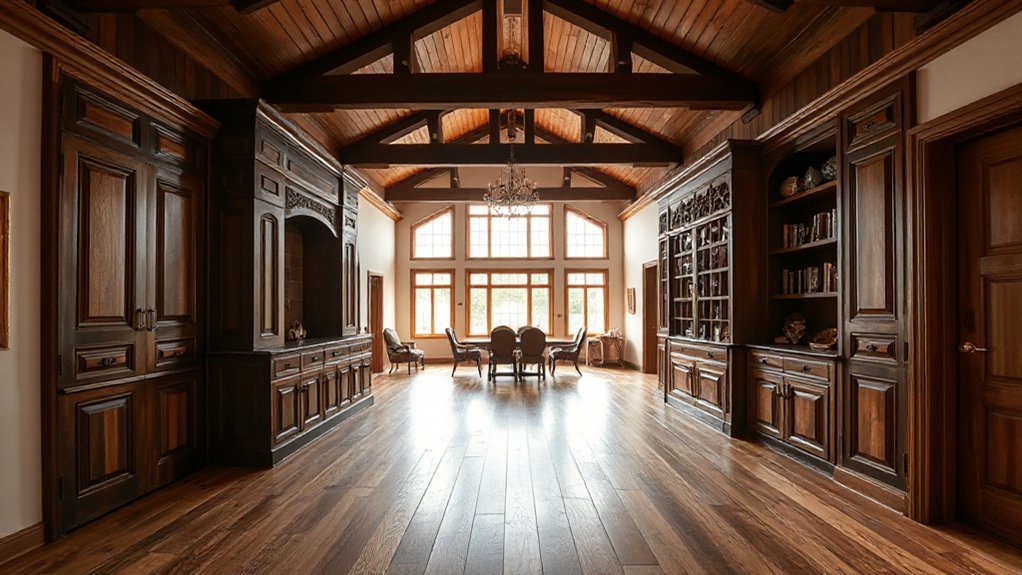
What makes cabinet, floor, and ceiling woodwork truly masterful in a large country home is the seamless integration of form and function—from timber selection to joinery that endures. You pursue precision in layout, grain matching, and swelling control, ensuring uninterrupted visual flow.
Cabinets reveal handcrafted detailing through traditional dovetails, minimal hardware, and clean, fingerless edges that invite touch.
Floors showcase continuous planks, graded tones, and trained aging to resist wear while preserving character.
Ceilings benefit from skilled beading, bevels, and structural clarity that reduce noise without sacrificing beauty.
You demand bespoke finishes—sapwood and heartwood harmony, hand-rubbed sheens, and protective lusters that deepen with time.
The result is cohesive, durable woodwork that elevates spaces through disciplined craft and lasting performance.
Grand Entertaining Areas: Dining and Social Circles
Have you ever imagined a dining and social space that channels both grandeur and everyday ease? In grand entertaining areas, you’ll balance form and function to design effortless hosting experiences. Precision layout and durable finishes anchor the room, while subtle luxury elevates conversations and meals.
Use garden pathways and landscape lighting to extend ambiance beyond the interior, guiding guests with a cohesive exterior-to-interior flow.
- Define a central dining hub with clear sightlines and flexible seating for intimate dinners or gatherings.
- Integrate decorative yet durable surfaces that respond to both formal and casual settings.
- Incorporate architectural elements—columns, beam arches, and a refined ceiling—to frame social circles.
- Harness landscape lighting to highlight pathways, focal plants, and art, ensuring safe, inviting transitions.
Country-Chic Bathrooms: Spa-Grade Comfort
Ever wondered how to transform a country home bath into a spa-grade retreat without sacrificing practicality? You’ll curate a calm, tactile space that blends rustic charm with contemporary efficiency. Prioritize durable materials: honed stone, warm timber, and matte metals that resist humidity while aging gracefully.
Define Spa amenities with deliberate zoning—wet, wash, and soothe—so every task feels streamlined. Include a rainfall shower, freestanding tub, and heated floors for all-season comfort.
Choose cabinetry that hides clutter yet feels substantial, and install tactile controls for effortless use.
Wellness zones should balance quiet reflection with functional routines: a reclining chair near a window, a small mirror station, and ambient lighting adjustable to mood.
Maintain restraint in color and texture to preserve timeless Country-Chic elegance.
Outdoor–Indoor Harmony: Transitional Spaces
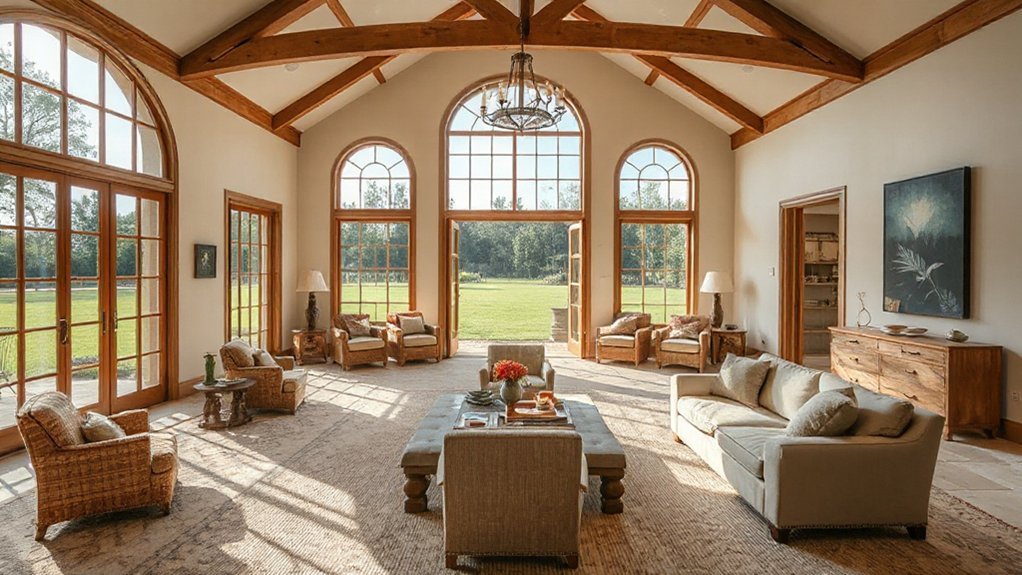
Outdoor–Indoor Harmony hinges on deliberate shifts that blur boundaries without compromising function. You sculpt passages as purposeful experiences, not mere connections, so climate, sightlines, and acoustics align across spaces. Your goal is seamless flow that amplifies both rooms and gardens.
- Design covered thresholds that invite movement, restore sightlines, and protect from weather while maintaining a continuous material language.
- Use integrated seating and planters to extend the indoors outward, creating intimate vignettes within garden pathways.
- Select lighting that adapts from dusk to night, guiding circulation and highlighting sculpture elements.
- Position outdoor sculptures to anchor focal points, guide navigation, and reinforce the narrative between interior and exterior.
This approach elevates luxury through controlled translucence and curated materials.
Texture Play: Leather, Velvet, Linen, and Fur Accents
As you build on the outdoor–indoor rhythm established earlier, texture becomes a decisive driver of luxury inside a large country home. You harness Leather, Velvet, Linen, and Fur accents to sculpt tactile contrast and depth, avoiding visual sameness across rooms.
Leather sofas and ottomans deliver structured sophistication, while Velvet throws and cushions introduce lush warmth that softens architectural rigidity. Linen textiles provide breathable, rustic refinement, ideal for casual zones and high-traffic corridors. Fur accents add seasonal coziness, used sparingly for impact rather than saturation.
Integrate Textured wallpapers to create subtle backdrop variation without overwhelming furniture. Accent cushions punctuate seating with color and pattern, guiding the eye and defining zones.
Maintain balance by aligning textures with lighting, trim, and architectural lines for cohesive, luxurious restraint.
Art and Collections: Curated Yet Cozy Displays
Art and collections should feel curated yet cozy, balancing prized pieces with accessible display that invites daily engagement. You’ll shape a gallery mindset at home, ensuring every object earns its place and surroundings support interpretation.
- Prioritize balance between statement works and intimate, tactile pieces to maintain a welcoming rhythm.
- Group related items into vignettes that encourage conversation without feeling gallery rigid.
- Rotate selections seasonally to sustain intrigue while preserving core cohesion.
- Use lighting and framing to highlight texture, color, and provenance, reinforcing Art curation with Cozy displays.
Keep wall color, furniture scale, and shelving continuous to avoid visual fragmentation. You convey expertise through thoughtful placement, avoiding clutter while preserving personality. Your approach elevates everyday living by treating collections as ongoing conversations rather than static archives.
Subtle Technology: Integrated Systems for Quiet Luxury
Integrated systems should read as invisible support, aligning with curated interiors rather than competing with them. You design with intention, placing technology where it vanishes into the architecture while preserving tactile quality.
Smart integration means conditioning lighting, climate, and audiovisuals to respond to occupancy and sun angles without drawing attention. You configure scenes that reflect time of day, mood, and activity, all accessible via seamless control.
Interfaces stay unobtrusive: buttons, touch panels, and voice commands should feel like natural extensions of the room, not distractions. Prioritize reliability, cybersecurity, and maintenance simplicity to uphold quiet luxury.
Integration should enhance comfort, not overwhelm your spaces. When done correctly, technology reduces effort, yet remains perceptibly absent, letting the interiors speak with clarity and restraint.
Budgeting Luxury: Balancing Grandeur With Longevity
Budgeting luxury isn’t about maxing out every line item; it’s about allocating resources to yield enduring grandeur and practical longevity. You’ll balance aesthetics with durability by prioritizing high-impact investments that pay over time, guided by budget planning and material longevity.
- Prioritize core materials that resist wear, selecting proven, timeless finishes.
- Allocate funds to durable HVAC and lighting systems that support long-term comfort.
- Reserve contingency for seasonal updates rather than permanent overhauls, preserving value.
- Opt for scalable upgrades, enabling future enhancements without undermining structure or style.
Through disciplined planning, you preserve intrinsic grandeur while limiting replacement cycles. You’ll protect resale value and reduce ongoing maintenance.
In practice, measure returns by lifespan, not initial wow, ensuring luxury remains practical and sustainable for decades.
Frequently Asked Questions
How to Balance Grandeur With Everyday Practicality in Large Homes?
To balance grandeur with practicality, you blend scale with multifunctional spaces, maximize artificial lighting, and hide clutter behind built-ins, while decorative accents elevate elegance. You curate durable materials, smart layouts, and accessible storage to maintain effortless daily flow.
What Timeless Color Palettes Suit Expansive Interiors?
You’ll notice that 70% of designers favor neutrals for expansive spaces. Choose timeless palettes like warm creams and soft taupes, then layer with vintage accents and metallic finishes to add depth and understated luxury.
How to Integrate Family-Friendly yet Luxurious Storage?
You can combine custom cabinetry with multi functional furniture to keep spaces organized without sacrificing luxury. Integrate hidden storage, durable finishes, and ergonomic layouts, ensuring every piece serves multiple tasks while maintaining refined aesthetics and effortless accessibility.
Which Textures Best Age Gracefully in Frequent-Use Spaces?
You should favor antique fabrics and textured wallcoverings for spaces used often, as they age gracefully, resist wear, and add nuanced depth; they pair well with patina finishes and keep your environment feel authentic, refined, and durable.
How to Achieve Cohesive Interior Design Across Varied Rooms?
To achieve cohesive interior design across varied rooms, you unify color palettes, align materials, and balance scale; integrate art deco and bohemian elegance as recurring motifs, ensuring consistent trim, lighting, and furniture silhouettes throughout every space.
Conclusion
In a project like this, you’ll weave texture, scale, and light into a cohesive luxury narrative that feels effortless. Prioritize timeless materials, expert detailing, and comfortable, livable spaces rather than fads. Oversized fireplaces, paneled walls, and curated art anchor the home without shouting wealth. Subtle tech stays quiet, enhancing ease rather than drawing attention. You’ll balance grandeur with longevity through disciplined budgeting and thoughtful customization. Will your large country home become a lasting standard of refined, lived-in splendor?
About the Author